
 English
 Afrikaans
 Albanian
 Amharic
 Arabic
 Armenian
 Azerbaijani
 Basque
 Belarusian
 Bengali
 Bosnian
 Bulgarian
 Catalan
 Cebuano
 Chichewa
 Corsican
 Croatian
 Czech
Czech Danish
 Dutch
Dutch Esperanto
 Estonian
 Filipino
 Finnish
 French
 Frisian
 Galician
 Georgian
 German
 Greek
Greek Gujarati
 Haitian Creole
 Hausa
Hausa Hawaiian
 Hebrew
 Hindi
Hindi Hmong
Hmong Hungarian
 Icelandic
 Igbo
Igbo Indonesian
 Irish
Irish Italian
 Japanese
 Javanese
 Kannada
 Kazakh
 Khmer
Khmer Korean
 Kurdish (Kurmanji)
 Kyrgyz
 Lao
Lao Latin
Latin Latvian
 Lithuanian
 Luxembourgish
 Macedonian
 Malagasy
 Malay
Malay Malayalam
 Maltese
 Maori
Maori Marathi
 Mongolian
 Myanmar (Burmese)
 Nepali
 Norwegian
 Pashto
 Persian
 Polish
 Portuguese
 Punjabi
 Romanian
 Russian
 Samoan
 Scottish Gaelic
 Serbian
 Sesotho
 Shona
Shona Sindhi
 Sinhala
 Slovak
 Slovenian
 Somali
 Spanish
 Sudanese
 Swahili
 Swedish
 Tajik
Tajik Tamil
Tamil Telugu
 Thai
Thai Turkish
 Ukrainian
 Urdu
Urdu Uzbek
Uzbek Vietnamese
 Welsh
Welsh Xhosa
Xhosa Yiddish
 Yoruba
 Zulu
Zulu


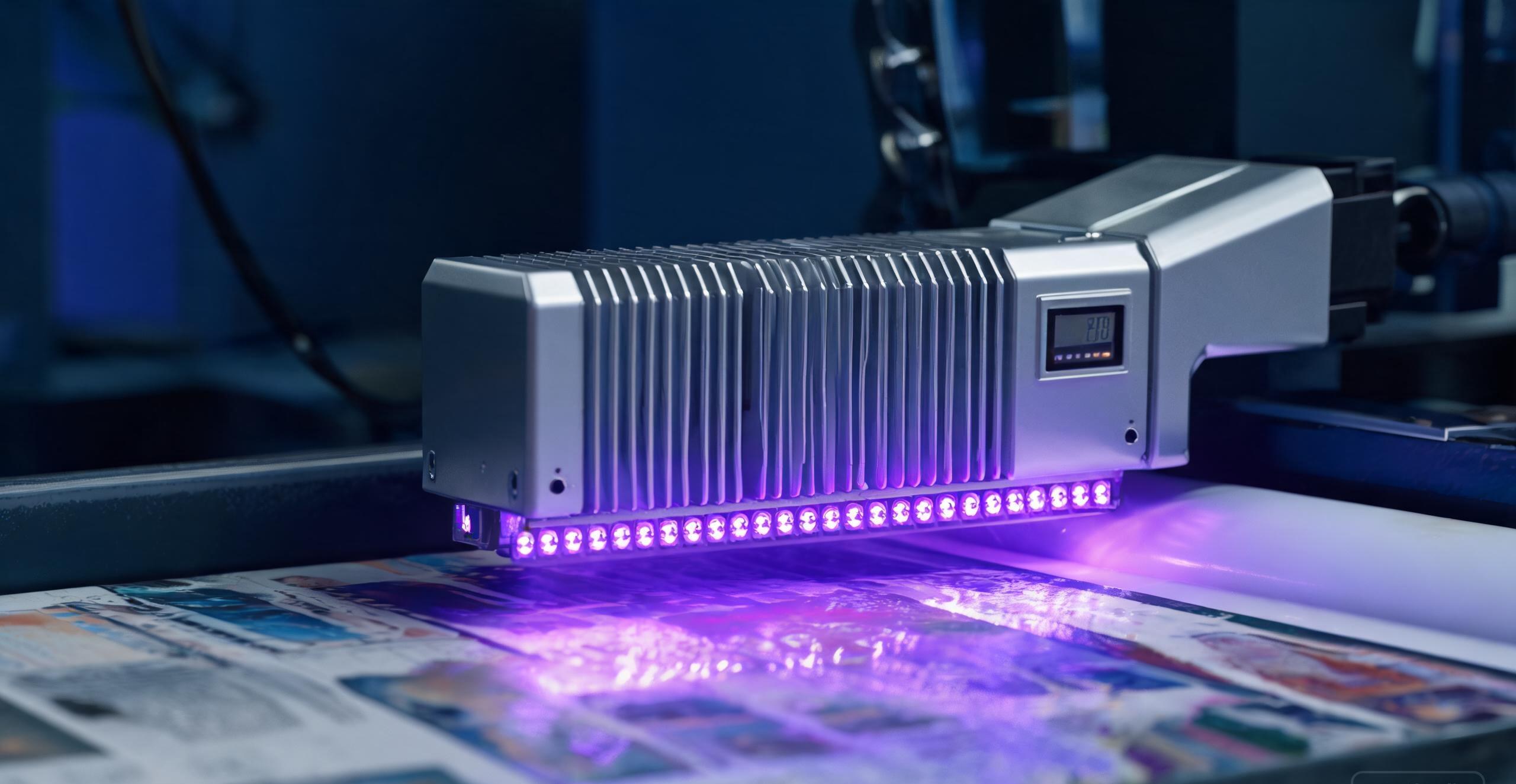
Mercury arc lamps ruled UV curing for fifty years — and dragged heat, ozone, and warm-up delays into every print job that ran under them. This project shows how 395nm UV LED curing bars replaced medium-pressure lamps on a narrow-web label press, cutting curing energy by 62% while running heat-sensitive films that were previously off-limits.
Application Background
A label converter running an eight-color narrow-web press wanted to add thin films and heat-sensitive substrates to its product list, but its medium-pressure mercury curing system stood in the way:
- Infrared load — the hot quartz of mercury lamps radiated so much heat onto the web that 40 µm shrink-sleeve films distorted and clear-on-clear laminates curled before the cure finished
- Ozone generation from the lamps’ deep-UV output required a dedicated extraction system, with filters and ducting as a standing maintenance item
- Warm-up and shutters — five to ten minutes to reach stable output meant every job change started with wasted material and operator waiting
- Spectrum waste — the lamp’s broad 200–450nm emission delivered energy at wavelengths the photoinitiator never used, paid for in electricity and heat
- Output drift — lamp and reflector degradation forced monthly radiometric checks and intensity-based re-calculation of line speed
Engineering Challenge
Converting to LED curing is a systems problem, not a lamp swap:
- Wavelength match — the ink system’s photoinitiator must absorb strongly at the LED wavelength; for this converter’s flexo inks, 395nm matched the initiator’s absorption peak while offering the highest LED efficacy per dollar (the trade-offs between 365nm and 395nm are covered in our 365nm vs 395nm UV curing wavelength guide)
- Dose at speed — full cure at 180 m/min demanded sustained irradiance across the web, not just a peak reading at the bar center
- Uniformity — cross-web dose variation directly maps to adhesion variation, so ±10% across the full 330 mm width was the acceptance gate
- Thermal separation — LED emitters still convert a majority of input power to heat, but that heat must exit through the heatsink and away from the web, not radiate onto the substrate
- Instant duty — curing bars that switch with the press mean no shutters, no warm-up scrap, and no energy burned between jobs
Solution & Key Components
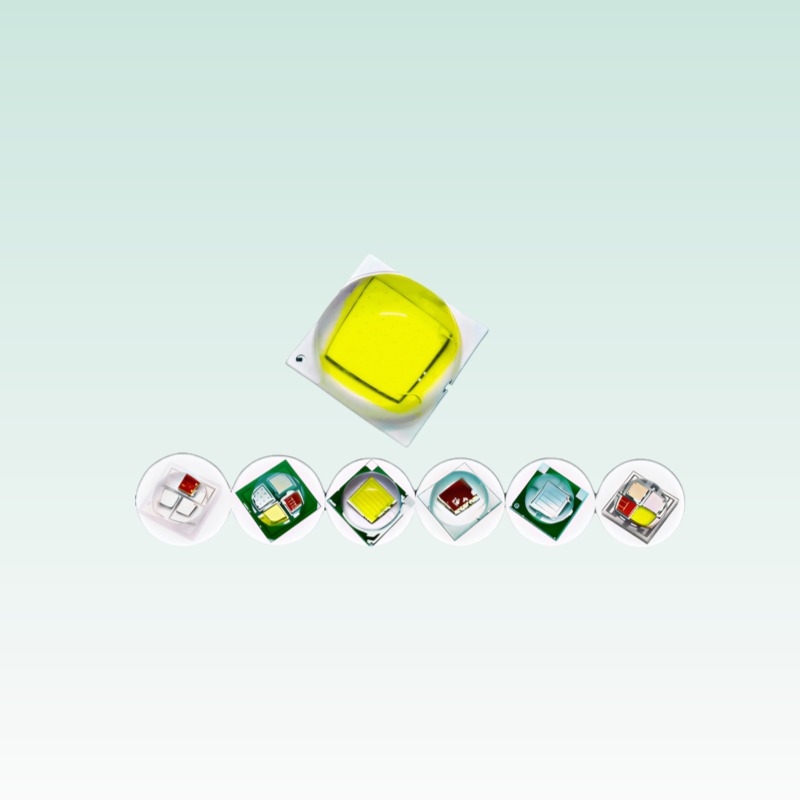
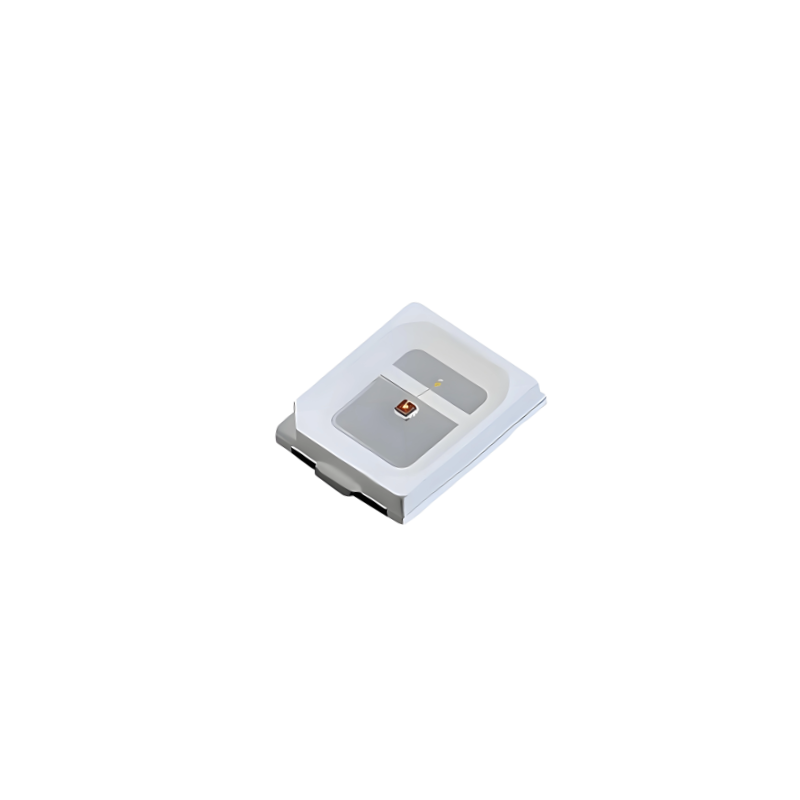
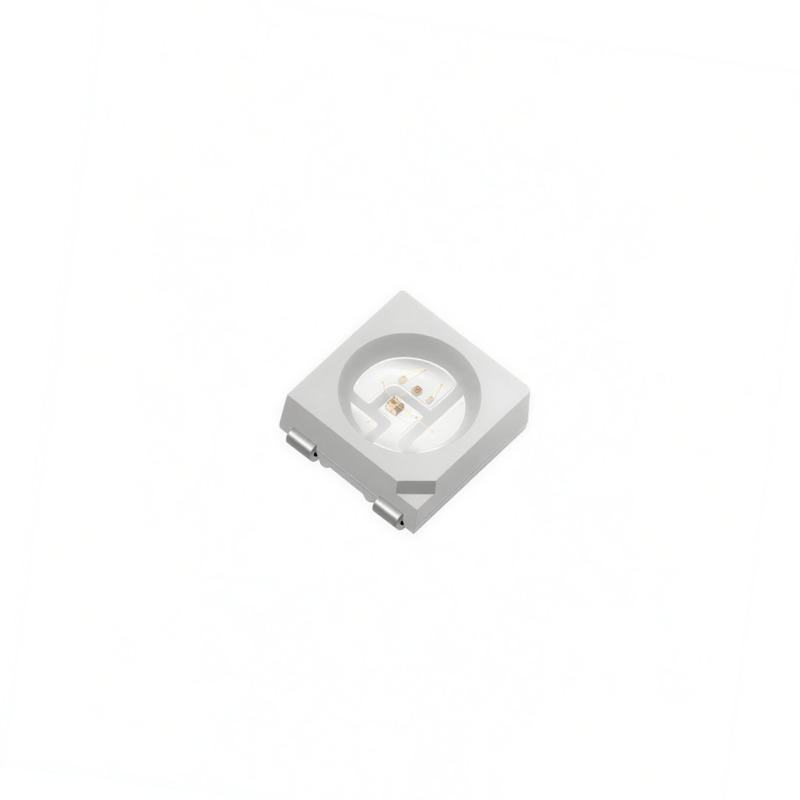
Queendom supplied 395nm UVA LED curing bars built from high-density 3535 UV LED emitters, mounted on machined heatsink bodies with per-zone dimming:
| Parameter | Value | Design Note |
|---|---|---|
| Wavelength | 395 nm UVA | Matched to the photoinitiator absorption peak |
| Irradiance at web | 8 W/cm² | Full cure of flexo inks at 180 m/min |
| Cross-web uniformity | ±10% over 330 mm | Dense emitter layout with individual optics |
| Control | Instant on/off · per-zone dimming | No shutters, no warm-up, zone-matched to print deck |
| Thermal design | CNC heatsink, rear-side heat path | Web stays cool — thin films run distortion-free |
| Service life | 20,000+ h with dose margin | vs ~1,000 h typical mercury lamp life |
| Ozone | None generated | 395nm output is outside the ozone-forming band |
Integration notes for converters: the bars mount to the existing lamp carriage with adapter plates, zone dimming maps to the press’s color decks so each cure station runs only the intensity its ink needs, and a related deep-dive on spectrum selection for adhesives and coatings is in our UVA 365nm LED curing application article. Emitter selection comes from the same 3535 UVA families described on the 3535 UV LEDs product page.
Results
Thin shrink-sleeve films that the converter previously outsourced now run in-house at full speed, and the ozone extraction system was decommissioned outright. Because the bars hold irradiance over tens of thousands of hours with gradual, predictable degradation, the monthly radiometric checks became quarterly calibration confirmations.
Recommended Products

Frequently Asked Questions
Should I choose 365nm or 395nm UV LED curing?
Match the wavelength to your photoinitiator, not the other way round. 395nm LEDs offer the highest output per dollar and suit most flexo and offset ink systems; 365nm penetrates better into thick or pigmented layers and is often preferred for adhesives and some coatings. If you can reformulate the ink, 395nm usually wins on system cost — our wavelength guide covers the decision in detail.
Can UV LEDs fully replace a mercury lamp on an existing press?
Usually, with two conditions. The ink or coating must be reformulated (or verified) for the LED wavelength, and opaque white or heavily pigmented systems may need higher irradiance or longer dwell. Presses running LED-ready inks convert cleanly; presses running legacy mercury formulations should trial their highest-volume jobs first.
What irradiance and dose does my application need?
Typical flexo and inkjet applications cure in the 100–800 mJ/cm² dose range at the web; the required peak irradiance depends on web speed and the photoinitiator’s response curve. We size the bar count, emitter density, and standoff distance against your target line speed, then validate with radiometric measurement at commissioning.
Do UV LED curing systems still need cooling?
Yes — LEDs are dramatically cooler for the web, but the emitters themselves need their heat removed to protect lifetime and maintain output. The difference is direction: mercury lamps radiate heat onto your substrate, while a well-designed LED bar pushes heat backward through a heatsink, away from the product. That thermal separation is what lets heat-sensitive films run at full speed.