








The problem as it presented itself
The customer arrived with a working prototype and a production problem: the LEDs that passed the bench test were not the ones that survived the line. Nothing in the data was out of spec — the failures were spread across batches rather than concentrated in one lot, which ruled out a supplier problem and pointed at the process instead.
Three measurements separated the causes. First, forward voltage at a fixed low current across a sample of each batch, which showed whether the die set was consistent. Second, case temperature under the real drive condition, which showed whether the thermal path matched the assumption in the design. Third, the reflow profile logged on the line, which showed whether the assembly process stayed inside the qualified window.
The first two came back clean. The profile log showed the peak temperature sitting close enough to the limit that normal line-to-line variation pushed parts past it. This is the most common way a qualified component becomes an unqualified assembly, and it is invisible on the datasheet.
- Measure the process, not just the part. A component that meets its specification can still be assembled outside its qualification.
- Log the profile, do not assume it. Reflow profiles drift as boards and fixtures change.
- Look at failure distribution first. Failures spread across batches point at the process; failures concentrated in one batch point at the supply.
Once the profile was corrected and re-qualified, the field return rate dropped to the level the component datasheet predicts. The component never changed — only the process around it.
Real-time PCR (quantitative PCR, qPCR) instruments demand high-precision optical LED sources capable of delivering accurate fluorescence excitation and detection across multiple genetic testing and molecular diagnostic channels. In the field of genetic testing, pathogen detection, and oncology biomarker screening, qPCR sensitivity directly depends on the spectral purity, luminous intensity stability, and rapid switching performance of the LED excitation source. Common challenges include wavelength drift caused by temperature fluctuations, insufficient luminous intensity leading to weak signal acquisition, and package thermal resistance that limits continuous high-throughput operation.
Queendom LED Solution
Queendom provides a full lineup of biomedical optical LEDs specifically engineered for real-time PCR fluorescence analysis systems. Our LED sources are optimized to match mainstream fluorescence channels with precise peak-wavelength control and high coupling efficiency.
Package Options:
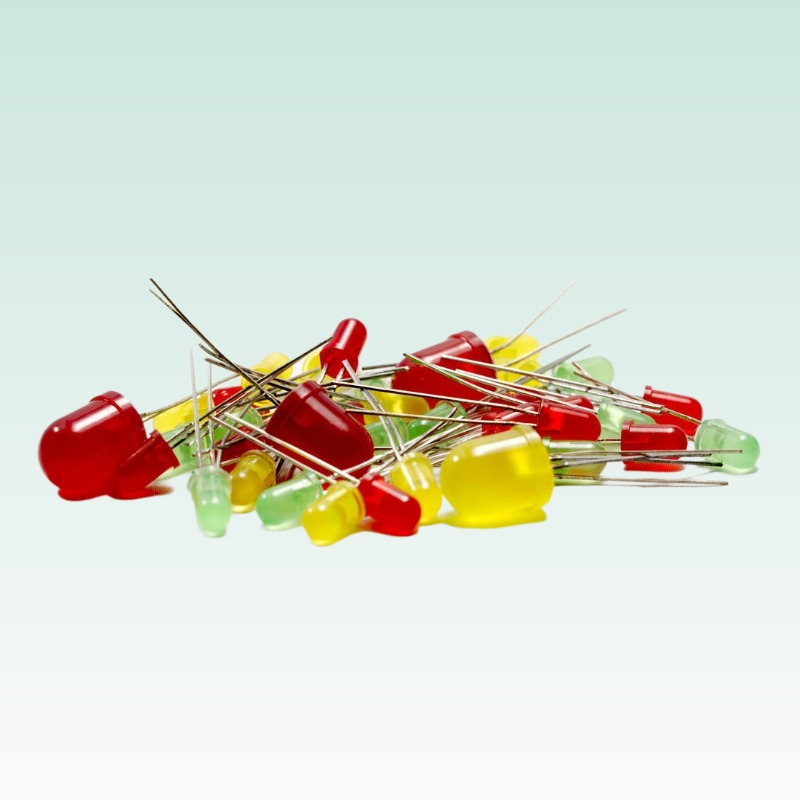
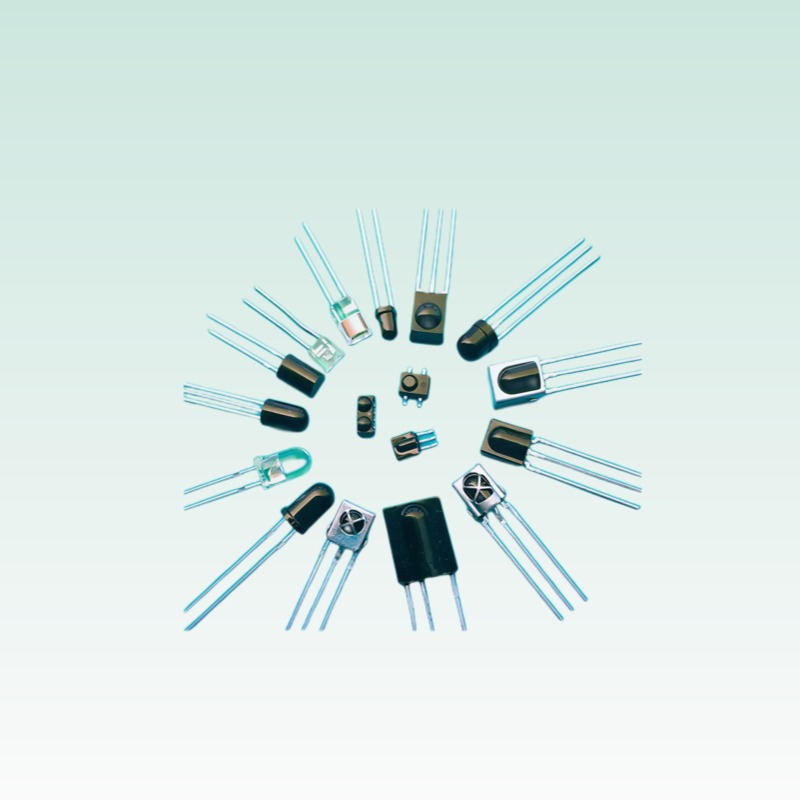
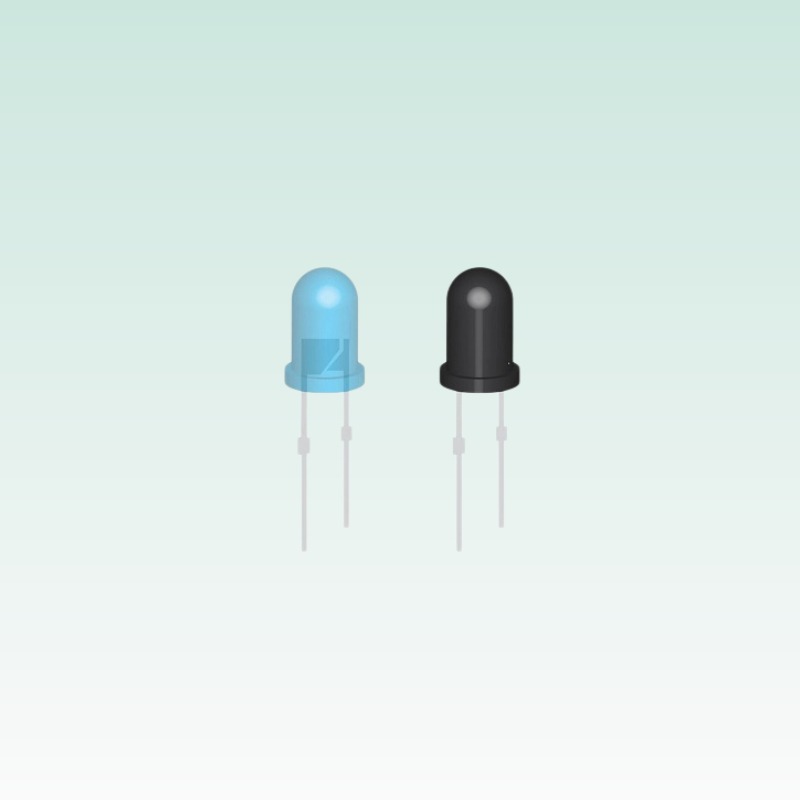
- DIP 5mm / 8mm / 10mm: High directionality, easy collimation
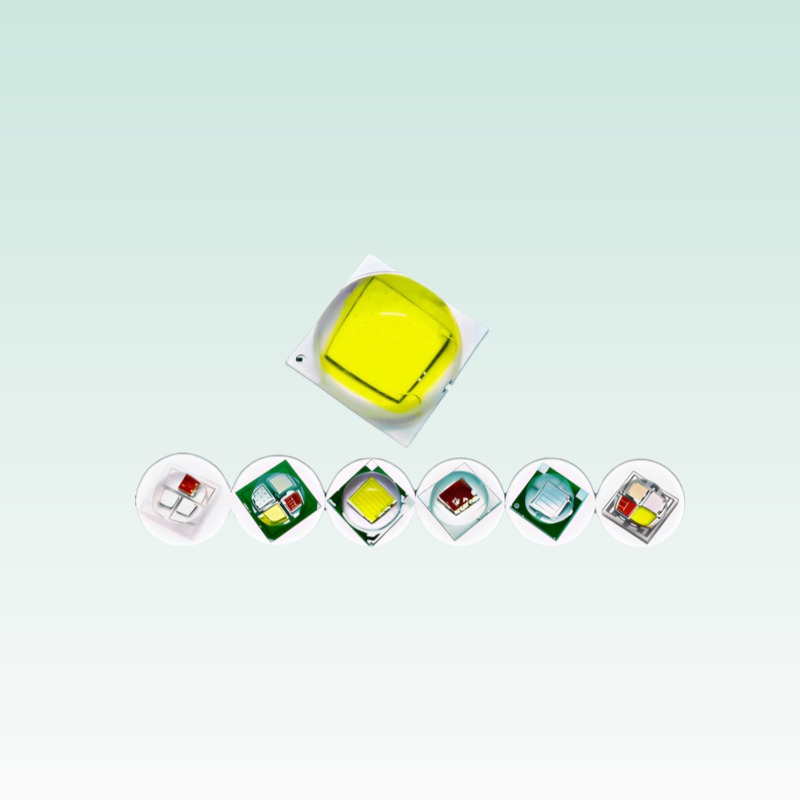
- SMD 3535 high-power: High brightness, low thermal resistance
- SMD 5050 multi-chip: Multi-channel parallel excitation
Key Advantages:
- High coupling efficiency: ±8° (DIP), ±12° (SMD)
- Rapid thermal management: Junction temp < 85°C
- Spectral consistency: ±2 nm batch deviation
- Instantaneous switching: Microsecond-level ON/OFF

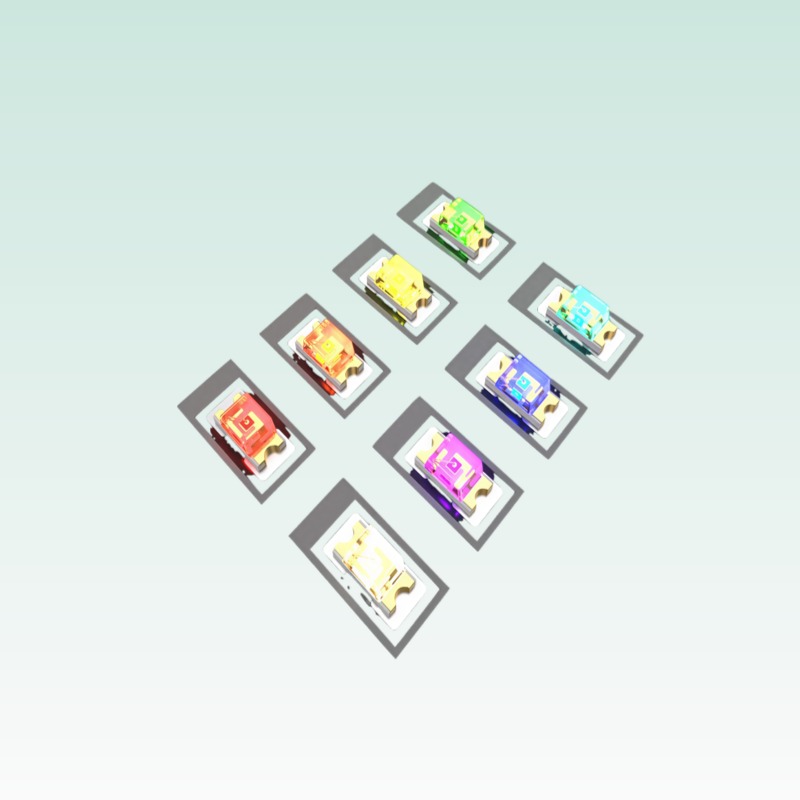
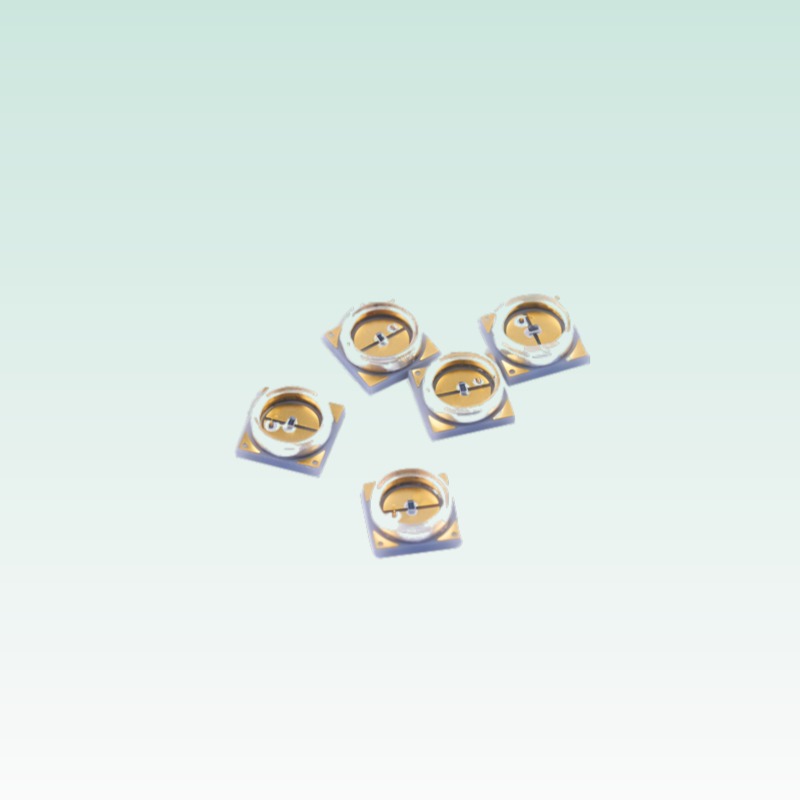
Biomedical LEDs — SMD 3535 / 5050 for PCR fluorescence excitation
Wavelength Configuration
| Peak Wavelength | Fluorophore Compatibility | Typical Application |
|---|---|---|
| 430 nm | FAM, SYBR Green | General nucleic acid quantification |
| 470 nm | FAM/FITC | Pathogen detection, gene expression |
| 520 nm | HEX/VIC | Multiplex qPCR, SNP genotyping |
| 630 nm | ROX/Texas Red | Normalization reference, multiplex |
| 740 nm | Cy5/Cy5.5 | High-sensitivity rare mutation detection |
| 4000K white | Broadband | White-light auxiliary, multi-channel |
Technical Parameters
• Spectral half-width (FWHM): ≤ 20 nm (typical 15 nm)
• Luminous intensity stability: ±2% over 8-hour continuous operation
• Thermal resistance (RθJA): ≤ 8 K/W for SMD 3535
• Operating current: 20–350 mA (DIP/SMD 3535), 60–700 mA (SMD 5050)
• Lifespan (L70): ≥ 50,000 hours
• RoHS / REACH: Fully compliant
Validation & Certification
• Biocompatibility: ISO 10993-5 cytotoxicity testing passed
• EMC compliance: IEC 61326-1 for laboratory equipment
• Traceability: Full lot-code from epitaxial wafer to packaged device
Related Links
Solution: Biomedical LEDs Solutions
Product: SMD LED Products | LED Diodes & Chips
Case Studies: PCR LED Parameters Guide | Medical LED Application | PCR Laboratory Lighting
Optimize your qPCR instrument’s optical performance.
Request a free LED sample kit or schedule a technical consultation.
Contact Us