
 English
 Afrikaans
 Albanian
 Amharic
 Arabic
 Armenian
 Azerbaijani
 Basque
 Belarusian
 Bengali
 Bosnian
 Bulgarian
 Catalan
 Cebuano
 Chichewa
 Corsican
 Croatian
 Czech
Czech Danish
 Dutch
Dutch Esperanto
 Estonian
 Filipino
 Finnish
 French
 Frisian
 Galician
 Georgian
 German
 Greek
Greek Gujarati
 Haitian Creole
 Hausa
Hausa Hawaiian
 Hebrew
 Hindi
Hindi Hmong
Hmong Hungarian
 Icelandic
 Igbo
Igbo Indonesian
 Irish
Irish Italian
 Japanese
 Javanese
 Kannada
 Kazakh
 Khmer
Khmer Korean
 Kurdish (Kurmanji)
 Kyrgyz
 Lao
Lao Latin
Latin Latvian
 Lithuanian
 Luxembourgish
 Macedonian
 Malagasy
 Malay
Malay Malayalam
 Maltese
 Maori
Maori Marathi
 Mongolian
 Myanmar (Burmese)
 Nepali
 Norwegian
 Pashto
 Persian
 Polish
 Portuguese
 Punjabi
 Romanian
 Russian
 Samoan
 Scottish Gaelic
 Serbian
 Sesotho
 Shona
Shona Sindhi
 Sinhala
 Slovak
 Slovenian
 Somali
 Spanish
 Sudanese
 Swahili
 Swedish
 Tajik
Tajik Tamil
Tamil Telugu
 Thai
Thai Turkish
 Ukrainian
 Urdu
Urdu Uzbek
Uzbek Vietnamese
 Welsh
Welsh Xhosa
Xhosa Yiddish
 Yoruba
 Zulu
Zulu
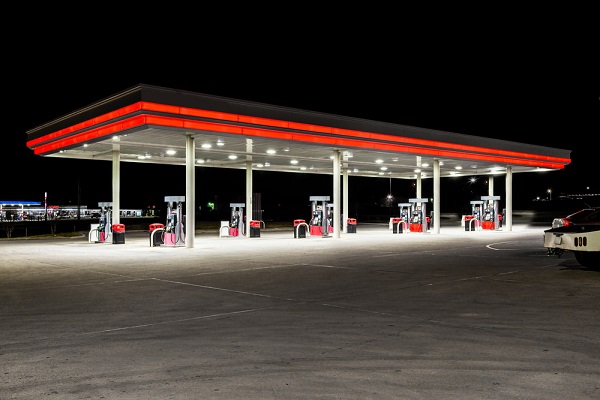
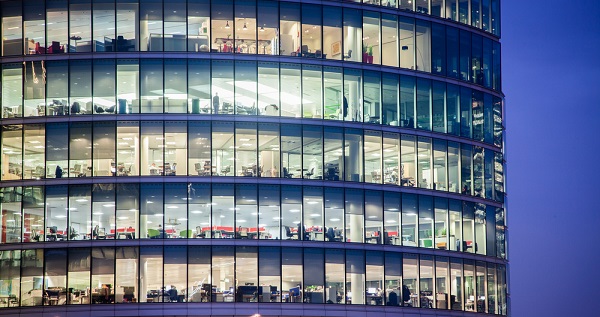
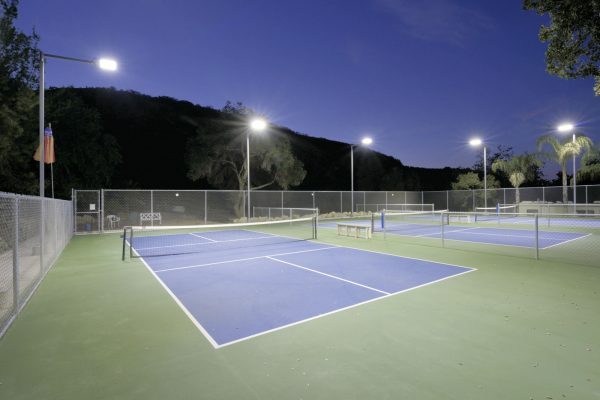
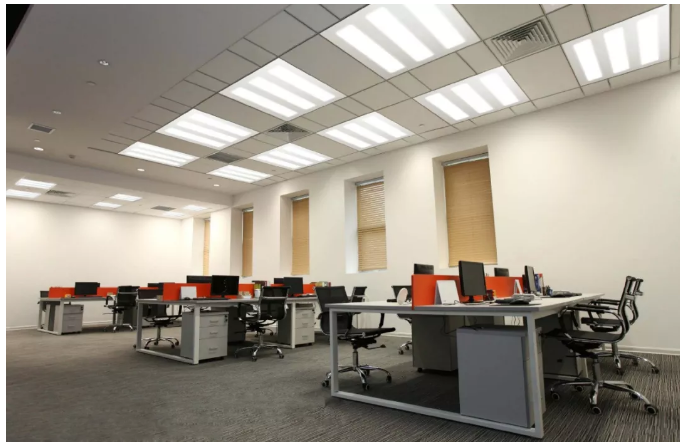



Lighting Knowledge & Resources
Technical white papers, case studies, and articles focused on LED lighting applications. All content in this section relates specifically to lighting design, installation, and engineering — not LED component-level documentation.
White Papers
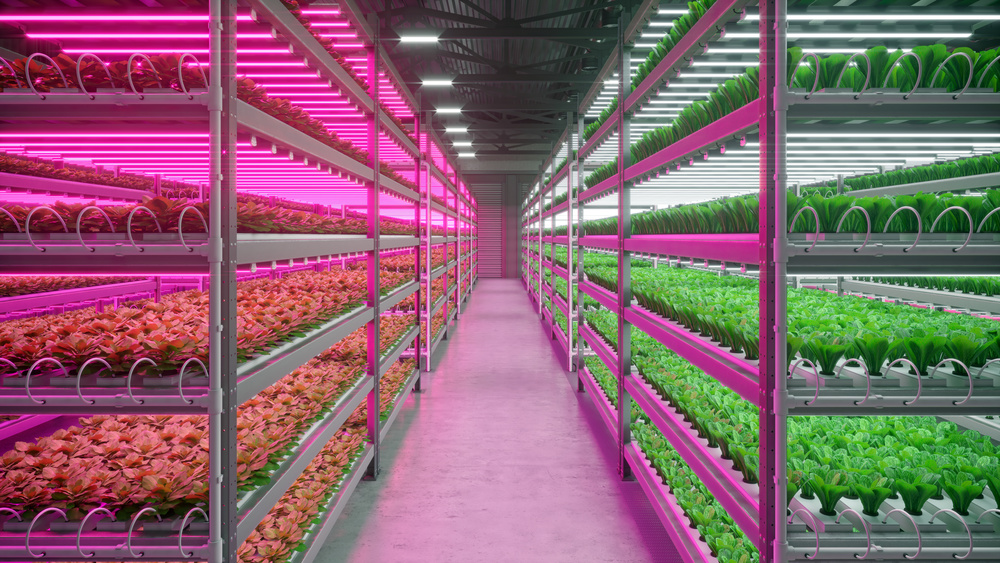
- Agricultural Lighting White Paper — Spectrum design for crop growth, PPFD requirements, and energy optimization
- Lighting White Papers — Industry trends and technical insights for lighting applications
Case Studies
Browse our lighting case studies for real-world application examples including solar street lighting, industrial warehouse lighting, classroom lighting, and more.
Technical Articles
Selected technical articles from our blog, curated for lighting designers and engineers. Topics include LPD compliance, illuminance calculation, and lighting standard interpretation.
Industry Standards
- GB 50034 — Standard for Lighting Design of Buildings
- IES LM-79 — Photometric testing for solid-state lighting
- EN 12464 — Light and lighting in workplaces
- ASHRAE 90.1 — Energy code lighting power density limits
Lighting Engineering Fundamentals
Photometric Quantities
Three quantities drive every lighting decision: luminous flux (lm, total light emitted), illuminance (lx, lm per square meter landing on a surface), and luminous intensity (cd, flux per solid angle). Fixture datasheets add luminous efficacy (lm/W) and an IES photometric file (LM-79) that describes the full 3D light distribution for simulation in DIALux, AGi32, or Relux. When comparing fixtures, always compare illuminance at the work plane — not raw lumens — because optical efficiency varies by 20–30% between designs.
Color Quality: CCT, CRI, and TM-30
Correlated color temperature (CCT) describes warmth (2700–3500 K) or coolness (5000–6500 K) of white light. CRI (Ra) measures how faithfully a source renders eight reference colors; offices commonly require Ra ≥ 80 and retail/medical areas Ra ≥ 90. Because Ra under-weights saturated red, check R9 separately — values above 50 are needed for food and skin rendering. The newer IES TM-30 method reports Rf (fidelity, 0–100) and Rg (gamut, saturation index), giving a fuller picture for color-critical projects.
Glare and Visual Comfort
Discomfort glare in interior lighting is quantified by the Unified Glare Rating (UGR); EN 12464-1 requires UGR < 19 for offices, < 16 for fine assembly work, and < 22 for circulation zones. Practical glare control comes from recessed or micro-prismatic optics, cut-off angles below 45°, and matching luminaire luminance to room reflectances. For outdoor sports and area lighting, use GR limits instead and control obtrusive light with full-cutoff fixtures to reduce sky glow and neighbor complaints.
Energy Codes and LPD
Lighting power density (LPD, W/m²) limits come from ASHRAE 90.1, California Title 24, and regional codes, with typical office allowances of 8–10 W/m² falling every code cycle. To comply, combine high-efficacy luminaires (≥ 130 lm/W delivered), occupancy and daylight sensors, and zoned dimming. Our LPD standards guide compares LED allowances with legacy HID and fluorescent baselines.
The Lighting Design Workflow
- Define task illuminance and uniformity targets from EN 12464-1 or your local standard
- Select CCT and CRI for the application (offices: 4000 K / Ra80; premium retail: 3000–4000 K / Ra90+)
- Model the space with manufacturer IES files; verify average illuminance, uniformity (U0), UGR, and LPD
- Plan controls (daylight harvesting, occupancy, task tuning) during layout — not after
- Validate on site with a lux meter audit against the design targets
For worked examples, see our lighting case studies and the agricultural lighting white paper covering PPFD-based design for plant growth.