
 English
 Afrikaans
 Albanian
 Amharic
 Arabic
 Armenian
 Azerbaijani
 Basque
 Belarusian
 Bengali
 Bosnian
 Bulgarian
 Catalan
 Cebuano
 Chichewa
 Corsican
 Croatian
 Czech
Czech Danish
 Dutch
Dutch Esperanto
 Estonian
 Filipino
 Finnish
 French
 Frisian
 Galician
 Georgian
 German
 Greek
Greek Gujarati
 Haitian Creole
 Hausa
Hausa Hawaiian
 Hebrew
 Hindi
Hindi Hmong
Hmong Hungarian
 Icelandic
 Igbo
Igbo Indonesian
 Irish
Irish Italian
 Japanese
 Javanese
 Kannada
 Kazakh
 Khmer
Khmer Korean
 Kurdish (Kurmanji)
 Kyrgyz
 Lao
Lao Latin
Latin Latvian
 Lithuanian
 Luxembourgish
 Macedonian
 Malagasy
 Malay
Malay Malayalam
 Maltese
 Maori
Maori Marathi
 Mongolian
 Myanmar (Burmese)
 Nepali
 Norwegian
 Pashto
 Persian
 Polish
 Portuguese
 Punjabi
 Romanian
 Russian
 Samoan
 Scottish Gaelic
 Serbian
 Sesotho
 Shona
Shona Sindhi
 Sinhala
 Slovak
 Slovenian
 Somali
 Spanish
 Sudanese
 Swahili
 Swedish
 Tajik
Tajik Tamil
Tamil Telugu
 Thai
Thai Turkish
 Ukrainian
 Urdu
Urdu Uzbek
Uzbek Vietnamese
 Welsh
Welsh Xhosa
Xhosa Yiddish
 Yoruba
 Zulu
Zulu






Symptom-First Diagnosis: The Field Matrix
Most lighting complaints arrive as a symptom, not a diagnosis. This matrix routes the eight most common symptoms to their probable causes and the safe first response — before any enclosure is opened:
| Symptom | Probable Causes (in order of frequency) | First Response | Escalate If |
|---|---|---|---|
| Entire fixture dead | Driver failure; upstream breaker or fuse; wiring termination | Check supply at the driver input; measure driver output against its rating | Driver input present, output absent — replace driver |
| Group of fixtures dead | Circuit breaker; control relay; junction-box termination | Trace the group to its breaker and control contact | Breaker healthy but group dark — investigate the control circuit |
| Flicker / visible pulsing | Driver ripple; dimmer incompatibility; loose neutral | Swap the dimmer for a compatible model; torque-check terminations | Persists on a non-dimmed circuit — driver replacement |
| Camera-visible banding | PWM frequency below camera shutter | Verify driver PWM spec; specify ≥ 25 kHz for camera spaces | Always — replacement driver with higher PWM is the fix |
| Early lumen loss | Junction overtemperature; dirt accumulation; wrong MF assumption | Clean optics; measure case temperature against the spec’s derating curve | Tc within spec but output still down — photometric re-test |
| Color shift / yellowing | Phosphor thermal aging; mixed-CCT install; encapsulant yellowing | Verify installed CCTs match the order; check for heat-trapped enclosures | Single-lot shift at normal temperature — warranty claim with photos |
| Nuisance breaker trips | Insulation breakdown from water ingress; surge-damaged driver | Megger the fixture wiring; inspect glands and seals for water paths | Insulation resistance below 1 MΩ — fixture out of service |
| Sensor / emergency fault | PIR lens contamination; battery end-of-life; commissioning error | Clean the lens; load-test the emergency battery; re-run the hold-up test | Battery below rated capacity — scheduled replacement |
Driver and Power Supply Diagnosis
The driver is the most failure-prone component in an LED luminaire — electrolytic capacitors and surge exposure see to that. A disciplined check takes ten minutes with a multimeter:
- Input: confirm nameplate voltage at the driver terminals under load, not at the panel — voltage drop on long runs masquerades as driver failure
- Output: measure against the driver’s rated output range; constant-current drivers must be measured in series, constant-voltage in parallel with the string
- Ripple: visible flicker usually means ripple above ~15% on the DC side; a scope confirms, but a phone-camera slow-motion test is a serviceable field screen
- Thermal: a driver too hot to touch at 25°C ambient is operating above its design envelope — check for enclosed-space derating violations
Surge damage deserves special attention in lightning-prone and grid-rough regions: a single 10 kV event can degrade surge protection components while the luminaire keeps working — then the next storm kills a whole row at once. Pole-mounted and exterior fixtures should be specified with 10 kV-rated protection from day one, as documented in the municipal solar street light case.
Lumen Depreciation: Cleaning, Thermal, or Genuine Aging
When a space “got darker,” three mechanisms share the blame and they separate cleanly:
- Dirt (LDD): recoverable. In industrial spaces, optic cleaning alone typically restores 10–20% of lost output; schedule it with the relamping calendar
- Thermal aging (LLD): permanent but premature when present. Measure Tc under load — if it exceeds the L90 test temperature, the installation (enclosure, mounting, spacing), not the luminaire, is the root cause. Design-side fixes are detailed in the thermal management guide
- Genuine wear-out: predictable from the L90 curve. If output tracks the published depreciation curve at the measured temperature, the fixture is behaving exactly as specified — the maintenance plan, not the hardware, needs adjustment
Water Ingress and Corrosion
IP ratings are earned with intact seals, and seals age. The classic failure sequence in outdoor and washdown fixtures: gland weeping → condensation cycling → solder-joint corrosion → leakage current → nuisance trips. Inspection points in order: cable glands (torque and orientation — drip loops matter), lens gaskets (compression set), and drain paths (blocked drains hold water that the fixture was designed to shed). Cold-storage fixtures add a condensation cycle on every defrost; the freeze-room case study documents the sealing and drain-path details that survive it.
Controls, Sensors, and Emergency Functions
- PIR occupancy sensors: false triggers trace to HVAC drafts and heat sources in the cone; missed detections to lens contamination or mounting height beyond the sensor’s rated pattern
- Photocells: cycling at dusk usually means a reflective surface inside the cell’s view; shield or re-aim before replacing
- Emergency packs: the battery, not the electronics, ends life first; annual hold-up tests catch capacity loss before the inspection does — deployment patterns are covered in the emergency sensor lighting case
- Dimming systems: 0-10V vs DALI vs TRIAC behaviors differ at the low end; flicker below 10% output is a compatibility finding, not a fixture fault — verify the driver’s listed dimmer compatibility before specifying
When the Problem Is the LED Itself
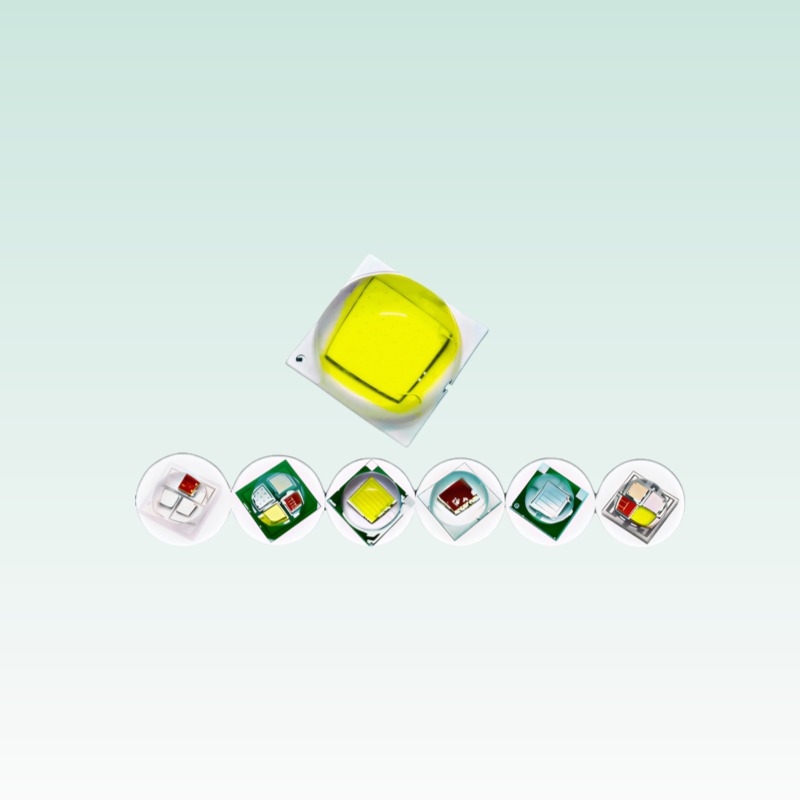
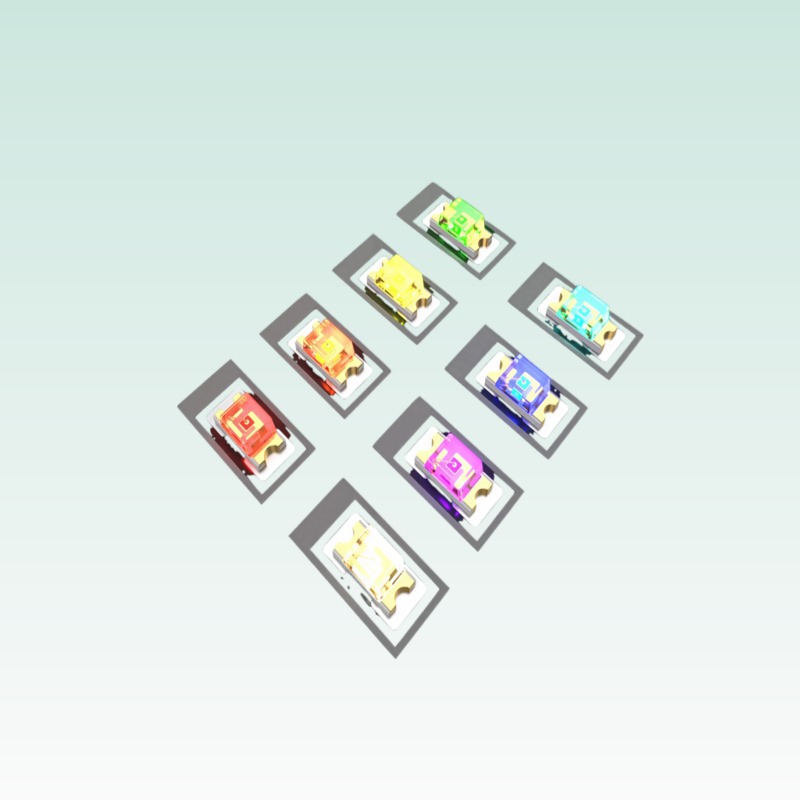
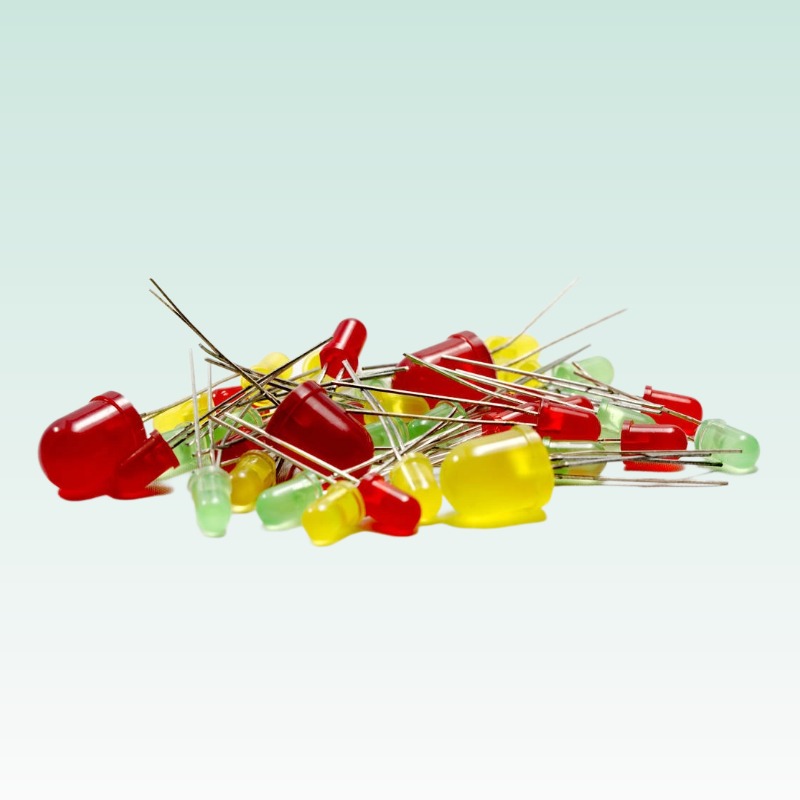
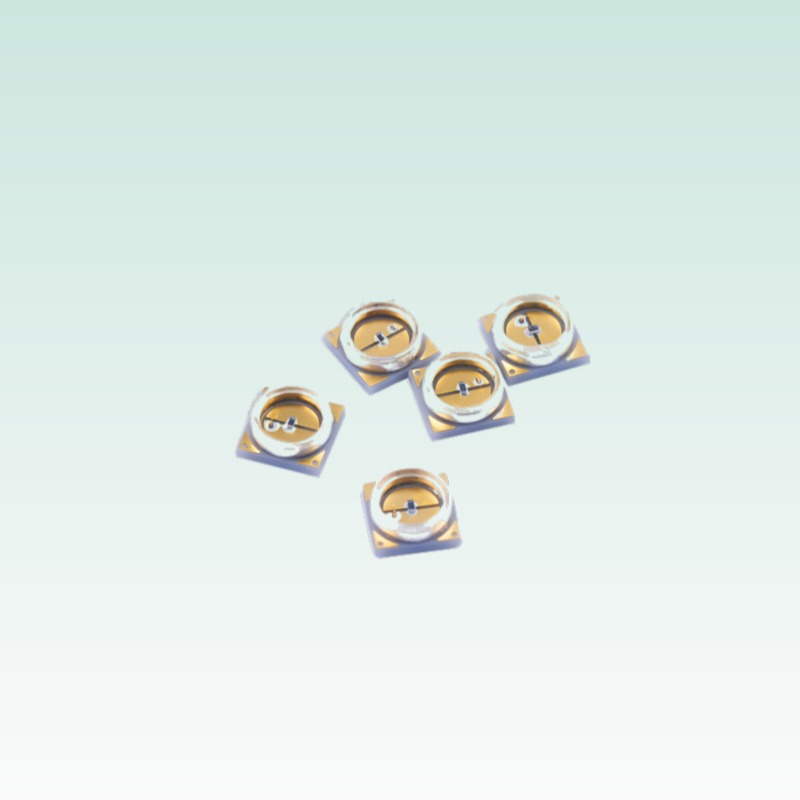
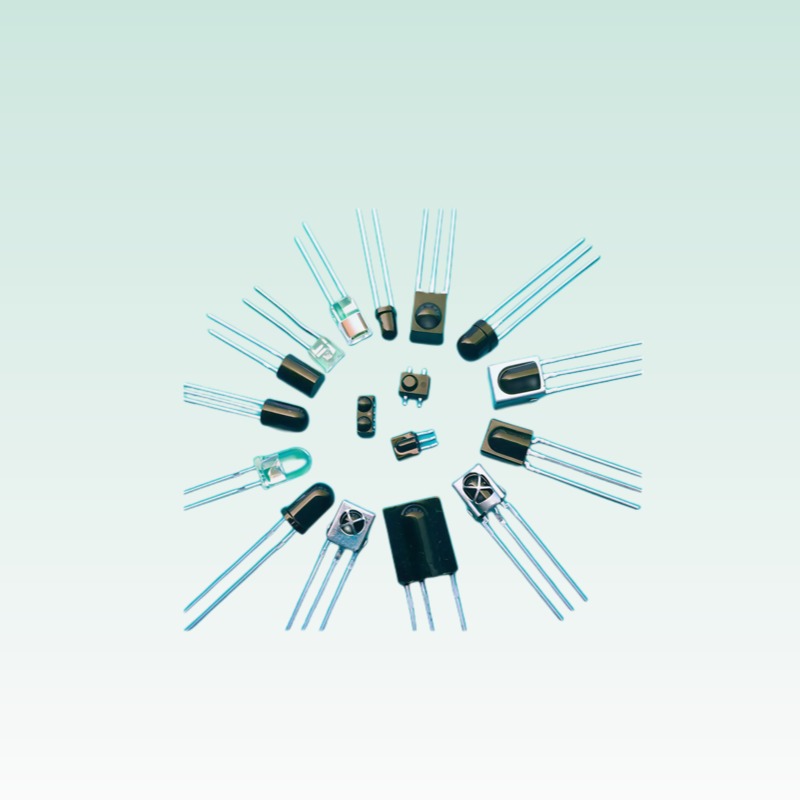
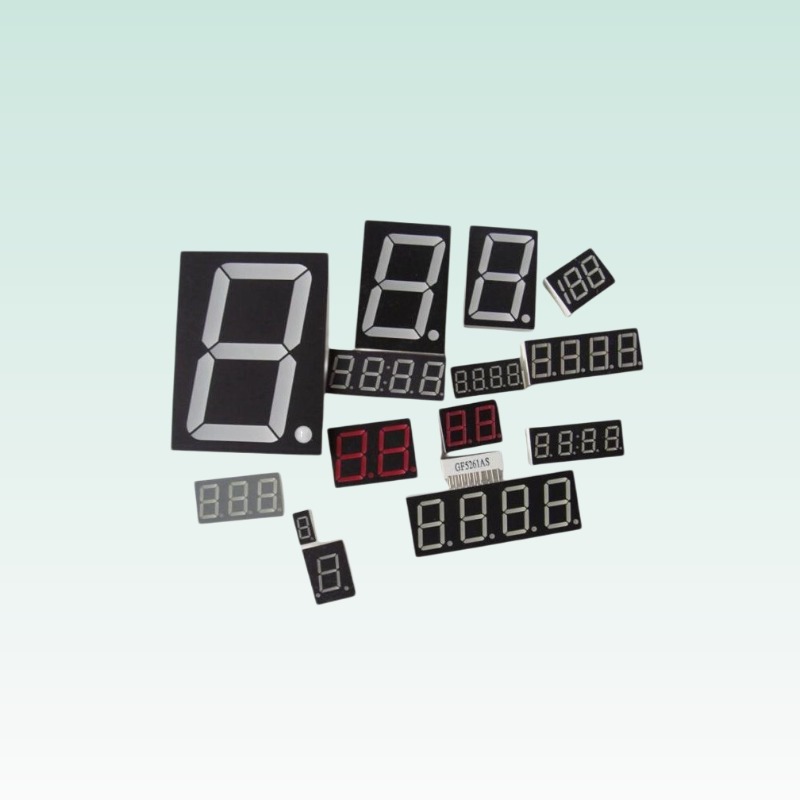
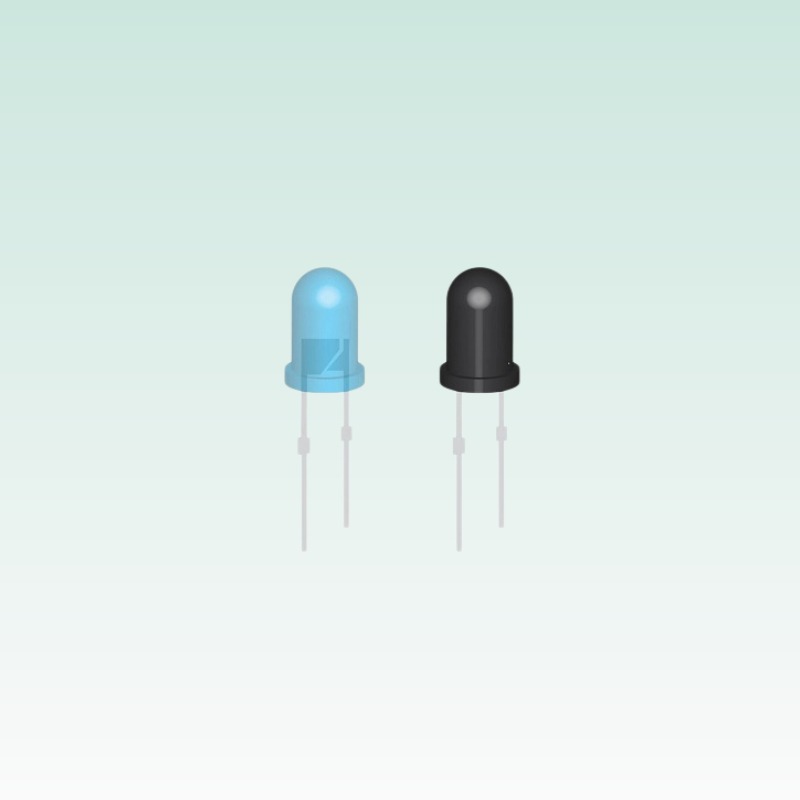
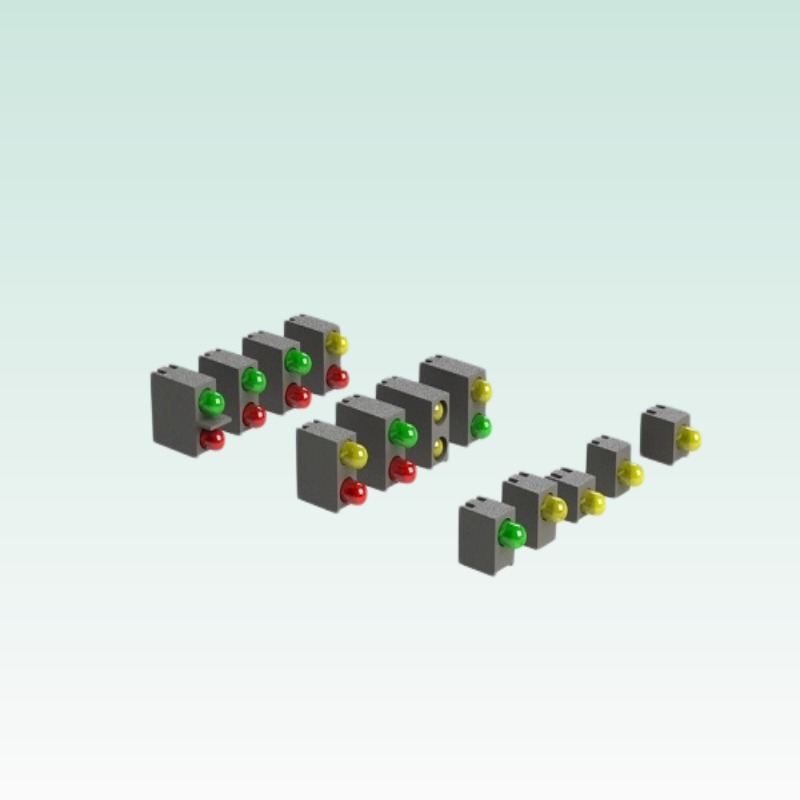
When a luminaire-level check clears the driver, wiring, and optics, and the symptom tracks a single LED package — a dark emitter, a color-shifted die, output loss on one lot — the investigation moves to component-level failure analysis. The die-level methods, evidence handling, and 8D process are documented on the LED failure analysis hub, with package-specific guides for SMD, DIP, infrared, high-power, and display parts.
Frequently Asked Questions
One fixture in a row of identical ones flickers — why not the driver?
It often is, but check the branch first: a loose neutral on one drop affects only its fixture while the shared-phase fixtures stay clean. Torque the terminations before ordering parts.
How much lumen loss is normal, and when?
A quality industrial luminaire holds L90 (90% of initial output) at 50,000 hours when case temperature stays within spec. Losing 15% in two years is not normal — measure Tc and review the enclosure ventilation.
Can I mix replacement fixtures from another manufacturer mid-row?
You can, and the row will work — but CCT and optic-mismatch banding will be visible. For visible rows, replace in pairs from the row ends, or accept a documented color break.
What should a service report include for a warranty claim?
Photos of the installation and the fault, measured Tc and ambient, driver input/output readings, lot and date codes from the fixture label, and the failure timeline. Complete reports resolve in days; a fixture in a box with no context takes weeks.