
 English
 Afrikaans
 Albanian
 Amharic
 Arabic
 Armenian
 Azerbaijani
 Basque
 Belarusian
 Bengali
 Bosnian
 Bulgarian
 Catalan
 Cebuano
 Chichewa
 Corsican
 Croatian
 Czech
Czech Danish
 Dutch
Dutch Esperanto
 Estonian
 Filipino
 Finnish
 French
 Frisian
 Galician
 Georgian
 German
 Greek
Greek Gujarati
 Haitian Creole
 Hausa
Hausa Hawaiian
 Hebrew
 Hindi
Hindi Hmong
Hmong Hungarian
 Icelandic
 Igbo
Igbo Indonesian
 Irish
Irish Italian
 Japanese
 Javanese
 Kannada
 Kazakh
 Khmer
Khmer Korean
 Kurdish (Kurmanji)
 Kyrgyz
 Lao
Lao Latin
Latin Latvian
 Lithuanian
 Luxembourgish
 Macedonian
 Malagasy
 Malay
Malay Malayalam
 Maltese
 Maori
Maori Marathi
 Mongolian
 Myanmar (Burmese)
 Nepali
 Norwegian
 Pashto
 Persian
 Polish
 Portuguese
 Punjabi
 Romanian
 Russian
 Samoan
 Scottish Gaelic
 Serbian
 Sesotho
 Shona
Shona Sindhi
 Sinhala
 Slovak
 Slovenian
 Somali
 Spanish
 Sudanese
 Swahili
 Swedish
 Tajik
Tajik Tamil
Tamil Telugu
 Thai
Thai Turkish
 Ukrainian
 Urdu
Urdu Uzbek
Uzbek Vietnamese
 Welsh
Welsh Xhosa
Xhosa Yiddish
 Yoruba
 Zulu
Zulu
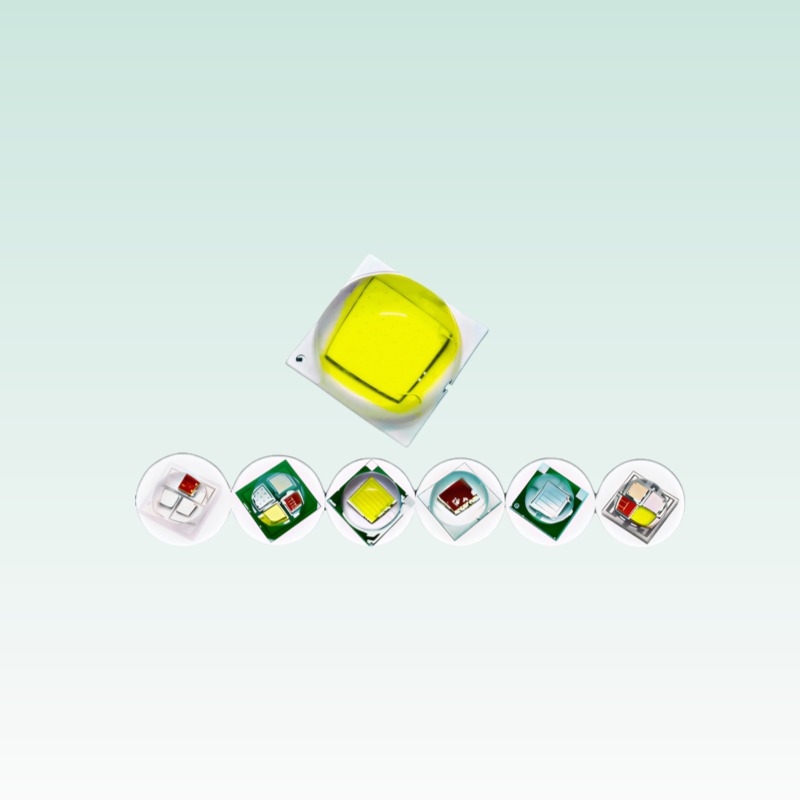

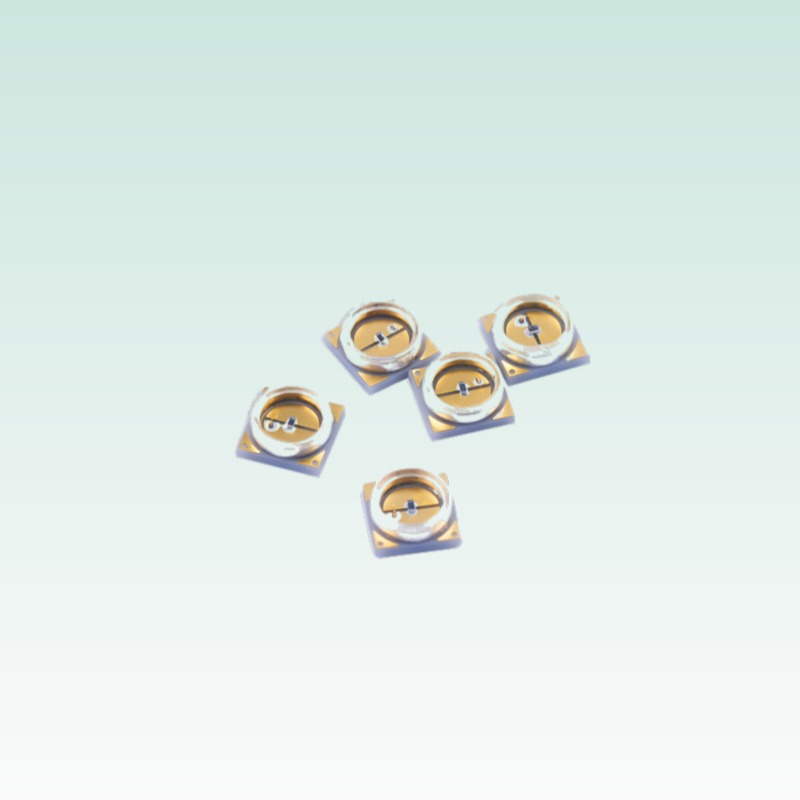
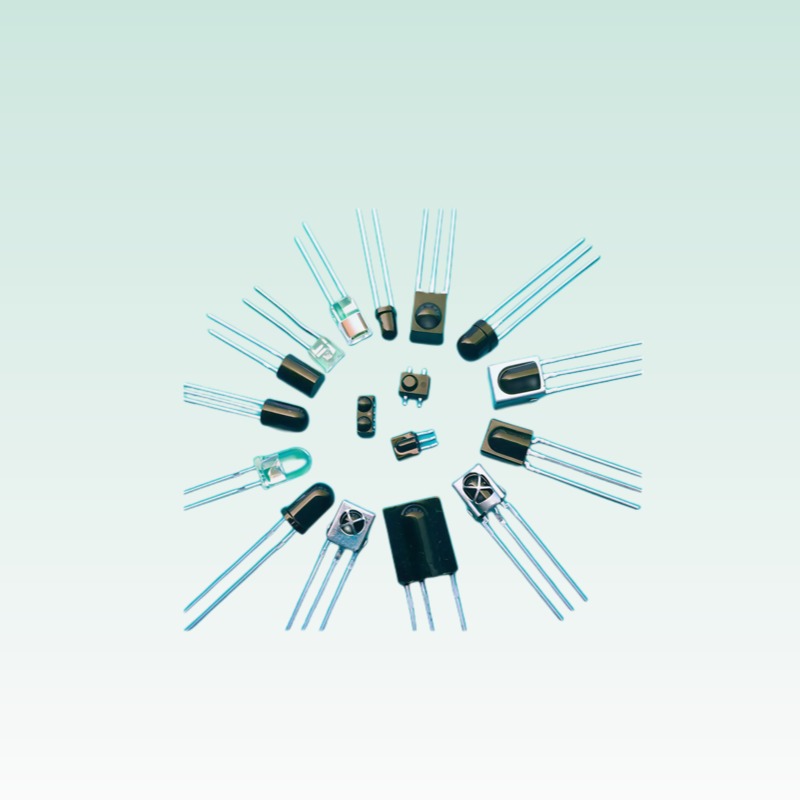






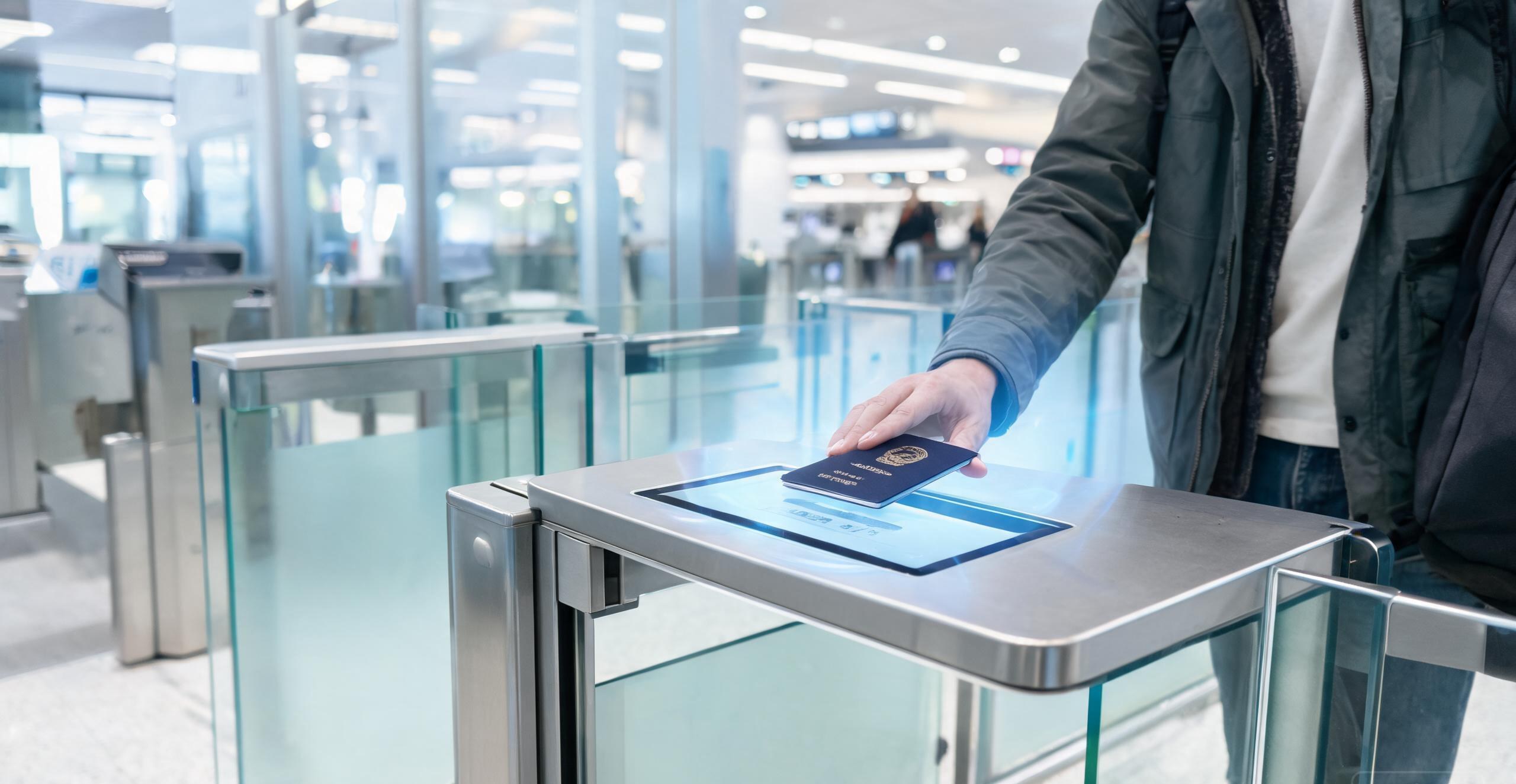
Modern travel documents are engineered to be read by machines — but only under the right light. This project shows how 850nm infrared LED arrays raised first-pass passport reading at automated border gates to 99.7%, while adding invisible anti-spoofing illumination for face capture.
Application Background
An airport operator expanding its automated border control program found that gate throughput was capped not by matching algorithms but by the document scan itself. Under the gates’ original white LED lighting:
- Glossy polycarbonate data pages threw specular hot spots that occluded the machine-readable zone (MRZ), forcing retry loops
- Visible lighting produced pupil artifacts in face capture and caused discomfort for travelers moving through the enclosed gate corridor
- Printed or screen-based document spoofing was difficult to detect without a second, invisible illumination channel
- Failed first-pass reads routed travelers to staffed counters — at 8.3% of traffic during peak hours, the queue erased the gates’ business case
Engineering Challenge
Passport readability is fundamentally a wavelength problem. Document inks and substrates interact with infrared very differently than with visible light:
- At 850nm, the MRZ ink stays dark while the substrate brightens — contrast improves exactly where OCR needs it, and specular glare from the glossy laminate drops sharply
- Silicon camera sensors hold their best quantum efficiency at 850nm, so the 850nm/940nm trade favors 850: 940nm eliminates the faint red glow but costs sensor response, weakening the link budget at the same drive current
- Wavelength binning of ±5nm was required across all gates so OCR thresholds stay identical gate-to-gate — an un-binned mix shifts contrast unpredictably
- The face-capture channel needed pulsed IR synchronized to camera frames, doubling as a spoofing check: printed photos and screens respond differently to IR than live skin
Solution & Key Components
Queendom supplied binned 850nm illumination arrays for the document scan window and the face-capture channel:
| Parameter | Value | Design Note |
|---|---|---|
| Peak wavelength | 850 nm, ±5 nm binned | Uniform OCR contrast across all gates |
| Illumination uniformity | > 85% across 300 mm window | Flood optics, mixed wide/narrow emitters |
| Drive mode | Frame-synchronized pulsed | Captures only when the camera integrates |
| Visible red tail | Minimal — near-covert to travelers | No glare or pupil artifacts in face channel |
| Duty design | 24/7 rated, 50,000 h (L70) | Withstands continuous gate operation |
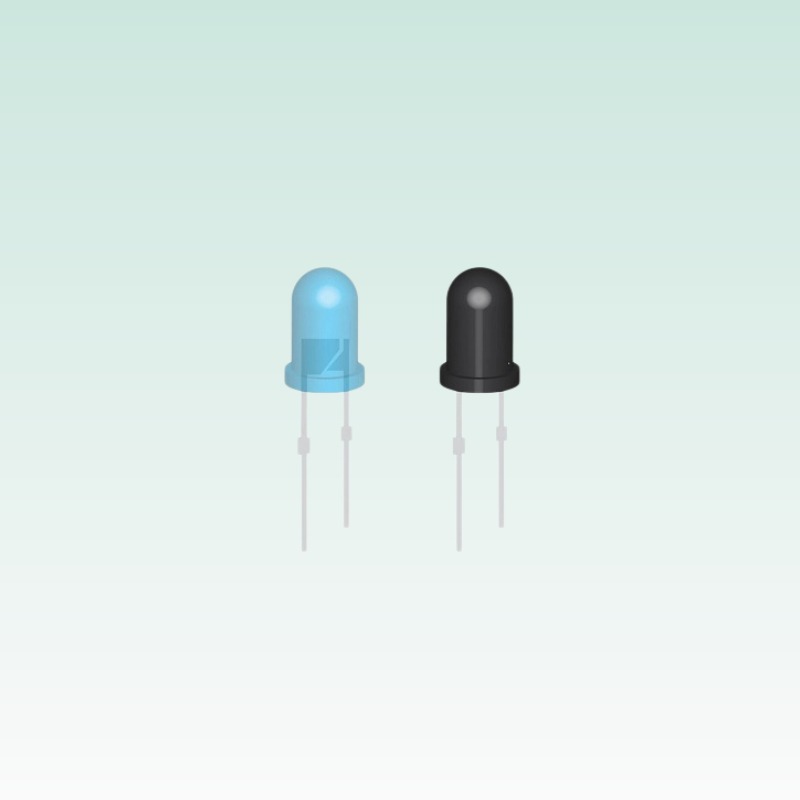
| Platform | High-power IR + compact DIP variants | Scales from kiosks to full-height gates |
Integration notes for gate and kiosk builders: the document channel runs continuously during the scan window, while the face channel fires in sync with each camera frame — the same array doubles as the spoof-detection light source, so no separate IR flash unit is needed.
Results
After the retrofit, retry loops at the document window nearly disappeared, and the synchronized IR face channel began flagging screen-and-print spoofing attempts that had previously passed. The operator extended the illumination design to its self-service bag-drop kiosks.
Recommended Products
Frequently Asked Questions
Why 850nm instead of 940nm for document scanning?
850nm sits where silicon sensors are most sensitive, so the illumination achieves target irradiance at lower drive current — and document inks still show the contrast reversal that OCR needs. 940nm is fully invisible but wastes sensor response; it’s the right choice only when absolute visual concealment outranks link budget.
Does the faint red glow of 850nm bother travelers?
Barely — at the drive levels used in document windows the residual visible tail is a dim deep-red hint, not glare. Where even that is unacceptable, the face-capture channel can move to 940nm because it works at closer range with a stronger return signal.
Why does wavelength binning matter across gates?
OCR thresholds are tuned to a specific contrast signature. If one gate’s array peaks at 845nm and another’s at 860nm, the same passport reads differently — binning to ±5nm keeps every gate’s illumination inside the tuning window, which is why our arrays ship sorted, not mixed-bin.