
 English
 Afrikaans
 Albanian
 Amharic
 Arabic
 Armenian
 Azerbaijani
 Basque
 Belarusian
 Bengali
 Bosnian
 Bulgarian
 Catalan
 Cebuano
 Chichewa
 Corsican
 Croatian
 Czech
Czech Danish
 Dutch
Dutch Esperanto
 Estonian
 Filipino
 Finnish
 French
 Frisian
 Galician
 Georgian
 German
 Greek
Greek Gujarati
 Haitian Creole
 Hausa
Hausa Hawaiian
 Hebrew
 Hindi
Hindi Hmong
Hmong Hungarian
 Icelandic
 Igbo
Igbo Indonesian
 Irish
Irish Italian
 Japanese
 Javanese
 Kannada
 Kazakh
 Khmer
Khmer Korean
 Kurdish (Kurmanji)
 Kyrgyz
 Lao
Lao Latin
Latin Latvian
 Lithuanian
 Luxembourgish
 Macedonian
 Malagasy
 Malay
Malay Malayalam
 Maltese
 Maori
Maori Marathi
 Mongolian
 Myanmar (Burmese)
 Nepali
 Norwegian
 Pashto
 Persian
 Polish
 Portuguese
 Punjabi
 Romanian
 Russian
 Samoan
 Scottish Gaelic
 Serbian
 Sesotho
 Shona
Shona Sindhi
 Sinhala
 Slovak
 Slovenian
 Somali
 Spanish
 Sudanese
 Swahili
 Swedish
 Tajik
Tajik Tamil
Tamil Telugu
 Thai
Thai Turkish
 Ukrainian
 Urdu
Urdu Uzbek
Uzbek Vietnamese
 Welsh
Welsh Xhosa
Xhosa Yiddish
 Yoruba
 Zulu
Zulu
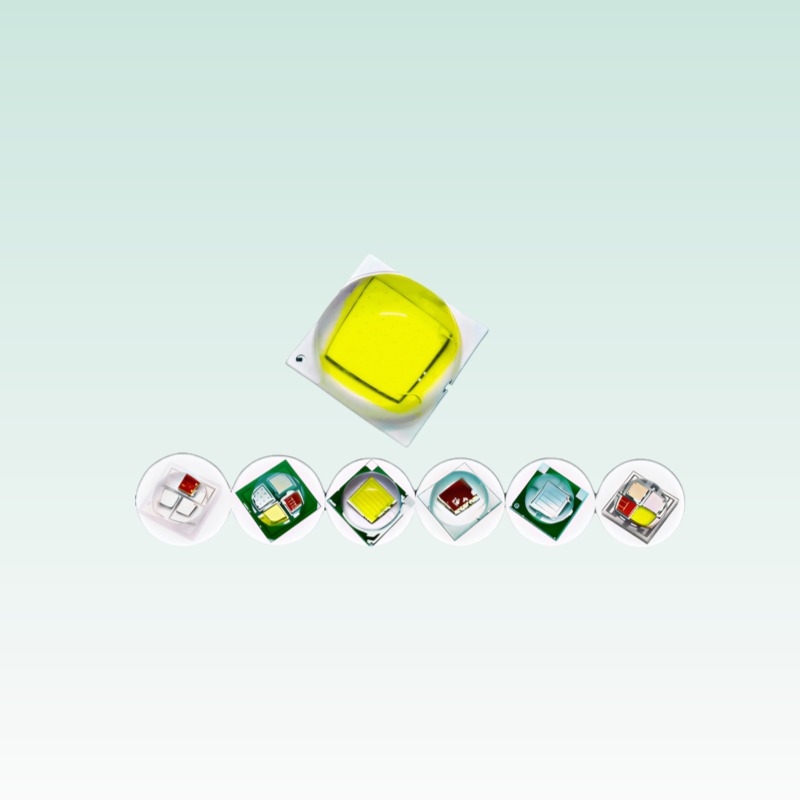

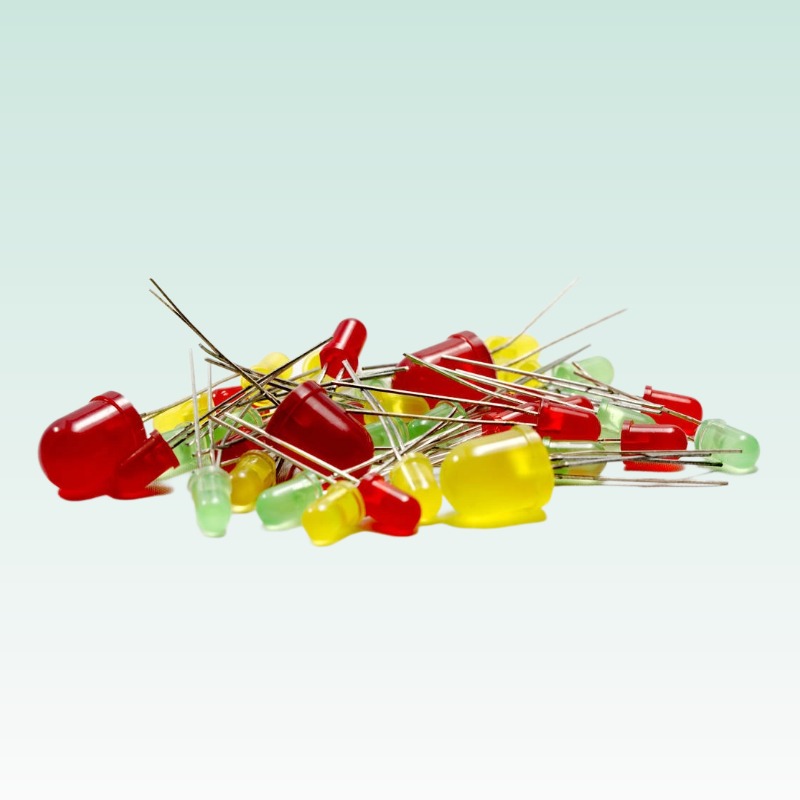
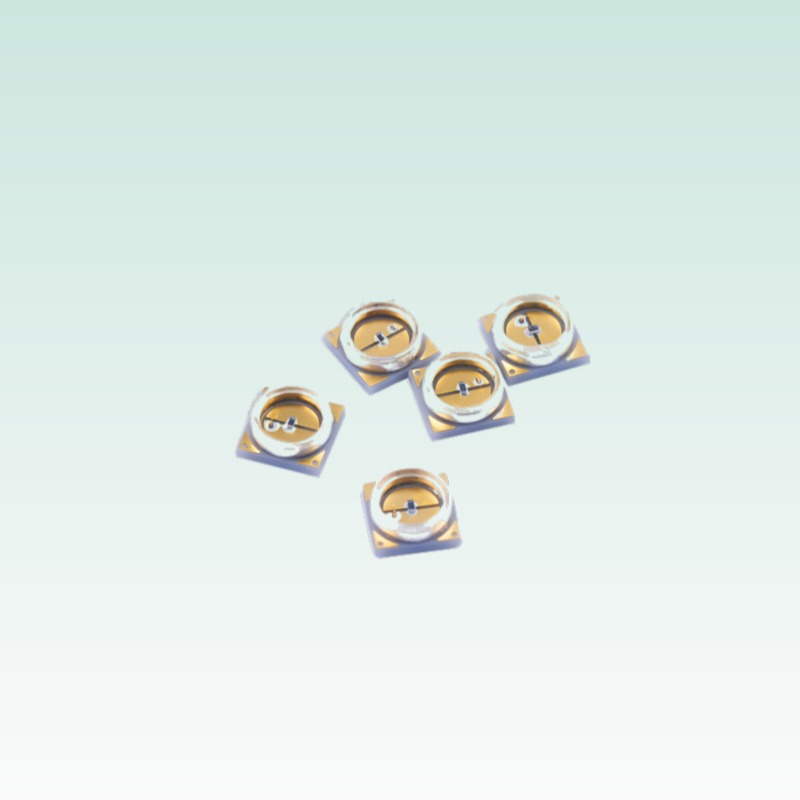
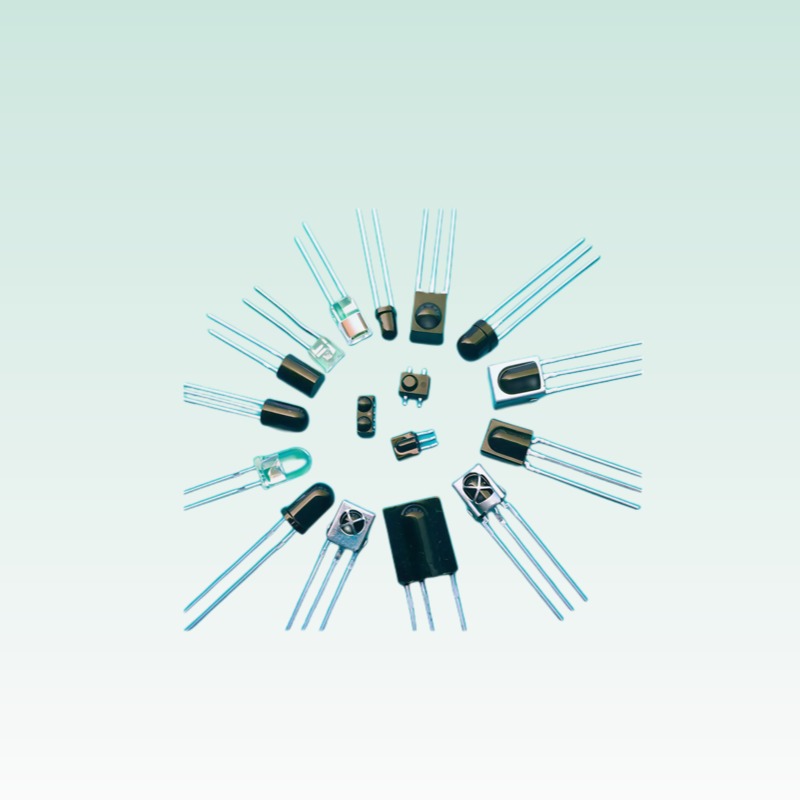








Optical imaging is the process of converting optical information on an object into an image through an optical system. An optical system is composed of multiple optical devices, such as lenses, prisms, reflectors, etc., the most basic of which is a lens. The imaging principle of LED Optical Systems is based on the basic laws of light propagation, refraction, and reflection, and the imaging of objects is achieved through the combination of lenses and optical devices.

The imaging principle of LED Optical Systems can be divided into two situations: convex lens imaging principle and concave lens imaging principle.
The principle of concave convex lens imaging
The principle of convex lens imaging mainly involves the direction of the image. When the object is located on the left side of the lens focus, the image formed by the refraction of light through the lens is located on the right side of the lens; When the object is located on the right side of the lens focus, the image formed by the refraction of light through the lens is located on the left side of the lens. If the object is located at the focal point of the lens, the light rays after imaging will be parallel and there will be no deviation in the light path.
The principle of concave lens imaging is also similar. However, due to the spherical aberration of concave lenses, they are rarely used in practical applications.
Propagation of light path
The basis of imaging principle is the propagation of incident light along a traceable optical path. The factors that affect the optical path in LED Optical Systems include the refractive index of imaging optical devices, the possible scattering of light when passing through optical devices, and so on. We can predict the propagation and imaging of light in optical devices through classical geometrical optics or radiation metrology.
The imaging principle of LED Optical Systems is based on the basic laws of light propagation, refraction, and reflection, and the combination of optical devices such as lenses is used to achieve the imaging of objects. Understanding and mastering the imaging principles of LED Optical Systems is of great significance for the design and application of LED Optical Systems.
LED Optical Imaging Principles
LED optical systems convert electrical signals into precisely controlled light patterns through high-performance LED chips, lenses, and reflectors. Our engineering team designs custom optical solutions for industrial inspection and medical imaging applications.
Lens & Reflector Design
We provide LED components with customized secondary optics including TIR lenses, reflector cups, and diffusers. These optical elements control beam angles from 8° spot to 120° flood for precise illumination patterns.
Industrial & Medical Applications
Our LED optical systems power machine vision cameras, medical endoscopes, and fluorescence microscopes. The UV LED modules and IR emitters support specialized imaging requirements.
Optical System Products
Browse our LED chip catalog featuring optical-grade components. From SMD LEDs with integrated lenses to high-power arrays, we support your optical system design needs.
Reflector Design Principles
Parabolic and elliptical reflector geometries for collimated LED beams.
Lens Array Configurations
Secondary optics including TIR lenses and microlens arrays.
Beam Angle Control
Adjustable LED optical systems with 15° to 120° beam angles.