





The problem as it presented itself
The customer arrived with a working prototype and a production problem: the LEDs that passed the bench test were not the ones that survived the line. Nothing in the data was out of spec — the failures were spread across batches rather than concentrated in one lot, which ruled out a supplier problem and pointed at the process instead.
Three measurements separated the causes. First, forward voltage at a fixed low current across a sample of each batch, which showed whether the die set was consistent. Second, case temperature under the real drive condition, which showed whether the thermal path matched the assumption in the design. Third, the reflow profile logged on the line, which showed whether the assembly process stayed inside the qualified window.
The first two came back clean. The profile log showed the peak temperature sitting close enough to the limit that normal line-to-line variation pushed parts past it. This is the most common way a qualified component becomes an unqualified assembly, and it is invisible on the datasheet.
- Measure the process, not just the part. A component that meets its specification can still be assembled outside its qualification.
- Log the profile, do not assume it. Reflow profiles drift as boards and fixtures change.
- Look at failure distribution first. Failures spread across batches point at the process; failures concentrated in one batch point at the supply.
Once the profile was corrected and re-qualified, the field return rate dropped to the level the component datasheet predicts. The component never changed — only the process around it.
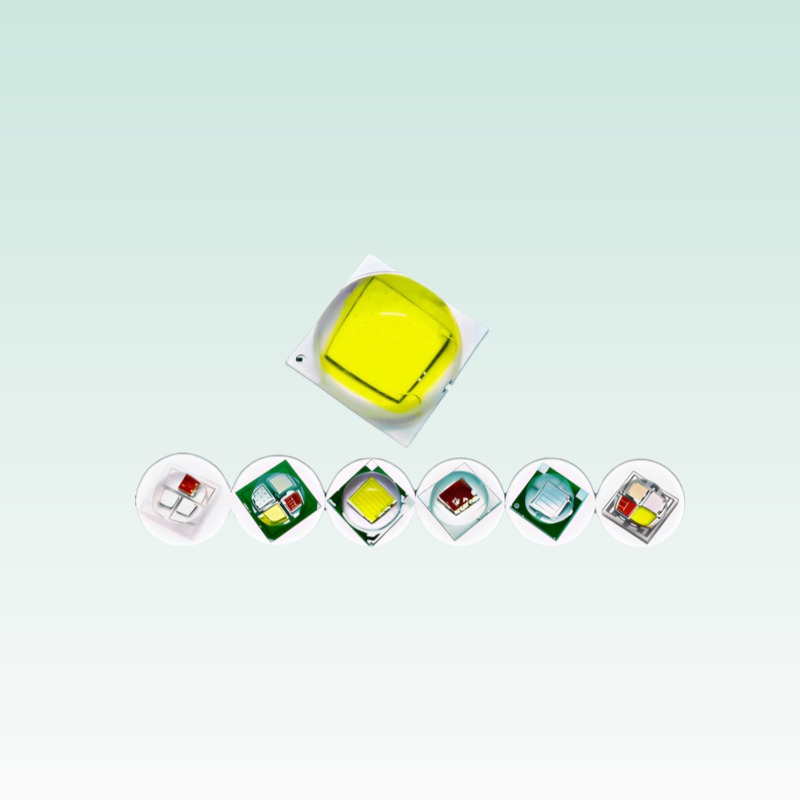
High power LED is a type of LED that can generate higher lumen luminous flux than regular LEDs. This makes it more commonly used in lighting devices with high brightness requirements. So, where are High Power LEDs typically used?
Home lighting
In home lighting, High Power LEDs can be applied to interior and exterior decorative lamps such as chandeliers, spotlights, and floor lamps. These lighting fixtures need to generate colorful and bright light to achieve good visual effects and a comfortable atmosphere. The use of High Power LEDs can better achieve these effects and have higher light wave efficiency and lifespan.
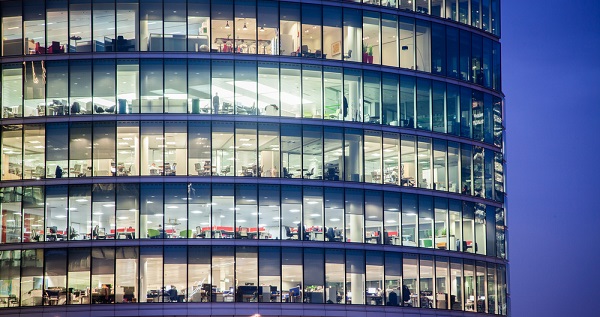
Indoor and outdoor commercial lighting
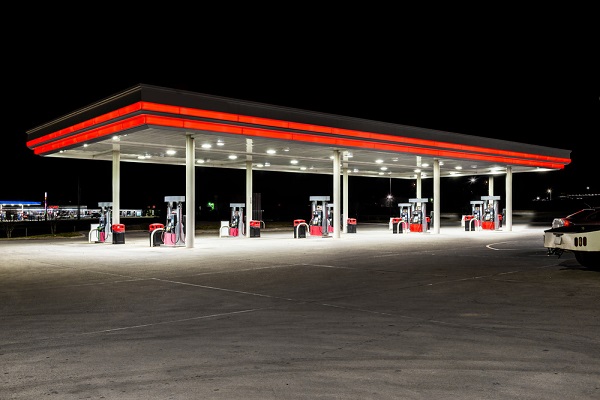
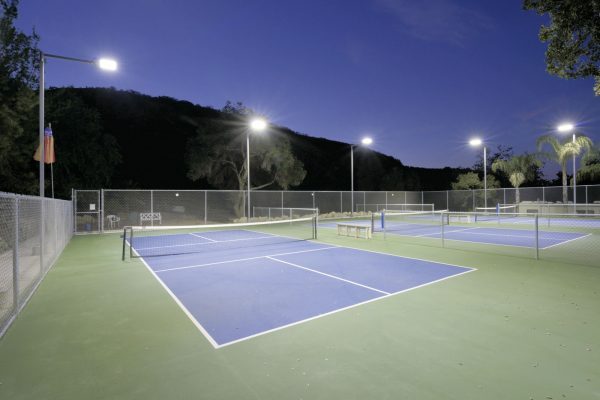
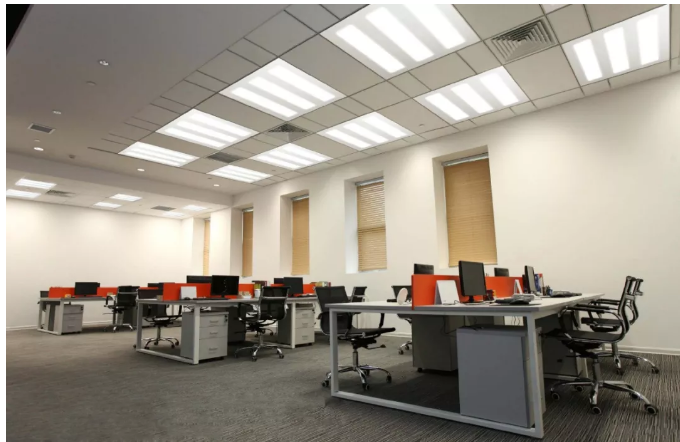
High Power LEDs are gradually being used in various indoor and outdoor commercial lighting applications. Many shopping malls and public places use this type of lighting fixture to enhance the brightness and effectiveness of the space, in order to strengthen the brand image. In indoor lighting, high power LEDs can also be used for lighting on display shelves, product guide lights, billboards, landscapes, and more.
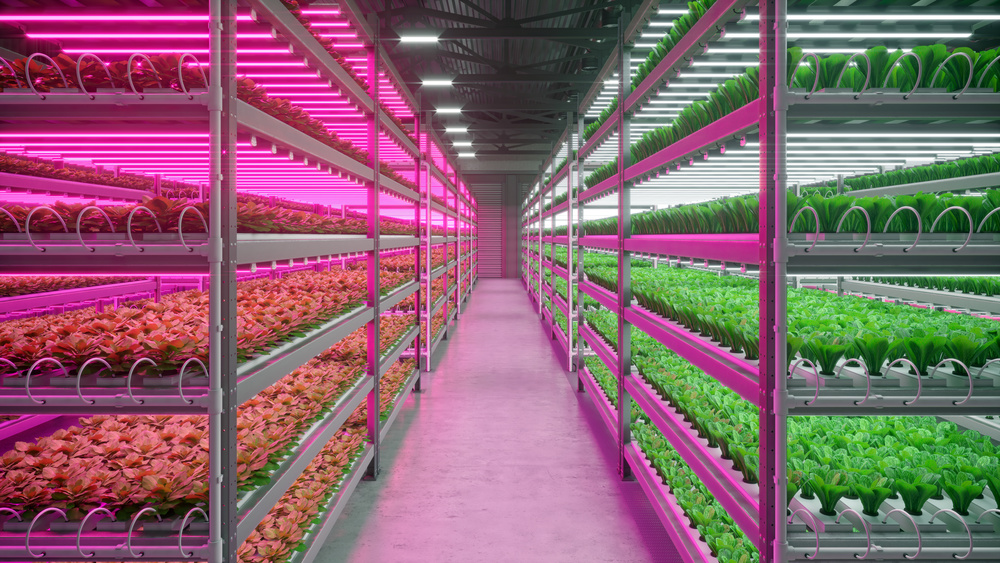
Plant cultivation lighting
With the advancement of technology, plant cultivation also requires lighting. Compared to traditional problems such as long natural light consumption and unstable effects, High Power LEDs can be applied to efficient plant cultivation. By selecting appropriate wavelengths and chromatography, plant growth can be stimulated and crop growth can be promoted. These High Power LEDs also have characteristics such as power saving, energy saving, and environmental protection.
In summary, High Power LEDs are suitable for various applications, which can improve efficiency, reduce energy loss, and better meet market demand. For efficient lighting and innovative fields, High Power LEDs have broad prospects and great application potential.
High Power LED Applications
Our high-power LEDs generate 1-10W per chip with luminous efficacy exceeding 150 lm/W. These high-brightness chips illuminate sports stadiums, industrial facilities, and commercial spaces with superior color quality.
Lumen Output & Efficiency
Compared to conventional LEDs, our high-power chips deliver 10x the luminous flux while maintaining color consistency. The 3535 ceramic package and 5050 ceramic LEDs offer excellent thermal conductivity for sustained high output.
Thermal Management Solutions
Effective heat dissipation is critical for high-power LED performance. Our LED components feature ceramic substrates and optimized thermal pads that maintain junction temperatures below 85°C at full power.
Industrial Lighting Products
Explore our high-bay LED lights, flood lights, and tunnel lights powered by high-power LED chips. These industrial lighting solutions deliver 50,000+ hours of reliable operation.
Thermal Interface Materials
Thermal pads, grease, and phase-change materials for LED junction temperature.
Driver Circuit Design
Constant current LED drivers with PWM dimming and surge protection.
Custom Module Assembly
Bare die LED bonding, COB packaging, and module-level testing.
Part of ← LEDs Case Studies
Related pages
- Infrared LEDs for Perimeter CCTV Illumination
- Narrowband UVB LEDs for Phototherapy Equipment
- Ceramic 3535 LEDs for Automotive Signaling
- SWIR LEDs for Semiconductor Wafer Inspection
- SWIR LEDs for Plastic Recycling Sorting
- UVC LED Water Treatment & Disinfection
…and 20 more in LEDs Case Studies.