




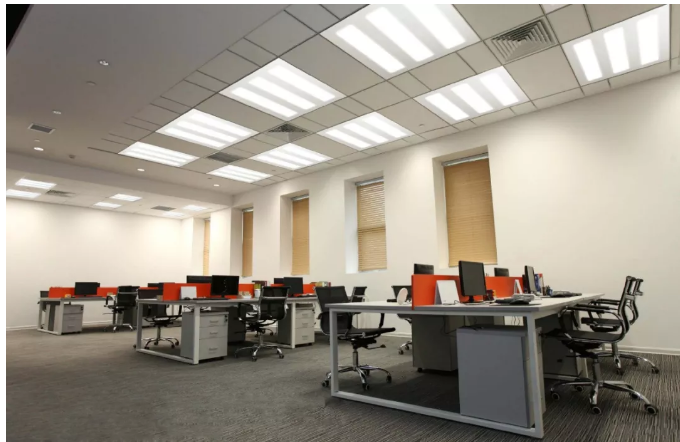





The problem as it presented itself
The customer arrived with a working prototype and a production problem: the LEDs that passed the bench test were not the ones that survived the line. Nothing in the data was out of spec — the failures were spread across batches rather than concentrated in one lot, which ruled out a supplier problem and pointed at the process instead.
Three measurements separated the causes. First, forward voltage at a fixed low current across a sample of each batch, which showed whether the die set was consistent. Second, case temperature under the real drive condition, which showed whether the thermal path matched the assumption in the design. Third, the reflow profile logged on the line, which showed whether the assembly process stayed inside the qualified window.
The first two came back clean. The profile log showed the peak temperature sitting close enough to the limit that normal line-to-line variation pushed parts past it. This is the most common way a qualified component becomes an unqualified assembly, and it is invisible on the datasheet.
- Measure the process, not just the part. A component that meets its specification can still be assembled outside its qualification.
- Log the profile, do not assume it. Reflow profiles drift as boards and fixtures change.
- Look at failure distribution first. Failures spread across batches point at the process; failures concentrated in one batch point at the supply.
Once the profile was corrected and re-qualified, the field return rate dropped to the level the component datasheet predicts. The component never changed — only the process around it.
A residential lighting brand needed LED chips for a new line of smart ceiling lights. The fixtures required high CRI (Ra90+), flicker-free dimming (0.1-100%), and color tunability (2,700K-6,500K) for home automation integration. Existing LEDs suffered from visible flicker on camera and poor dimming performance below 5%.
Queendom Solution
Queendom provided SMD 2835-HC high-CRI chips with Ra90 min, 200+ lm/W efficacy, and flicker-free 0.1% dimming via constant-current driver. The chips achieved <1% flicker index at 100Hz PWM, compatible with major smart home platforms (Alexa, Google Home, Apple HomeKit).
Key Advantages:
- SMD 2835-HC: Ra90 min, 200+ lm/W
- Flicker-free: <1% flicker index at 100Hz PWM
- Dimming: 0.1-100% constant-current
- Tunable CCT: 2,700K-6,500K (warm to cool white)
- Smart home: Alexa, Google Home, Apple HomeKit compatible
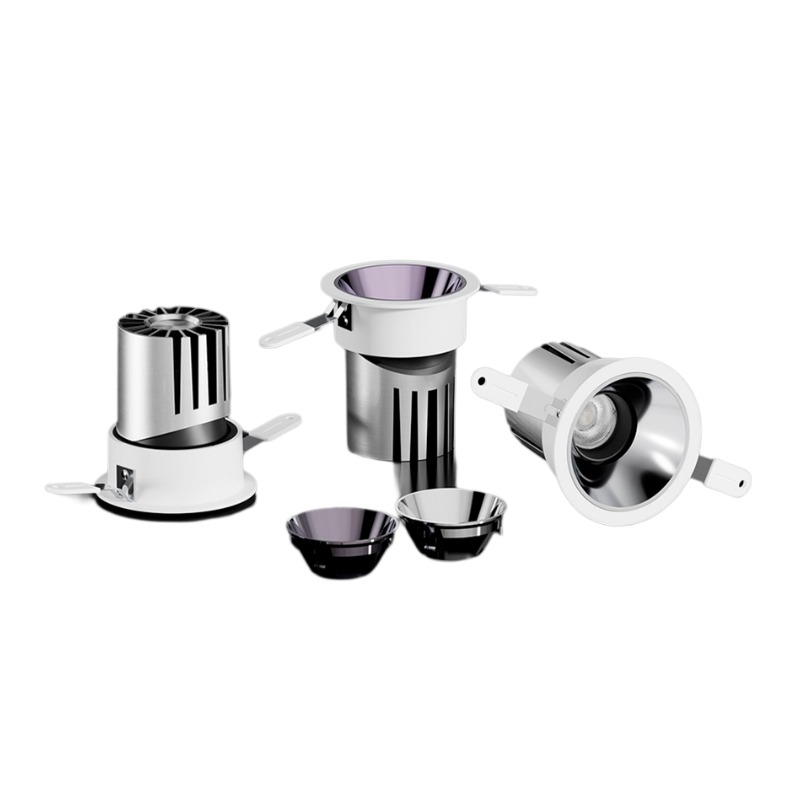
Product Specifications
| Parameter | Specification |
|---|---|
| LED Package | SMD 2835-HC (High CRI) |
| CRI | Ra90 min |
| Efficacy | 200+ lm/W |
| CCT Range | 2,700K – 6,500K (tunable) |
| Flicker Index | <1% at 100Hz PWM |
| Dimming | 0.1% – 100% (constant-current) |
| Lifespan (L70) | 50,000+ hours |
| Certifications | CE / RoHS / Energy Star |
Application Scenarios
Smart Ceiling Light
24W, 2,400lm, Ra90, tunable CCT, app + voice control
Bedroom Night Light
0.1% minimum, warm 2,700K, circadian rhythm friendly
Kitchen Task Light
100% cool 5,000K, high CRI for food preparation
Case Direction
Residential smart lighting: SMD 2835-HC chips with Ra90 CRI, flicker-free dimming, tunable CCT, smart home integration.
Related Links
Solution: General Lighting LEDs Solutions
Product: SMD LED Products
Case Studies: Smart Office Zigbee Case | Medical LED Application Case
Discover how Queendom LED solutions can transform your application.
Contact Us