








The problem as it presented itself
The customer arrived with a working prototype and a production problem: the LEDs that passed the bench test were not the ones that survived the line. Nothing in the data was out of spec — the failures were spread across batches rather than concentrated in one lot, which ruled out a supplier problem and pointed at the process instead.
Three measurements separated the causes. First, forward voltage at a fixed low current across a sample of each batch, which showed whether the die set was consistent. Second, case temperature under the real drive condition, which showed whether the thermal path matched the assumption in the design. Third, the reflow profile logged on the line, which showed whether the assembly process stayed inside the qualified window.
The first two came back clean. The profile log showed the peak temperature sitting close enough to the limit that normal line-to-line variation pushed parts past it. This is the most common way a qualified component becomes an unqualified assembly, and it is invisible on the datasheet.
- Measure the process, not just the part. A component that meets its specification can still be assembled outside its qualification.
- Log the profile, do not assume it. Reflow profiles drift as boards and fixtures change.
- Look at failure distribution first. Failures spread across batches point at the process; failures concentrated in one batch point at the supply.
Once the profile was corrected and re-qualified, the field return rate dropped to the level the component datasheet predicts. The component never changed — only the process around it.
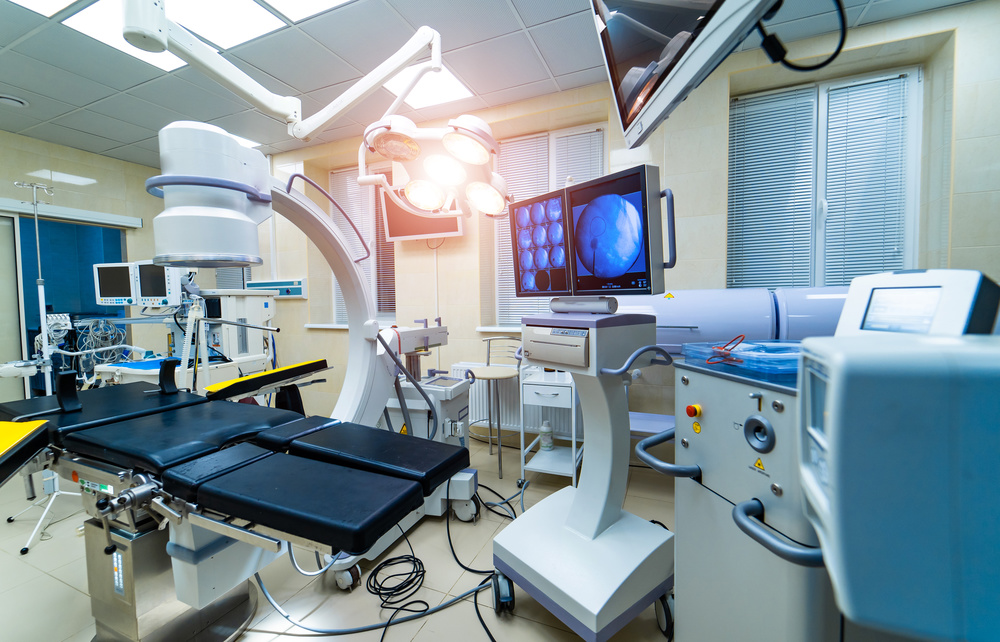
Medical device manufacturers and biomedical research institutions face challenges in sourcing reliable LED components that meet strict biocompatibility, thermal management, and optical precision requirements. From surgical lighting and diagnostic equipment to phototherapy devices and laboratory instruments, medical-grade LEDs must deliver consistent spectral output, long-term stability, and compliance with international safety standards while operating within tight thermal constraints.
Queendom Solution
Queendom provides a comprehensive portfolio of medical-grade LED components spanning SMD, through-hole, COB, and high-power packages optimized for medical and biomedical applications. Our LEDs undergo rigorous quality control with tight binning for spectral and luminous consistency, ensuring reliable performance in surgical lighting systems, diagnostic equipment, phototherapy devices, and laboratory instruments.
Key Advantages:
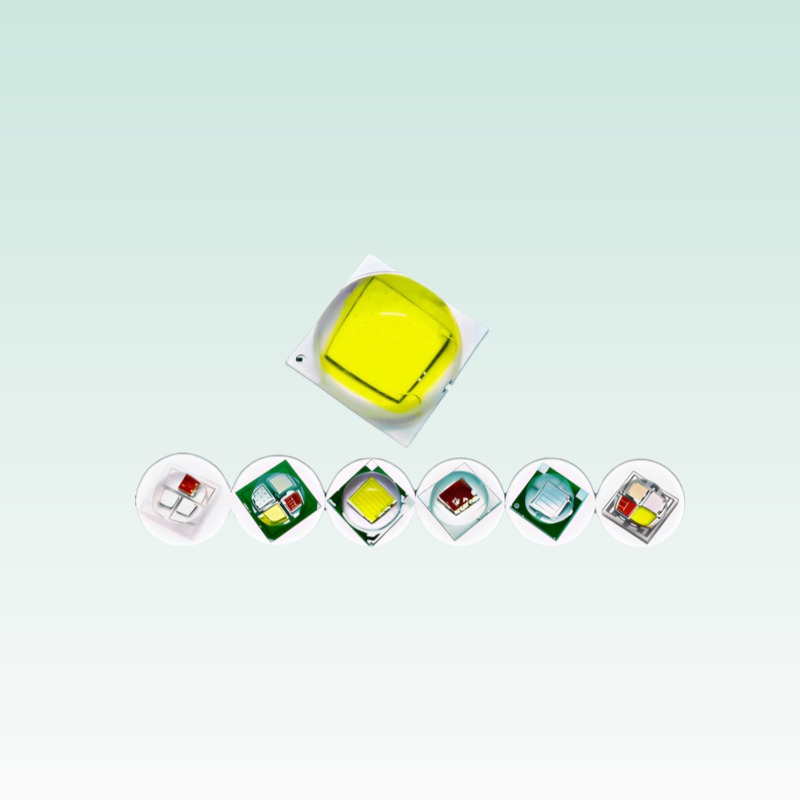
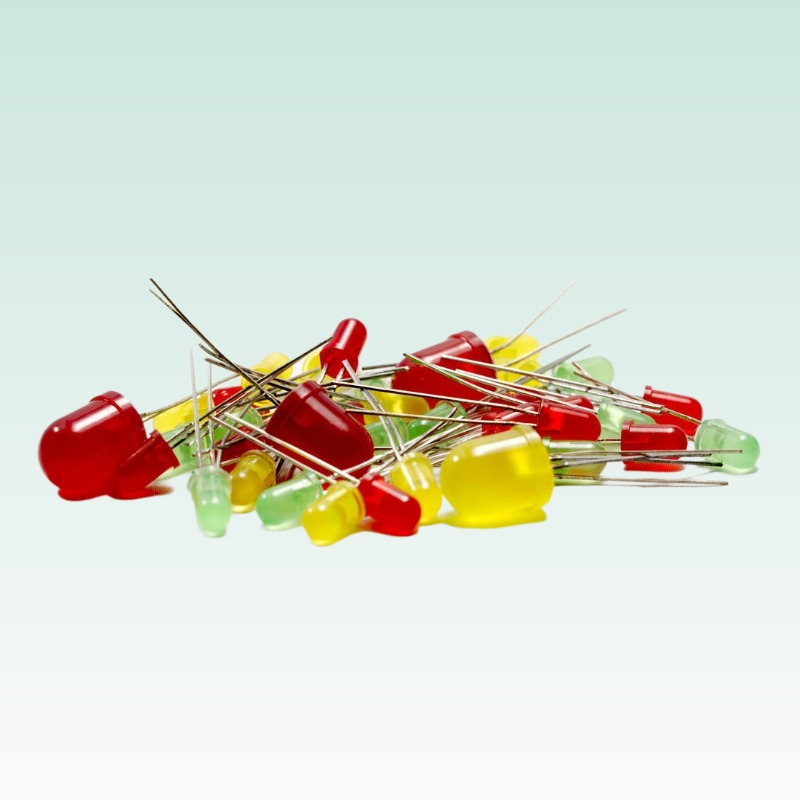
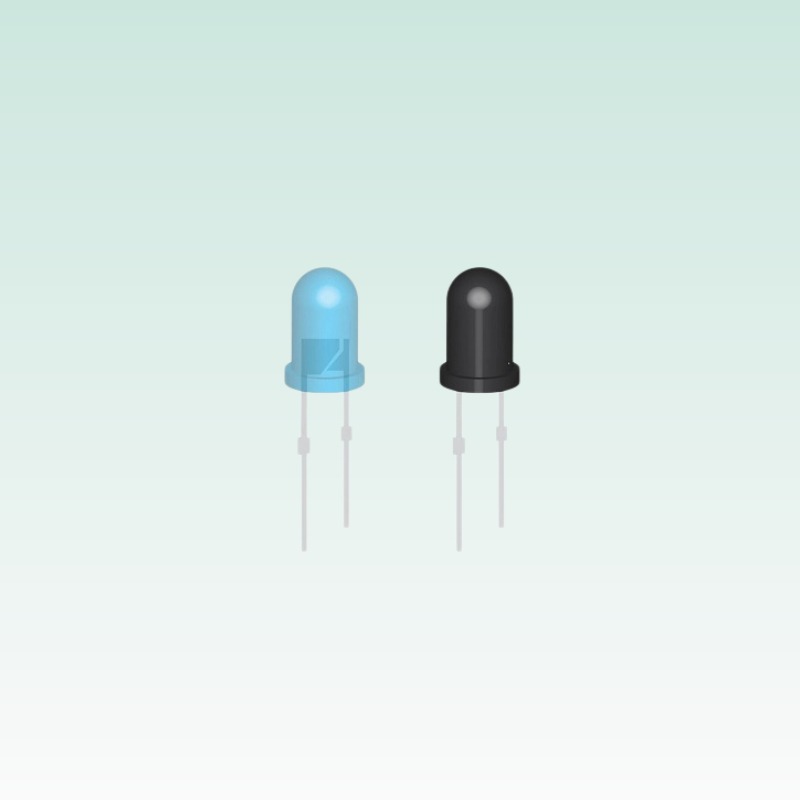
- Medical-grade packages: SMD 2835/3030/3535/5050, through-hole 3mm/5mm, COB, high-power
- Tight spectral binning: ±2nm wavelength tolerance for precision applications
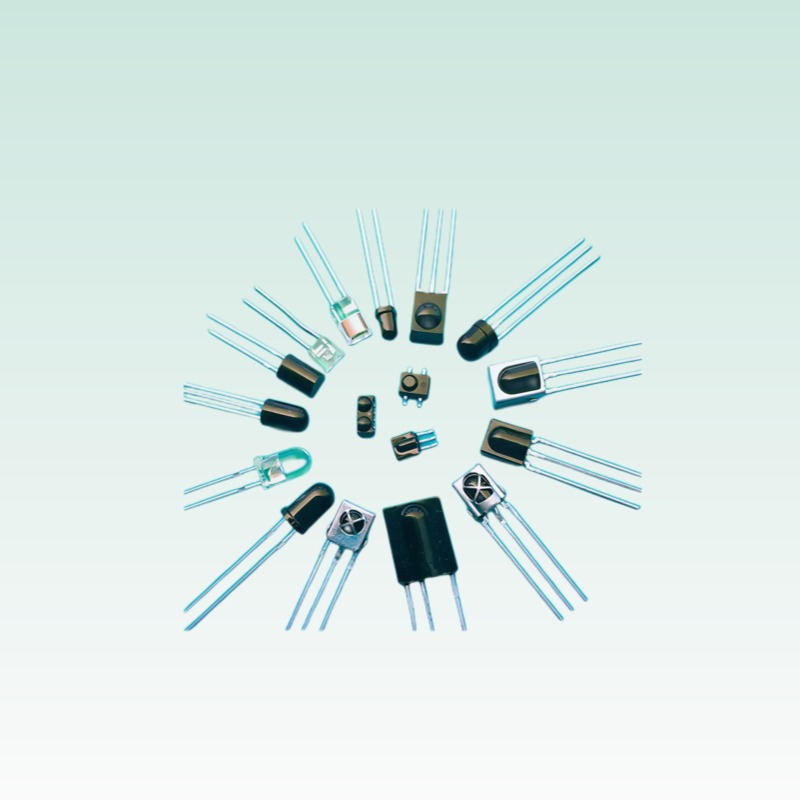
- CRI Ra95+ for surgical lighting; UV/IR options for diagnostic & therapeutic use
- Thermal management: low thermal resistance, stable output over 50,000+ hours
- RoHS, REACH compliant; ISO 9001 quality management system
Product Specifications
| Parameter | Specification |
|---|---|
| LED Packages | SMD 2835 / 3030 / 3535 / 5050 / Through-hole 3mm & 5mm / COB / High-Power |
| Wavelength Range | UV 265-405nm / Visible 420-700nm / IR 730-940nm |
| CRI (Surgical Lighting) | Ra95 – Ra98 (high CRI for accurate tissue visualization) |
| Spectral Binning | ±2nm wavelength tolerance (precision medical grade) |
| Thermal Resistance | 4-12 C/W (package dependent), excellent heat dissipation |
| Lifespan (L70) | 50,000 – 100,000+ hours |
| Certifications | CE / RoHS / REACH / ISO 9001 |
| Applications | Surgical lighting, phototherapy, diagnostic equipment, endoscopy, lab instruments |
Application Scenarios
Surgical & Operating Room Lighting
High-CRI Ra95+ LED modules for operating theaters, ensuring accurate tissue color rendering for surgeons.
Phototherapy Devices
Precision wavelength LEDs for neonatal jaundice (450-460nm blue), acne treatment (415nm), and wound healing (630-660nm red).
Diagnostic & Analytical Equipment
UV and visible LEDs for blood analyzers, PCR instruments, fluorescence microscopy, and in-vitro diagnostics.
Endoscopy & Minimally Invasive Surgery
High-intensity compact LED light sources for rigid and flexible endoscopes, fiber-optic illumination systems.
Case Direction
Medical device manufacturer project: Replaced traditional halogen and xenon light sources with Queendom high-CRI LED modules in surgical lighting systems, achieving 60% energy savings, 5x longer lifespan, and improved color accuracy for tissue visualization. Supplied UV-C LEDs for disinfection equipment and IR LEDs for patient monitoring devices, all with full documentation and traceability for medical device certification.
Related Links
Solution: Biomedical LEDs Solutions
Product: High Power LED Products
Case Studies: PCR LED Parameters Case | PCR Fluorescence Analysis Case
Discover medical-grade LED solutions from Queendom.
Contact UsPart of ← LEDs Case Studies
Related pages
- Infrared LEDs for Perimeter CCTV Illumination
- Narrowband UVB LEDs for Phototherapy Equipment
- Ceramic 3535 LEDs for Automotive Signaling
- SWIR LEDs for Semiconductor Wafer Inspection
- SWIR LEDs for Plastic Recycling Sorting
- UVC LED Water Treatment & Disinfection
…and 20 more in LEDs Case Studies.