

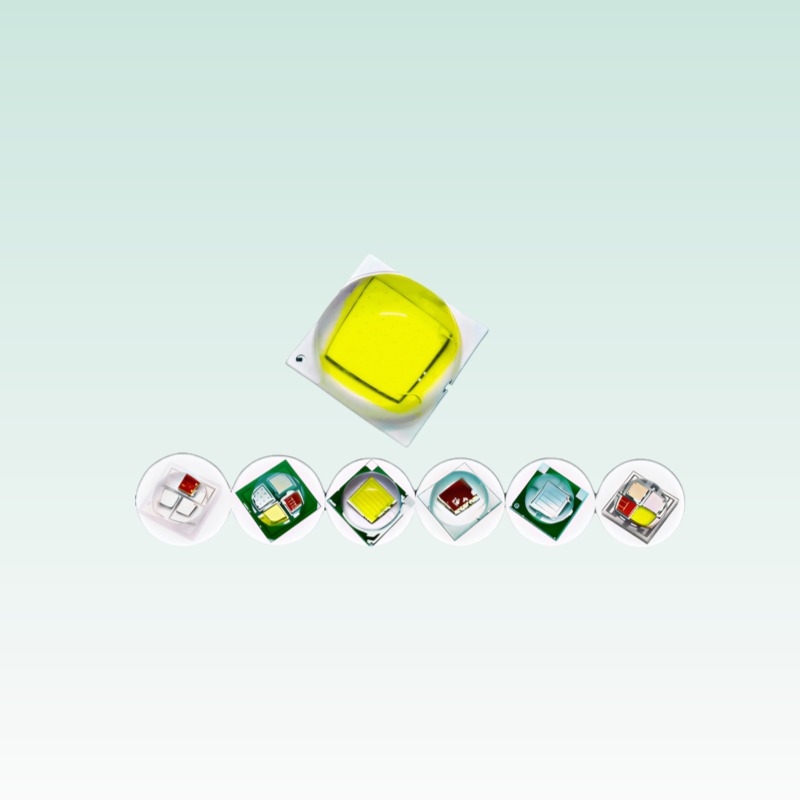

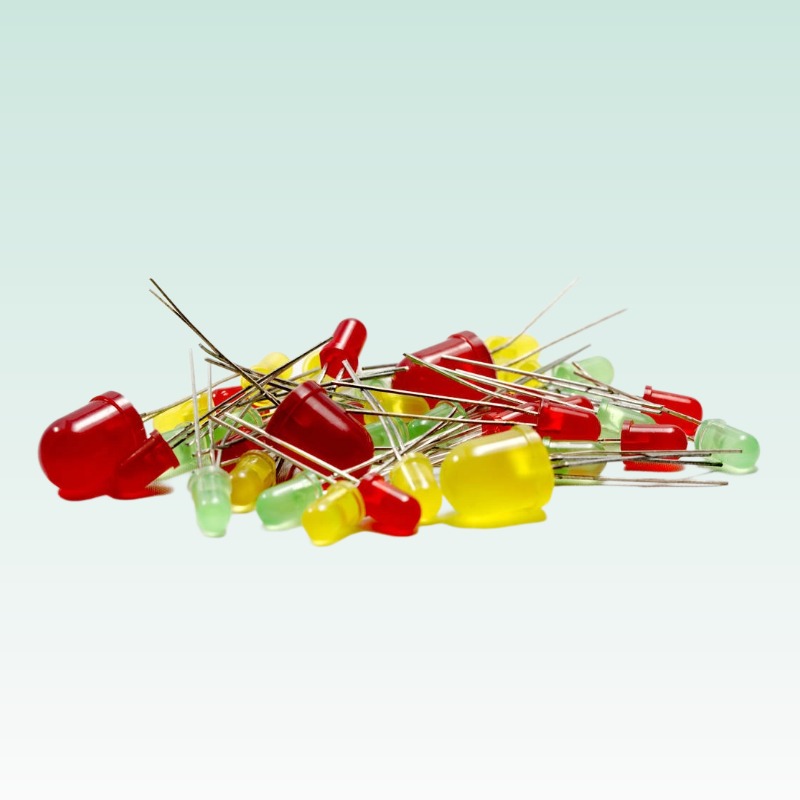

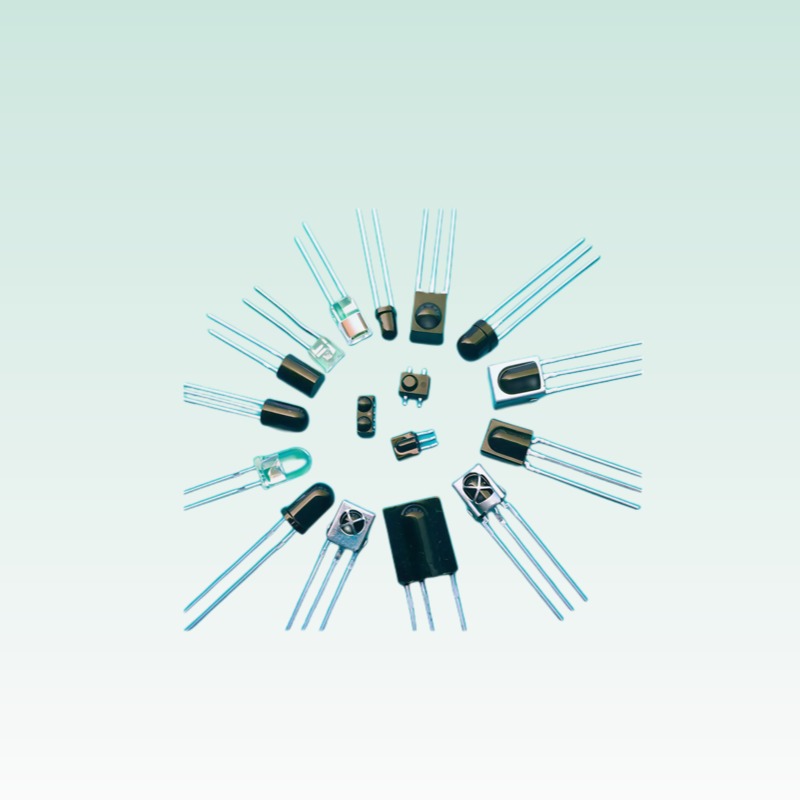
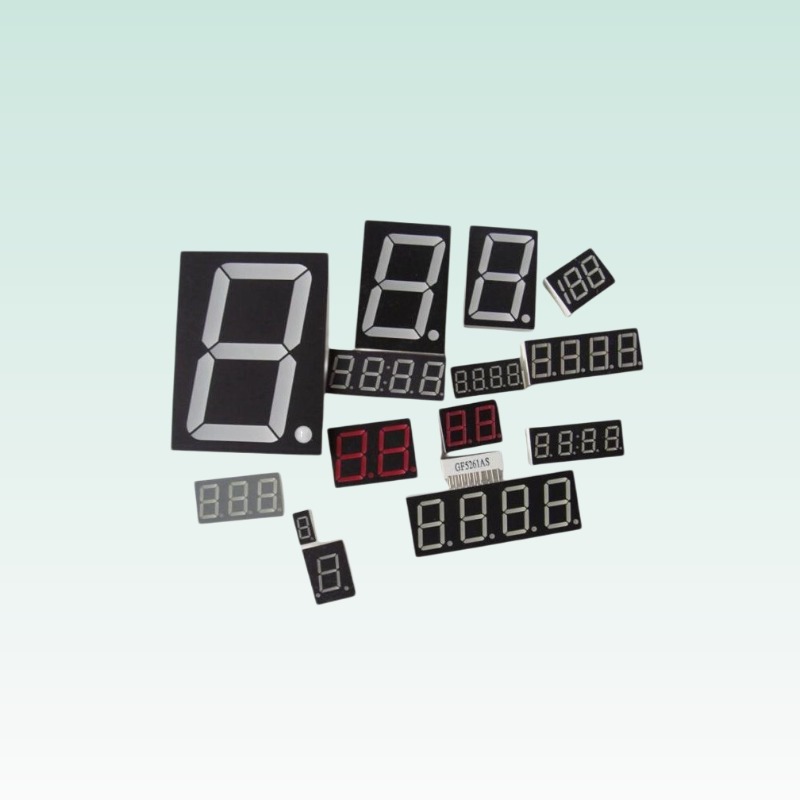









Multi-colour and addressable emitters are a different category question from the single-spectrum parts elsewhere on this site. A white part is specified by colour temperature and rendering index; an RGB part is specified by channel, by how the channels are addressed and by how they are combined. Two RGB parts that emit the same colours can differ in whether they can be dimmed independently, whether they have a clock, and whether the controller expects a particular data protocol.
The page here covers the addressing and control side. The colour mixing and channel structure is the part that changes the design, because it decides how many traces the board needs and how the firmware has to behave.
1. What is in this section
- Addressable RGB SMD Design
Addressable packages: channel counts, data protocols, clocking and dimming behaviour, and how the package choice constrains the controller.
2. What this class is chosen for
An addressable package integrates the driver and the control interface into the emitter itself, so that a string of them can be driven from a single data line. That removes the per-channel constant-current circuitry and the wiring it needs, and it is the reason to choose this class over separate emitters with discrete drive.
The trade-off is that the control protocol becomes part of the specification. A package that expects one protocol cannot be mixed with a package that expects another, and the ordering information is in the protocol rather than in the colour.
3. One thing to check early
- Protocol before package. Choose the control protocol first, then the package. Reversing the order tends to lock the design into a part that cannot be mixed with the rest of the installation.
4. Why this class is separate
A multi-colour addressable part is not a white part in three colours. The emitter, the constant-current source and the control interface are integrated in one package, which changes what the datasheet has to state and what the design has to decide. The colour is specified by channel content rather than by a colour point, and there is no single luminous flux figure to quote because the channels are set independently.
It is separated from the spectral classes for the same reason. A white part is ordered by colour temperature and rendering index; an addressable part is ordered by data protocol, channel count and refresh behaviour. Those are different ordering systems, and a specification written in the first vocabulary will not describe a part in the second.
The practical boundary is this: if the design needs channels to be adjusted independently by a controller, it belongs to this class. If it needs a fixed colour or a fixed colour temperature, it belongs to the visible white pages and is simpler to specify.
Related categories and reading
The pages above are the core of this section. These adjacent sections come up in the same conversations, and the boundaries between them are where specifications most often go wrong.
- UV LEDs
Same SMD platform, different emission band. Read this when the failure mode depends on phosphor degradation rather than colour mixing. - IR LEDs
Invisible emission and detector-side constraints. Read this when your design senses rather than illuminates. - Ceramic LEDs
Higher power density in the same footprint. Read this when RGB is not the limiting factor, thermal is. - LED Package and Reliability Glossary
Term definitions for binnings, derating and lifetime ratings used throughout this section.
Back to Knowledge & Resources — the full index of both component and lighting engineering sections.