












Other Technical Downloads
This section collects corporate, compliance, and general-purpose documents that do not belong to a specific LED component or lighting product line. Use the categories below to locate company brochures, certificates, safety statements, and assembly references.
Company & Product Documentation
- QUEENDOM Corporate Brochure (PDF) — company overview, manufacturing capability, and global product range
Where to Find Each Document Type
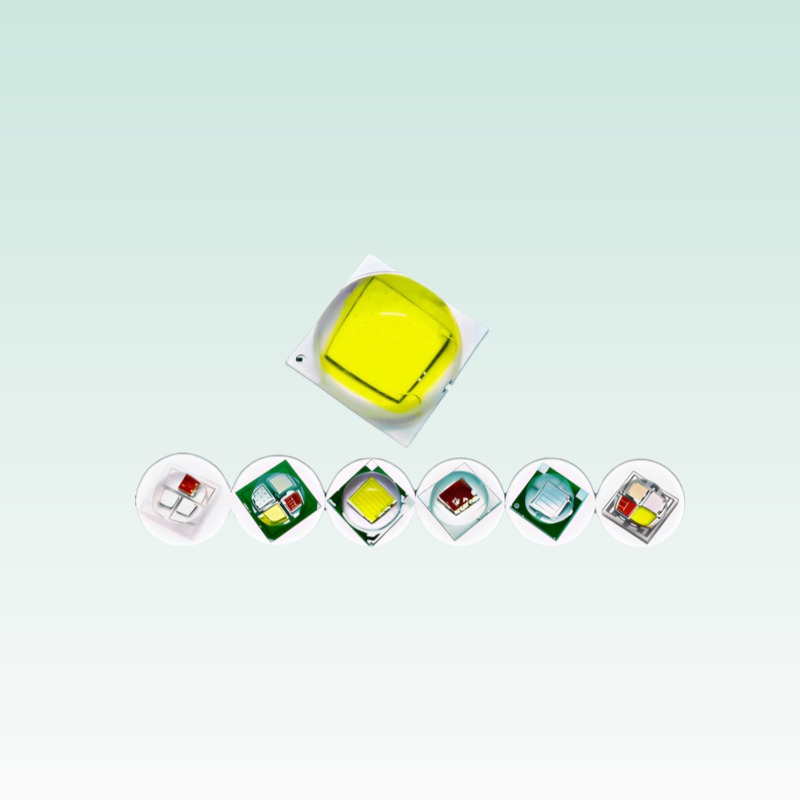
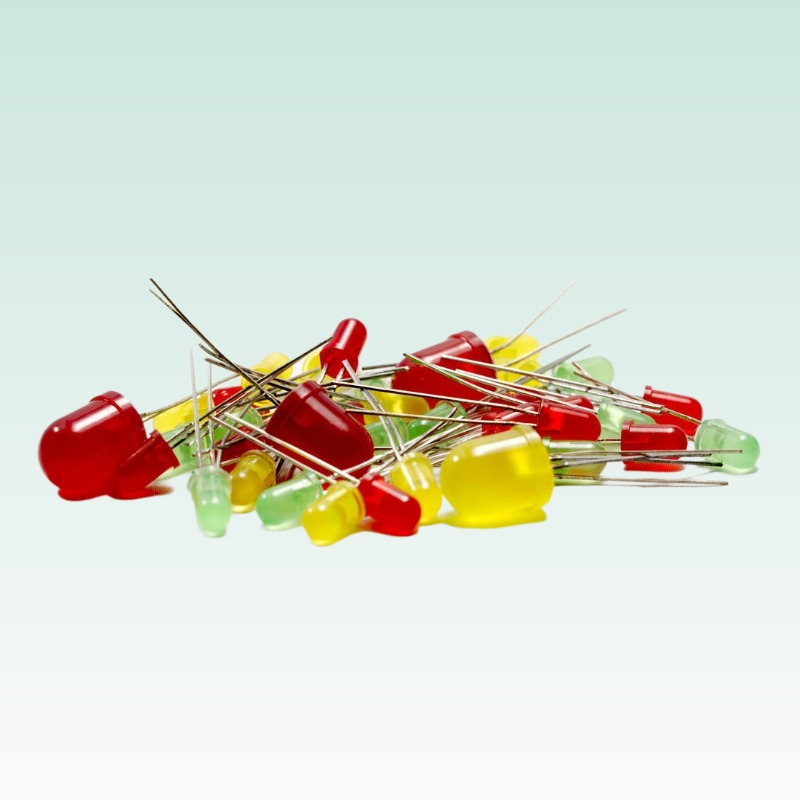
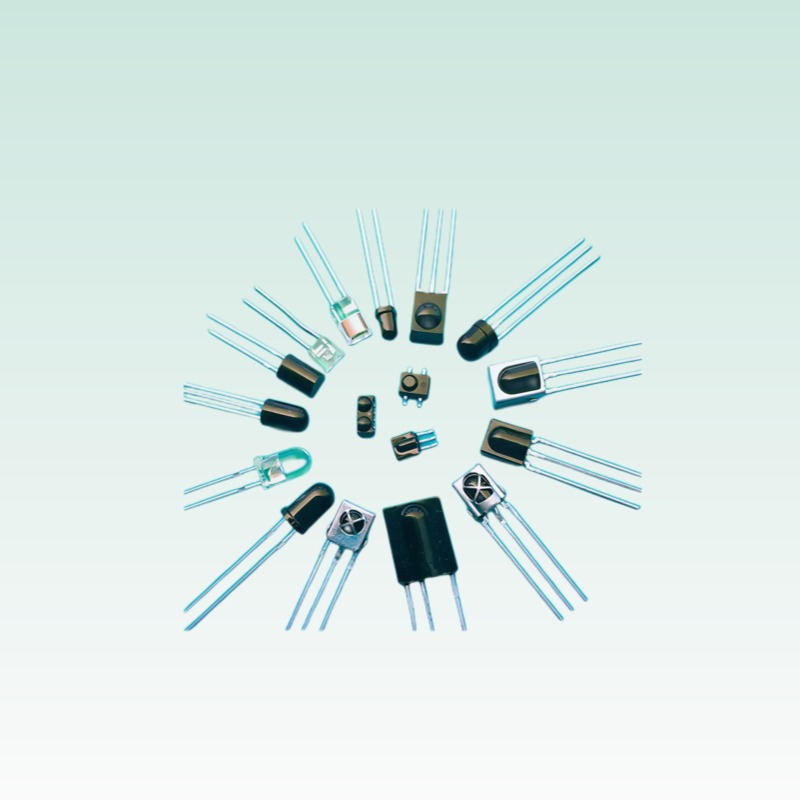
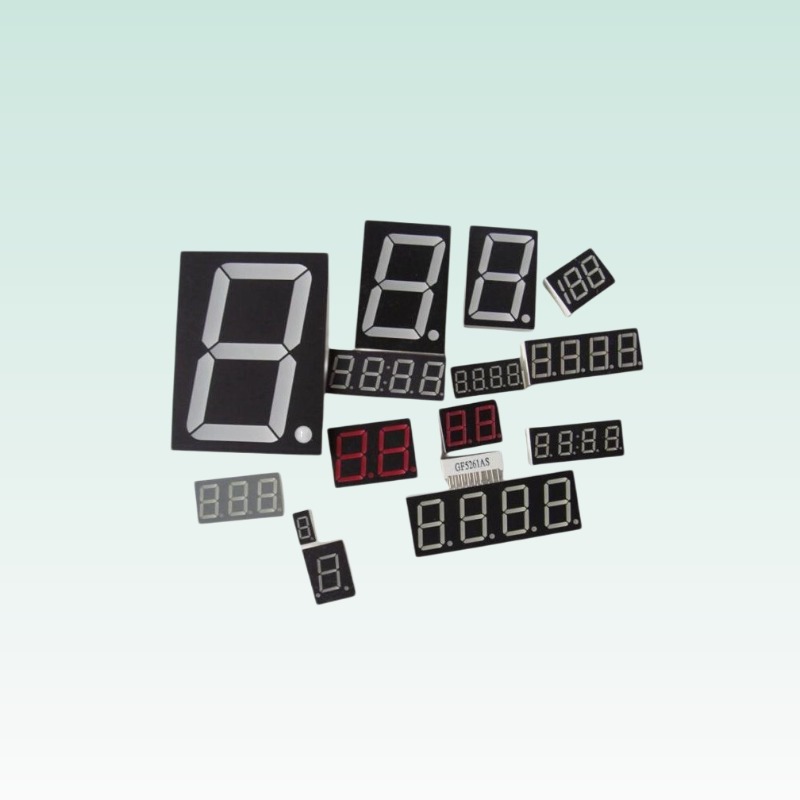
LED component documents — datasheets, binning structures, MSDS, and packaging instructions — are maintained in the LED datasheet center, grouped by package type: high-power, SMD, DIP, infrared, and UV.
Lighting product documents — IES photometric files, installation manuals, CAD blocks, and specifications for tubes, panels, high bays, grow lights, and outdoor fixtures — are maintained in the lighting specifications center.
Certificates — CE, RoHS, UL, ETL, and IEC test reports — are available on request through the certifications page.
Safety and handling references — including UV precautions and ESD handling notes — are listed alongside their product families in the common support center.
Requesting a Document
If a document you need is not listed — such as a current MSDS, a photometric test report, or a customer-specific compliance declaration — contact sales@queendomlamp.com with the product series and document type. Technical documents are issued by our engineering team, typically within one business day.
Compliance Documents: What Customs and Auditors Actually Ask For
Beyond product datasheets and photometry, international shipments and customer audits draw on a small set of standing documents. Knowing which one answers which question prevents customs holds and audit findings:
| Document | Answers the Question | Typical Requester |
|---|---|---|
| RoHS 3 declaration | Are the ten restricted substances below limits? | EU customs, customer compliance teams |
| REACH SVHC statement | Does the product contain listed candidate substances? | EU importers, OEM EHS departments |
| UL / ETL listing evidence | Is the product listed for North American use? | US inspectors, insurers, utility rebate programs |
| CE / UKCA declaration of conformity | Which directives does the product self-declare against? | EU/UK market surveillance |
| Conflict minerals (CMRT) | Are tin/tantalum/tungsten/gold sources smelter-verified? | Automotive and electronics OEMs |
Keeping Declarations Current
REACH’s candidate list grows twice a year and RoHS exemptions expire on rolling schedules, which is why we issue declarations dated to the current revision rather than a single static file. When you download from this library, the date on the document is its authority; if an auditor challenges an older download, request a refresh through the contact form with the part numbers and destination market, and a same-day reissue is routine. The full market-by-market certification picture — including KC for Korea and RCM for Australia — is maintained on the certificates page.
Company and Quality References
Purchasing teams onboarding a new supplier typically also request the company profile, ISO registration evidence, and a quality-statement covering inspection flow and return handling. These are provided on request and can be co-branded for distributor programs under NDA. For the technical documents behind the quality statement — reliability methodology and failure analysis practice — point your engineers at the failure analysis overview and the test reports page.
Compliance documents, and how to keep them current
The documents in this section are corporate and general-purpose rather than product-line specific, which makes them the ones most often requested by someone outside the engineering team — a customs broker, a purchasing department, a quality auditor or a customer’s compliance officer. Because the audience is different from a technical reader, so is the way they should be assembled and maintained.
What each request actually needs
- Customs and import clearance — material declarations, safety statements and classification documentation for the goods being shipped, matched to the shipment rather than to the product family.
- Supplier qualification — company registration, quality system certification and manufacturing capability material, which demonstrate the organisation rather than the product.
- Customer audit — the conformity certificates and test reports applicable to the product supplied, together with the declarations covering the market of use.
- Design or tender submission — corporate and product documentation combined, usually with the technical files held in the component and lighting centres.
Why version management matters more here
Corporate and general documents change less often than datasheets, which is precisely why an outdated copy tends to survive unnoticed in a filing system. A superseded certificate, a declaration tied to an earlier directive revision, or a brochure describing a discontinued range can each stall a clearance or a qualification even though the current version exists. Two habits prevent it: record the document date alongside the file when it is received, and re-request the current issue whenever a document is used for a formal purpose rather than relying on a copy taken months earlier.
Where each document type lives
- Component-specific documents — the LED download centre, grouped by product family and document type.
- Luminaire-specific documents — the lighting download centre, alongside photometric files and installation manuals.
- Conformity certificates and declarations — the certificates section, which is the authoritative index for compliance evidence.
- Corporate and general-purpose material — this section, for anything that is not tied to a single product line.
Requesting a document that is not posted
Name the document type, the product or company entity it should cover, the market it is intended for, and the purpose. A request for a declaration to support an import differs from one to support a tender, and the applicable standard follows from the market. Where a document is being sought to satisfy a specific authority, naming that authority is the single most useful detail, because it determines both the format and the directive revision that applies.
What this section does not contain
Technical documentation for specific products — datasheets, photometric files, installation manuals — belongs to the component and lighting centres and is not duplicated here. This section exists for the documents that apply to the company and to shipments rather than to a particular engineering decision, and keeping that boundary clear is what makes the four download centres quick to search.