
 English
 Afrikaans
 Albanian
 Amharic
 Arabic
 Armenian
 Azerbaijani
 Basque
 Belarusian
 Bengali
 Bosnian
 Bulgarian
 Catalan
 Cebuano
 Chichewa
 Corsican
 Croatian
 Czech
Czech Danish
 Dutch
Dutch Esperanto
 Estonian
 Filipino
 Finnish
 French
 Frisian
 Galician
 Georgian
 German
 Greek
Greek Gujarati
 Haitian Creole
 Hausa
Hausa Hawaiian
 Hebrew
 Hindi
Hindi Hmong
Hmong Hungarian
 Icelandic
 Igbo
Igbo Indonesian
 Irish
Irish Italian
 Japanese
 Javanese
 Kannada
 Kazakh
 Khmer
Khmer Korean
 Kurdish (Kurmanji)
 Kyrgyz
 Lao
Lao Latin
Latin Latvian
 Lithuanian
 Luxembourgish
 Macedonian
 Malagasy
 Malay
Malay Malayalam
 Maltese
 Maori
Maori Marathi
 Mongolian
 Myanmar (Burmese)
 Nepali
 Norwegian
 Pashto
 Persian
 Polish
 Portuguese
 Punjabi
 Romanian
 Russian
 Samoan
 Scottish Gaelic
 Serbian
 Sesotho
 Shona
Shona Sindhi
 Sinhala
 Slovak
 Slovenian
 Somali
 Spanish
 Sudanese
 Swahili
 Swedish
 Tajik
Tajik Tamil
Tamil Telugu
 Thai
Thai Turkish
 Ukrainian
 Urdu
Urdu Uzbek
Uzbek Vietnamese
 Welsh
Welsh Xhosa
Xhosa Yiddish
 Yoruba
 Zulu
Zulu
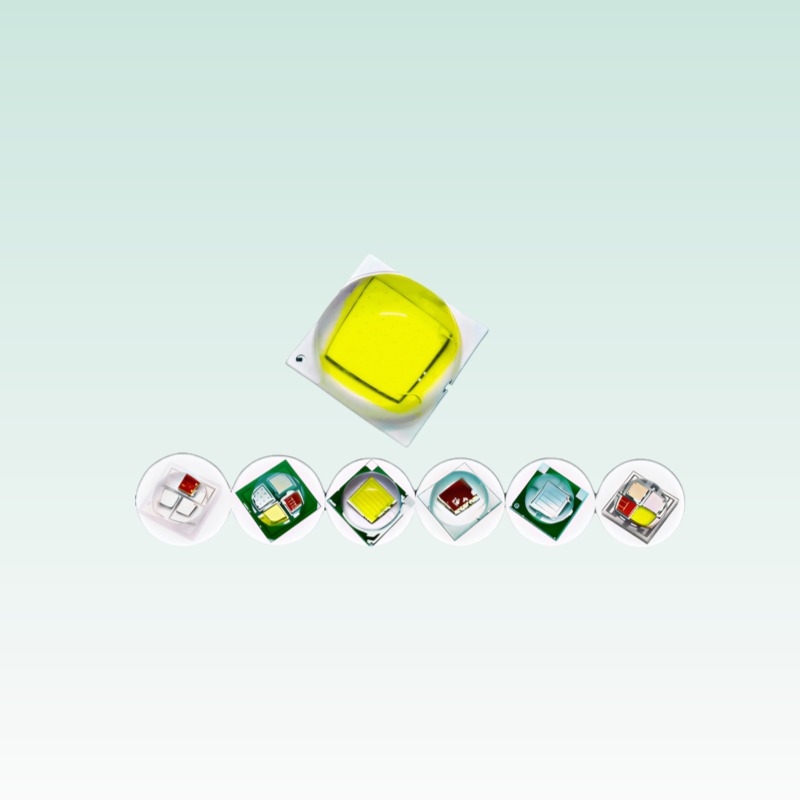
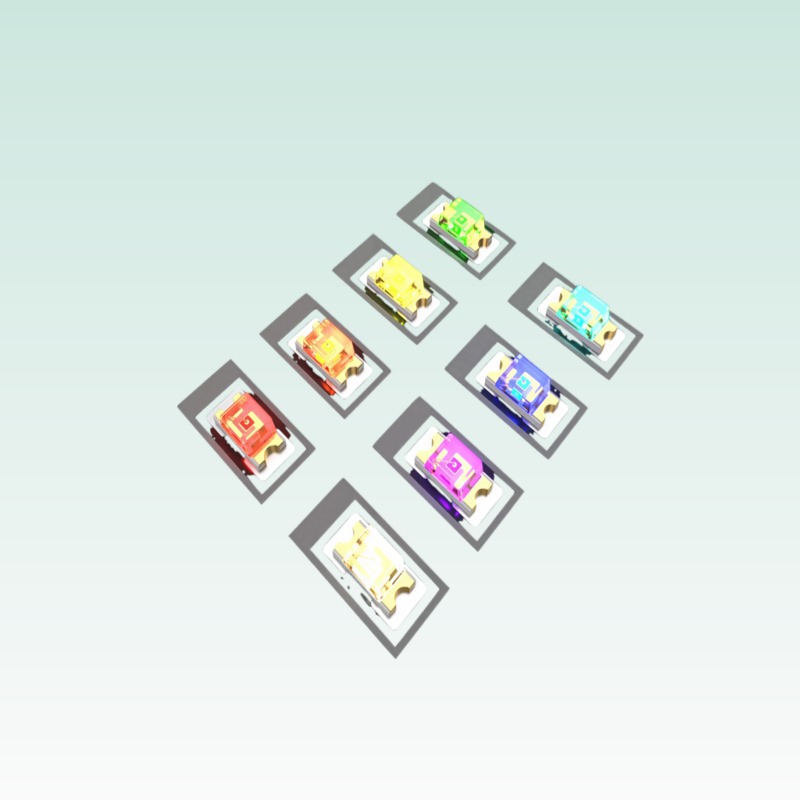
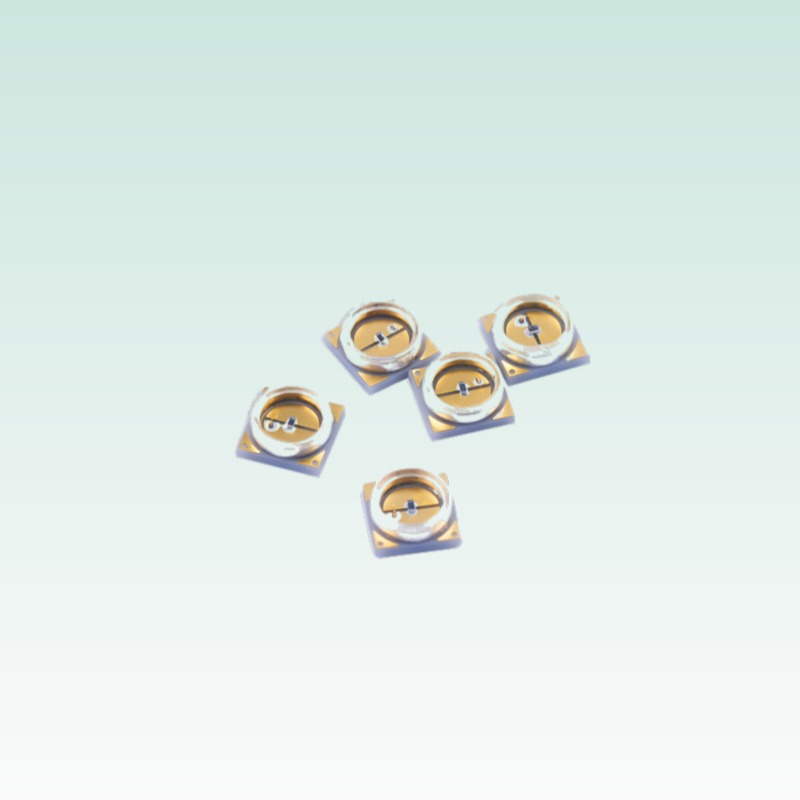
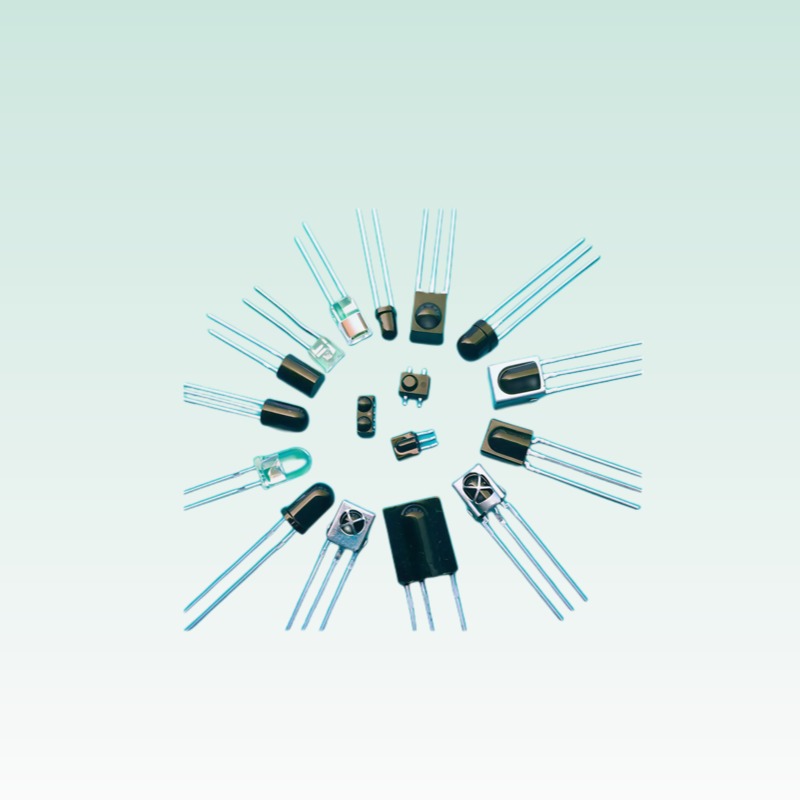
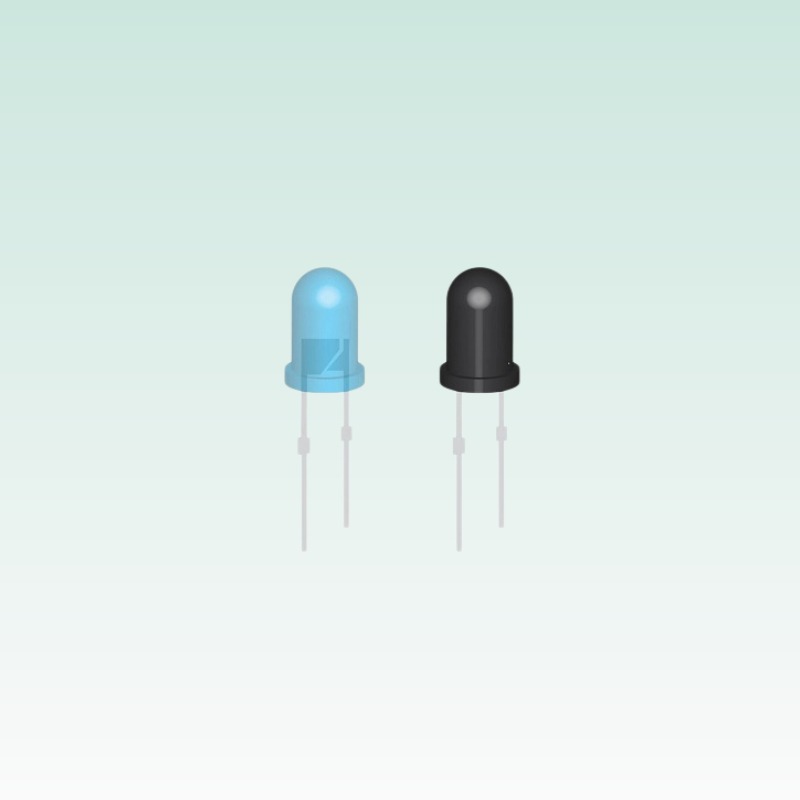





When horticultural lighting designers build full-spectrum fixtures for commercial greenhouses and indoor farms, the conversation usually centers on red (660 nm) and blue (450 nm) LEDs. Yet an increasing body of research—and field data from large-scale vertical farms—shows that infrared (IR) LED chips in the 700–900 nm range play a critical role in photomorphogenesis, stem elongation control, and photosynthetic efficiency. The problem for buyers is simple: suppliers rarely explain the difference between 730 nm far-red and 850 nm near-infrared emitters, or why ceramic-packaged IR LEDs outperform standard plastic SMD alternatives in high-humidity grow environments. This guide breaks down the technical distinctions, procurement specs, and integration pitfalls so you can specify the right IR LED chip for your horticultural luminaire.
Why Infrared Matters in Horticultural Lighting
Plants do not use infrared photons directly in photosynthesis the way they harvest 400–700 nm visible light, but IR wavelengths regulate phytochrome signaling—the biological switches that control germination, flowering transition, and shade avoidance. Two phytochrome isoforms, Pr (red-absorbing) and Pfr (far-red-absorbing), interconvert depending on the ratio of red to far-red light. Adding 730 nm far-red shifts the Pr→Pfr equilibrium, triggering:
- Faster flowering in long-day crops such as lettuce, spinach, and certain strawberry cultivars
- Stem elongation suppression when dosed correctly in closed-environment agriculture
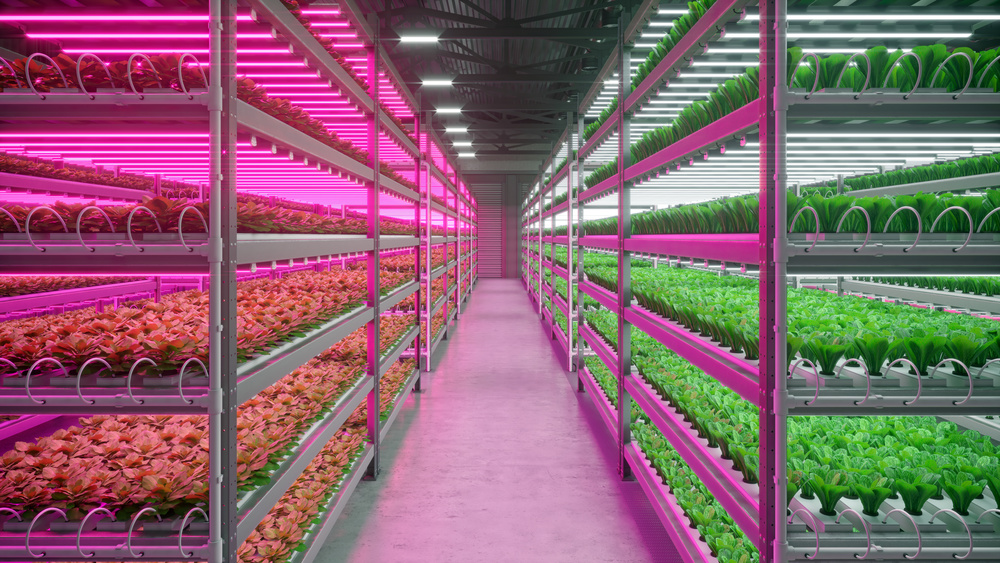
- Improved leaf expansion and canopy penetration in high-density vertical racks
Meanwhile, 850 nm near-infrared sits at the edge of the photosynthetically active radiation (PAR) band extension and is increasingly used in smart grow-light systems that combine plant illumination with spectral sensing or thermal monitoring cameras. Because 850 nm is invisible to the human eye, it does not interfere with visual light-quality inspections while still delivering biologically relevant energy.
The commercial implication is clear: a premium horticultural fixture now requires IR channels alongside conventional red/blue/white arrays. Buyers who understand 730 nm versus 850 nm specifications can source chips that match crop-specific light recipes rather than settling for generic “full spectrum” claims.
Technical Comparison: 730nm vs 850nm LED Chips
730nm Far-Red LEDs
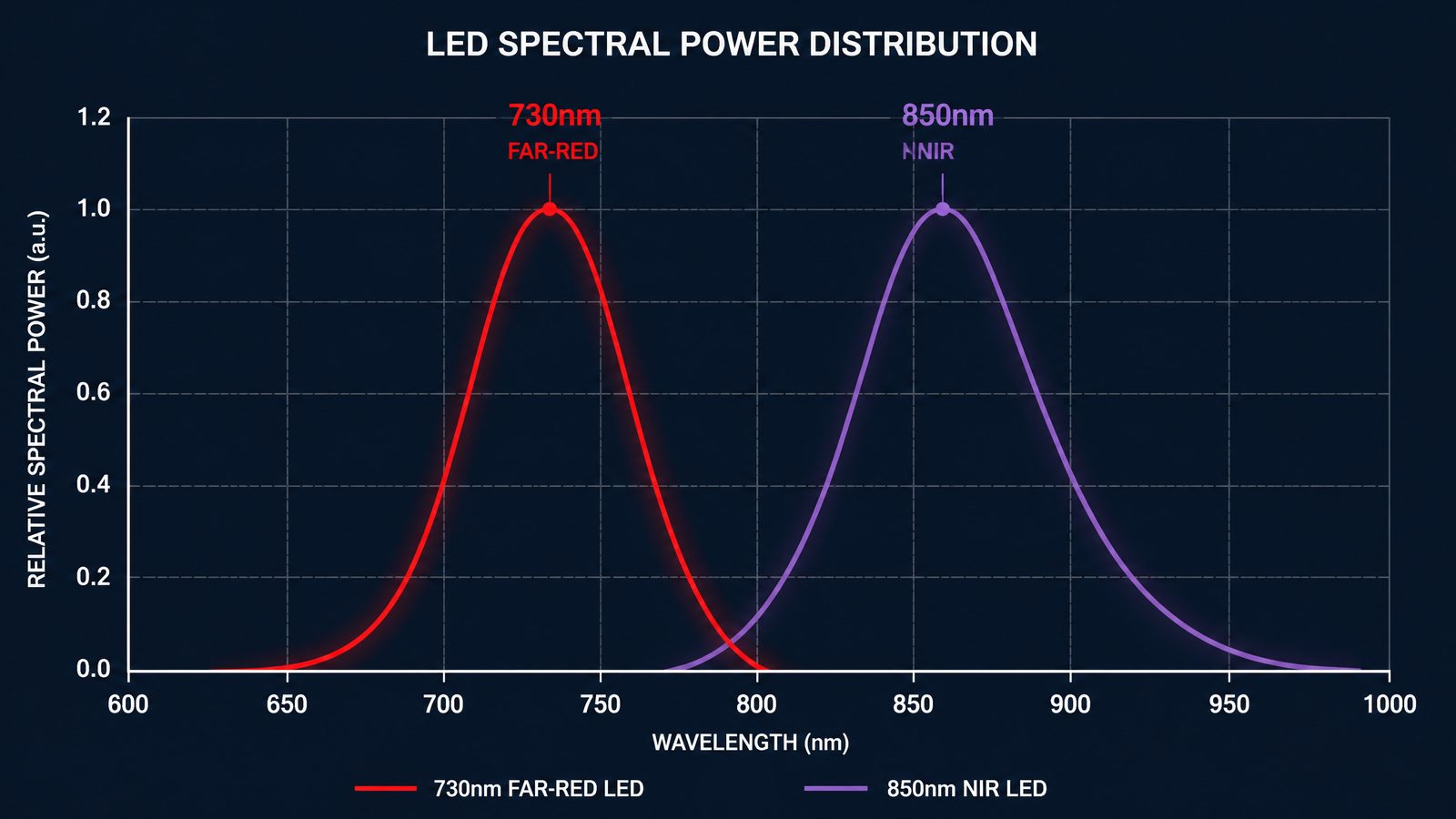
730 nm emitters are manufactured primarily on AlGaInP epitaxial structures with transparent substrate (TS) or patterned sapphire substrate (PSS) configurations. The dominant application is phytochrome manipulation, so radiant flux per watt and spectral width (FWHM) matter more than luminous efficacy—after all, lumens are a human-centric metric irrelevant to plant biology.
Typical specifications for a high-bin 730 nm chip in a ceramic 3535 or 3838 package include:
- Radiant flux: 600–850 mW at 700 mA drive current (35-mil chip)
- Peak wavelength tolerance: ±5 nm (critical for phytochrome targeting)
- Spectral FWHM: 18–22 nm
- Thermal resistance (RθJ-S): 3.5–5.0 K/W
- Maximum junction temperature (Tj): 125–150 °C
The narrow wavelength tolerance is especially important because a 720 nm emitter produces a different phytochrome response than a 735 nm emitter. Reputable suppliers publish binning charts by peak wavelength and radiant flux, allowing fixture manufacturers to match diodes within ±3 nm for multi-bar arrays.
850nm Near-Infrared LEDs
850 nm chips are typically AlGaAs or InGaAsP structures, often grown on GaAs substrates. In horticultural lighting they serve dual purposes: supplemental energy at the PAR boundary and compatibility with NIR imaging or NDVI sensors used in precision agriculture.
Key specs for an 850 nm horticultural-grade chip:
- Radiant flux: 450–700 mW at 500 mA (lower than 730 nm due to higher bandgap energy)
- Peak wavelength tolerance: ±10 nm (wider acceptable drift)
- Spectral FWHM: 30–40 nm (broader than 730 nm)
- Forward voltage (Vf): 1.4–1.6 V (lower than visible LEDs, affecting driver topology)
- Beam angle: 120° typical (domed lens) or 60° (collimated for rack targeting)
Because 850 nm falls outside most PAR sensors’ calibration range, buyers should request radiant flux (mW) and photon flux (μmol/s) data rather than PPFD maps, which are usually measured only for 400–700 nm.
Ceramic Package Advantages for IR Horticultural LEDs
Standard IR LEDs in epoxy or silicone-over-plastic packages degrade rapidly in greenhouse environments where relative humidity exceeds 85 % and ambient temperatures reach 40–45 °C. Ceramic packages—particularly Al₂O₃ (alumina) or AlN (aluminum nitride) substrates—offer three decisive advantages:
- Hermetic sealing: Ceramic packages with glass lenses prevent moisture ingress that causes wavelength drift and catastrophic LED darkening in plastic-molded emitters.
- Thermal conductivity: AlN substrates deliver thermal conductivity of 170–230 W/m·K, pulling heat away from the junction faster than FR4 or MCPCB-mounted plastic LEDs. This is critical because IR LEDs have lower wall-plug efficiency than blue LEDs; excess heat accelerates dopant diffusion in AlGaInP junctions.
- Corrosion resistance: Fertilizer vapor, CO₂ dosing residue, and sulfur compounds from organic substrates corrode metal leads in standard SMD packages. Ceramic packages with noble-metal plating (Ag or Au) resist these chemistries over 50,000-hour lifetimes.
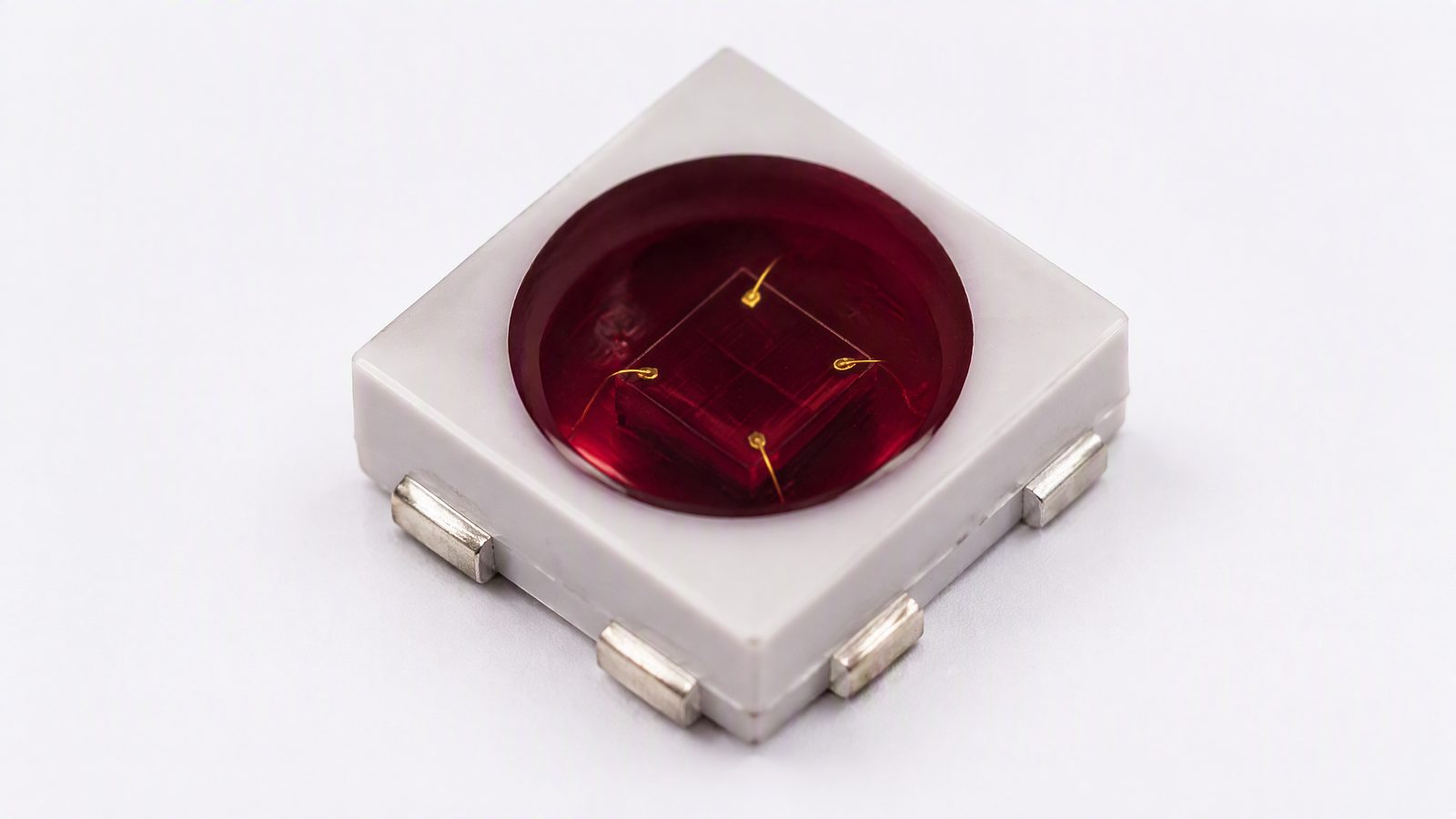
For buyers sourcing IR LED chips for grow-light OEM production, specifying ceramic 3535 or ceramic 5050 packages with IP67-compatible sealing is the safest procurement decision, even at a 20–30 % price premium over plastic SMD alternatives.
Key Specifications Buyers Should Verify
Radiant Flux and PPF Efficiency
Do not accept lumen ratings for IR horticultural LEDs. Demand radiant flux (mW) at a defined drive current (typically 350 mA or 700 mA for 1W-class chips) and, if possible, photosynthetic photon flux (PPF) in μmol/s. The conversion from radiometric to quantum units depends on wavelength:
- 730 nm: ≈ 4.57 μmol/s per watt of radiant flux
- 850 nm: ≈ 3.92 μmol/s per watt of radiant flux
A chip rated at 700 mW radiant flux at 730 nm therefore delivers roughly 3.2 μmol/s. If your light recipe calls for 40 μmol/m²/s of far-red at canopy height, you can back-calculate the diode count and spacing required.
Thermal Resistance and Junction Temperature
Ask suppliers for RθJ-S (junction-to-solder-point thermal resistance) and RθJ-A (junction-to-ambient) under standard test conditions. In a typical grow-light aluminum MCPCB with 2 oz copper and thermal interface material, a ceramic-packaged 730 nm LED with RθJ-S = 4.0 K/W will run at Tj ≈ 85 °C when soldered to a 60 °C board at 700 mA. Plastic-package alternatives with RθJ-S > 8 K/W will push Tj past 100 °C under identical conditions, cutting L70 lifetime by 30–40 %.
Spectral Purity and Secondary Emission
Low-quality IR LEDs sometimes exhibit secondary emission peaks in the 600–650 nm range due to epitaxial layer defects or contamination during MOCVD growth. This “red leak” is irrelevant for human vision but contaminates phytochrome signaling in plants. Reputable chip manufacturers provide spectral purity certificates and integrate sphere test reports showing normalized spectra from 350 nm to 1000 nm.
Application Scenarios and Fixture Integration
The choice between 730 nm and 850 nm, or a mixed array, depends on crop type and growth stage:
- Leafy greens (lettuce, kale, basil): 730 nm at 5–10 % of total PPF during the last 3–5 days before harvest increases anthocyanin concentration and reduces nitrate accumulation.
- Fruit-bearing crops (tomatoes, peppers): Mixed 730 nm + 850 nm arrays improve fruit set when used during the flowering transition phase; 850 nm supports nighttime thermal imaging for automated stress detection.
- Propagation/cloning: 850 nm alone at low intensity (5–15 μmol/m²/s) encourages root initiation in some hardwood cutting protocols without interfering with photoperiod management.
Driver compatibility is another integration concern. Because 730 nm and 850 nm LEDs have forward voltages of 2.0–2.3 V and 1.4–1.6 V respectively, mixing them on the same series string without careful voltage balancing causes current imbalance. Fixture designers typically place IR channels on dedicated driver outputs with constant-current regulation per channel.
When the array also includes visible channels, a useful layout pairs 730 nm diodes with 660 nm red on the same board zone and keeps 850 nm diodes on a separate zone facing the sensor window. This arrangement lets the control system dim far-red independently for photoperiod tuning while leaving the NIR channel continuously available for imaging, without saturating the camera sensor at night.
Common Mistakes in IR LED Procurement
- Accepting lumen-based quotations: Lumens weight the 555 nm photopic curve; IR wavelengths register near zero lumens despite high plant-relevant energy. Always specify radiant flux or PPF.
- Ignoring humidity ratings: Greenhouse luminaires experience condensation cycles. Demand JESD22-A101 (biased humidity) test reports for any IR LED package under consideration.
- Mixing wavelength bins randomly: A fixture with 720 nm, 730 nm, and 740 nm chips scattered across the bar creates uneven phytochrome stimulation. Bin by ±3 nm and map diode placement to canopy zones.
- Overdriving for intensity: IR LEDs have steep efficiency droop above 1 A/mm² chip current density. Stay within datasheet recommendations; if more PPF is needed, add diodes rather than overdrive.
Procurement Checklist for IR Horticultural LEDs
Before signing a mass-production order, confirm five documents with the supplier: the integrate-sphere spectral report of the exact bin you are buying, thermal resistance data measured on your board layout, the JESD22 humidity test certificate, the L70 lifetime projection at your target junction temperature, and a wavelength binning chart with tolerance limits. A premium ceramic-packaged 730 nm chip with documented specs will typically cost 20–30 % more than a plastic SMD clone, but the difference in field failure rate and spectrum drift over 50,000 hours justifies the premium in commercial greenhouses where downtime directly reduces revenue.
Frequently Asked Questions
Can plants photosynthesize with 850 nm near-infrared light?
Strictly speaking, photosystem absorption peaks in the 400–700 nm range. However, 850 nm photons can drive photosynthesis at low quantum efficiency in the extended PAR band (ePAR, 400–750 nm). Their primary horticultural value lies in phytochrome signaling and compatibility with NIR monitoring sensors rather than direct photosynthetic yield.
Why are ceramic packages recommended for IR grow-light LEDs?
Ceramic packages provide hermetic moisture sealing, superior thermal conductivity (especially AlN substrates), and corrosion resistance against fertilizer vapors and sulfur compounds common in greenhouse air. Plastic SMD packages suffer rapid wavelength drift and darkening under these conditions, making ceramic the reliable choice for 50,000-hour grow-light lifetimes.
What is the difference between 730 nm and 850 nm for plant growth?
730 nm is classified as far-red and directly modulates phytochrome Pr/Pfr equilibrium, affecting flowering time, stem elongation, and shade avoidance responses. 850 nm sits at the edge of the ePAR band and is used for supplemental energy, root initiation in propagation, and integrated NIR sensing. Most commercial grow-light recipes use 730 nm as the primary IR channel and add 850 nm only for specific sensor-coupled applications.
How do I calculate the number of IR LEDs needed for my grow light?
Start with your target PPFD or radiant flux density at canopy height. For example, if your light recipe calls for 40 μmol/m²/s of 730 nm far-red and each ceramic 3535 chip delivers 3.2 μmol/s at 700 mA, you need roughly 12–13 chips per square meter at typical mounting heights (30–45 cm). Add 15–20 % margin for optical losses and aging. For mixed arrays, calculate each wavelength channel separately.
Should IR LEDs be on a separate driver channel from red and blue diodes?
Yes. 730 nm and 850 nm LEDs have lower forward voltages (1.4–2.3 V) than typical blue (≈3.0 V) and white (≈2.8–3.2 V) LEDs. Placing them on the same series string causes severe current imbalance. Professional horticultural drivers provide independent constant-current outputs per spectral channel, allowing dimming curves tailored to crop growth stage and photoperiod.
Conclusion and Next Steps
Infrared LED chips are no longer optional extras in commercial horticultural lighting—they are specification-critical components that determine crop timing, yield consistency, and fixture reliability in humid, chemically aggressive grow environments. The choice between 730 nm and 850 nm, the insistence on ceramic packaging, and the demand for radiometric (not photometric) test data separate professional procurement from generic sourcing.
At QUEENDOM, we supply ceramic-packaged 730 nm and 850 nm LED chips with full binning by peak wavelength, radiant flux, and thermal resistance. All chips ship with integrate-sphere spectral reports and JESD22 humidity-test documentation. If you are building next-generation grow lights for controlled-environment agriculture, contact our horticultural LED engineering team to review your light-recipe requirements and receive a tailored chip specification.
For more technical guidance on LED chip selection, visit our LED Diode Q&A archive or explore our product catalog for ceramic infrared emitters in 3535, 3838, and 5050 formats.
Related Products
Further reading: LED Grow Light Spectrum Guide · Horticultural LED Grow Lights
