
 English
 Afrikaans
 Albanian
 Amharic
 Arabic
 Armenian
 Azerbaijani
 Basque
 Belarusian
 Bengali
 Bosnian
 Bulgarian
 Catalan
 Cebuano
 Chichewa
 Corsican
 Croatian
 Czech
Czech Danish
 Dutch
Dutch Esperanto
 Estonian
 Filipino
 Finnish
 French
 Frisian
 Galician
 Georgian
 German
 Greek
Greek Gujarati
 Haitian Creole
 Hausa
Hausa Hawaiian
 Hebrew
 Hindi
Hindi Hmong
Hmong Hungarian
 Icelandic
 Igbo
Igbo Indonesian
 Irish
Irish Italian
 Japanese
 Javanese
 Kannada
 Kazakh
 Khmer
Khmer Korean
 Kurdish (Kurmanji)
 Kyrgyz
 Lao
Lao Latin
Latin Latvian
 Lithuanian
 Luxembourgish
 Macedonian
 Malagasy
 Malay
Malay Malayalam
 Maltese
 Maori
Maori Marathi
 Mongolian
 Myanmar (Burmese)
 Nepali
 Norwegian
 Pashto
 Persian
 Polish
 Portuguese
 Punjabi
 Romanian
 Russian
 Samoan
 Scottish Gaelic
 Serbian
 Sesotho
 Shona
Shona Sindhi
 Sinhala
 Slovak
 Slovenian
 Somali
 Spanish
 Sudanese
 Swahili
 Swedish
 Tajik
Tajik Tamil
Tamil Telugu
 Thai
Thai Turkish
 Ukrainian
 Urdu
Urdu Uzbek
Uzbek Vietnamese
 Welsh
Welsh Xhosa
Xhosa Yiddish
 Yoruba
 Zulu
Zulu
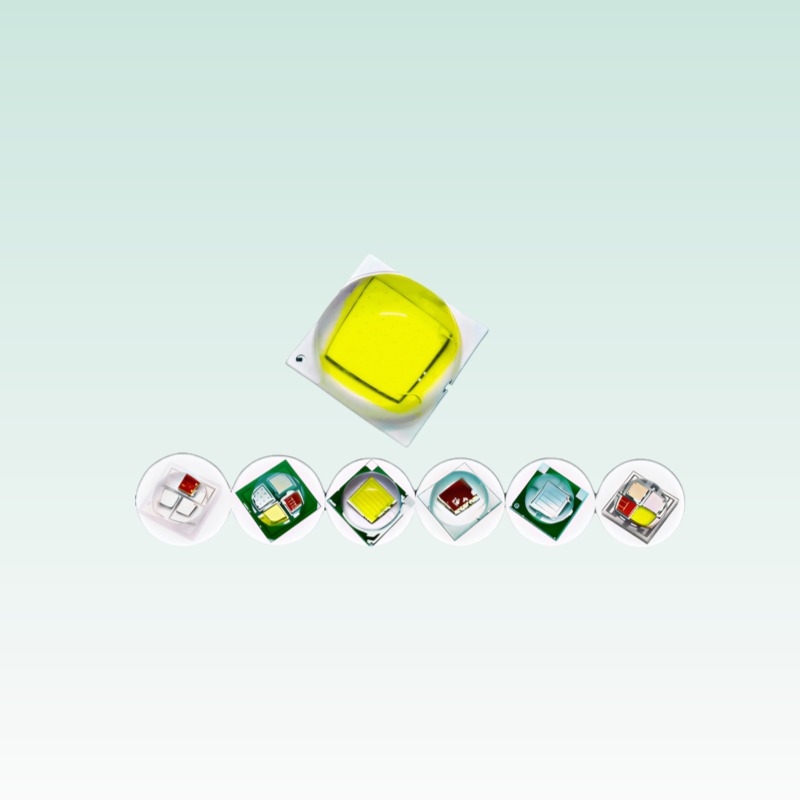
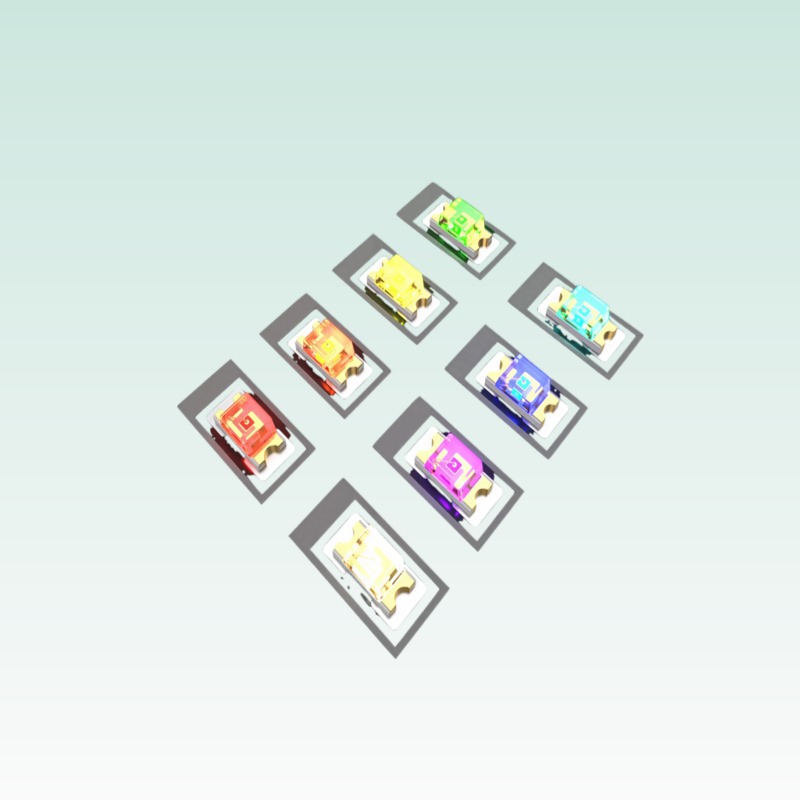
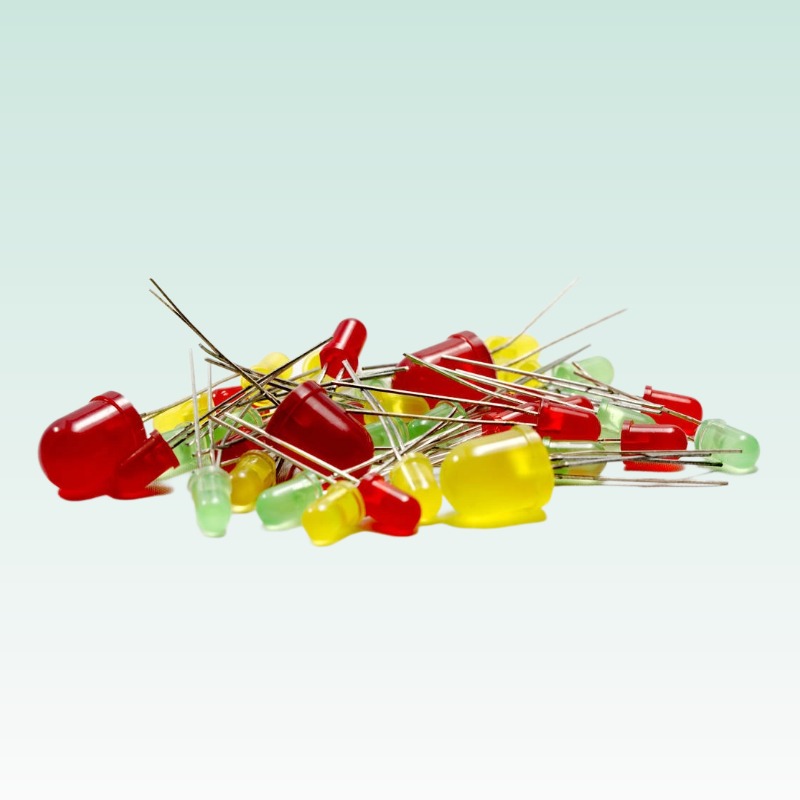
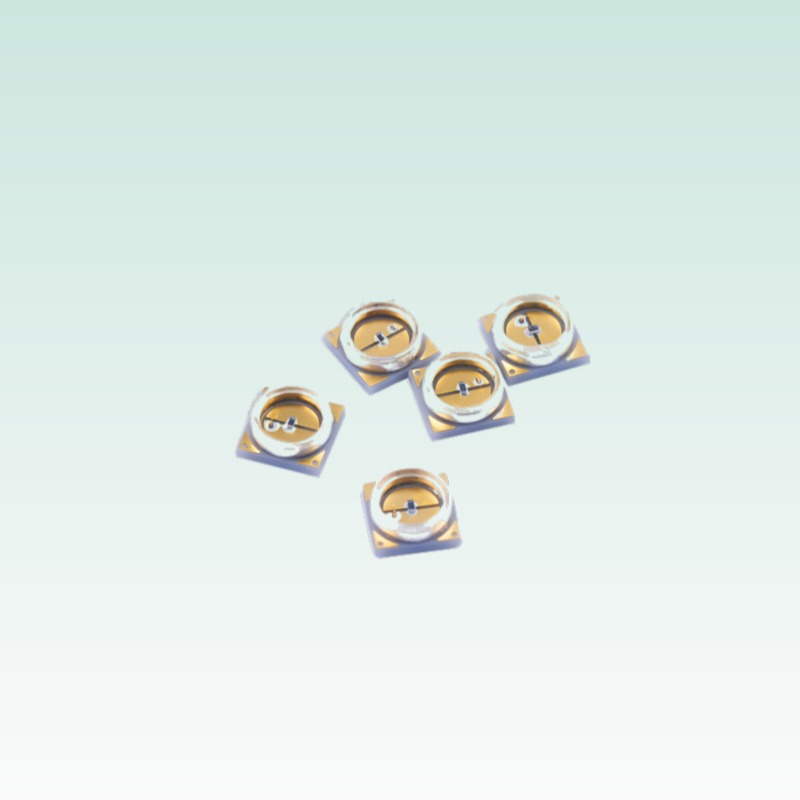





SMD LED selection starts with a naming confusion: the same three packages are called 0603, 0805, and 1206 in the imperial system — and 1608, 2012, and 3216 in the metric system. Both names refer to identical parts. This guide maps the names, compares the specifications, and explains which package belongs in which application.
The Naming Systems, Decoded
- Imperial names (0603 / 0805 / 1206) encode length and width in hundredths of an inch: 0603 = 0.06 × 0.03 in
- Metric names (1608 / 2012 / 3216) encode length and width in tenths of a millimeter: 1608 = 1.6 × 0.8 mm
- Luminous intensity bins — indicator LEDs are binned by intensity (mcd); specify minimum bins for products where uniform appearance across a panel matters
- Reflow profile — follow the supplier’s MSL rating and baking requirements; the smallest packages are the most sensitive to moisture-induced reflow defects
- Pad design — use the recommended land pattern; self-alignment during reflow works only within the tolerance window the footprint was designed for
- Viewing angle vs intensity — narrow-angle versions concentrate the same flux into a brighter spot; match the angle to the viewing geometry
- Color consistency — for multi-LED status panels, order single-reel, single-bin lots to avoid visible mismatch
Both conventions are fully equivalent — 0603 = 1608, 0805 = 2012, 1206 = 3216. Suppliers in Asia typically lead with the metric name, while North American documentation often uses the imperial name, which is why datasheet cross-referencing requires both.
Dimension and Capability Comparison
| Parameter | 0603 (1608) | 0805 (2012) | 1206 (3216) |
|---|---|---|---|
| Body size | 1.6 × 0.8 mm | 2.0 × 1.25 mm | 3.2 × 1.6 mm |
| Typical drive current | 5–10 mA | 10–20 mA | 20–30 mA |
| Maximum current (typical) | 20 mA | 30 mA | 50–70 mA (variant-dependent) |
| Power dissipation class | Lowest | Low | Moderate |
| Luminous output | Indicator-class | Indicator / small accent | Brighter indicator / compact signage |
| Placement density | Highest | High | Moderate |
| Best for | Dense status arrays, wearables | General indicators, controls | Higher-brightness indicators, compact displays |
All three packages offer similar viewing angles (typically 120°) and are available across the full color range — red, green, blue, yellow, white, and infrared. The differences come down to die area, thermal margin, and how small your board can go.
Choosing the Right Package
0603 (1608) — when space is the constraint. The smallest commonly produced LED package suits dense status arrays, wearable devices, and miniaturized sensors. The tradeoff is minimal thermal headroom and lower maximum brightness. Infrared versions in this class serve compact proximity modules — see our 1608 infrared LEDs.
0805 (2012) — the general-purpose default. The best balance of size, brightness, and handling ease. It dominates appliance controls, industrial panels, and consumer products. Our 2012 infrared LEDs and 2012 package family show the breadth of this platform.
1206 (3216) — when you need more light or more margin. The larger die and pads support higher drive current and better heat dissipation. Typical uses include compact signage, backlit buttons that must remain visible in sunlight, and applications where a bit more output is needed without stepping up to a power package like 2835 or 3535. The 3216 infrared LEDs demonstrate the platform in sensing applications.
Design Considerations Across All Three
Beyond 1206: When to Step Up
If the application needs illumination rather than indication — task lighting, display backlighting, horticulture — the mid-power packages take over: 2835 (0.2–1W), 3030/3535 (1–3W), and 5050 (multi-die and higher current). For a complete framework, see our SMD LED package selection guide and the chip package comparison covering SMD, COB, CSP, and flip-chip technologies.
Queendom LED manufactures chip LEDs across the full imperial/metric size range — 0603/1608 through 1206/3216 and beyond — in visible, infrared, and UV wavelengths, with datasheets and binning support available through the LED diodes product line.
Published for educational purposes — Queendom LED Technical Resources
Further reading: How to Choose the Right LED Chip Package: SMD, COB, CSP, and Flip-Chip · SMD LED Package Selection Guide
