
 English
 Afrikaans
 Albanian
 Amharic
 Arabic
 Armenian
 Azerbaijani
 Basque
 Belarusian
 Bengali
 Bosnian
 Bulgarian
 Catalan
 Cebuano
 Chichewa
 Corsican
 Croatian
 Czech
Czech Danish
 Dutch
Dutch Esperanto
 Estonian
 Filipino
 Finnish
 French
 Frisian
 Galician
 Georgian
 German
 Greek
Greek Gujarati
 Haitian Creole
 Hausa
Hausa Hawaiian
 Hebrew
 Hindi
Hindi Hmong
Hmong Hungarian
 Icelandic
 Igbo
Igbo Indonesian
 Irish
Irish Italian
 Japanese
 Javanese
 Kannada
 Kazakh
 Khmer
Khmer Korean
 Kurdish (Kurmanji)
 Kyrgyz
 Lao
Lao Latin
Latin Latvian
 Lithuanian
 Luxembourgish
 Macedonian
 Malagasy
 Malay
Malay Malayalam
 Maltese
 Maori
Maori Marathi
 Mongolian
 Myanmar (Burmese)
 Nepali
 Norwegian
 Pashto
 Persian
 Polish
 Portuguese
 Punjabi
 Romanian
 Russian
 Samoan
 Scottish Gaelic
 Serbian
 Sesotho
 Shona
Shona Sindhi
 Sinhala
 Slovak
 Slovenian
 Somali
 Spanish
 Sudanese
 Swahili
 Swedish
 Tajik
Tajik Tamil
Tamil Telugu
 Thai
Thai Turkish
 Ukrainian
 Urdu
Urdu Uzbek
Uzbek Vietnamese
 Welsh
Welsh Xhosa
Xhosa Yiddish
 Yoruba
 Zulu
Zulu
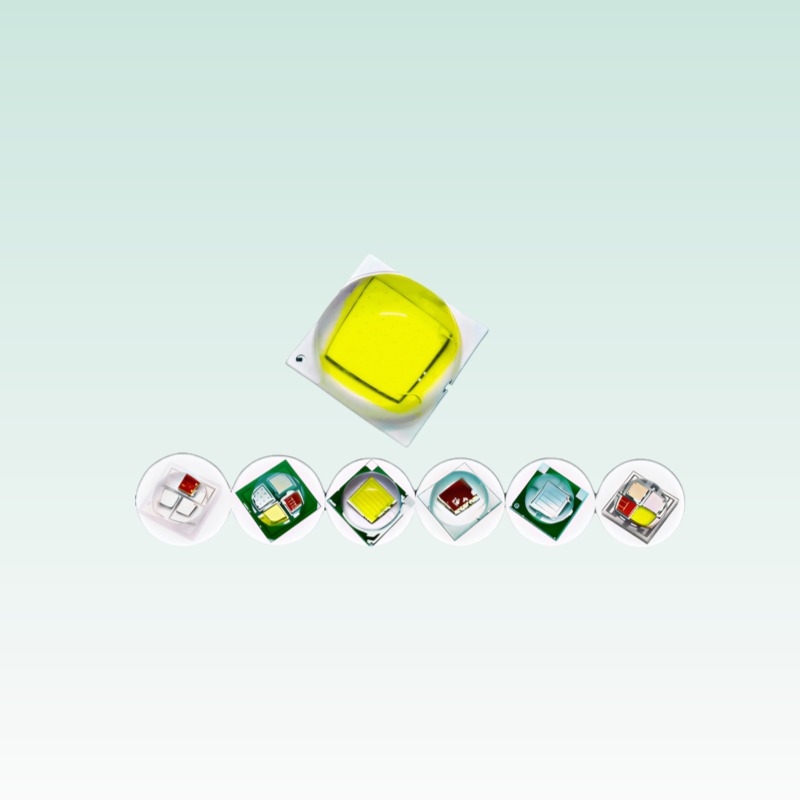

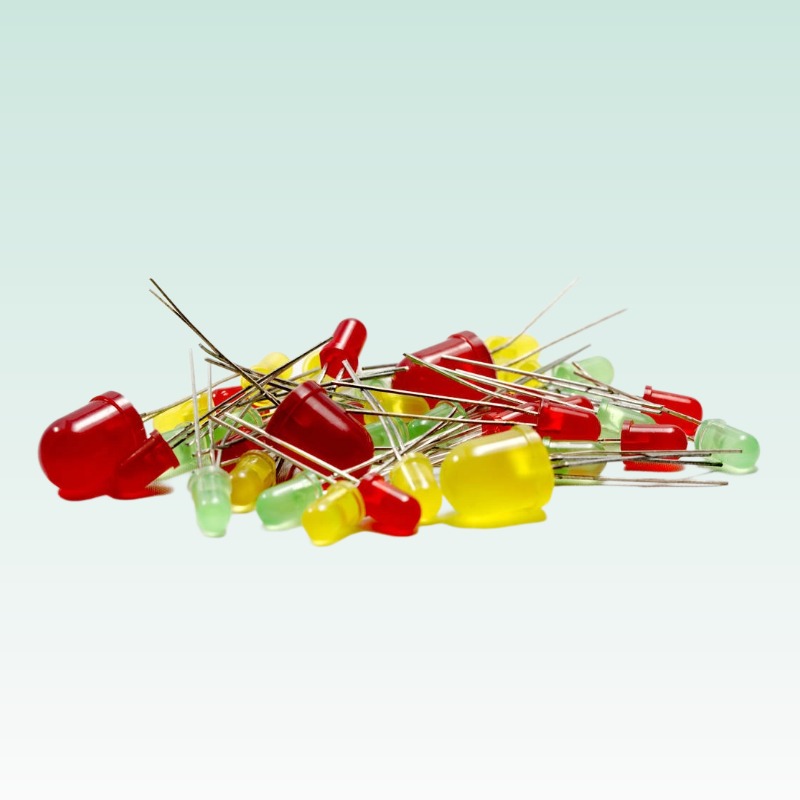
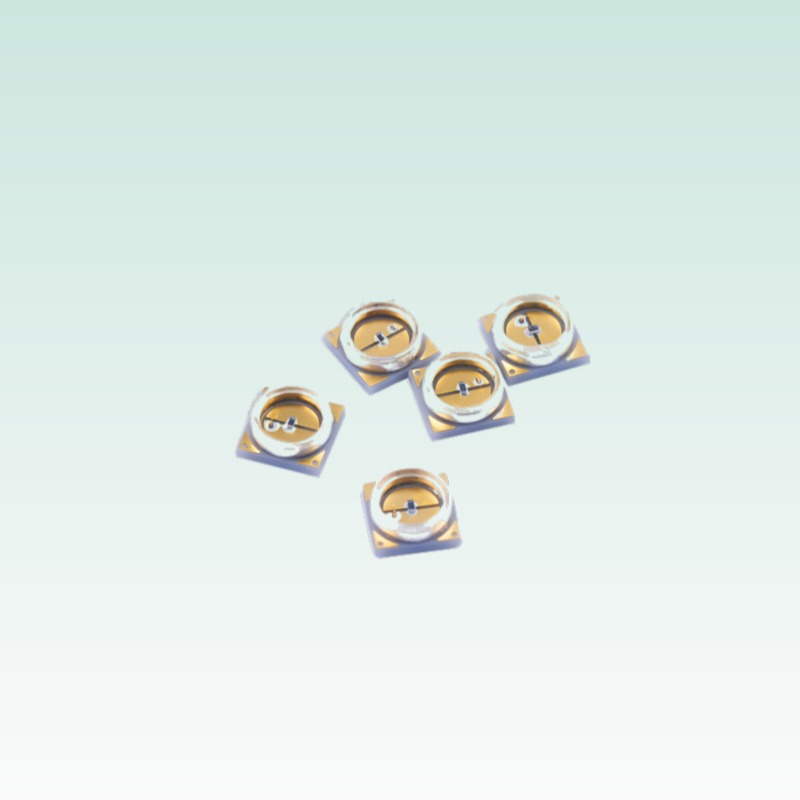
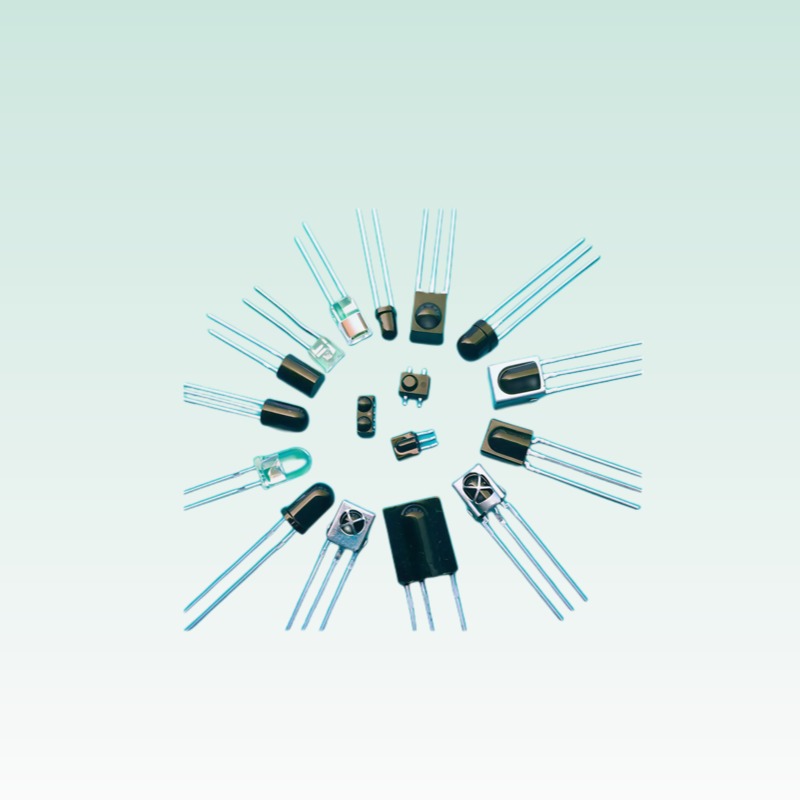
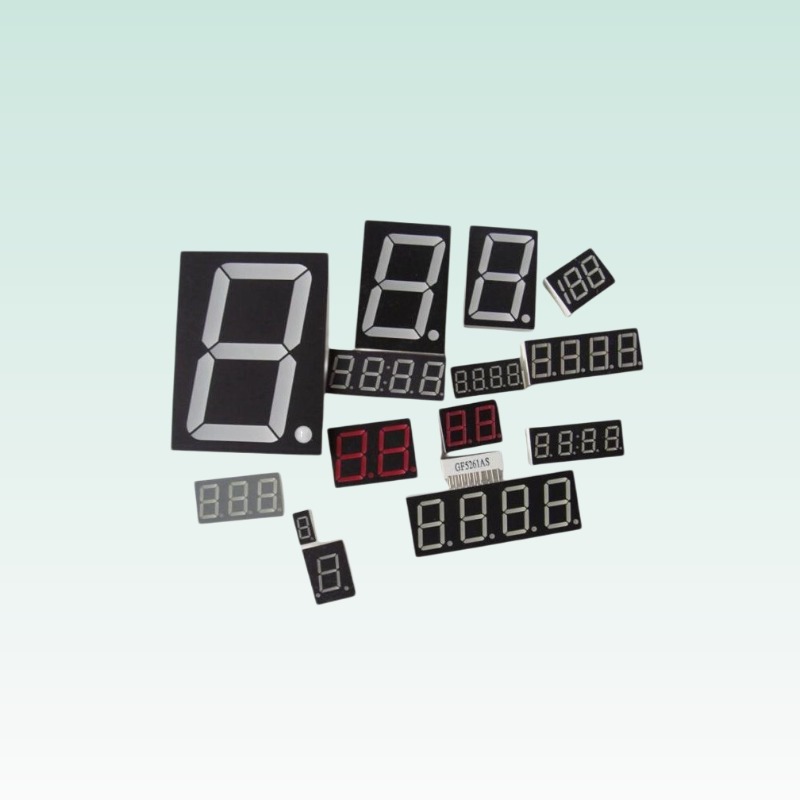
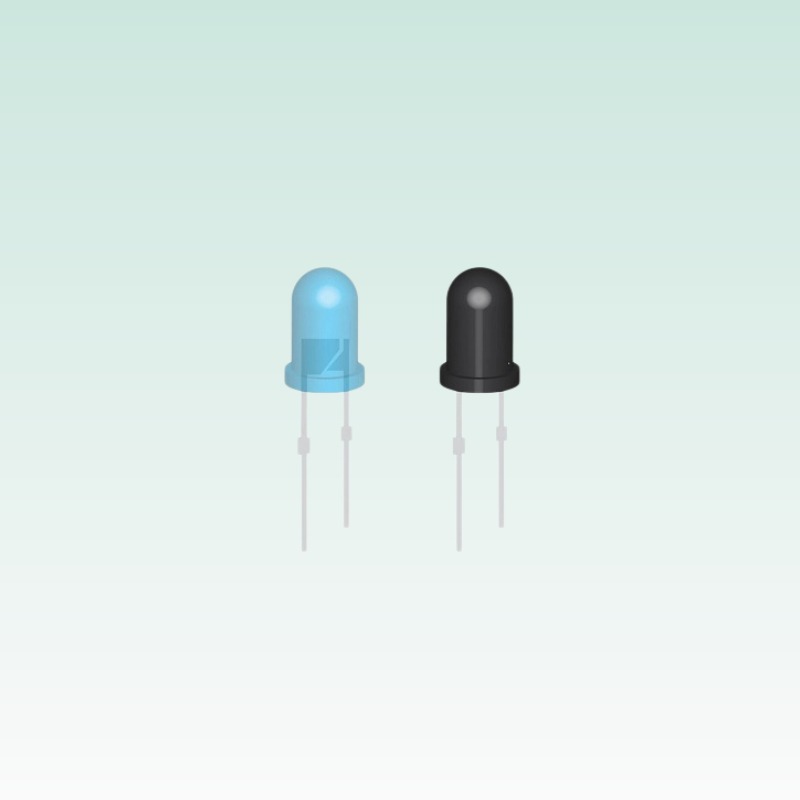
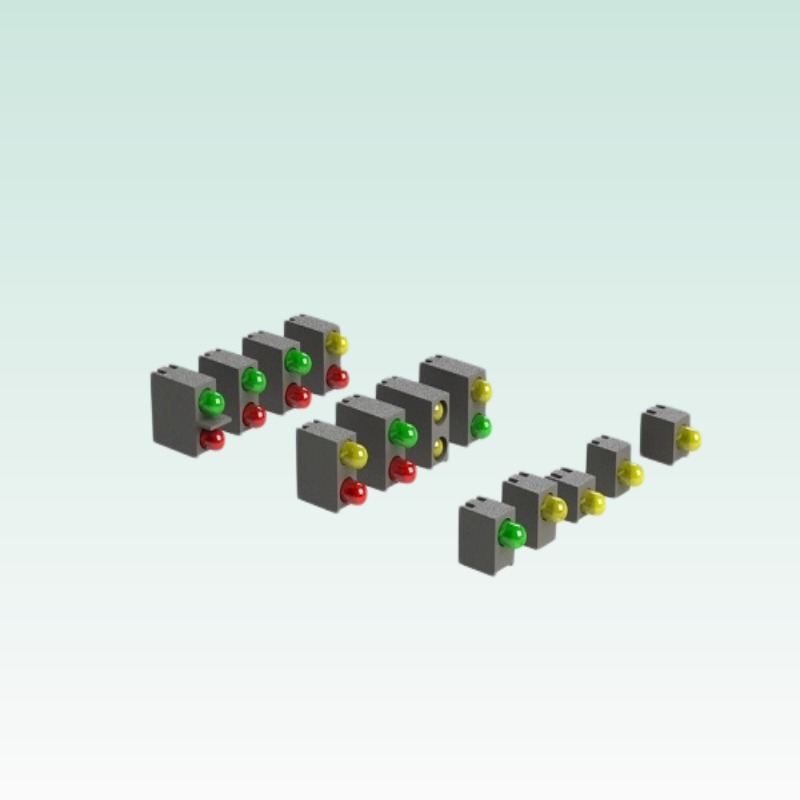


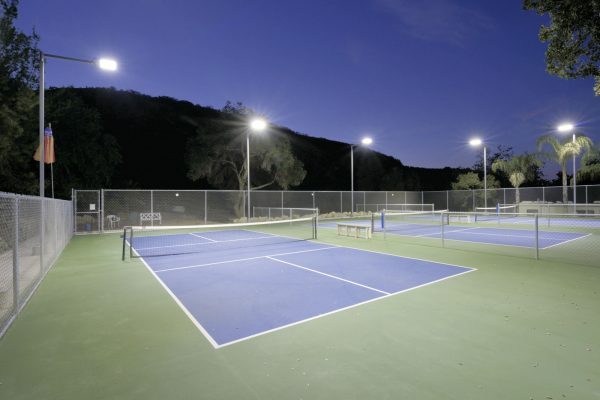




When designing an LED product, one of the earliest and most impactful decisions is selecting the chip package type. Each packaging technology — SMD, COB, CSP, and flip-chip — offers a different balance of brightness, thermal performance, cost, and optical control. Choosing the wrong package can lead to overheating, poor light quality, or unnecessary expense.
Surface-Mount Device (SMD) LED — The Workhorse
SMD LEDs are the most widely used package type today. The chip is mounted on a ceramic or plastic substrate with solder pads, and encapsulated with epoxy or silicone containing phosphor.
Key advantages:
- Mature supply chain with aggressive pricing
- Wide range of sizes: 0402, 0603, 0805, 1206, 2835, 3030, 3535, 5050
- Good color consistency when using bin-matched batches
- Suitable for both indicator and lighting applications
- Very high luminous flux per unit area (high luminance)
- Uniform light emission without “pixelated” appearance
- Excellent for directional lighting with secondary optics (lenses, reflectors)
- Good thermal performance due to direct die attach
- Ultra-compact size (down to 0.2mm per side)
- Excellent thermal resistance per unit area
- High efficacy due to minimal material absorption
- Enables extremely high-density arrays
- Superior thermal dissipation (lower thermal resistance)
- Higher current density capability
- Better reliability at high drive currents
- No wire bonds means better shock and vibration resistance
Best for: General lighting, backlighting, consumer electronics, signage, and applications where moderate brightness per package is acceptable.
Chip-on-Board (COB) LED — High Density, High Uniformity
COB packaging mounts multiple LED chips directly onto a single substrate, creating a dense array that appears as a single light source. The chips are bonded and then covered with a continuous phosphor layer.
Key advantages:
Best for: Spotlights, downlights, track lighting, high-bay fixtures, and any application requiring a compact, high-output source with clean beam control.
Chip-Scale Package (CSP) LED — Miniature and Efficient
CSP LEDs are essentially bare chips with only a phosphor coating and minimal packaging — the package is barely larger than the chip itself. This is the smallest form factor available.
Key advantages:
Best for: Mobile phone flashes, camera flashes, micro-displays, ultra-compact light engines, and applications where size is the primary constraint.
Flip-Chip LED — Maximum Thermal Performance
In flip-chip packaging, the LED die is inverted and bonded directly to the substrate via solder bumps. Light exits through the top (sapphire) side, while heat conducts directly from the p-n junction through the bottom contacts.
Key advantages:
Best for: High-power outdoor lighting, automotive headlamps, stage lighting, UV LEDs, and any application running at high current densities.
Quick Comparison Table
| Package | Typical Power | Brightness | Thermal | Cost | Best Use Case |
|---|---|---|---|---|---|
| SMD | 0.06–1W | Low-Medium | Good | Low | General lighting, indicators |
| COB | 5–100W+ | High | Very Good | Medium | Spotlights, high-bay |
| CSP | 1–5W | Medium-High | Excellent | Medium-High | Compact designs, displays |
| Flip-Chip | 3–50W+ | High | Best | High | Automotive, UV, high-power |
Decision Framework
1. If you need the lowest cost and moderate output: Start with SMD (3030 or 2835).
2. If you need a single high-intensity source with good beam control: Choose COB.
3. If size and form factor are critical: Consider CSP.
4. If you’re pushing high current densities or need maximum reliability: Go with flip-chip.
At Queendom LED, we provide full engineering support for package selection, including thermal simulation and photometric testing to validate your design before production.
Published for educational purposes — Queendom LED Technical Resources
Further reading: SMD LED Package Selection Guide · 5050 RGB Addressable LED Chips
