
 English
 Afrikaans
 Albanian
 Amharic
 Arabic
 Armenian
 Azerbaijani
 Basque
 Belarusian
 Bengali
 Bosnian
 Bulgarian
 Catalan
 Cebuano
 Chichewa
 Corsican
 Croatian
 Czech
Czech Danish
 Dutch
Dutch Esperanto
 Estonian
 Filipino
 Finnish
 French
 Frisian
 Galician
 Georgian
 German
 Greek
Greek Gujarati
 Haitian Creole
 Hausa
Hausa Hawaiian
 Hebrew
 Hindi
Hindi Hmong
Hmong Hungarian
 Icelandic
 Igbo
Igbo Indonesian
 Irish
Irish Italian
 Japanese
 Javanese
 Kannada
 Kazakh
 Khmer
Khmer Korean
 Kurdish (Kurmanji)
 Kyrgyz
 Lao
Lao Latin
Latin Latvian
 Lithuanian
 Luxembourgish
 Macedonian
 Malagasy
 Malay
Malay Malayalam
 Maltese
 Maori
Maori Marathi
 Mongolian
 Myanmar (Burmese)
 Nepali
 Norwegian
 Pashto
 Persian
 Polish
 Portuguese
 Punjabi
 Romanian
 Russian
 Samoan
 Scottish Gaelic
 Serbian
 Sesotho
 Shona
Shona Sindhi
 Sinhala
 Slovak
 Slovenian
 Somali
 Spanish
 Sudanese
 Swahili
 Swedish
 Tajik
Tajik Tamil
Tamil Telugu
 Thai
Thai Turkish
 Ukrainian
 Urdu
Urdu Uzbek
Uzbek Vietnamese
 Welsh
Welsh Xhosa
Xhosa Yiddish
 Yoruba
 Zulu
Zulu
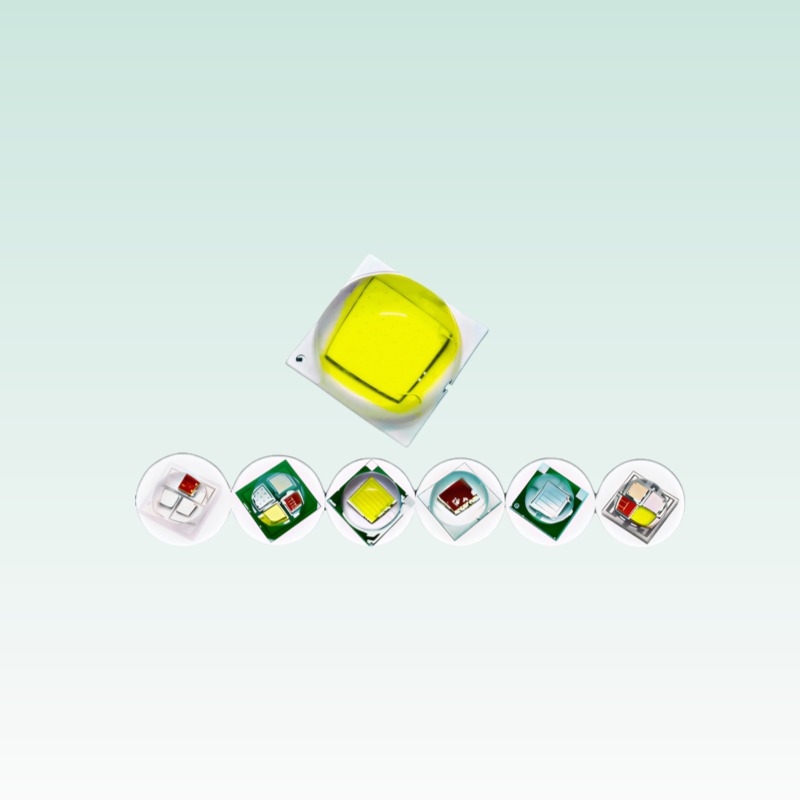

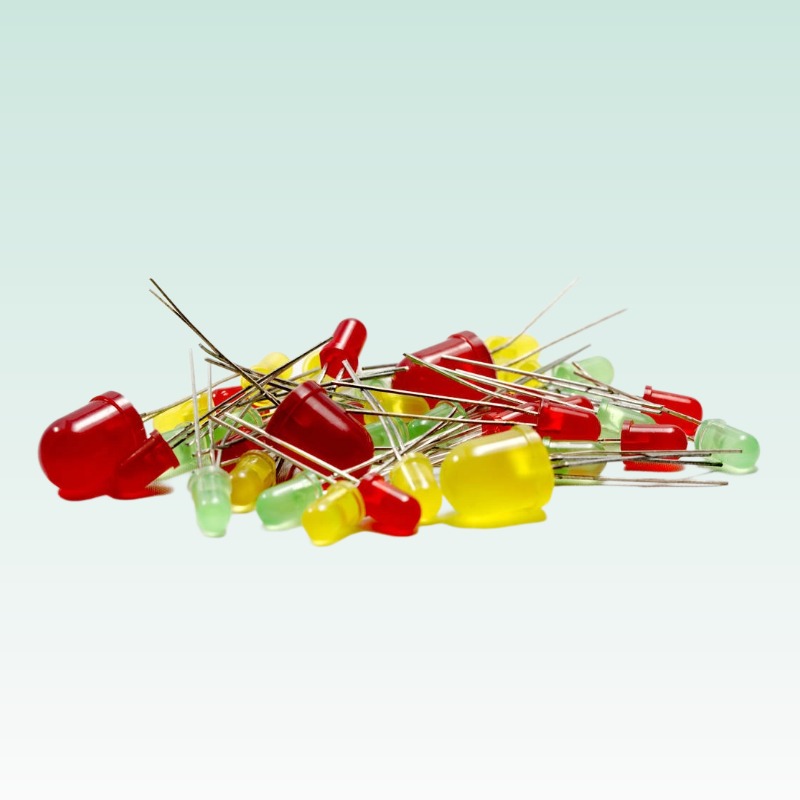
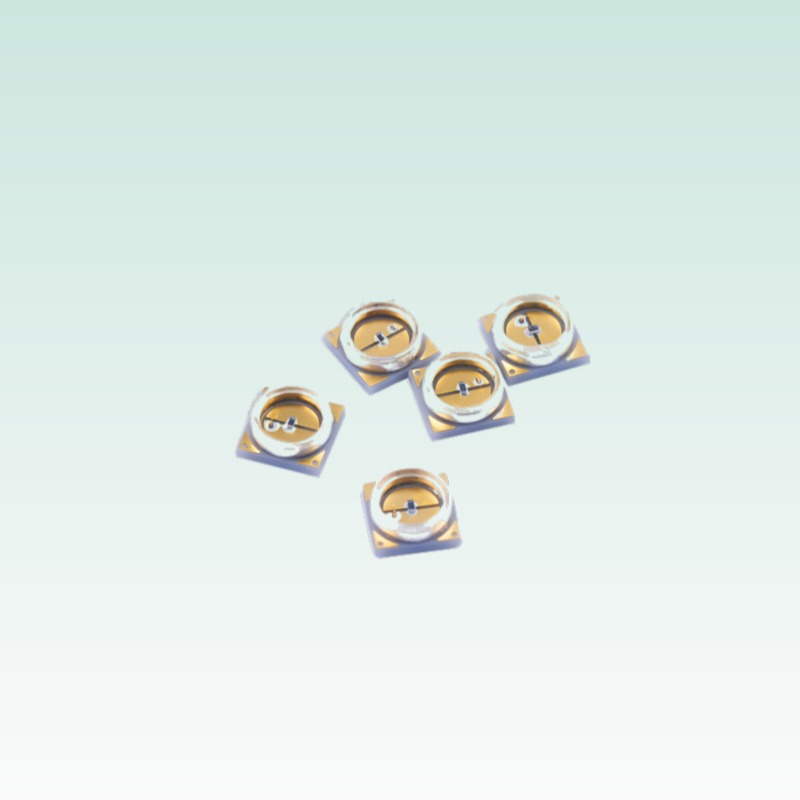
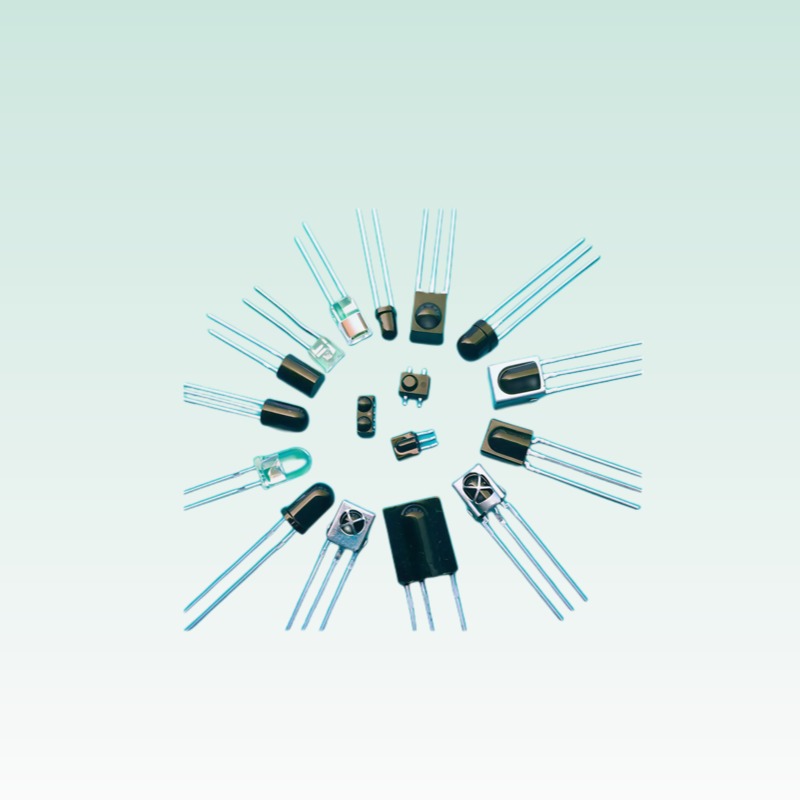






“AEC-Q102 qualified” appears on LED datasheets across the automotive supply chain — from interior ambient lighting to turn signals and instrument clusters. But the label means something specific: the component has passed a defined battery of stress tests designed for automotive electronics. Understanding what the standard covers (and what it does not) helps buyers avoid costly qualification failures.
What AEC-Q102 Is
AEC-Q102 is the Automotive Electronics Council’s qualification standard for discrete semiconductor optoelectronic devices — LEDs, photodiodes, and laser diodes. It was split out from the older AEC-Q101 (discrete semiconductors) because optoelectronic devices fail differently: their degradation modes involve light output decay, wavelength shift, and optical package aging, not just electrical drift.
The standard is maintained by the AEC, a body originally founded by Chrysler, Ford, and GM, and now followed by virtually every global vehicle manufacturer and Tier-1 supplier.
What the Standard Tests
AEC-Q102 requires devices to pass a defined set of stress tests, each with automotive-specific severity levels:
| Test family | What it verifies | Typical condition |
|---|---|---|
| Temperature cycling | Solder joint and die-attach integrity | −40°C to +125°C, hundreds of cycles |
| High temp operating life (HTOL) | Long-term biased operation | 125°C ambient, extended hours |
| Humidity bias (THB / 85/85) | Moisture ingress under bias | 85°C / 85% RH |
| High acceleration stress (HAST) | Accelerated moisture attack | Elevated temp/humidity/pressure |
| ESD (HBM, CDM) | Electrostatic discharge robustness | Automotive ESD levels |
| Vibration / mechanical shock | Package and wire-bond survival | Automotive vibration profiles |
| Solderability and reflow resistance | Assembly process survival | Lead-free reflow compatibility |
| Photometric degradation | Lumen maintenance and chromaticity shift | Device-specific limits |
The key difference from industrial-grade testing is sample size, lot acceptance, and change-notification discipline: automotive-qualified parts require periodic requalification, statistical process control data, and formal customer notification when the manufacturer changes materials or processes (PCN discipline).
Automotive-Grade vs Industrial-Grade LEDs
| Attribute | AEC-Q102 automotive grade | Industrial / commercial grade |
|---|---|---|
| Operating temperature range | Typically −40°C to +105/125°C | Often −40°C to +85°C |
| Qualification testing | Defined AEC-Q102 stress battery | Supplier-defined, varies widely |
| Change control | Formal PCN + requalification | Informal |
| Traceability | Lot-level traceability required | Varies |
| Typical premium | Higher unit cost | Lower |
| Typical use | Vehicle interior/exterior lighting, clusters | Signage, appliances, general products |
A common misconception: AEC-Q102 is not only about surviving harsh temperatures. A cabin ambient LED operates in a mild thermal environment but still needs automotive-grade change control and traceability because a field failure triggers a warranty campaign.
Where Automotive-Grade LEDs Are Used
- Exterior signaling — turn signals, position lamps, CHMSL, rear combination lamps
- Interior lighting — ambient light strips, map lamps, instrument cluster backlighting
- Display backlighting — center stack and cluster displays
- Sensing and safety — in-cabin driver monitoring IR illumination, LiDAR-adjacent emitters (in qualified platforms)
- Non-automotive high-reliability uses — some industrial and medical designers specify AEC-Q102 parts as a shortcut to proven robustness
Our automotive LED solutions and the automotive LED application case cover how these components are specified in real vehicle programs, from indicator-class chip LEDs to high-brightness signaling emitters.
What Buyers Should Verify
1. Ask for the actual qualification report — a datasheet claim should be backed by a stress-test summary with test conditions and sample sizes
2. Confirm the device grade within the standard — AEC-Q102 defines different requirements by application area; a “qualified” part may not cover your use condition
3. Check PPAP readiness — automotive programs require Production Part Approval Process documentation; not all LED suppliers support it
4. Verify change-notification commitments in writing — the qualification is only as good as the supplier’s process control after qualification
5. Match the environment, not the label — an AEC-Q102 part rated for cabin use is not automatically suited to engine-bay temperatures
Cost vs Risk: When Automotive Grade Is Worth It
For any part that goes into a vehicle platform — even a low-cost indicator LED — the warranty and recall exposure dwarfs the component premium, so automotive-grade specification is standard practice. For industrial products, AEC-Q102 parts serve as an insurance policy in harsh environments (outdoor sealed enclosures, vibration-heavy machinery) where the cost premium buys proven stress-test margin.
Queendom LED supplies LED components for automotive applications with tight binning, lot traceability, and change-control discipline, and supports customer-directed qualification programs for vehicle programs.
Published for educational purposes — Queendom LED Technical Resources
Further reading: Automotive LEDs Solutions · Automotive LED Application Case
