
 English
 Afrikaans
 Albanian
 Amharic
 Arabic
 Armenian
 Azerbaijani
 Basque
 Belarusian
 Bengali
 Bosnian
 Bulgarian
 Catalan
 Cebuano
 Chichewa
 Corsican
 Croatian
 Czech
Czech Danish
 Dutch
Dutch Esperanto
 Estonian
 Filipino
 Finnish
 French
 Frisian
 Galician
 Georgian
 German
 Greek
Greek Gujarati
 Haitian Creole
 Hausa
Hausa Hawaiian
 Hebrew
 Hindi
Hindi Hmong
Hmong Hungarian
 Icelandic
 Igbo
Igbo Indonesian
 Irish
Irish Italian
 Japanese
 Javanese
 Kannada
 Kazakh
 Khmer
Khmer Korean
 Kurdish (Kurmanji)
 Kyrgyz
 Lao
Lao Latin
Latin Latvian
 Lithuanian
 Luxembourgish
 Macedonian
 Malagasy
 Malay
Malay Malayalam
 Maltese
 Maori
Maori Marathi
 Mongolian
 Myanmar (Burmese)
 Nepali
 Norwegian
 Pashto
 Persian
 Polish
 Portuguese
 Punjabi
 Romanian
 Russian
 Samoan
 Scottish Gaelic
 Serbian
 Sesotho
 Shona
Shona Sindhi
 Sinhala
 Slovak
 Slovenian
 Somali
 Spanish
 Sudanese
 Swahili
 Swedish
 Tajik
Tajik Tamil
Tamil Telugu
 Thai
Thai Turkish
 Ukrainian
 Urdu
Urdu Uzbek
Uzbek Vietnamese
 Welsh
Welsh Xhosa
Xhosa Yiddish
 Yoruba
 Zulu
Zulu







Application Overview
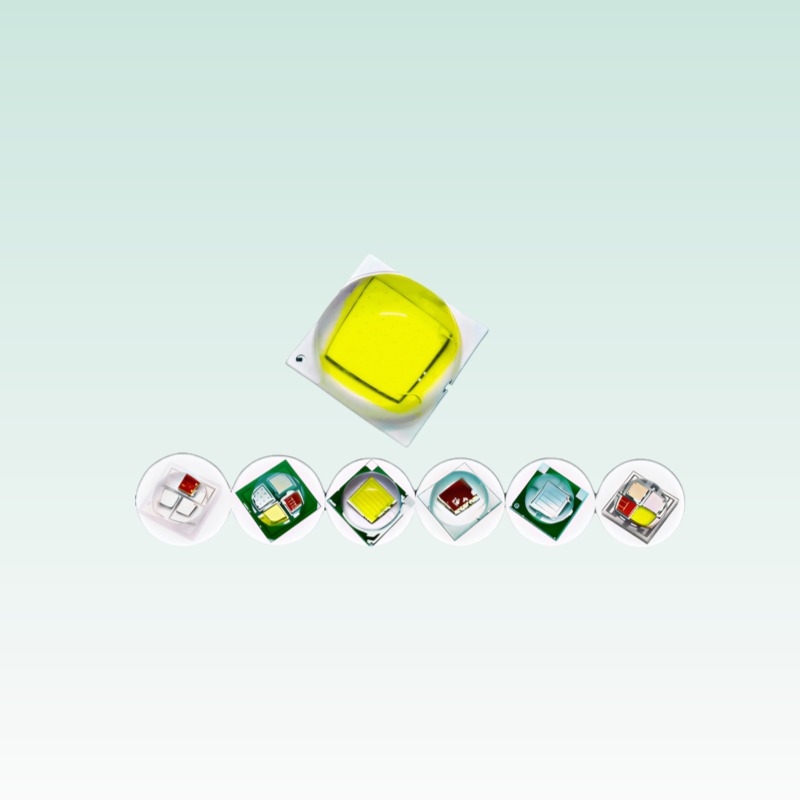
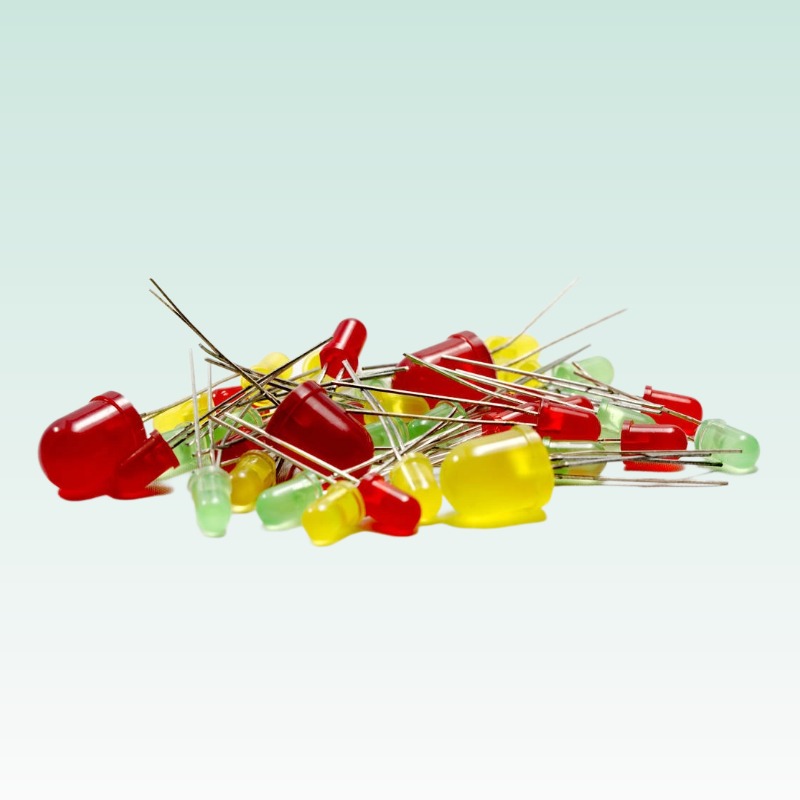
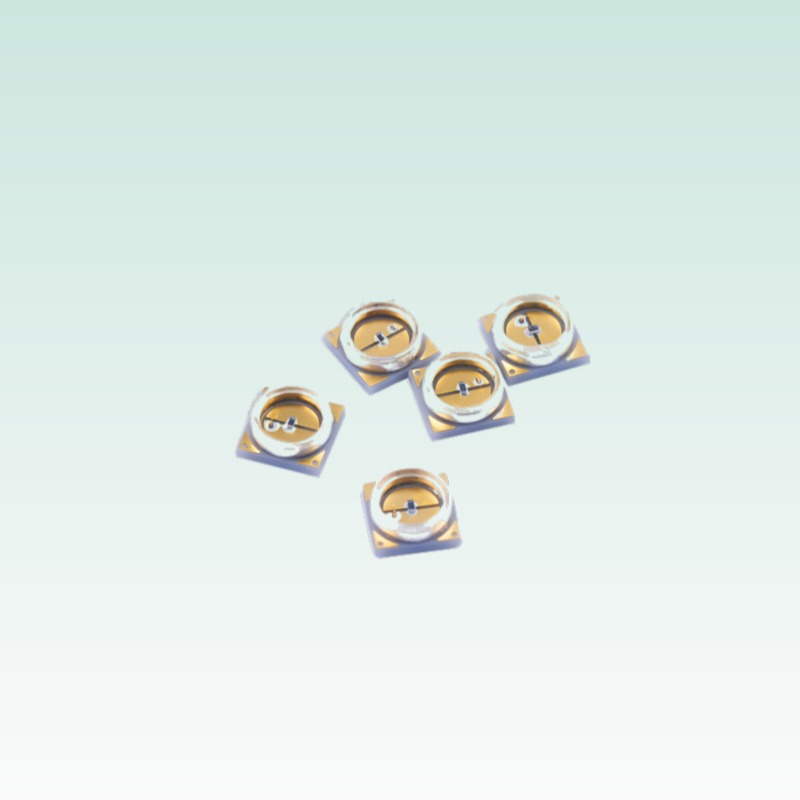
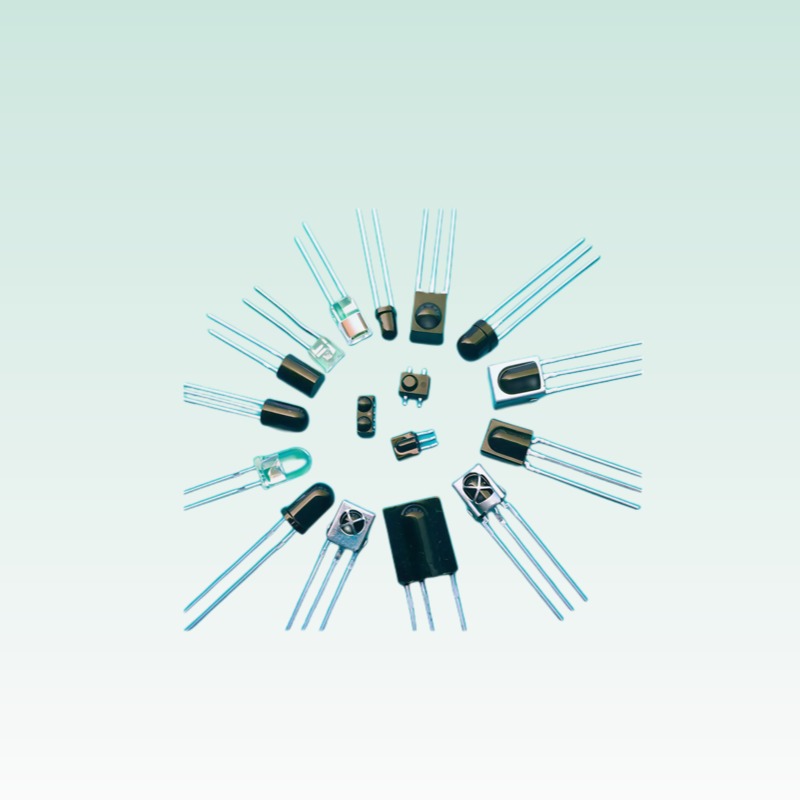
QUEENDOM’s Biomedical LED portfolio targets the rapidly expanding field of photomedicine, where specific light wavelengths trigger biological responses for therapeutic and diagnostic applications. The portfolio covers the key therapeutic windows: red (630-660nm) for superficial tissue treatments including wound healing, collagen stimulation, and anti-inflammatory effects; near-infrared (800-850nm) for deeper tissue penetration in muscle recovery, joint therapy, and neurological applications; and blue (400-470nm) for acne treatment and antimicrobial photodynamic therapy (aPDT). Unlike broad-spectrum light sources that waste energy in non-therapeutic wavelengths, our biomedical LEDs emit narrowband spectra (±10nm) that precisely match the absorption peaks of target chromophores — cytochrome c oxidase for red/NIR mitochondrial stimulation and porphyrins for blue-light antimicrobial action. The ceramic package platform provides the thermal stability required for high-irradiance medical devices (50-200mW/cm²) without the heat damage risks of halogen or incandescent sources. All biomedical LEDs are manufactured under ISO 13485 quality management with full traceability for FDA 510(k) and CE-MDR medical device submissions. The consistent optical output (±5% power variation) ensures repeatable dose delivery across treatment sessions and device units.
Technical Specifications
• Wavelength Range: Application-specific (see product datasheet)
• Optical Power: 1mW to 15W depending on configuration
• Package Options: 0603, 0805, 2835, 3535, 5050, 7070 ceramic
• Operating Temperature: -40°C to +85°C (industrial grade)
• Viewing Angle: 30° to 180° (lens and package dependent)
• ESD Protection: HBM 2000V-8000V
• Lifespan (L70): > 50,000 hours at rated current
Application Cases
Red Light Therapy Device for Wound Care
A US medical device company developed an FDA-cleared wound healing device using our 660nm red LEDs. The 100mW/cm² irradiance delivered 4J/cm² dose in 40 seconds, accelerating chronic wound closure by 40% compared to standard care in clinical trials. The 660nm wavelength matched the cytochrome c oxidase absorption peak, triggering increased ATP production and fibroblast proliferation. The ceramic package maintained <2°C temperature rise during treatment, preventing thermal tissue damage. The device achieved 510(k) clearance with our complete optical and biological safety documentation. Near-Infrared Brain Photobiomodulation A neuroscience research group at a major university used our 810nm NIR LEDs in a transcranial photobiomodulation device for traumatic brain injury rehabilitation. The 200mW/cm² irradiance with 10Hz pulsing delivered 12J/cm² to cortical tissue. fMRI studies showed increased cerebral blood flow and oxygenation in treated regions. The narrow 810±10nm spectrum avoided off-target heating from broader light sources. The consistent ±3% power output enabled reproducible dosing across 50-patient clinical trials. The research supported a Breakthrough Device Designation from FDA. Recommended Products • 3535 Ceramic LED Chips — Precision devices for medical and therapeutic applications • UVB 311nm LED for Phototherapy — Medical phototherapy for psoriasis and vitiligo treatment • SWIR LED Chips (970-1700nm) — Short-wave infrared for advanced medical imaging and diagnostics Certifications CE | RoHS | REACH | LM-80 tested | IEC 62471 | ISO 9001 Contact QUEENDOM Email: sales@queendomlamp.com Website: www.queendomlamp.com
Related Products
Further reading: Biomedical LEDs Solutions · PCR Fluorescence Analysis Case
