
 English
 Afrikaans
 Albanian
 Amharic
 Arabic
 Armenian
 Azerbaijani
 Basque
 Belarusian
 Bengali
 Bosnian
 Bulgarian
 Catalan
 Cebuano
 Chichewa
 Corsican
 Croatian
 Czech
Czech Danish
 Dutch
Dutch Esperanto
 Estonian
 Filipino
 Finnish
 French
 Frisian
 Galician
 Georgian
 German
 Greek
Greek Gujarati
 Haitian Creole
 Hausa
Hausa Hawaiian
 Hebrew
 Hindi
Hindi Hmong
Hmong Hungarian
 Icelandic
 Igbo
Igbo Indonesian
 Irish
Irish Italian
 Japanese
 Javanese
 Kannada
 Kazakh
 Khmer
Khmer Korean
 Kurdish (Kurmanji)
 Kyrgyz
 Lao
Lao Latin
Latin Latvian
 Lithuanian
 Luxembourgish
 Macedonian
 Malagasy
 Malay
Malay Malayalam
 Maltese
 Maori
Maori Marathi
 Mongolian
 Myanmar (Burmese)
 Nepali
 Norwegian
 Pashto
 Persian
 Polish
 Portuguese
 Punjabi
 Romanian
 Russian
 Samoan
 Scottish Gaelic
 Serbian
 Sesotho
 Shona
Shona Sindhi
 Sinhala
 Slovak
 Slovenian
 Somali
 Spanish
 Sudanese
 Swahili
 Swedish
 Tajik
Tajik Tamil
Tamil Telugu
 Thai
Thai Turkish
 Ukrainian
 Urdu
Urdu Uzbek
Uzbek Vietnamese
 Welsh
Welsh Xhosa
Xhosa Yiddish
 Yoruba
 Zulu
Zulu
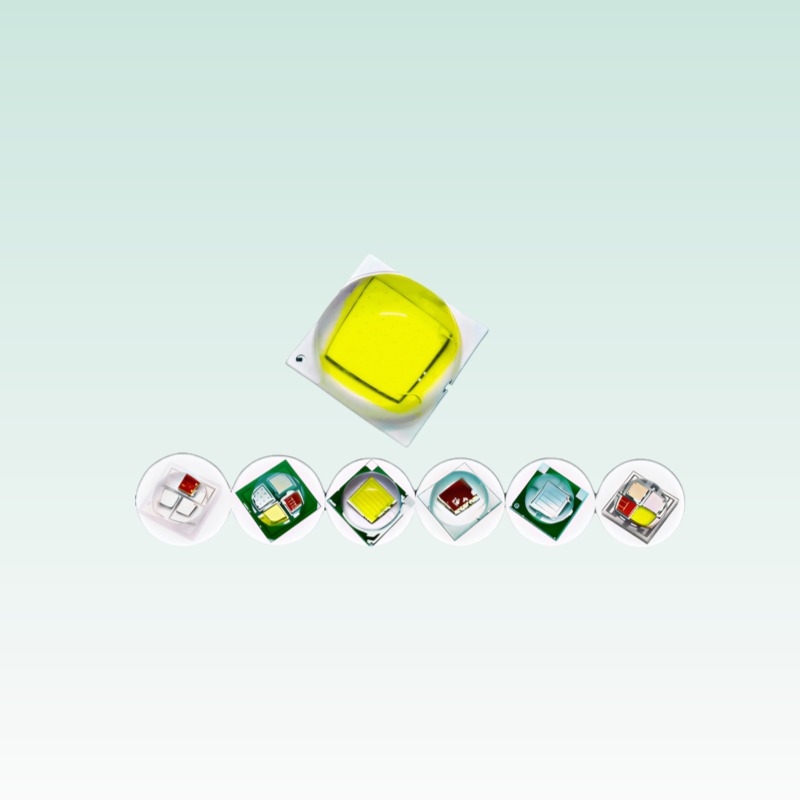

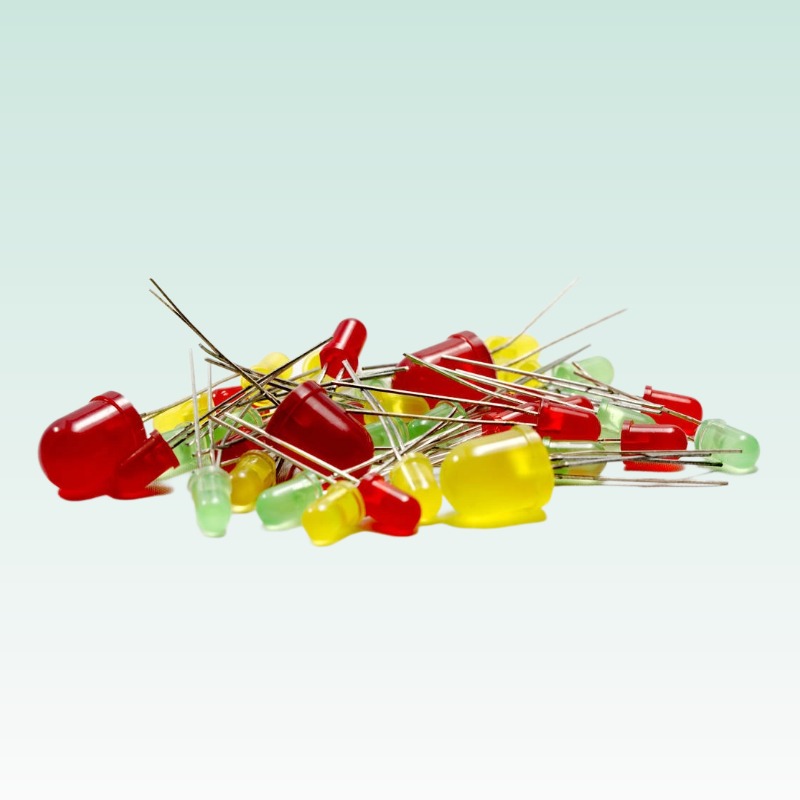
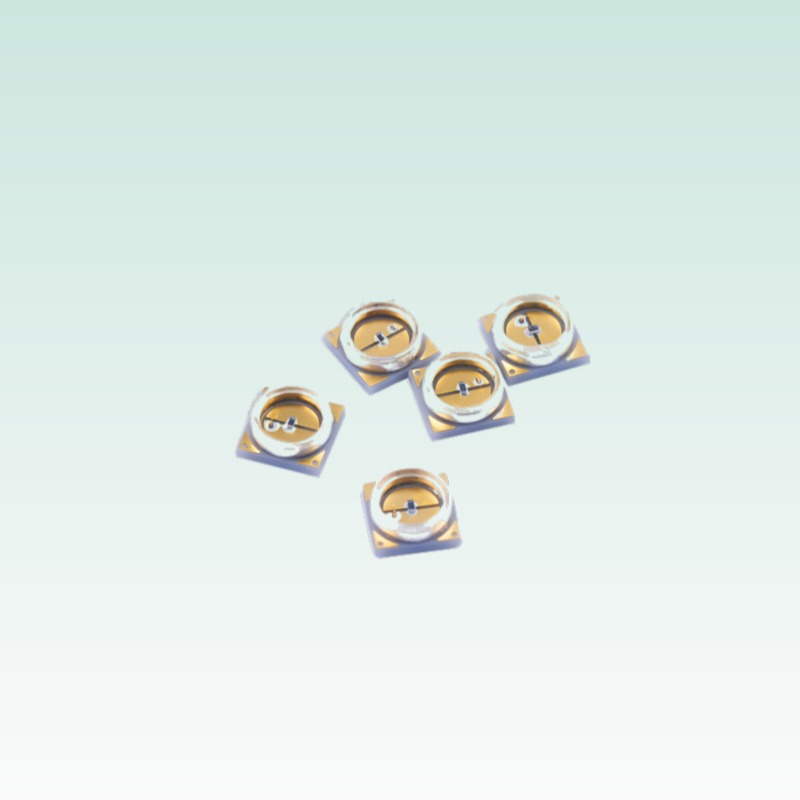
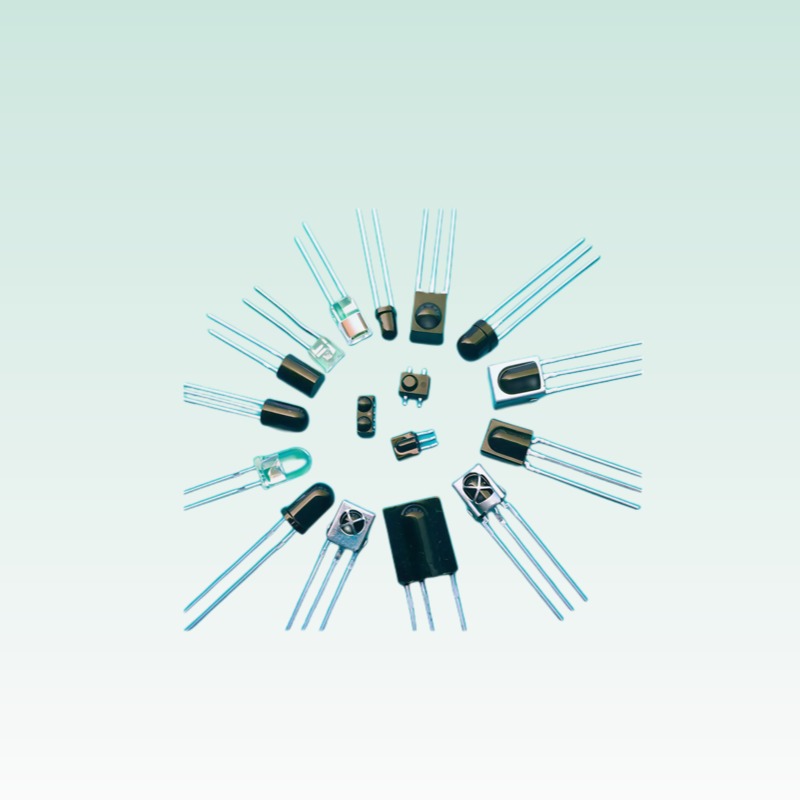








The choice between 850nm vs 940nm infrared LED is one of the most consequential decisions in any IR illumination or sensing design. Pick the wrong wavelength and you either lose detection range — or your “invisible” light source announces itself with a faint red glow. This guide breaks down the physics behind each wavelength and maps them to real applications.
Why the Two Wavelengths Behave Differently
Both wavelengths sit just beyond the visible spectrum (700nm), but that ~90nm gap changes three things at once:
- Material efficiency — 850nm emitters typically deliver 20–30% more radiant power than comparable 940nm parts at the same drive current
- Sensor response — silicon photodiodes and CMOS sensors peak around 800–900nm, so they respond more strongly to 850nm light
- Visibility — the 850nm spectrum tail overlaps the edge of human vision, producing a faint red glow at high drive currents; 940nm is completely invisible
- CCTV night vision — security cameras pair 850nm illuminators with IR-cut filters for monochrome night mode at maximum range
- Machine vision and AOI — industrial cameras use 850nm lighting to reduce ambient-light interference and surface glare on metals and polymers
- Beam-break and counting sensors — the stronger return signal relaxes alignment tolerances on long conveyor lines
- License plate recognition — high radiant intensity supports reliable capture at vehicle speeds
- Covert security and wildlife cameras — no glow means no visual deterrent and no attracting attention
- Face recognition and biometric gates — invisible illumination is more comfortable for users standing close to the sensor
- Proximity and gesture sensing — consumer devices (phones, faucets, appliances) use 940nm because it is invisible and eye-safe at close range
- Occupancy and people counting — ceiling sensors run continuously; invisible emission avoids complaints in offices and retail
- Does the application need maximum range? 850nm
- Will people stand within 1–2 meters of the emitter? 940nm
- Is the camera a standard CMOS with removable IR-cut filter? 850nm
- Is the device battery-powered and duty-cycled? Either works — compare total radiant efficiency
- Operating environment with strong sunlight? Prefer 850nm with proper optical filtering, since sensor response headroom matters more
- Regulatory comfort for consumer products near the eye? 940nm
850nm IR LEDs: Maximum Range and Signal
When detection range and signal-to-noise ratio are the priority, 850nm is usually the right choice.
Best suited for:
The tradeoff: at high drive currents, an 850nm array shows a dull red dot visible to anyone looking directly at the fixture. For most industrial applications this is acceptable or even useful for setup verification.
940nm IR LEDs: Zero Glow, Zero Attention
When the light source must stay completely unnoticed, 940nm is the answer.
Best suited for:
The tradeoff: expect roughly 30–40% less usable signal compared to an equivalent 850nm design, which means shorter range or higher drive current for the same performance.
Side-by-Side Comparison
| Parameter | 850nm IR LED | 940nm IR LED |
|---|---|---|
| Radiant power (same current) | Higher (reference) | Typically 30–40% lower |
| Silicon sensor response | Strong | Reduced at longer wavelength |
| Visible red glow | Faint red at high current | None |
| Typical package options | Broadest (DIP, SMD, high-power) | Broad (DIP, SMD, high-power) |
| Relative cost | Lower | Slightly higher |
| Best for | CCTV, machine vision, long range | Covert, biometric, consumer sensing |
Selection Checklist
Packaging Notes for Design Engineers
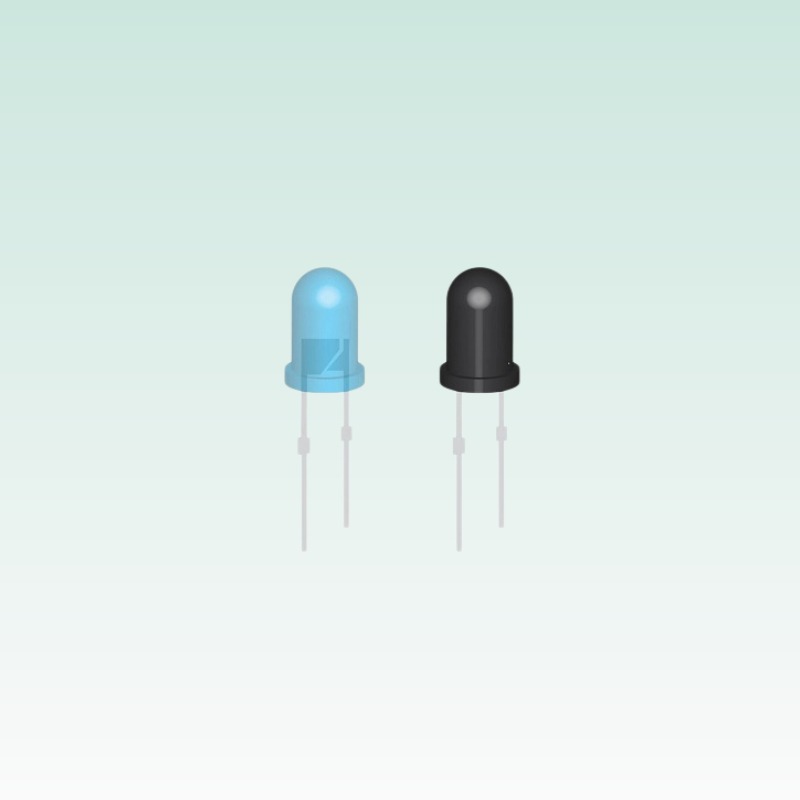
Both wavelengths are available in through-hole (3mm, 5mm, 8mm, 10mm) and SMD formats. For compact designs, SMD packages such as the 2012 metric (0805 imperial) and 3535 are common choices — our 2012 infrared LEDs and 3535 infrared LEDs cover low-power sensing through high-radiance illumination. Always match the viewing angle to your optics: narrow angles (30–60°) concentrate intensity for long range, while wide angles (120°+) illuminate the full scene.
Real-World Example
In an infrared camera application case, 850nm emitters were selected for perimeter monitoring where range mattered more than concealment, while a 940nm variant was specified for the indoor areas where visitors would notice a red glow.
Queendom LED supplies a full range of 850nm and 940nm infrared LEDs in through-hole, SMD, and high-power packages, with custom wavelengths, viewing angles, and binning options available for volume projects.
Published for educational purposes — Queendom LED Technical Resources
Further reading: IR LED Applications in Smart Home and Industrial Sensing · Infrared LED Camera Application Case
