
 English
 Afrikaans
 Albanian
 Amharic
 Arabic
 Armenian
 Azerbaijani
 Basque
 Belarusian
 Bengali
 Bosnian
 Bulgarian
 Catalan
 Cebuano
 Chichewa
 Corsican
 Croatian
 Czech
Czech Danish
 Dutch
Dutch Esperanto
 Estonian
 Filipino
 Finnish
 French
 Frisian
 Galician
 Georgian
 German
 Greek
Greek Gujarati
 Haitian Creole
 Hausa
Hausa Hawaiian
 Hebrew
 Hindi
Hindi Hmong
Hmong Hungarian
 Icelandic
 Igbo
Igbo Indonesian
 Irish
Irish Italian
 Japanese
 Javanese
 Kannada
 Kazakh
 Khmer
Khmer Korean
 Kurdish (Kurmanji)
 Kyrgyz
 Lao
Lao Latin
Latin Latvian
 Lithuanian
 Luxembourgish
 Macedonian
 Malagasy
 Malay
Malay Malayalam
 Maltese
 Maori
Maori Marathi
 Mongolian
 Myanmar (Burmese)
 Nepali
 Norwegian
 Pashto
 Persian
 Polish
 Portuguese
 Punjabi
 Romanian
 Russian
 Samoan
 Scottish Gaelic
 Serbian
 Sesotho
 Shona
Shona Sindhi
 Sinhala
 Slovak
 Slovenian
 Somali
 Spanish
 Sudanese
 Swahili
 Swedish
 Tajik
Tajik Tamil
Tamil Telugu
 Thai
Thai Turkish
 Ukrainian
 Urdu
Urdu Uzbek
Uzbek Vietnamese
 Welsh
Welsh Xhosa
Xhosa Yiddish
 Yoruba
 Zulu
Zulu
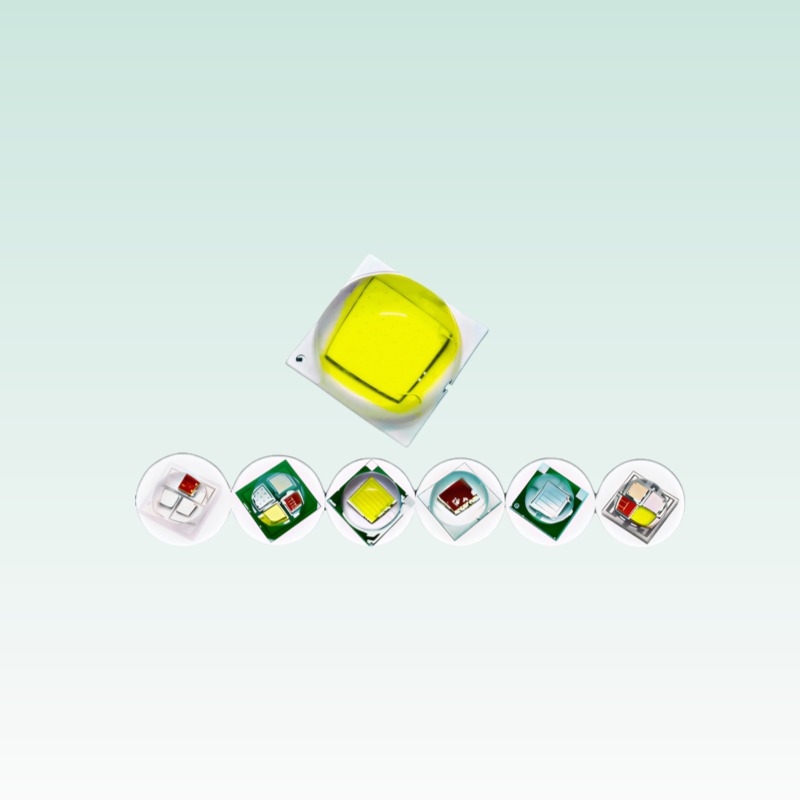
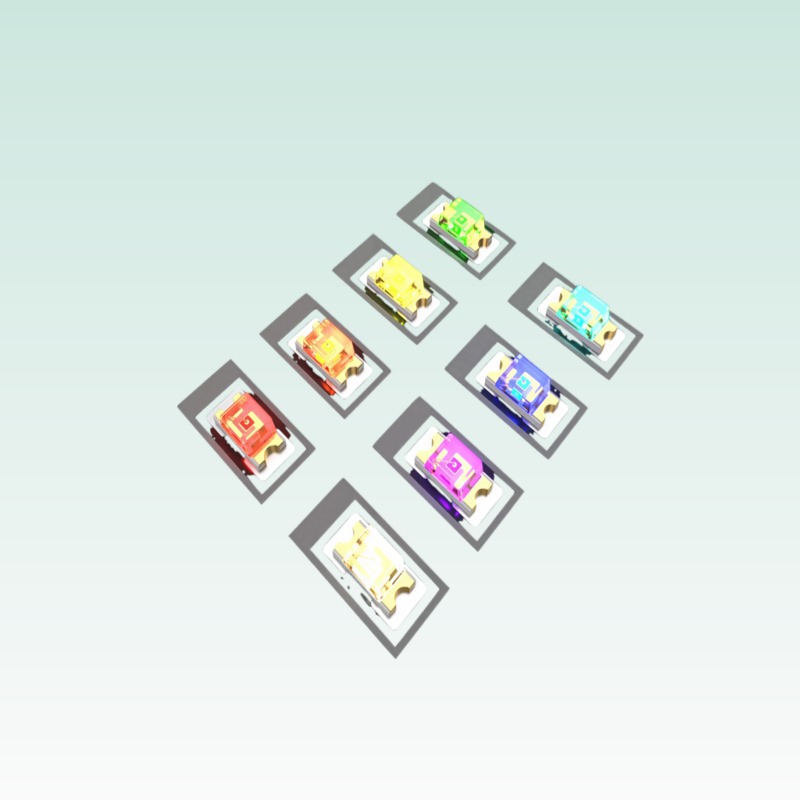
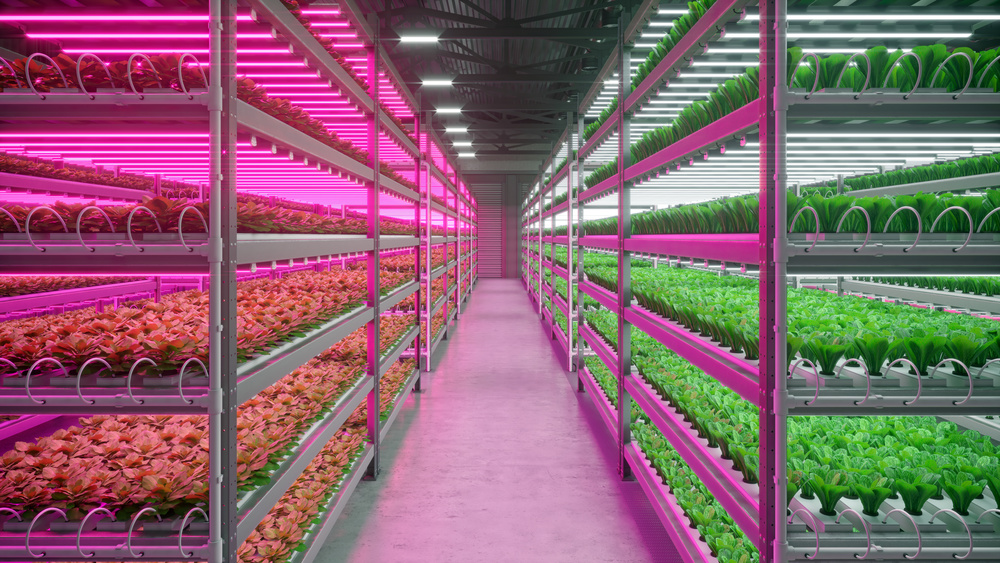



LED grow lights displace 600 W and 1000 W HPS fixtures in high-tech greenhouses for three measurable reasons: photon efficacy, spectral control and low radiant heat. High-performance LED fixtures now reach about 3.0 umol/J, while an HPS system including ballast losses sits near 1.7 umol/J. For a winter supplement program running 12-16 h per day, that gap cuts electricity per photon by 40% or more, and the other advantages compound it.
The Numbers: Efficacy and Energy Cost
| Parameter | HPS 1000 W | Horticultural LED |
|---|---|---|
| Photon efficacy | ~1.7 umol/J | 2.8-3.0 umol/J |
| PPF per fixture | ~1,750 umol/s | 1,800-2,100 umol/s |
| Spectrum | fixed, yellow-orange | tunable red/blue/far-red |
| Dimming | limited | 0-10 V / DALI |
| Radiant heat | high IR load on canopy | low |
| Service life | ~12,000 h, relamping | 50,000 h at L70 |
| Rebate eligibility | none | DLC QPL horticultural listing |
Worked example for a 1 ha house (10,000 m2) running winter supplement at an average 300 umol/m2/s: the canopy needs 3,000,000 umol/s. At 1.7 umol/J, the HPS fleet consumes about 1,765 kW; at 2.9 umol/J, the LED fleet needs about 1,034 kW. That is 731 kW less, a 41% reduction, or roughly 11,700 kWh per 16 h day. At $0.12/kWh the saving approaches $1,400 per day, about $210,000 over a 150-day season. Rebates on DLC-listed fixtures typically recover another 10-30% of installed cost.
Spectrum Control HPS Cannot Offer
HPS emits a fixed spectrum dominated by yellow-orange lines, with almost no blue and little far-red. A horticultural LED with independent channels lets the grower balance blue, red and far-red: more blue for compact growth, added far-red for controlled stem extension or flowering timing. Dimming through 0-10 V or DALI supports stage-by-stage photoperiod programs that HPS ballasts handle poorly, so the same fixture serves propagation, vegetative growth and finishing.
Radiant Heat and Canopy Distance
HPS lamps dump a large share of input power as infrared, which scorches leaves at close range and adds cooling load. Because LEDs radiate far less heat, fixtures can sit closer to the canopy without damage, and the light distribution, wide, batwing or asymmetric, can be matched to bench, rail or truss layouts instead of forcing the layout to adapt to the lamp. Lower radiant output also trims ventilation and dehumidification load in sealed houses.
Lifetime, Maintenance and Compliance
LED grow lights commonly carry 50,000 h L70 ratings against roughly 12,000 h for HPS lamps, so relamping labor at truss height largely disappears over the first decade. For North American retrofits, DLC Premium horticultural listing is a practical requirement rather than a nice-to-have: it qualifies the project for utility rebates and serves as independent third-party proof of photon efficacy and thermal performance for lenders, investors and grant reporting. Retrofit planning should still start from the photometric file: define the target PPFD and DLI per crop, then simulate mounting height and spacing before purchasing.
FAQ
Is LED spectrum as good for crops as HPS?
Crops respond to spectral composition, not to lamp type. Tunable LED spectra match or exceed HPS for photosynthesis and add control over plant morphology that HPS cannot provide.
Can a greenhouse retrofit in phases?
Yes. Convert blocks or zones and keep HPS for peak-demand days. Confirm each LED model’s DLC listing before ordering to protect rebate eligibility.
Do the energy savings hold in summer?
Partly. When sunlight covers the DLI target, both systems dim or switch off, but LED dimming is smoother and saves proportionally more at part load.
