
 English
 Afrikaans
 Albanian
 Amharic
 Arabic
 Armenian
 Azerbaijani
 Basque
 Belarusian
 Bengali
 Bosnian
 Bulgarian
 Catalan
 Cebuano
 Chichewa
 Corsican
 Croatian
 Czech
Czech Danish
 Dutch
Dutch Esperanto
 Estonian
 Filipino
 Finnish
 French
 Frisian
 Galician
 Georgian
 German
 Greek
Greek Gujarati
 Haitian Creole
 Hausa
Hausa Hawaiian
 Hebrew
 Hindi
Hindi Hmong
Hmong Hungarian
 Icelandic
 Igbo
Igbo Indonesian
 Irish
Irish Italian
 Japanese
 Javanese
 Kannada
 Kazakh
 Khmer
Khmer Korean
 Kurdish (Kurmanji)
 Kyrgyz
 Lao
Lao Latin
Latin Latvian
 Lithuanian
 Luxembourgish
 Macedonian
 Malagasy
 Malay
Malay Malayalam
 Maltese
 Maori
Maori Marathi
 Mongolian
 Myanmar (Burmese)
 Nepali
 Norwegian
 Pashto
 Persian
 Polish
 Portuguese
 Punjabi
 Romanian
 Russian
 Samoan
 Scottish Gaelic
 Serbian
 Sesotho
 Shona
Shona Sindhi
 Sinhala
 Slovak
 Slovenian
 Somali
 Spanish
 Sudanese
 Swahili
 Swedish
 Tajik
Tajik Tamil
Tamil Telugu
 Thai
Thai Turkish
 Ukrainian
 Urdu
Urdu Uzbek
Uzbek Vietnamese
 Welsh
Welsh Xhosa
Xhosa Yiddish
 Yoruba
 Zulu
Zulu
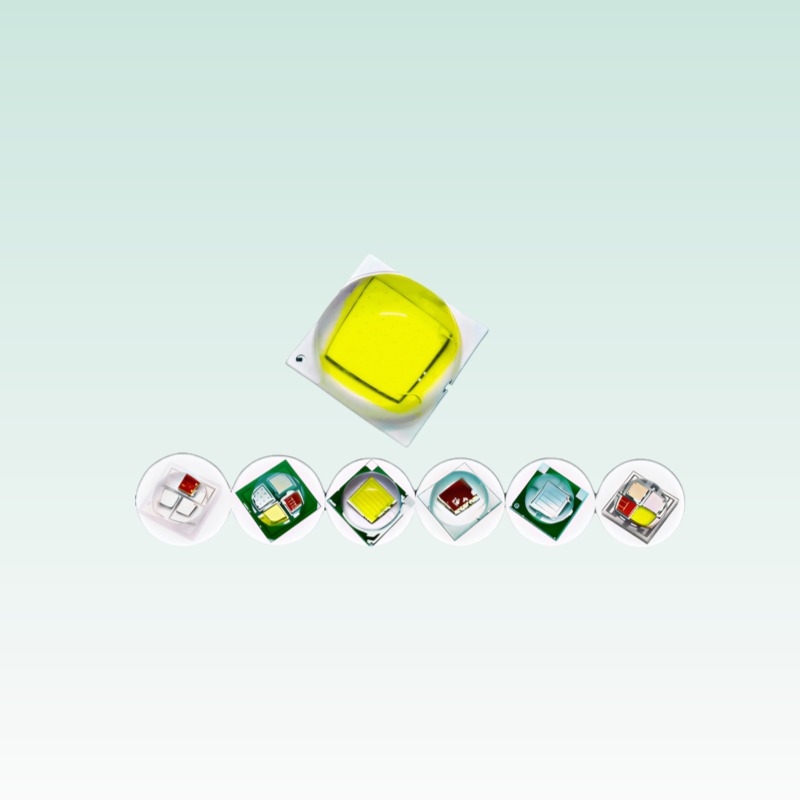

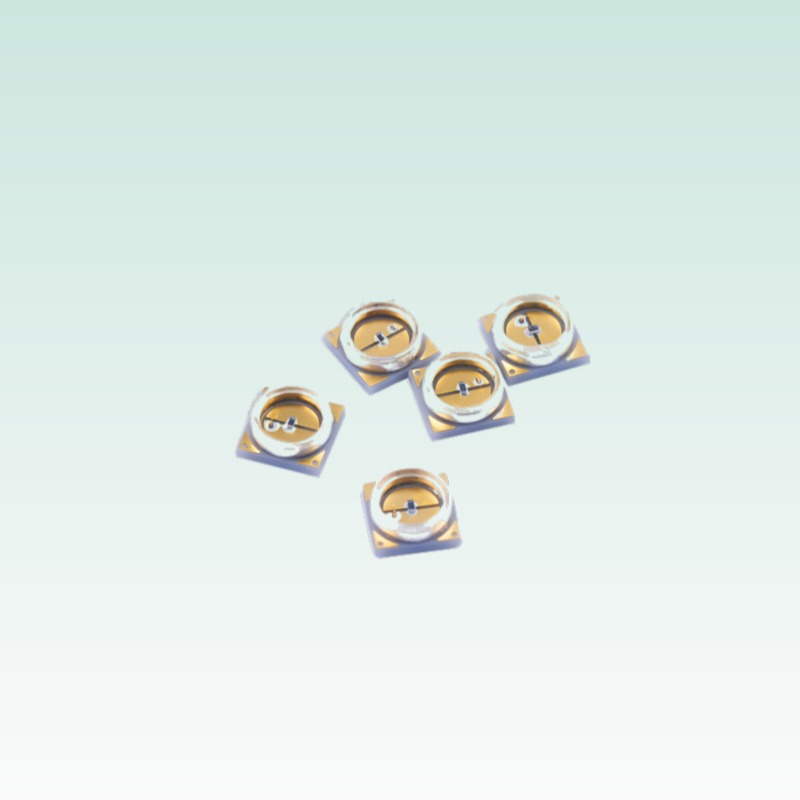


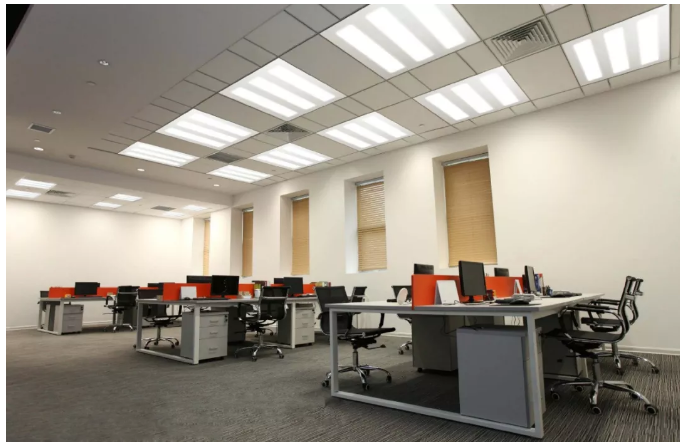




The United States Food and Drug Administration has issued revised guidance covering pharmaceutical manufacturing lighting, and for the first time the text explicitly recommends LED technology for GMP-compliant cleanroom operations nationwide. The update ends years of technology-neutral wording and folds UVC 254nm sterilization into the same framework as general illumination. For plant engineering and quality assurance teams, the message is direct: lighting is now treated operationally as a contamination-control device, not a background utility.
What the revised guidance requires
Two requirements anchor the framework. First, UVC 254nm LED sterilization technology must be integrated for microbial control inside aseptic processing areas. Second, occupied pharmaceutical workspaces must stay within human-safe exposure limits at all times. LED panel lights installed in pharmaceutical manufacturing facilities must demonstrate independently validated microbial kill rates exceeding 99.9 percent against specified pathogen panels (to be verified), accompanied by documented photobiological safety assessment data.
| Requirement | Applies to | Benchmark | Documentation needed |
|---|---|---|---|
| Microbial kill rate | UVC modules in aseptic areas | >99.9% on specified pathogen panels (to be verified) | Independent laboratory validation reports |
| Photobiological safety | Occupied workspaces | IEC 62471 exposure limits | Photobiological assessment data |
| General illumination | Vial and syringe inspection zones | Stable color rendering | Photometric test files |
The combination effectively excludes unproven UV sources from GMP environments and concentrates the compliance pathway on far-UVC LED products.
Why UVC 254nm anchors the compliance path
UVC 254nm remains the reference wavelength for germicidal validation, with decades of dose-response data against bacteria, viruses, and spores. Under the guidance, systems operating at 254nm satisfy the microbial-control requirement when installed with interlocks, shielded optics, and unoccupied duty cycles that keep occupied zones compliant under IEC 62471. Facilities that integrate 254nm modules into LED panel enclosures gain a single qualification path covering both illumination and disinfection, though access control and exposure documentation carry a heavier validation load than ordinary lighting retrofits (to be verified).
What retrofit planning now involves
Existing cleanroom lighting retrofits must be planned around dual functions: high-quality general illumination with stable color rendering for visual inspection of vials, syringes, and lyophilized products, plus integrated or co-located UVC disinfection for air handling units and occupied ceiling zones. Engineering teams need to validate kill-rate claims against their own pathogen panels, coordinate testing with accredited laboratories, and maintain ongoing documentation for FDA inspection. Lighting now sits in the same validation discipline as HEPA filtration and sanitization processes.
The implications reach beyond the largest manufacturers. Contract manufacturing organizations and sterile fill-finish sites operate on the same equipment base (to be verified), and each retrofit now carries two budgets: photometric hardware and validation services. The workload favors suppliers with standardized, well-documented product platforms over one-off custom designs, because repeatable validation data and consistent hardware reduce the documentation burden on the customer.
Buyer checklist for 2026 procurement
1. Treat lighting procurement as part of the facility contamination-control strategy, not facilities management.
2. Request detailed microbiological validation reports for every UVC product under review.
3. Verify the interlock and shielding design that keeps 254nm emission confined to unoccupied duty cycles.
4. Confirm compatibility with existing cleanroom classification and airflow validation programs.
5. Compare suppliers on repeatable validation data and consistent hardware, since both reduce the documentation burden on your quality team.
Manufacturers positioned with UVC LED panel products that carry independent kill-rate and photobiological documentation are best placed to meet the 2026 expectations of regulators and pharmaceutical quality assurance teams.
FAQ
Does the guidance ban mercury UV lamps outright?
No. It sets validation and safety documentation standards that mercury-based systems struggle to meet in occupied zones (to be verified). Facilities can retain legacy sources where the use case supports it.
Who performs the 99.9 percent kill-rate testing?
Independent accredited laboratories. The guidance expects validation data the facility can present during inspection (to be verified), not supplier datasheet claims alone.
Does this apply outside the United States?
The guidance is US federal policy, but GMP suppliers exporting to the US market will need aligned documentation for their cleanroom lighting programs.
Fact-check status: source list pending
