 English
 Afrikaans
 Albanian
 Amharic
 Arabic
 Armenian
 Azerbaijani
 Basque
 Belarusian
 Bengali
 Bosnian
 Bulgarian
 Catalan
 Cebuano
 Chichewa
 Corsican
 Croatian
 Czech
Czech Danish
 Dutch
Dutch Esperanto
 Estonian
 Filipino
 Finnish
 French
 Frisian
 Galician
 Georgian
 German
 Greek
Greek Gujarati
 Haitian Creole
 Hausa
Hausa Hawaiian
 Hebrew
 Hindi
Hindi Hmong
Hmong Hungarian
 Icelandic
 Igbo
Igbo Indonesian
 Irish
Irish Italian
 Japanese
 Javanese
 Kannada
 Kazakh
 Khmer
Khmer Korean
 Kurdish (Kurmanji)
 Kyrgyz
 Lao
Lao Latin
Latin Latvian
 Lithuanian
 Luxembourgish
 Macedonian
 Malagasy
 Malay
Malay Malayalam
 Maltese
 Maori
Maori Marathi
 Mongolian
 Myanmar (Burmese)
 Nepali
 Norwegian
 Pashto
 Persian
 Polish
 Portuguese
 Punjabi
 Romanian
 Russian
 Samoan
 Scottish Gaelic
 Serbian
 Sesotho
 Shona
Shona Sindhi
 Sinhala
 Slovak
 Slovenian
 Somali
 Spanish
 Sudanese
 Swahili
 Swedish
 Tajik
Tajik Tamil
Tamil Telugu
 Thai
Thai Turkish
 Ukrainian
 Urdu
Urdu Uzbek
Uzbek Vietnamese
 Welsh
Welsh Xhosa
Xhosa Yiddish
 Yoruba
 Zulu
Zulu
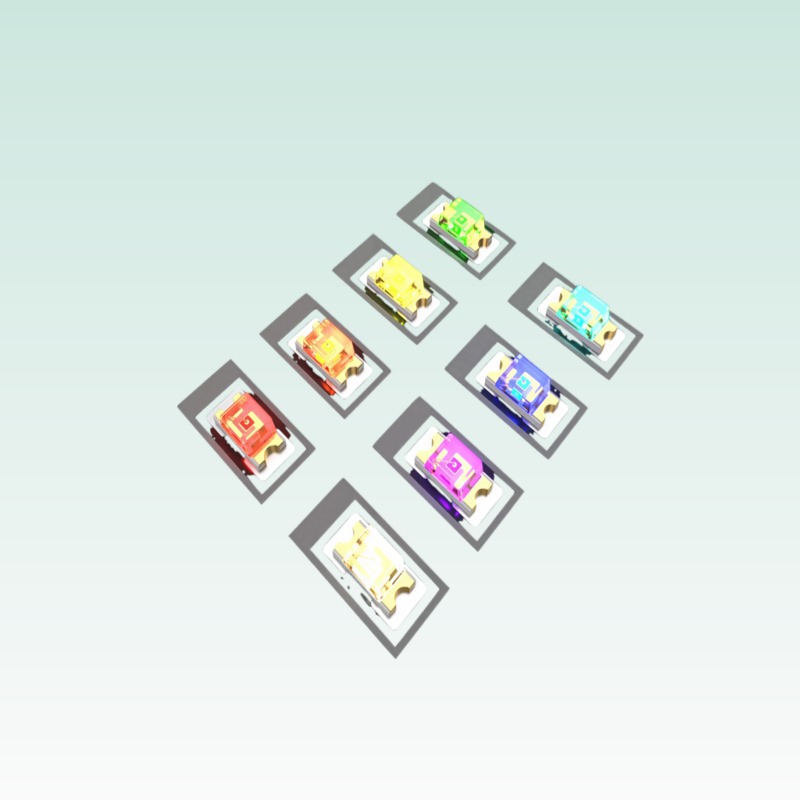
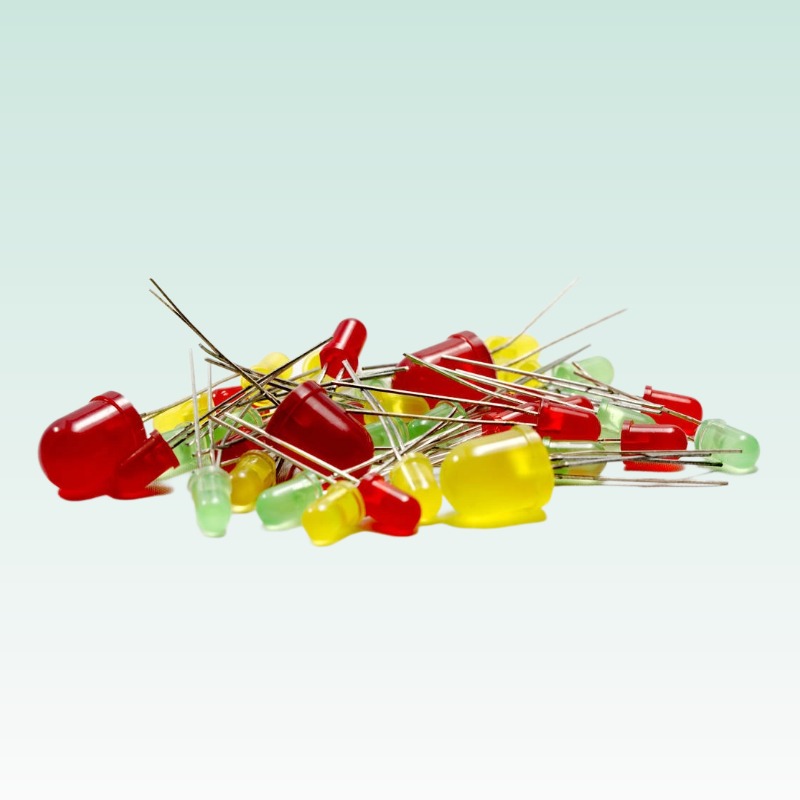
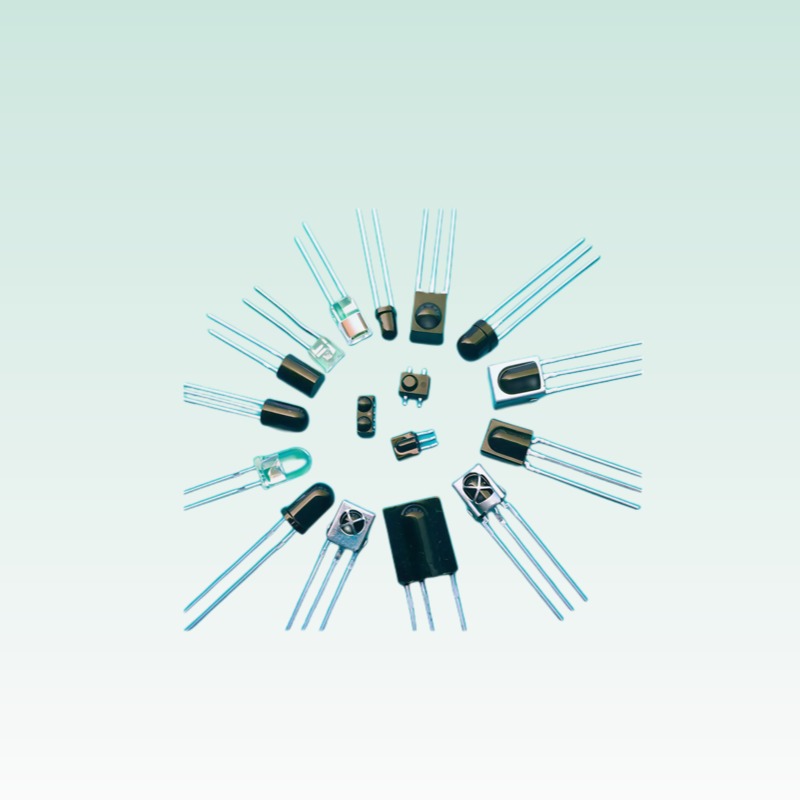




China’s Ministry of Finance has announced revised export tariff classifications for LED semiconductor devices and agricultural lighting equipment, with full implementation scheduled for January 2026. The updated harmonized system codes introduce preferential schedules for specialty wavelength components, a structural change that directly affects cost competitiveness for manufacturers and importers across the global LED supply chain. Duty policy is shifting from a blunt cost tool to a qualification filter.
What the new HS codes cover
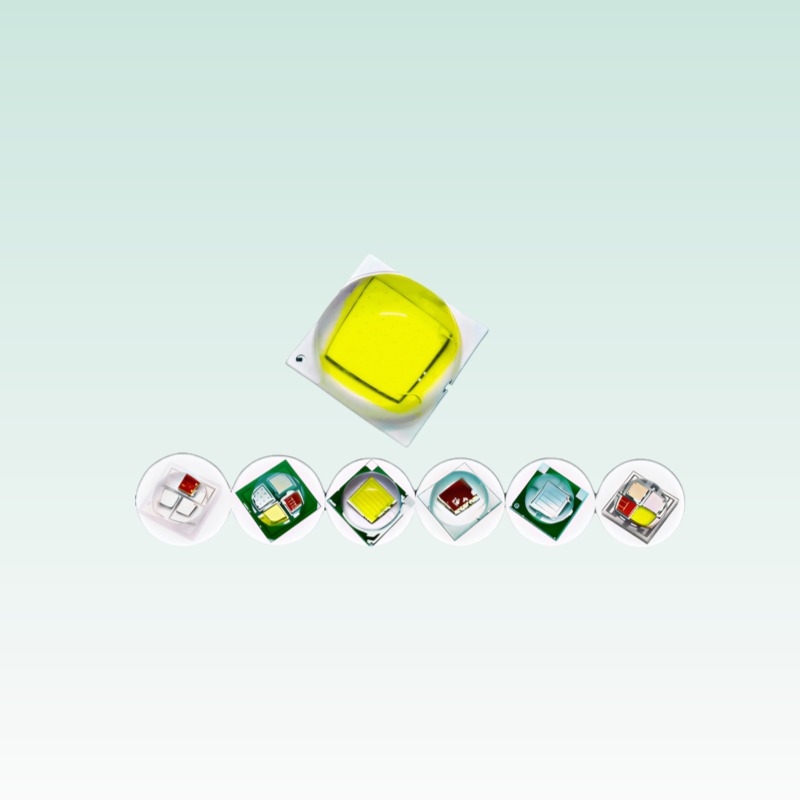
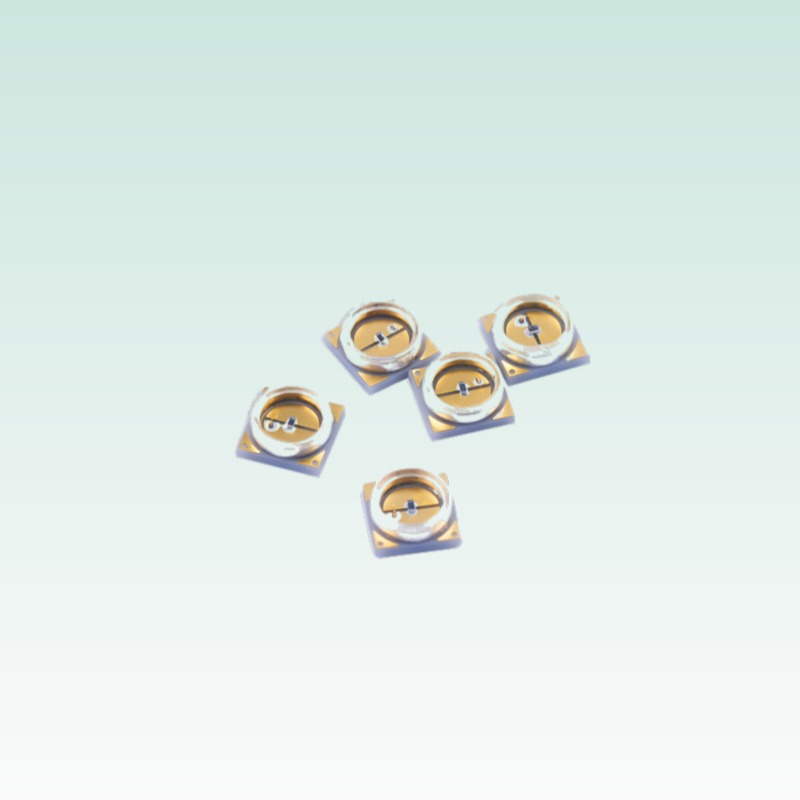
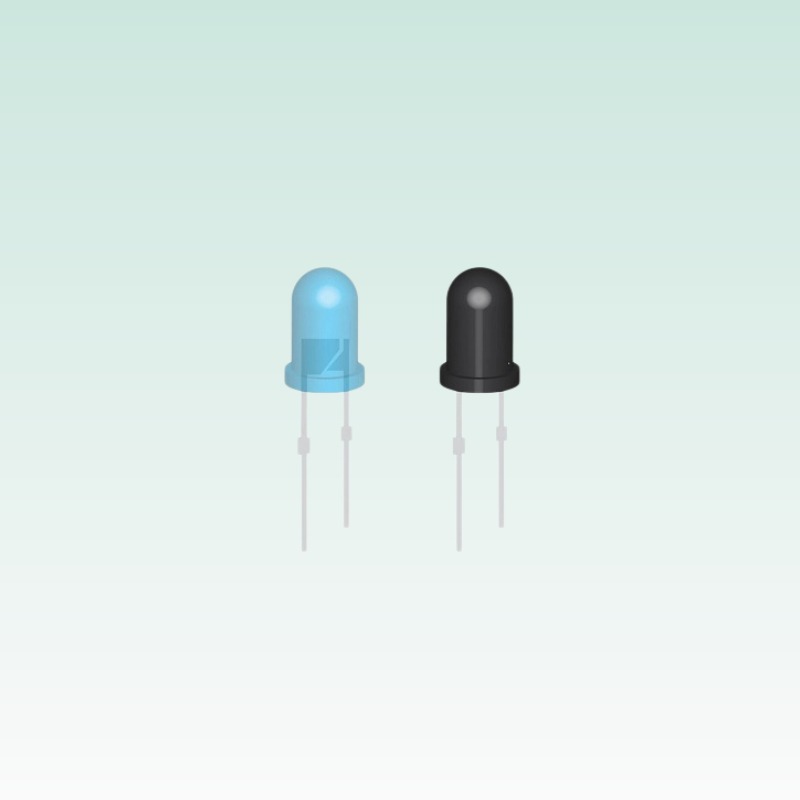
The revised codes specifically categorize SWIR LED chips operating in the 970-1700nm wavelength range and UVC 254nm diodes under preferential tariff schedules for medical and industrial applications. This formal recognition of wavelength-based categories matters: it moves specialty photonics products out of the generic commodity LED lines that historically carried higher duty exposure, and it signals deliberate policy support for high-value semiconductor packaging.
| Product class | Coverage | Tariff treatment | Action for buyers |
|---|---|---|---|
| SWIR LED chips | 970-1700nm wavelength range | Preferential schedule (to be verified) | Confirm the new HS code with customs brokers |
| UVC 254nm diodes | Medical and industrial applications | Preferential schedule (to be verified) | Request certification documentation |
| Horticultural LED fixtures | DLC QPL certified models | Export incentive benefits | Verify QPL listing validity before quoting |
Why certification now shapes landed cost
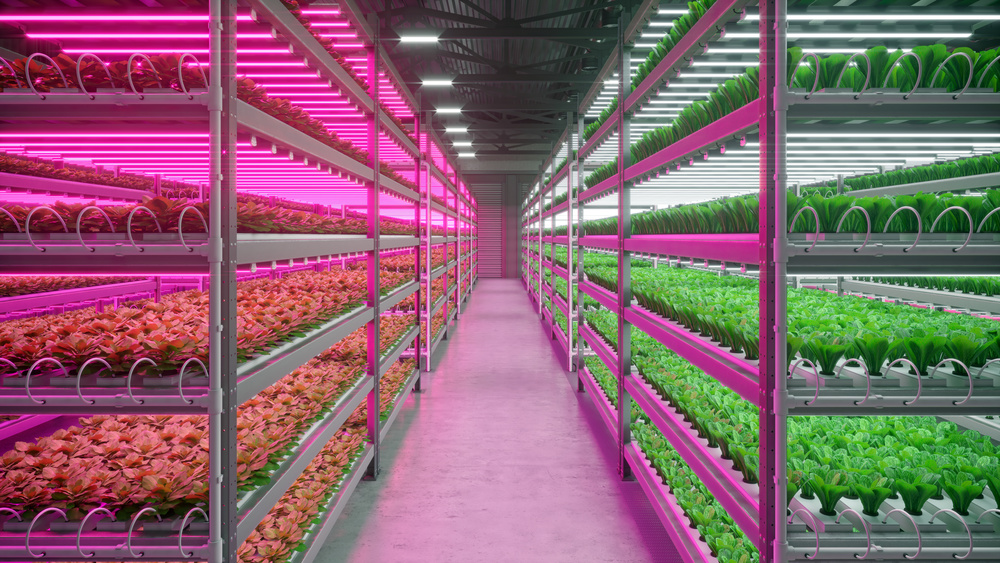
In parallel, horticultural LED fixtures that achieve DLC QPL certification receive additional export incentive benefits, aligning tariff policy with the certification systems used by North American utility rebate programs. Reduced duty exposure improves landed-cost positions for buyers in Europe, the United States, and Southeast Asia. The incentives also favor manufacturers that invested in formal product qualification rather than price-only commodity volume, which changes who wins quotes in certified product segments.
Market impact through 2026
The adjustments are expected to accelerate the competitiveness of Chinese LED suppliers specializing in specialty wavelengths and certified agricultural lighting (to be verified). For greenhouse operators and industrial system integrators, the change should translate into more competitive quotes on certified grow lights, SWIR inspection illumination, and UVC sterilization modules over the coming quarters. Buyers should also expect the price gap between certified and uncertified product lines to widen as the incentives take effect (to be verified), because the duty advantage only attaches to qualified hardware.
Suppliers with SWIR and UVC product families already documented against medical and industrial use cases are positioned to convert the policy change into export volume fastest. Late movers will spend 2026 building the qualification files their competitors already hold. European and North American importers are also re-tendering volume through 2026, since landed-cost math that favored Southeast Asian assembly two years ago now points back to mainland capacity holding valid certification files (to be verified).
What importers should do before January
1. Verify the updated HS codes with customs brokers before the January implementation date.
2. Confirm that suppliers can provide the certification documentation needed to claim preferential rates.
3. Assess how tariff-advantaged product lines affect total landed cost versus alternative sourcing regions.
4. Lock certification records into procurement files now, since customs review will demand evidence at clearance, not after.
As trade policy increasingly rewards technical qualification, procurement strategies that combine cost optimization with certified product platforms will produce the most durable advantage.
FAQ
When do the new tariff classifications take effect?
Full implementation is scheduled for January 2026 (to be verified). Shipments cleared after that date use the updated codes.
Do the incentives apply to all horticultural LED products?
No. Export incentive benefits attach to fixtures holding DLC QPL certification (to be verified); uncertified commodity fixtures stay on standard schedules.
Will preferential rates survive customs review?
Only with documentation. Brokers will want wavelength specifications for SWIR and UVC products and valid certification records for horticultural fixtures.
Fact-check status: source list pending
