
 English
 Afrikaans
 Albanian
 Amharic
 Arabic
 Armenian
 Azerbaijani
 Basque
 Belarusian
 Bengali
 Bosnian
 Bulgarian
 Catalan
 Cebuano
 Chichewa
 Corsican
 Croatian
 Czech
Czech Danish
 Dutch
Dutch Esperanto
 Estonian
 Filipino
 Finnish
 French
 Frisian
 Galician
 Georgian
 German
 Greek
Greek Gujarati
 Haitian Creole
 Hausa
Hausa Hawaiian
 Hebrew
 Hindi
Hindi Hmong
Hmong Hungarian
 Icelandic
 Igbo
Igbo Indonesian
 Irish
Irish Italian
 Japanese
 Javanese
 Kannada
 Kazakh
 Khmer
Khmer Korean
 Kurdish (Kurmanji)
 Kyrgyz
 Lao
Lao Latin
Latin Latvian
 Lithuanian
 Luxembourgish
 Macedonian
 Malagasy
 Malay
Malay Malayalam
 Maltese
 Maori
Maori Marathi
 Mongolian
 Myanmar (Burmese)
 Nepali
 Norwegian
 Pashto
 Persian
 Polish
 Portuguese
 Punjabi
 Romanian
 Russian
 Samoan
 Scottish Gaelic
 Serbian
 Sesotho
 Shona
Shona Sindhi
 Sinhala
 Slovak
 Slovenian
 Somali
 Spanish
 Sudanese
 Swahili
 Swedish
 Tajik
Tajik Tamil
Tamil Telugu
 Thai
Thai Turkish
 Ukrainian
 Urdu
Urdu Uzbek
Uzbek Vietnamese
 Welsh
Welsh Xhosa
Xhosa Yiddish
 Yoruba
 Zulu
Zulu
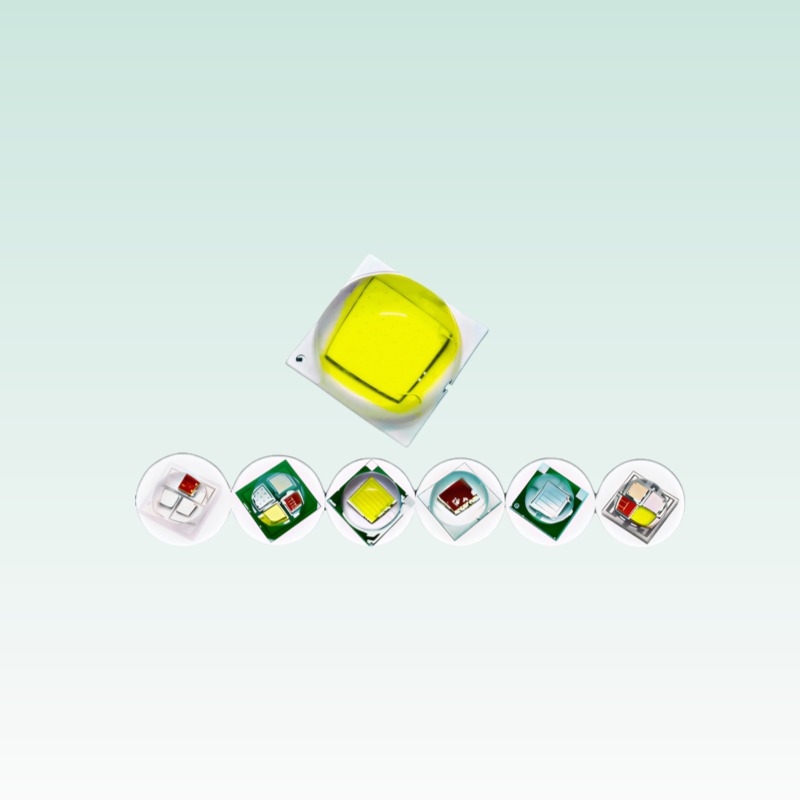

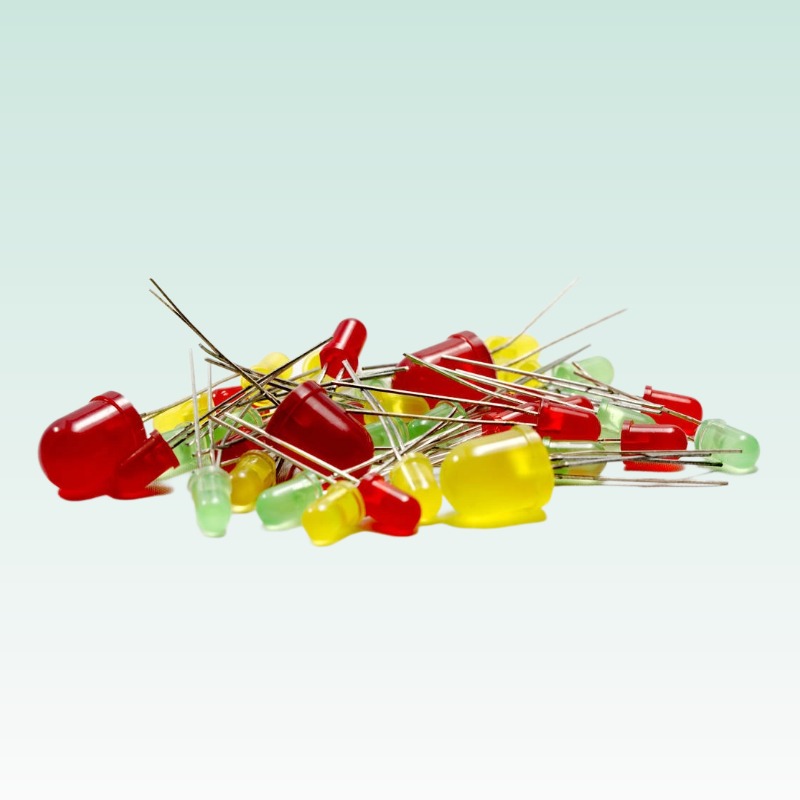
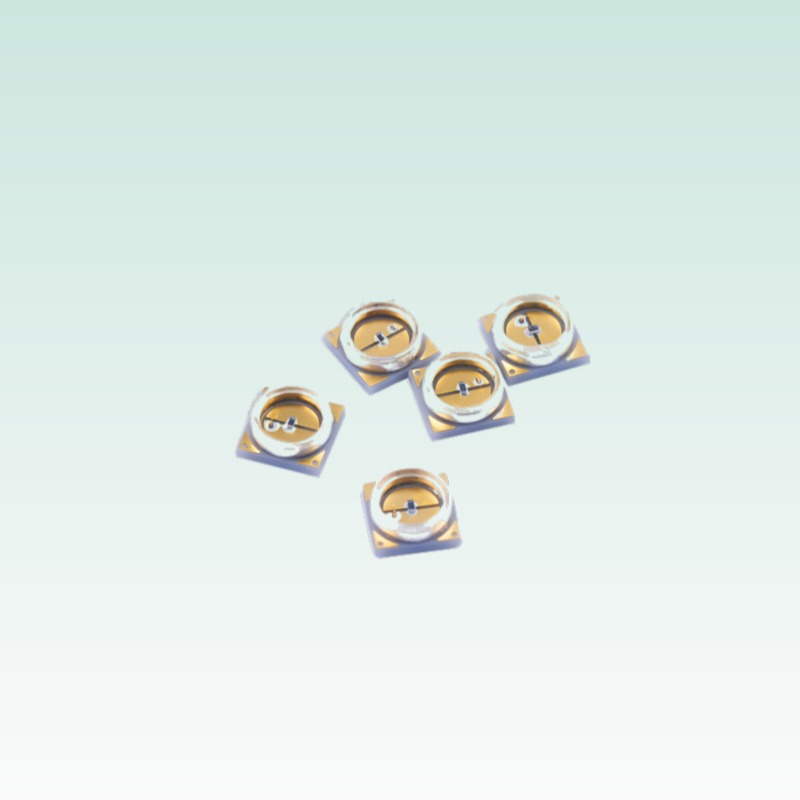
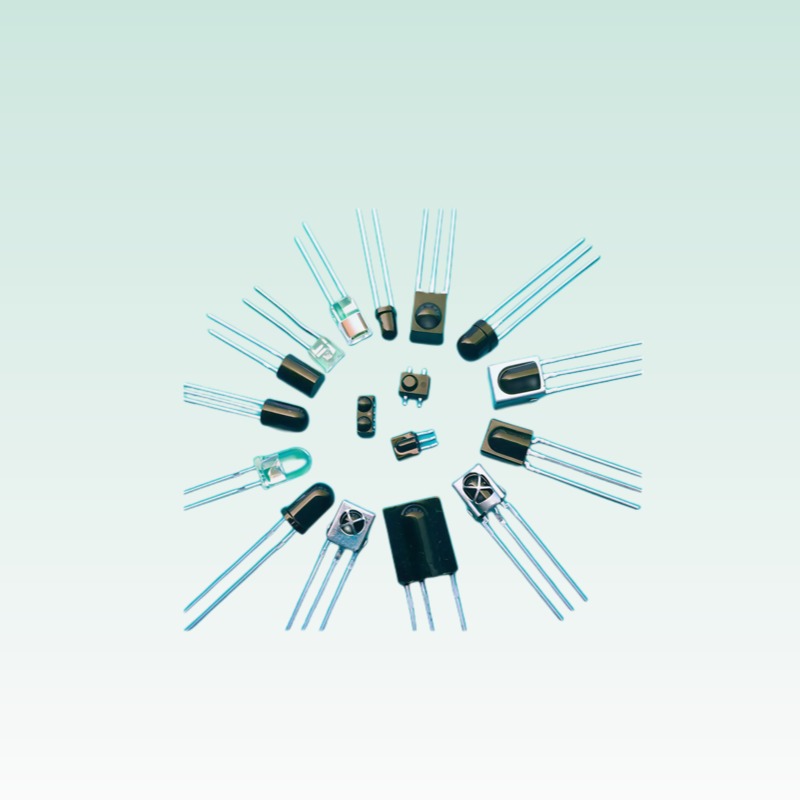







When designing a PCB or selecting components for a lighting fixture, one of the first decisions is the LED mounting style. Surface-Mount Device (SMD) LEDs and Through-Hole (THT) LEDs serve different purposes, and choosing the wrong type can increase manufacturing costs, reduce reliability, or limit thermal performance.
This guide compares SMD and through-hole LEDs across 8 critical dimensions to help engineers and procurement managers make the right choice.
1. What Is SMD LED?
Surface-Mount Device (SMD) LEDs mount directly onto the surface of a PCB using solder paste and reflow soldering. They have no wire leads extending through the board.
Common SMD LED packages:
| Package | Dimensions (mm) | Typical Power | Application |
|---|
| **0402** | 1.0 × 0.5 | 0.03W | Ultra-compact electronics, wearables |
|---|---|---|---|
| **0603** | 1.6 × 0.8 | 0.05W | Indicators, small displays |
| **0805** | 2.0 × 1.25 | 0.08W | General indicators, backlighting |
| **1206** | 3.2 × 1.6 | 0.1W | Status lights, automotive interior |
| **2835** | 2.8 × 3.5 | 0.2–0.5W | LED tubes, panels, strip lights |
| **3528** | 3.5 × 2.8 | 0.06W | LED strips, decorative lighting |
| **5050** | 5.0 × 5.0 | 0.2W | RGB strips, color-changing lights |
| **5630** | 5.6 × 3.0 | 0.5W | High-lumen panels, downlights |
Key advantages of SMD LEDs:
2. What Is Through-Hole LED?
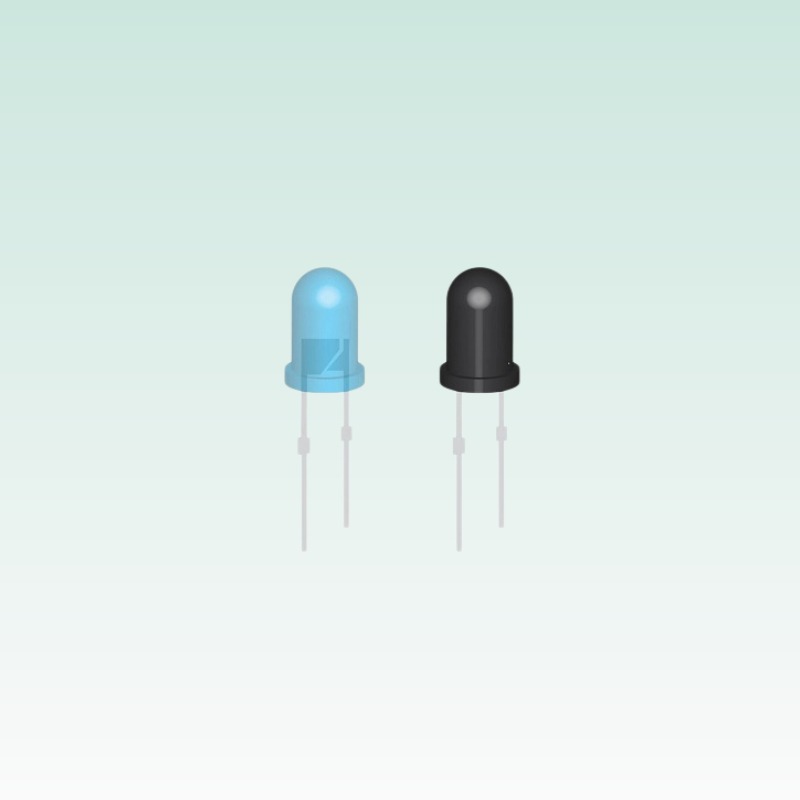
Through-Hole Technology (THT) LEDs have two wire leads that pass through holes in the PCB and are soldered on the opposite side.
Common through-hole LED types:
| Type | Dimensions | Typical Power | Application |
|---|
| **3mm Round (T-1)** | 3mm diameter | 0.05–0.1W | Indicators, small lamps |
|---|---|---|---|
| **5mm Round (T-1 3/4)** | 5mm diameter | 0.1–0.2W | General purpose lighting, toys |
| **Straw Hat** | 5mm with wide lens | 0.1–0.2W | Wide-angle illumination |
| **Flat Top** | Rectangular | 0.1–0.2W | Light bars, signs |
| **Piranha (Super Flux)** | 4-pin rectangular | 0.2–0.5W | Automotive, high-brightness signs |
Key advantages of through-hole LEDs:
3. Direct Comparison: 8 Critical Dimensions
3.1 Manufacturing and Assembly
| Factor | SMD LED | Through-Hole LED |
|---|
| Assembly method | Pick-and-place + reflow oven | Manual insertion + wave soldering |
|---|---|---|
| Automation level | Fully automated | Semi-automated or manual |
| Assembly speed | 30,000+ components/hour | 500–2,000 components/hour |
| Labor cost | Low | High (especially for large volumes) |
| PCB complexity | Requires precise solder paste stencil | Through-hole drilling required |
| Rework difficulty | Requires hot air station | Easy with soldering iron |
Winner for high-volume production: SMD LED
Winner for prototyping and low-volume: Through-Hole LED
3.2 Size and PCB Space
| Factor | SMD LED | Through-Hole LED |
|---|
| PCB footprint | 2–20 mm² | 10–50 mm² (including via holes) |
|---|---|---|
| Board thickness impact | Minimal | Requires thicker PCB (≥1.6mm for mechanical strength) |
| Component height | 0.5–2.5 mm | 5–15 mm (including leads and lens) |
| Double-sided mounting | Yes (both sides) | No (leads occupy opposite side) |
| High-density layouts | Excellent | Poor |
Winner for compact designs: SMD LED
3.3 Thermal Performance
| Factor | SMD LED | Through-Hole LED |
|---|
| Thermal path | Through PCB copper → thermal vias → heat sink | Through leads → limited PCB contact |
|---|---|---|
| Heat dissipation area | Large (PCB copper planes) | Small (lead cross-section) |
| Maximum power handling | Up to 1W per chip (with proper PCB design) | 0.2–0.5W (thermal bottleneck at leads) |
| High-power capability | Excellent (with aluminum substrate) | Poor |
| Thermal resistance (typical) | 40–80 K/W (SMD 2835 on standard FR4) | 150–300 K/W (5mm round, no heat sink) |
Winner for thermal management: SMD LED (especially high-power applications)
3.4 Optical Performance
| Factor | SMD LED | Through-Hole LED |
|---|
| Typical beam angle | 120°–160° (wide, diffuse) | 15°–30° (narrow, focused) or 100°+ (with dome lens) |
|---|---|---|
| Light output uniformity | Excellent (wide distribution) | Variable (depends on lens design) |
| Color mixing (RGB) | Excellent (chips close together) | Poor (separate LEDs, color separation) |
| Glare control | Requires secondary optics | Built-in lens provides some control |
| Lumen density | High (chips packed closely) | Low (large physical size per chip) |
Winner for uniform illumination: SMD LED
Winner for focused beam applications: Through-Hole LED
3.5 Mechanical Robustness
| Factor | SMD LED | Through-Hole LED |
|---|
| Vibration resistance | Moderate (solder joint only) | Excellent (leads provide mechanical lock) |
|---|---|---|
| Shock resistance | Good | Excellent (leads absorb impact) |
| Pull strength | Limited (solder joint) | Strong (leads through board) |
| Suitable for harsh environments | With conformal coating | Naturally robust |
Winner for automotive and industrial vibration: Through-Hole LED
3.6 Cost Comparison
| Factor | SMD LED | Through-Hole LED |
|---|
| Component cost | $0.01–$0.50 (volume dependent) | $0.02–$0.30 |
|---|---|---|
| Assembly cost (per component) | $0.001–$0.005 (automated) | $0.05–$0.20 (manual or semi-auto) |
| PCB cost | Standard (no drilling) | Higher (requires plated through-holes) |
| Total cost at scale | **Lower** | Higher |
| Total cost (prototype, <100 units) | Higher (setup costs) | **Lower** |
Winner for mass production (>1000 units): SMD LED
Winner for prototyping and low volume: Through-Hole LED
3.7 Reliability and Lifespan
| Factor | SMD LED | Through-Hole LED |
|---|
| Solder joint reliability | Good (with proper reflow profile) | Excellent (through-hole joints are stronger) |
|---|---|---|
| Moisture sensitivity | MSL 3–5 (requires proper storage) | Less sensitive |
| Thermal cycling resistance | Good (if thermal design is adequate) | Excellent (leads absorb thermal stress) |
| Typical lifespan | 50,000+ hours | 50,000+ hours |
| Failure modes | Solder joint crack, thermal runaway | Lead fatigue, lens discoloration |
Winner for extreme thermal cycling: Through-Hole LED
Winner for controlled environments: SMD LED
3.8 Application Suitability
| Application | Recommended Type | Why |
|---|
| LED strip lights | **SMD** | Compact, flexible PCB, automated assembly |
|---|---|---|
| LED panel/downlight | **SMD** | High lumen density, uniform light |
| LED tube light | **SMD** | Slim profile, high efficacy |
| Automotive indicators | **Through-hole** | Vibration resistance, proven reliability |
| Industrial control panels | **Through-hole** | Robust, easy field replacement |
| DIY/hobby projects | **Through-hole** | Easy soldering, breadboard compatible |
| PCB status indicators | **SMD** | Space-efficient, automated assembly |
| High-power grow lights | **SMD** | Superior thermal management |
| Outdoor signs (large) | **Through-hole** | Piranha LEDs, high brightness, weather-resistant |
| Medical devices | **SMD** | Compact, reliable, easy to clean |
4. When to Choose SMD LED
Choose SMD LED when your project requires:
1. High-volume manufacturing — Automated assembly reduces cost per unit
2. Compact design — Space-constrained PCBs, slim fixtures, wearable devices
3. High lumen output — Need many LEDs in a small area (panels, tubes)
4. Good thermal performance — High-power applications with aluminum PCBs
5. Wide beam angle — Diffuse lighting, backlighting, ambient illumination
6. Modern aesthetic — Low-profile, clean appearance
5. When to Choose Through-Hole LED
Choose Through-Hole LED when your project requires:
1. Prototyping and development — Easy manual soldering, quick iteration
2. Harsh environments — High vibration, mechanical shock (automotive, industrial)
3. Easy field repair — Simple to replace without specialized tools
4. Educational projects — Breadboard compatible, visible connections
5. Narrow beam focus — Directional lighting with built-in lens
6. Legacy product compatibility — Existing through-hole designs, minimal redesign
6. Hybrid Approaches
Some advanced designs combine both technologies:
Conclusion
Neither SMD nor through-hole LEDs are universally “better.” The right choice depends on your production volume, thermal requirements, mechanical environment, and design constraints.
Rule of thumb:
At Queendom LED, we manufacture both SMD LED chips (2835, 3528, 5050, 5630) and through-hole LEDs (3mm, 5mm, straw hat, piranha) with consistent quality, tight binning, and full technical documentation. We support OEM customization of wavelength, brightness, and package type.
Explore our SMD LED products | Browse through-hole LED options | Request samples
Further reading: What is SMD LED? · SMD LED Selection Guide
