
 English
 Afrikaans
 Albanian
 Amharic
 Arabic
 Armenian
 Azerbaijani
 Basque
 Belarusian
 Bengali
 Bosnian
 Bulgarian
 Catalan
 Cebuano
 Chichewa
 Corsican
 Croatian
 Czech
Czech Danish
 Dutch
Dutch Esperanto
 Estonian
 Filipino
 Finnish
 French
 Frisian
 Galician
 Georgian
 German
 Greek
Greek Gujarati
 Haitian Creole
 Hausa
Hausa Hawaiian
 Hebrew
 Hindi
Hindi Hmong
Hmong Hungarian
 Icelandic
 Igbo
Igbo Indonesian
 Irish
Irish Italian
 Japanese
 Javanese
 Kannada
 Kazakh
 Khmer
Khmer Korean
 Kurdish (Kurmanji)
 Kyrgyz
 Lao
Lao Latin
Latin Latvian
 Lithuanian
 Luxembourgish
 Macedonian
 Malagasy
 Malay
Malay Malayalam
 Maltese
 Maori
Maori Marathi
 Mongolian
 Myanmar (Burmese)
 Nepali
 Norwegian
 Pashto
 Persian
 Polish
 Portuguese
 Punjabi
 Romanian
 Russian
 Samoan
 Scottish Gaelic
 Serbian
 Sesotho
 Shona
Shona Sindhi
 Sinhala
 Slovak
 Slovenian
 Somali
 Spanish
 Sudanese
 Swahili
 Swedish
 Tajik
Tajik Tamil
Tamil Telugu
 Thai
Thai Turkish
 Ukrainian
 Urdu
Urdu Uzbek
Uzbek Vietnamese
 Welsh
Welsh Xhosa
Xhosa Yiddish
 Yoruba
 Zulu
Zulu
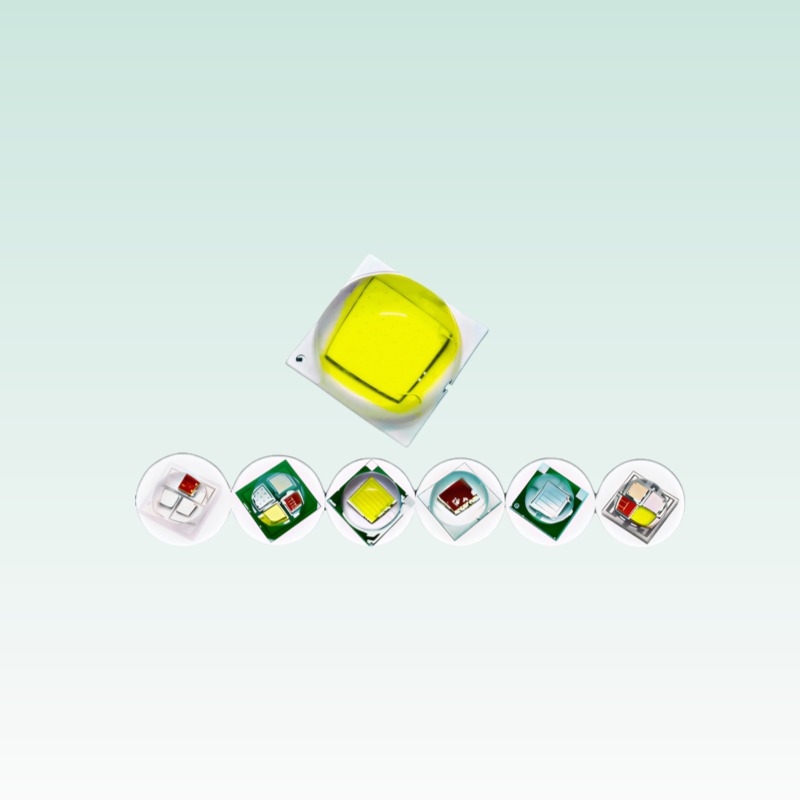

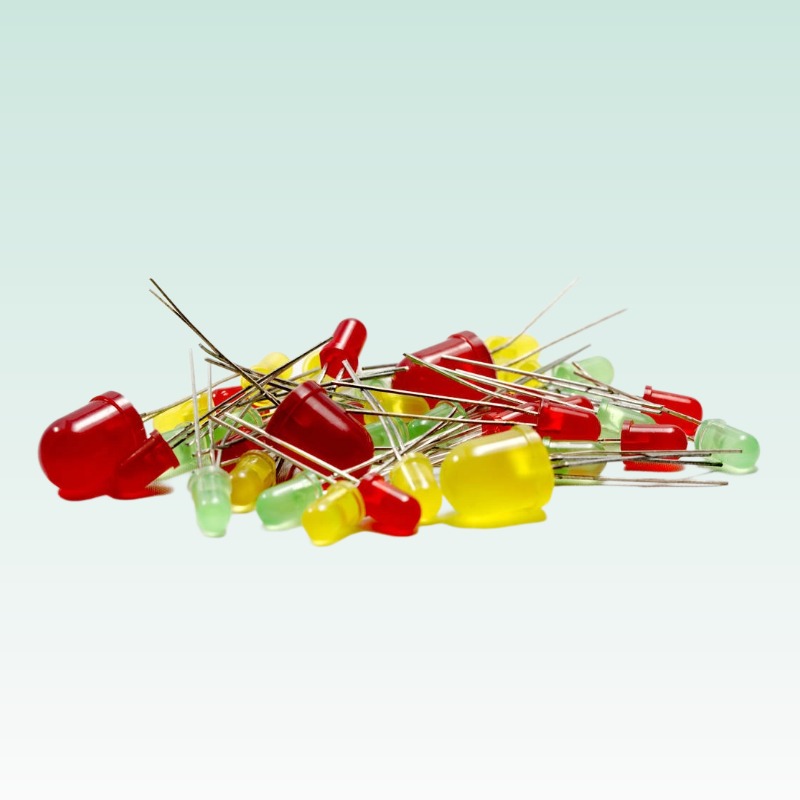
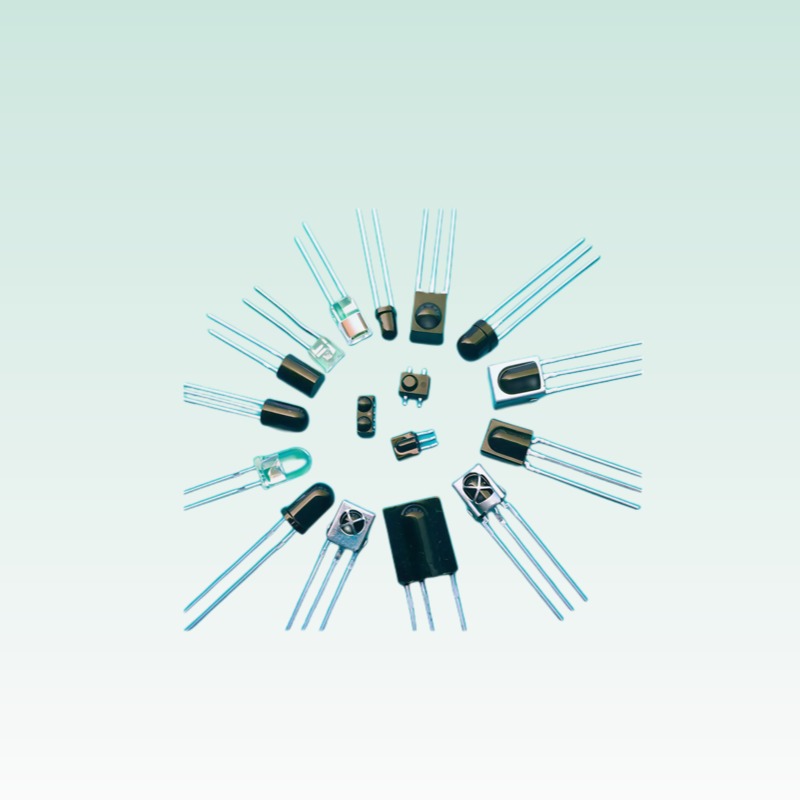
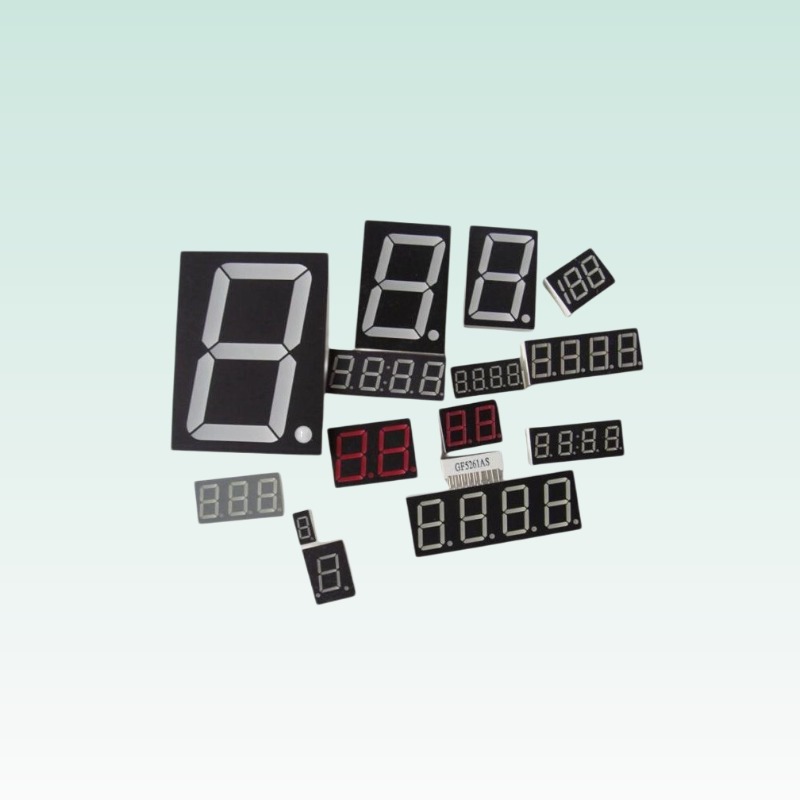


After years of relentless price cuts, the LED industry is entering a new pricing phase. According to LEDinside statistics, dozens of LED-related companies have announced price increases since the start of 2026, with increases spreading across upstream chip manufacturing, midstream packaging and downstream applications. The shift marks the end of the industry’s long discounting cycle.
From price war to price stability
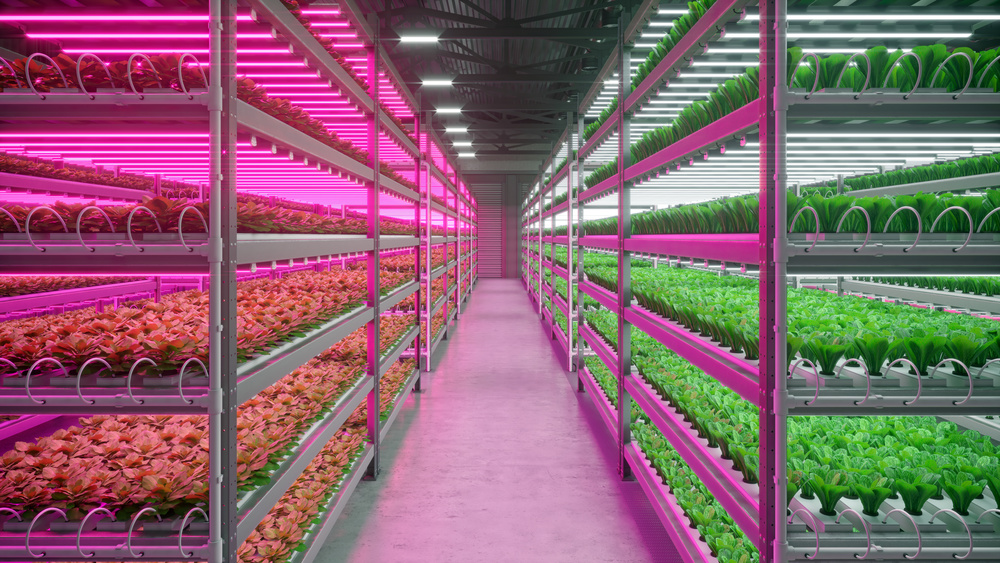
The industry narrative is changing from “who can cut price fastest” to “who can hold value.” Market analysts describe the transition as one from price-based competition to a phase of stable prices with improving quality. High-technology niches such as Mini/Micro LED, automotive lighting, commercial aerospace and plant lighting are expected to become the key profit growth areas, according to industry commentary summarized by East Money in early September 2026.
Surface results hide underlying strength
First-half 2026 results for six leading chipmakers show an “appearance versus substance” split, according to sector analysis. San’an, Qianzhao and Jucan showed apparent revenue declines, but these were largely attributable to accounting adjustments in their precious-metals businesses; core operations generally improved. Huacan turned profitable, Weilan’s net profit rose by more than 50%, and Zhaochi grew revenue without a commensurate profit gain. The common thread is an industry absorbing cost inflation while demand in premium segments holds up.
Why the cycle has turned
The fundamental driver is capacity. AI-driven demand for semiconductors is squeezing wafer capacity globally, raising the opportunity cost of producing commodity LED chips. Combined with higher substrate and precious-metal costs, manufacturers now have both the incentive and the market power to hold firmer pricing. Analysts expect the “value-over-volume” discipline to persist as long as capacity remains tight in the AI segment.
For lighting brands and distributors, the new pricing regime means longer-term planning of procurement budgets, closer attention to supplier cost-structure disclosures, and a stronger case for promoting energy-efficient, higher-value products rather than competing solely on unit price.
Sources and timeliness
Compiled from East Money (东方财富), TrendForce LEDinside statistics, and Laoyaoba (老姚吧) industry analysis; publication window September 2026. The LEDinside price-increase tally covers announcements made since January 2026.
Author: queendomlamp editorial
Further reading: H1 2026 LED Earnings · San'an Raises Chip Prices
