
 English
 Afrikaans
 Albanian
 Amharic
 Arabic
 Armenian
 Azerbaijani
 Basque
 Belarusian
 Bengali
 Bosnian
 Bulgarian
 Catalan
 Cebuano
 Chichewa
 Corsican
 Croatian
 Czech
Czech Danish
 Dutch
Dutch Esperanto
 Estonian
 Filipino
 Finnish
 French
 Frisian
 Galician
 Georgian
 German
 Greek
Greek Gujarati
 Haitian Creole
 Hausa
Hausa Hawaiian
 Hebrew
 Hindi
Hindi Hmong
Hmong Hungarian
 Icelandic
 Igbo
Igbo Indonesian
 Irish
Irish Italian
 Japanese
 Javanese
 Kannada
 Kazakh
 Khmer
Khmer Korean
 Kurdish (Kurmanji)
 Kyrgyz
 Lao
Lao Latin
Latin Latvian
 Lithuanian
 Luxembourgish
 Macedonian
 Malagasy
 Malay
Malay Malayalam
 Maltese
 Maori
Maori Marathi
 Mongolian
 Myanmar (Burmese)
 Nepali
 Norwegian
 Pashto
 Persian
 Polish
 Portuguese
 Punjabi
 Romanian
 Russian
 Samoan
 Scottish Gaelic
 Serbian
 Sesotho
 Shona
Shona Sindhi
 Sinhala
 Slovak
 Slovenian
 Somali
 Spanish
 Sudanese
 Swahili
 Swedish
 Tajik
Tajik Tamil
Tamil Telugu
 Thai
Thai Turkish
 Ukrainian
 Urdu
Urdu Uzbek
Uzbek Vietnamese
 Welsh
Welsh Xhosa
Xhosa Yiddish
 Yoruba
 Zulu
Zulu
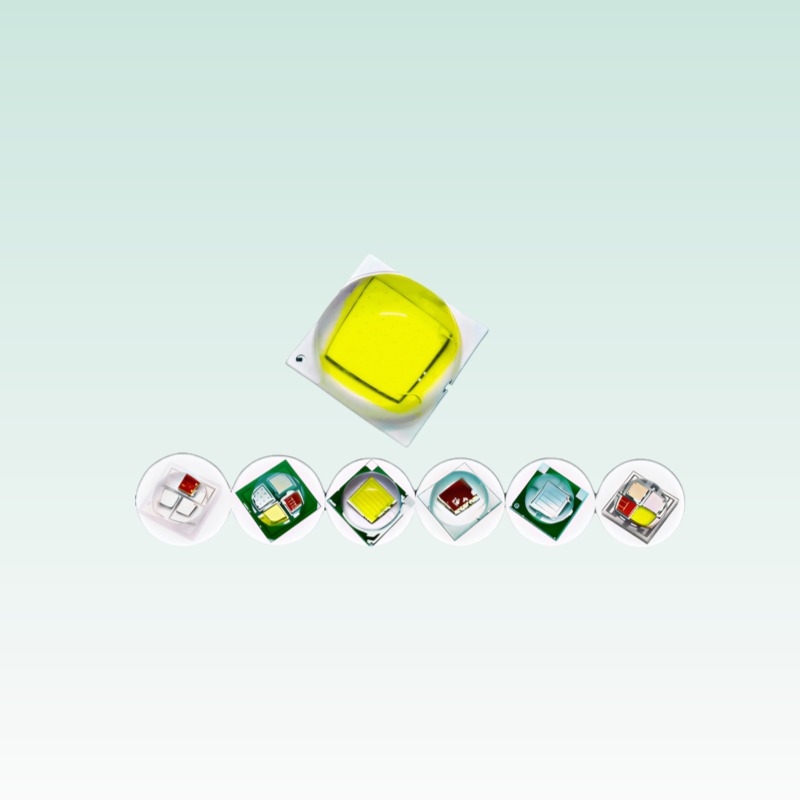
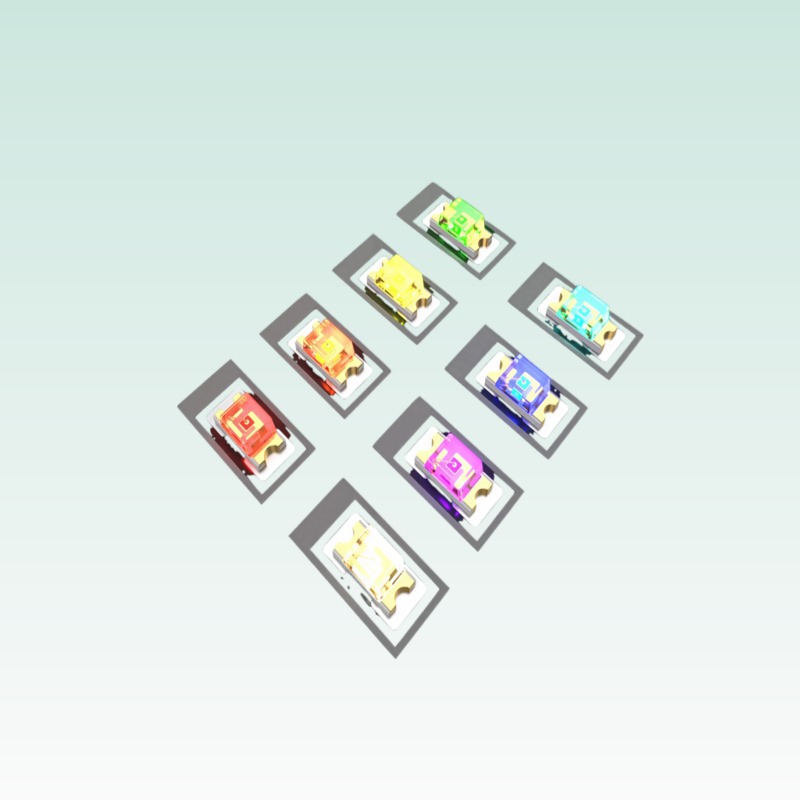
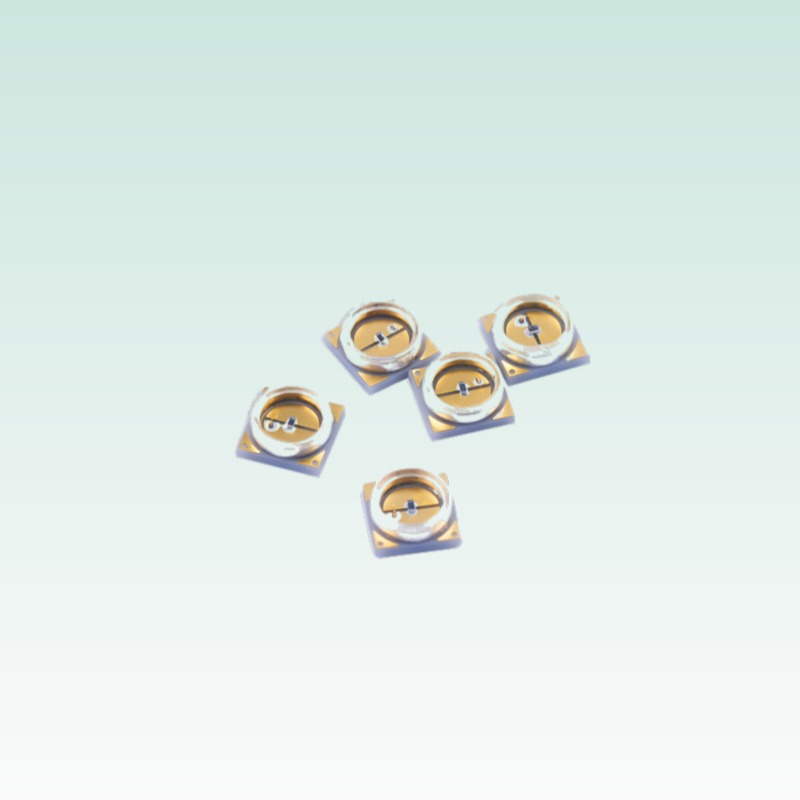
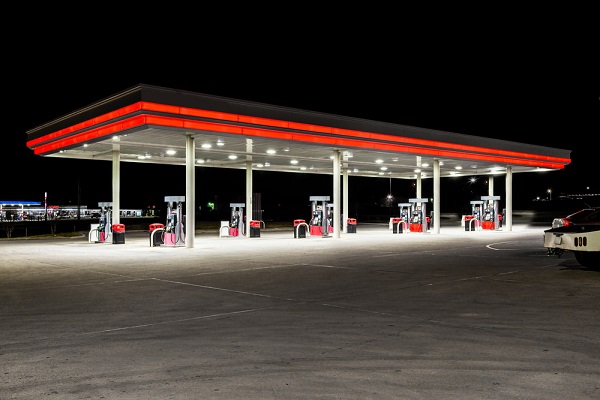
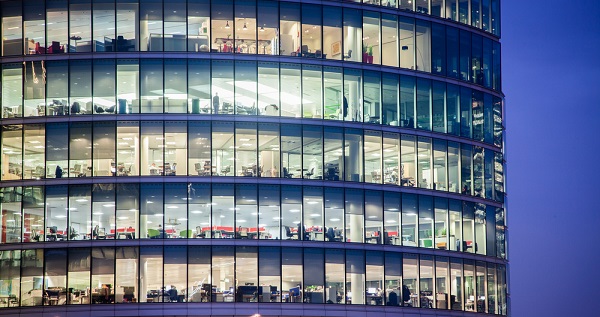
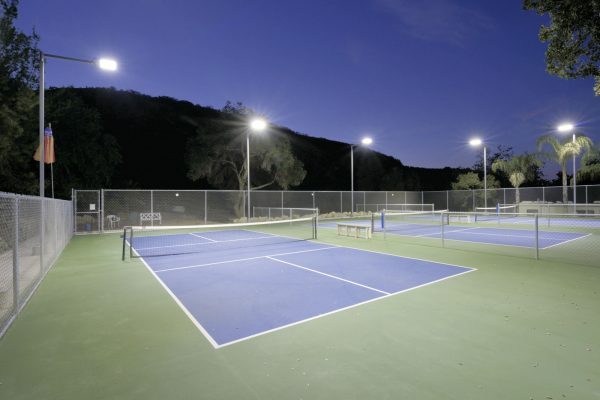
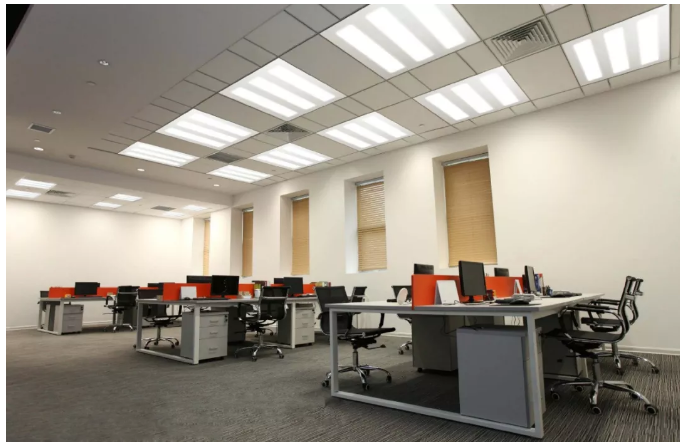



Intelligent lighting infrastructure is the backbone of modern smart buildings. Our smart LED portfolio integrates seamlessly with DALI-2, Matter, and BACnet protocols, enabling centralized control, circadian rhythm programming, and energy analytics for commercial offices, healthcare, and educational facilities. Buildings account for approximately 40% of global energy consumption, with lighting representing 15–20% of that total. Beyond simple lamp-for-lamp replacement, modern lighting infrastructure must function as a sensor-rich network that feeds real-time data into building automation, energy management, and occupant-experience platforms. Our smart LED systems go beyond dimming: they integrate environmental sensing (temperature, humidity, CO₂, ambient light), indoor positioning beacons, and even air-quality monitors within the luminaire housing—turning every ceiling point into an IoT node. This convergence reduces capex by eliminating separate sensor networks while delivering granular space-utilization analytics that inform lease optimization, cleaning schedules, and HVAC setpoints. Designed for WELL Building Standard v2, LEED v4.1, and BREEAM compliance, our smart lighting portfolio positions facility managers to meet tightening ESG mandates without disruptive retrofit construction.
DALI-2 Tunable White Panels
CCT adjustable 2700K–6500K with smooth, flicker-free dimming (1% minimum) via IEC 62386-209 compliant DALI-2 drivers.
CRI > 90 and R9 > 60 for accurate color rendering in retail display and medical examination environments.
Integrated daylight harvesting sensors auto-adjust output based on ambient lux, maintaining target illuminance with <5% deviation. Matter-over-Thread certified for Apple HomeKit, Google Home, and Alexa smart-ecosystem compatibility. Driver firmware supports DT8 (Tunable White) commands per IEC 62386-209, enabling CCT transitions from 2700K to 6500K in <2 seconds with smooth logarithmic dimming curves that avoid perceptible stepping. Flicker metrics (Percent Flicker, Flicker Index) are tested per IEEE 1789-2015 and maintained below 1% at all dimming levels, preventing headaches and visual fatigue in open-plan offices with 8+ hour screen exposure. Luminance uniformity across the panel surface exceeds 0.85 (UGR < 19), eliminating bright spots that create discomfort glare on VDU workstations. Optional integrated microwave occupancy sensors (5.8 GHz) detect micro-movements for false-off immunity, with detection ranges adjustable from 2 m to 12 m diameter. Circadian & HCL Lighting Human-Centric Lighting (HCL) programs deliver dynamic CCT shifts that align with circadian entrainment (cool white 6500K daytime / warm 2700K evening). Melanopic Equivalent Daylight Illuminance (m-EDI) calculations provided per CIE S 026/E:2018 for WELL Building Standard compliance. Pre-programmed scenes for focus, relax, and presentation modes, triggered by time-of-day or BMS occupancy signals. WELL Building Standard v2 Light Concept requires minimum 200 melanopic equivalent daylight illuminance (m-EDI) at eye level during daytime hours (06:00–18:00). Our luminaires are designed with vertical illuminance ratios (Eh:Ev) that achieve these targets without over-lighting workplanes to 1000+ lux, reducing total connected load. Evening transition scenes gradually shift from 5000K (alerting) to 2700K (relaxing) over a 30-minute sunset ramp, supporting melatonin onset and sleep-quality improvements validated in field studies at healthcare and education clients. Circadian metrics (m-EDI, CS, CLA) are calculated per CIE S 026/E:2018 and provided in lighting-design documentation for WELL submission packages. BMS & IoT Integration Native BACnet/IP and Modbus TCP interfaces for direct integration with Siemens, Johnson Controls, and Honeywell BMS platforms. MQTT bridge option for cloud-based analytics platforms and digital twin visualization dashboards. Over-the-air (OTA) firmware updates via encrypted TLS channels, ensuring cybersecurity compliance with IEC 62443. Native BACnet/IP objects (AI, AO, BI, BO, MV) map directly to luminaire parameters: on/off, dim level, CCT, occupancy status, and fault flags. No intermediate protocol gateway is required for integration with existing BMS supervisors such as Siemens Desigo CC, Johnson Controls Metasys, or Schneider Electric EcoStruxure. MQTT topics follow the Sparkplug B specification for seamless ingestion into Ignition SCADA, AWS IoT Core, or Azure IoT Hub. Edge-computing capability within high-tier drivers enables local rule execution: if CO₂ > 1000 ppm, increase ventilation setpoint and boost lighting to 100% alert scene—without cloud latency.
Energy Analytics & Compliance
Real-time power metering per luminaire with ±2% accuracy for sub-metering and tenant billing applications.
Automated energy reports aligned with ISO 50001 and LEED v4.1 Indoor Environmental Quality credits.
Fault detection diagnostics: driver failure, LED string open-circuit, and thermal derating alerts pushed to maintenance ticketing systems.
Metering accuracy of ±2% per luminaire (Class 1 per IEC 62053-21) supports sub-metering applications where tenants are billed by actual consumption rather than floor-area allocation.
Baseline-vs-actual energy dashboards highlight savings from daylight harvesting, occupancy dimming, and schedule optimization, with CO₂ equivalence calculated using grid-average emission factors per EPA eGRID or local utility disclosures.
Fault detection rules include: driver failure (output <10% rated), thermal derating (Tj >105°C), and LED string open-circuit (voltage mismatch >20%).
Alerts are pushed via SNMP traps, email, or SMS to maintenance ticketing systems (ServiceNow, IBM Maximo, SAP PM).
— QUEENDOM LED Lighting Solutions | B2B Industrial & Commercial Lighting —
Related Products
Further reading: Smart Lighting Solutions · Smart Office Zigbee Lighting Case
