

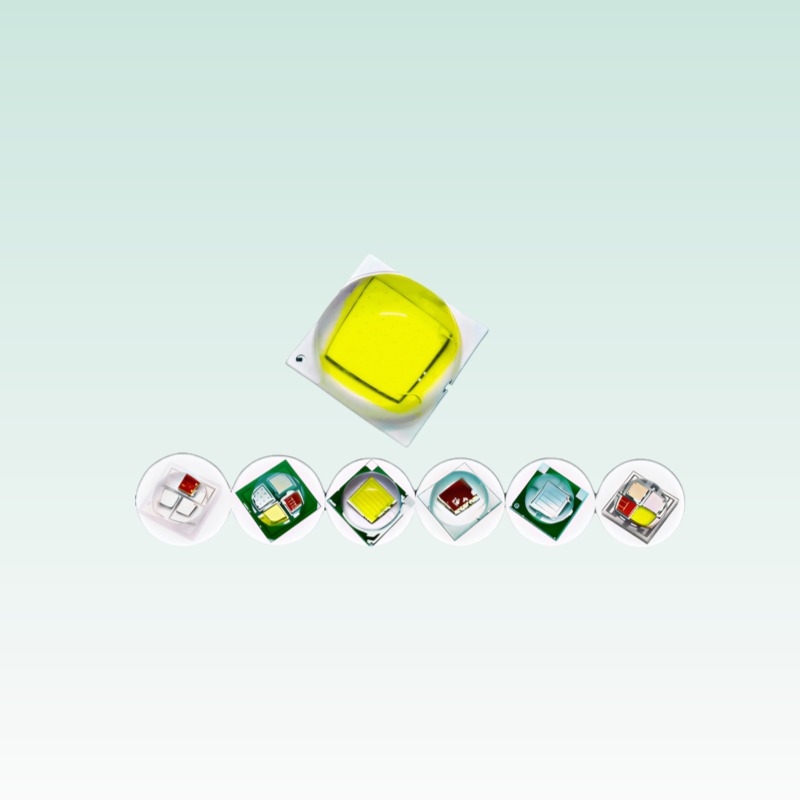

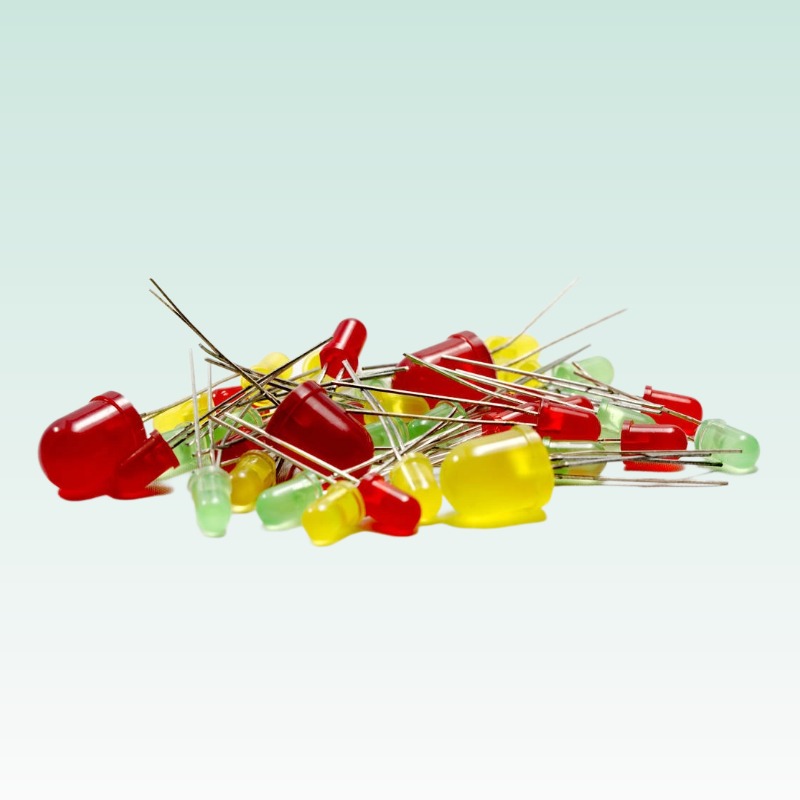
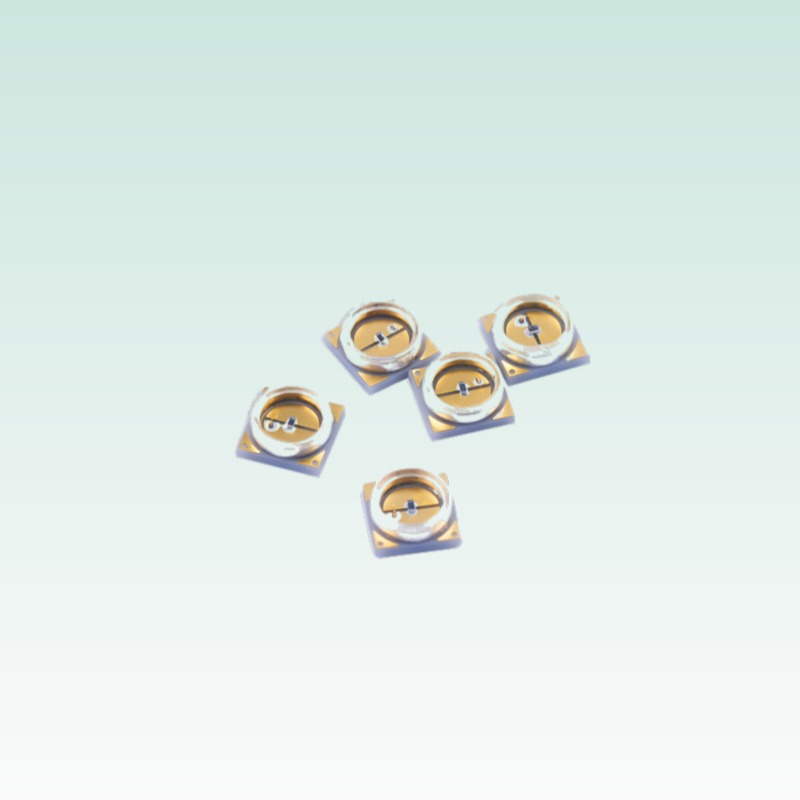
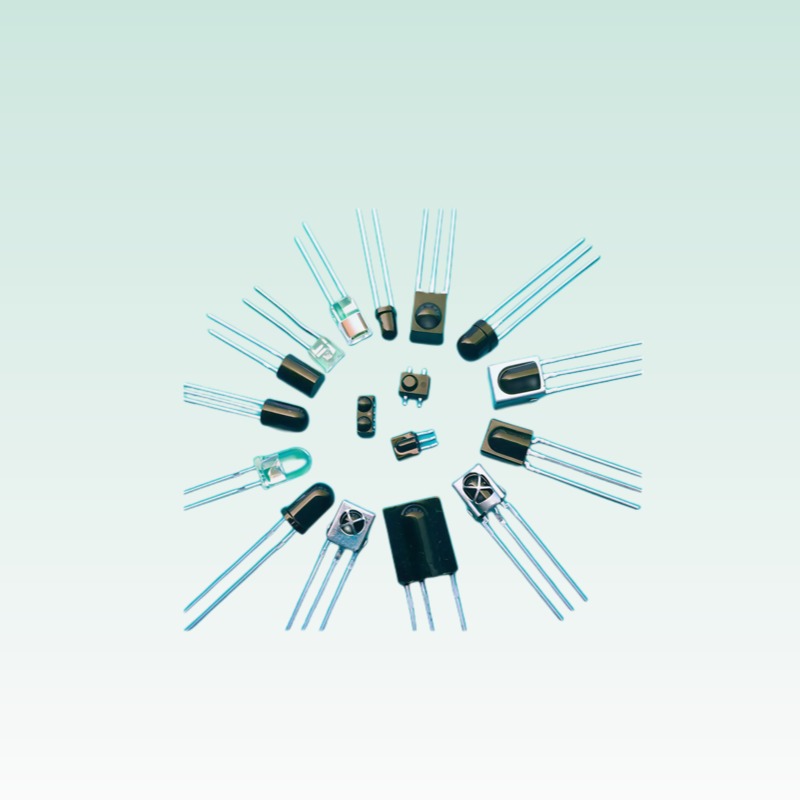










Discolored LED leads are a recurring complaint in component receiving inspection. The metal looks yellow, brown or black instead of bright silver. The phenomenon is silver tarnish, it is driven by sulfur chemistry, and it matters because those silver surfaces carry both the electrical connection and the solder joint of the finished luminaire.
Why LED Leads Use Silver Plating
Lead frames in SMD LED packages are copper or alloy 42, plated with a thin nickel barrier and then silver. Silver is chosen because it conducts heat and electricity well, it oxidizes slowly under normal conditions, and it wets readily with lead-free solder pastes. The plating is thin, often under a micrometer, so the whole surface is precious metal rather than bulk silver.
The Chemistry of Tarnish
Silver does not react much with dry oxygen, but it reacts readily with reduced sulfur compounds. Trace hydrogen sulfide or organic sulfur vapors convert the surface to silver sulfide, which appears yellow at first and darkens to brown and black as the film thickens. The reaction proceeds at room temperature and does not require high humidity, although moisture accelerates it. Chloride-containing environments add silver chloride to the mix, another whitish film.
Where the Sulfur Comes From
| Sulfur source | Typical setting | Mechanism |
|---|---|---|
| Vulcanized rubber | Reels, gaskets, rubber bands, mats | Sulfur vapor release over time |
| Cardboard and paper | Unlined boxes, kraft envelopes | Residual sulfur in pulp processing |
| Adhesives and sealants | Some silicones, polysulfide caulks | Curing byproducts diffuse out |
| Industrial air | Foundries, refineries, sulfur springs | Ambient H2S and SO2 exposure |
| Packaging cross-contamination | Shared storage with sulfur goods | Vapor transfer in a closed box |
The last row is the most common in practice: tarnished shipments often trace back to what the LEDs traveled or sat next to, not to the plating itself.
What Tarnish Does to the Joint
A thin sulfide film impairs solder wetting, which shows up as dewetting, voids or lifted joints at reflow. In the finished product, tarnish creeping from the lead into the reflector area discolors the light output visually. Sulfur that diffuses through silicone encapsulants can also attack exposed silver inside the package, darkening reflector plating from within. Field failures of this kind are hard to attribute, because months may pass between the sulfur exposure in storage and the visible discoloration in the customer’s luminaire, which is why prevention must happen upstream at the component stage.
Prevention Checklist
Store unopened reels in dry cabinets or sealed moisture-barrier bags with desiccant. Avoid rubber bands, vulcanized gaskets and plain cardboard in direct contact with components. Keep partial reels in zip bags with the air pressed out. Separate sulfur-bearing materials, including adhesives and certain sealants, from LED storage areas. Inspect incoming plating under magnification, and require tarnish to be documented on receiving reports rather than discovered on the placement line. Rotate stock so that older reels are used first, since tarnish depth grows with time in any imperfect barrier.
Key Takeaways
Silver tarnish is silver sulfide growth driven by trace sulfur vapors, and the usual culprit is storage or packaging rather than the plating process. The film damages solderability first and appearance second, both after the money has been spent on assembly. Sealed storage, sulfur-free packaging materials and receiving inspection keep the problem out of the line.
Related reading
Assembly stress next to plating quality: Current Derating Curves: Reading the Safe Operating Area.
More device-level Q&A in the LED Diode QA archive.
