
 English
 Afrikaans
 Albanian
 Amharic
 Arabic
 Armenian
 Azerbaijani
 Basque
 Belarusian
 Bengali
 Bosnian
 Bulgarian
 Catalan
 Cebuano
 Chichewa
 Corsican
 Croatian
 Czech
Czech Danish
 Dutch
Dutch Esperanto
 Estonian
 Filipino
 Finnish
 French
 Frisian
 Galician
 Georgian
 German
 Greek
Greek Gujarati
 Haitian Creole
 Hausa
Hausa Hawaiian
 Hebrew
 Hindi
Hindi Hmong
Hmong Hungarian
 Icelandic
 Igbo
Igbo Indonesian
 Irish
Irish Italian
 Japanese
 Javanese
 Kannada
 Kazakh
 Khmer
Khmer Korean
 Kurdish (Kurmanji)
 Kyrgyz
 Lao
Lao Latin
Latin Latvian
 Lithuanian
 Luxembourgish
 Macedonian
 Malagasy
 Malay
Malay Malayalam
 Maltese
 Maori
Maori Marathi
 Mongolian
 Myanmar (Burmese)
 Nepali
 Norwegian
 Pashto
 Persian
 Polish
 Portuguese
 Punjabi
 Romanian
 Russian
 Samoan
 Scottish Gaelic
 Serbian
 Sesotho
 Shona
Shona Sindhi
 Sinhala
 Slovak
 Slovenian
 Somali
 Spanish
 Sudanese
 Swahili
 Swedish
 Tajik
Tajik Tamil
Tamil Telugu
 Thai
Thai Turkish
 Ukrainian
 Urdu
Urdu Uzbek
Uzbek Vietnamese
 Welsh
Welsh Xhosa
Xhosa Yiddish
 Yoruba
 Zulu
Zulu







Lighting White Papers
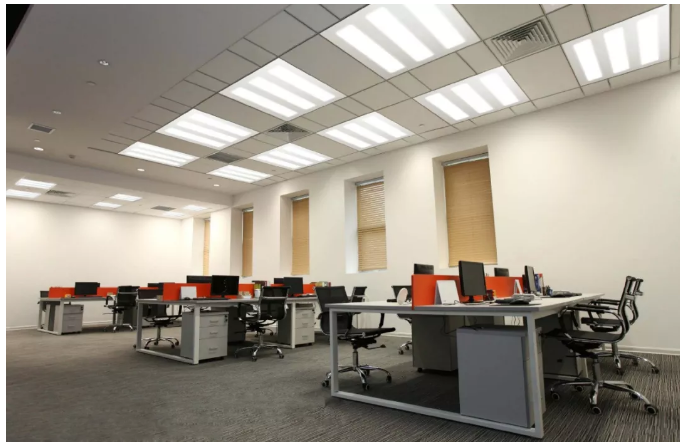
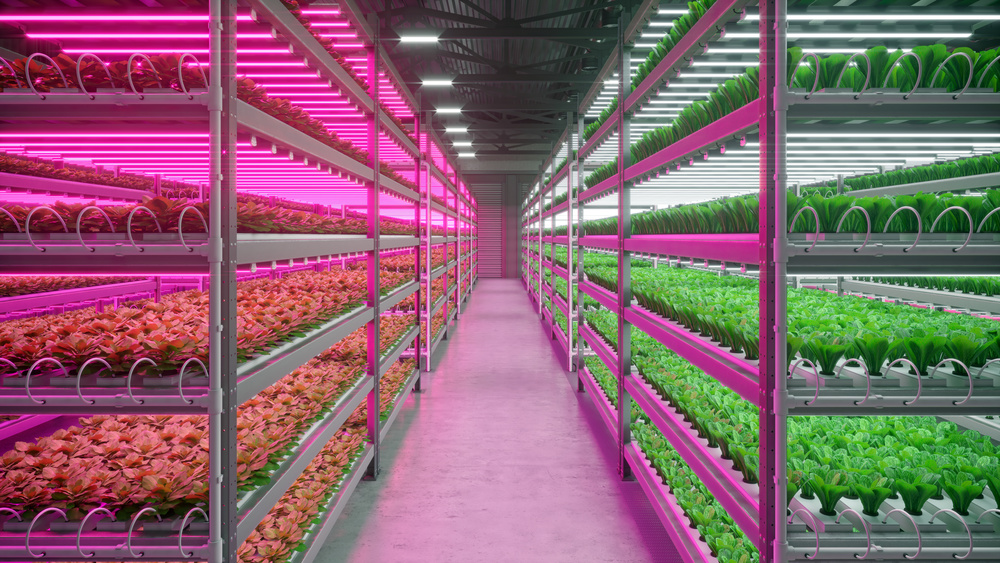
Lighting White Papers – Agricultural, Smart & Industrial Lighting Our white papers deliver concise insights into three core domains shaping LED innovation.
 Lighting White Papers
In agricultural lighting, we highlight plant grow lights and spectrum‑optimized solutions that improve crop yield and support sustainable farming. For smart lighting, we explore IoT‑enabled systems, sensor‑based illumination, and adaptive brightness that enhance energy efficiency and smart city integration. In industrial lighting, we cover high bay fixtures, emergency sensor lights, UV lamps, and cleanroom solutions designed for factories and specialized environments.
Together, these resources empower engineers, buyers, and industry professionals worldwide with
practical knowledge to guide product selection and deployment.
How to Use These White Papers in a Lighting Project
The white papers collected here are written for the decision points where lighting projects go wrong: crop-plan economics, energy-code compliance, and reliability budgeting. Each one is a standalone technical argument with the assumptions stated, so you can lift the calculation method into your own project file — the numbers, not just the conclusions.
What Each Paper Covers
| Paper | Core Question | Who Should Read It |
|---|---|---|
| Agricultural Lighting | How PPFD targets convert to fixture counts and payback by crop | Growers, greenhouse engineers, horticulture consultants |
| Industrial LED Reliability | What L90/B10 and TM-21 projections mean for maintenance planning | Maintenance managers, plant engineers specifying replacements |
| Lighting Power Density | Meeting LPD code limits without under-lighting the task plane | Designers filing for permits, energy consultants |
Reading Order for a Retrofit Evaluation
- Start with the reliability paper to set the maintenance assumptions (relamping cycle, lumen depreciation floor) that every later calculation inherits
- Work through the power density paper to establish the code-compliant energy budget for your space class
- Finish with the application-specific paper — agricultural for growing environments, or the relevant specification guide for industrial and commercial spaces
- Validate the resulting fixture count against a measured case: the vertical farm case study and high-bay factory retrofit document real before/after numbers
Requesting the Full Documents
Summary abstracts live on this page; complete PDFs are provided to specifiers and purchasing teams through the contact form or your account manager. OEM programs can reference the calculation methods in their own submittals after a mutual NDA — the same terms described on our certificates and documentation page.
Key Product Lines and the Papers That Cover Them
Every major product line we manufacture has a corresponding technical argument in the white paper library. Use this index to jump from the product you are specifying to the document that de-risks it:
| Product Line | Core Design Question | Relevant Paper / Guide |
|---|---|---|
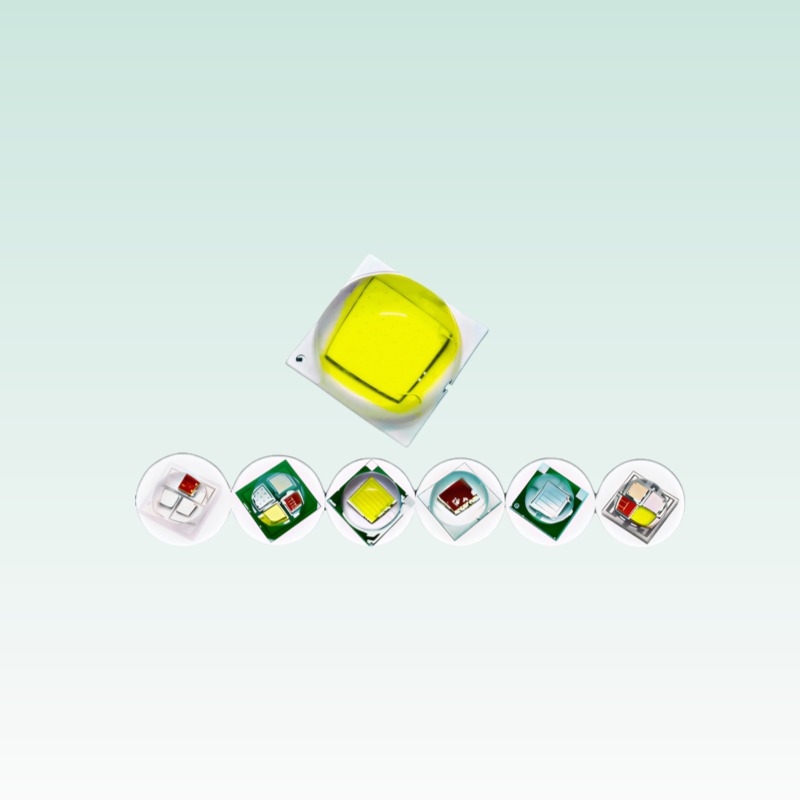
| SMD LEDs (0603–5050) | Bin discipline, reflow survival, PWM-vs-camera interaction | SMD LED Selection Guide; SMD Failure Analysis |
| High-Power LEDs (1–5 W) | Thermal budgeting, L90 at 50,000 h | Industrial LED Reliability; LM-80 Lifetime Estimation |
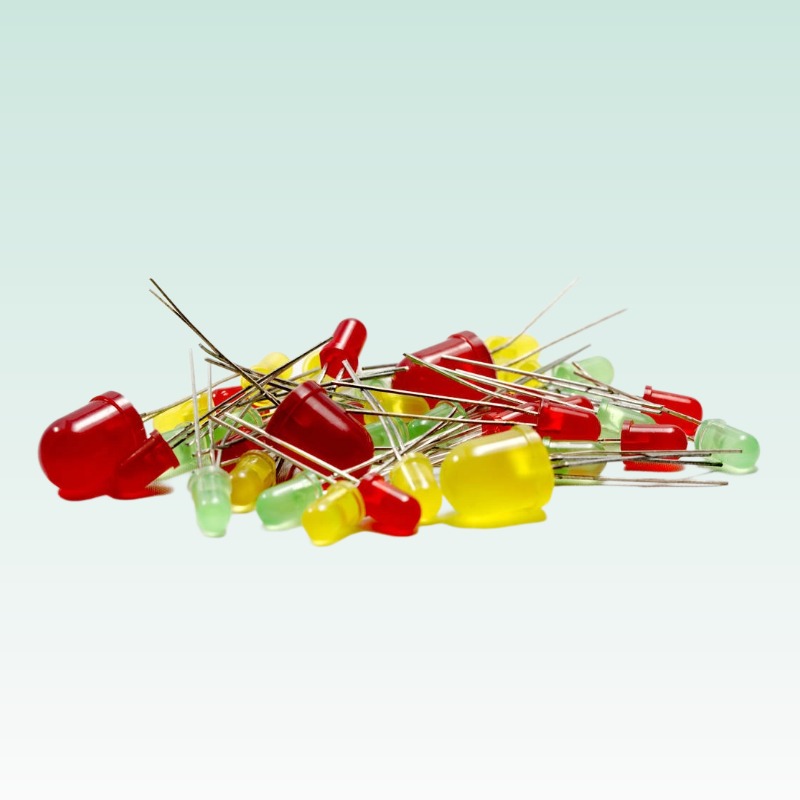
| DIP LEDs (3/5 mm) | Lens geometry, indication duty, hand assembly | DIP Failure Analysis; Application Notes |
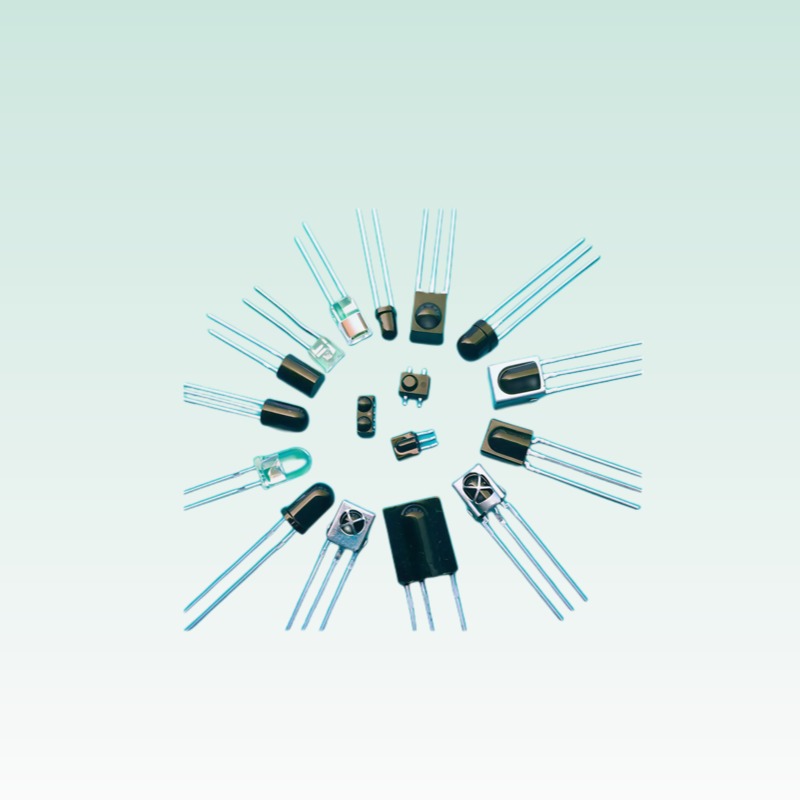
| Infrared LEDs (850/940 nm) | Wavelength selection, pulsing and ambient rejection | IR Failure Analysis; IR LED Applications |
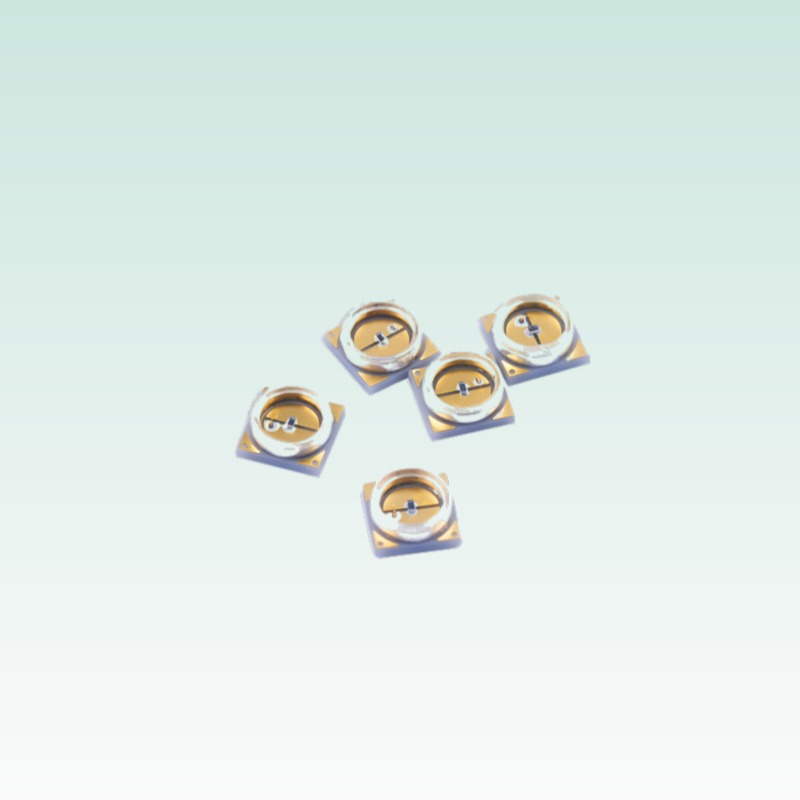
| UV / UVC LEDs | Dose budgeting, photobiological safety, encapsulant life | UVC Disinfection Guide; UV LED Datasheets |
| UFO High-Bay Luminaires | Lux planning for factory and warehouse task planes | Industrial Lighting Design Guide |
| Cleanroom Panel Lights | GMP compliance, sealing, flicker for inspection stations | Industrial Lighting Design Guide; GMP case study |
| Waterproof Tube Lights | IP65 demisting, food-zone washdown survival | Horticultural & Commercial Specs; Installation Guides |
| Solar Street Lights | Battery sizing, autonomy nights, LPD compliance | Solar & Outdoor Specs; LPD Guide |
| Grow Lights | PPFD targets by crop, photoperiod economics | Agricultural Lighting White Paper |
Methodology Notes: How the Numbers Were Produced
Each paper states its assumptions on the first page — test currents, ambient conditions, sample sizes, and the measurement standard behind every table. Reliability projections follow LM-80 + TM-21 methodology with the projection cap respected (6× test hours, per the standard), and photometric figures reference IES LM-79 measurements on the cited configurations. Where a number is an engineering estimate rather than a measured value, the text says so. This is the discipline that makes the papers citable in your own submittals.
Using the Papers Across a Program Lifecycle
- Specification phase: pull the bin floors, L90 curves, and LPD methods into your requirement documents — quote the paper revision so later audits resolve cleanly
- Design review: run the thermal and dose budgets from the reliability and UV papers against your worst-case ambient, not typical datasheet conditions
- Qualification: the test-report structures in the reliability paper map one-to-one onto HTOL and thermal-shock acceptance plans
- Field service: the failure-signature tables in the failure-analysis series give your service team a first-response protocol before parts ship to the lab
Measured deployments that validate the papers’ methods are documented in the lighting case studies and LED component case studies — each case publishes before/after numbers traceable to the calculation methods above.