
 English
 Afrikaans
 Albanian
 Amharic
 Arabic
 Armenian
 Azerbaijani
 Basque
 Belarusian
 Bengali
 Bosnian
 Bulgarian
 Catalan
 Cebuano
 Chichewa
 Corsican
 Croatian
 Czech
Czech Danish
 Dutch
Dutch Esperanto
 Estonian
 Filipino
 Finnish
 French
 Frisian
 Galician
 Georgian
 German
 Greek
Greek Gujarati
 Haitian Creole
 Hausa
Hausa Hawaiian
 Hebrew
 Hindi
Hindi Hmong
Hmong Hungarian
 Icelandic
 Igbo
Igbo Indonesian
 Irish
Irish Italian
 Japanese
 Javanese
 Kannada
 Kazakh
 Khmer
Khmer Korean
 Kurdish (Kurmanji)
 Kyrgyz
 Lao
Lao Latin
Latin Latvian
 Lithuanian
 Luxembourgish
 Macedonian
 Malagasy
 Malay
Malay Malayalam
 Maltese
 Maori
Maori Marathi
 Mongolian
 Myanmar (Burmese)
 Nepali
 Norwegian
 Pashto
 Persian
 Polish
 Portuguese
 Punjabi
 Romanian
 Russian
 Samoan
 Scottish Gaelic
 Serbian
 Sesotho
 Shona
Shona Sindhi
 Sinhala
 Slovak
 Slovenian
 Somali
 Spanish
 Sudanese
 Swahili
 Swedish
 Tajik
Tajik Tamil
Tamil Telugu
 Thai
Thai Turkish
 Ukrainian
 Urdu
Urdu Uzbek
Uzbek Vietnamese
 Welsh
Welsh Xhosa
Xhosa Yiddish
 Yoruba
 Zulu
Zulu
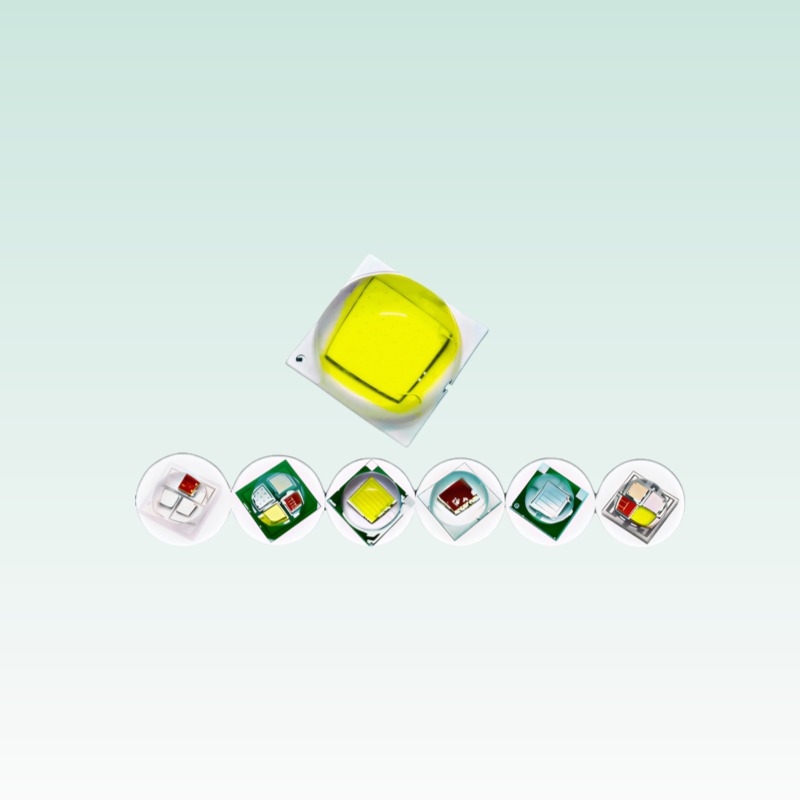
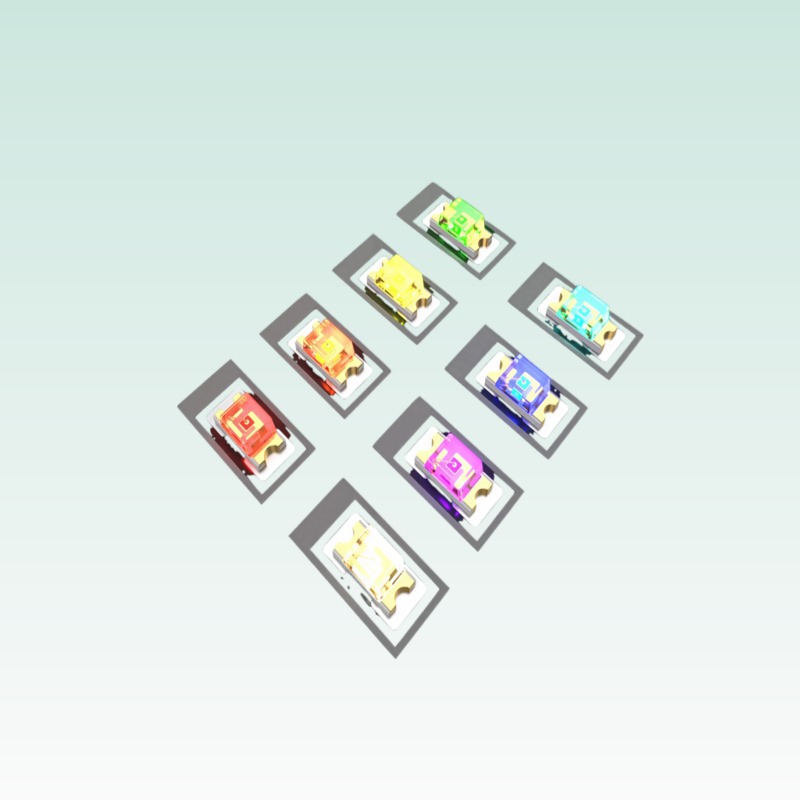
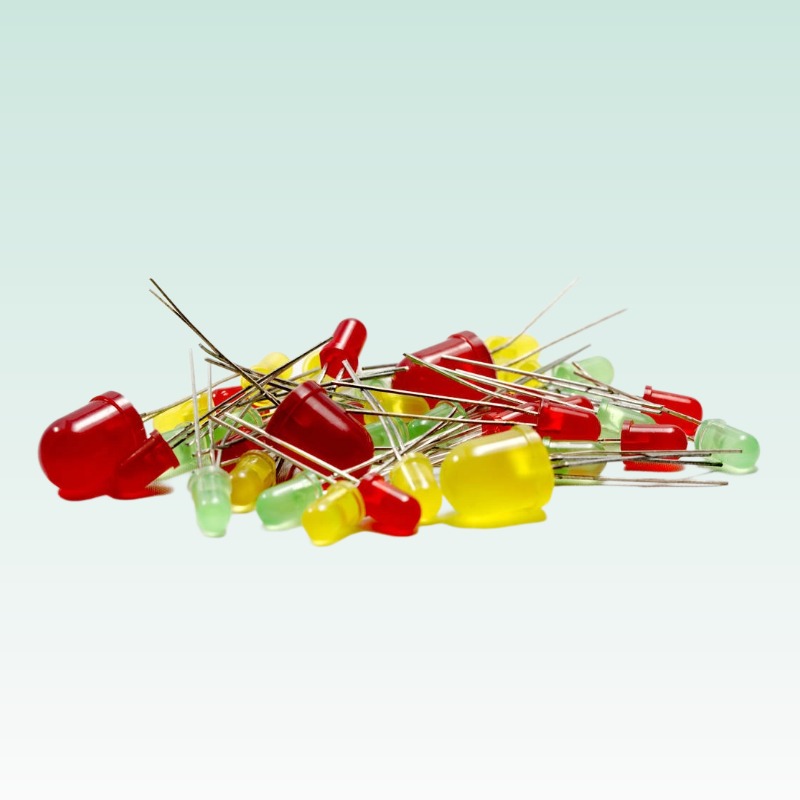
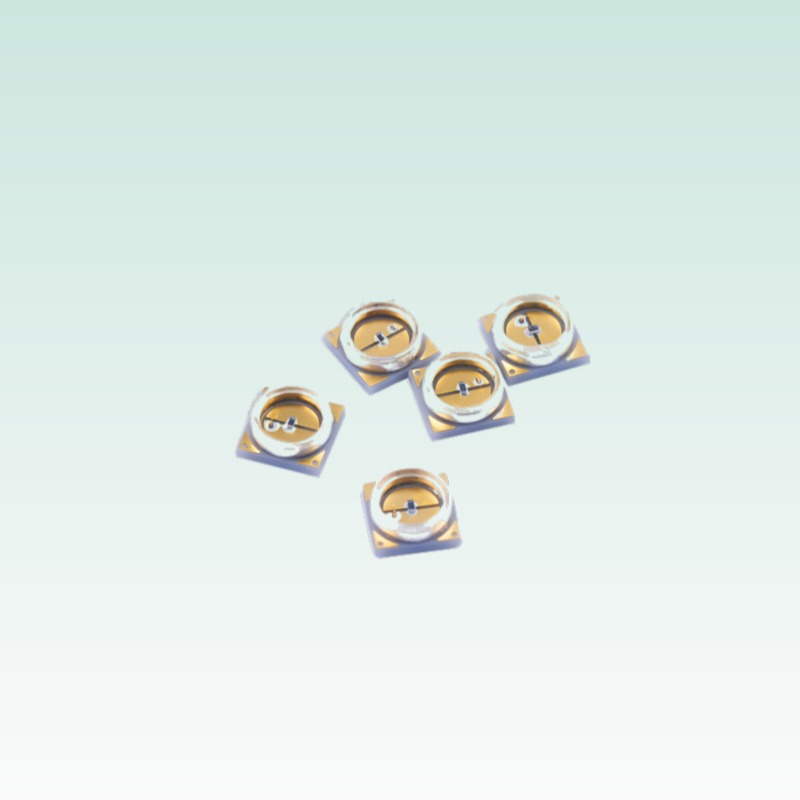
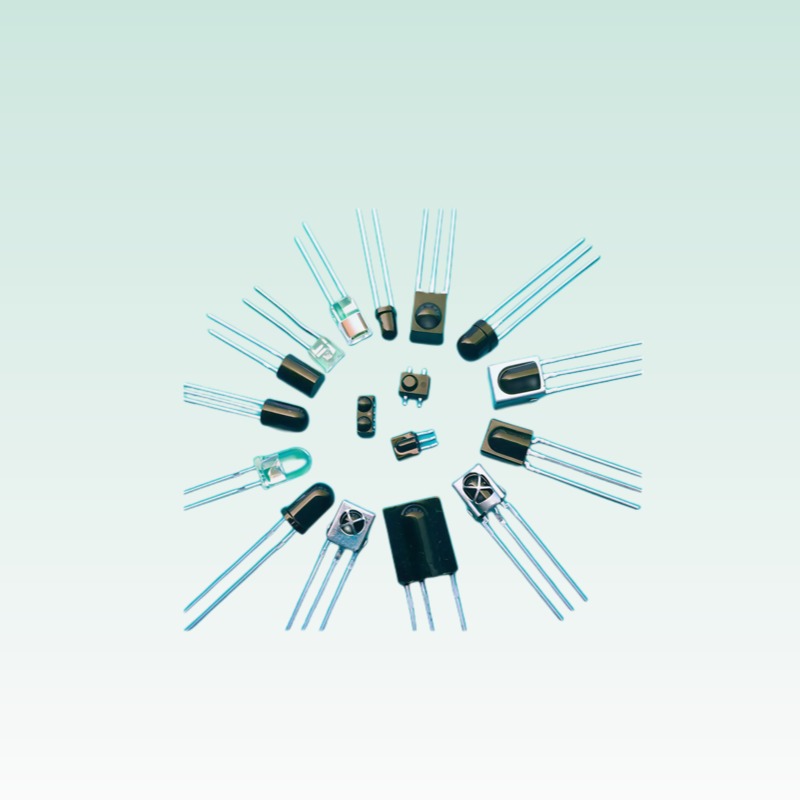
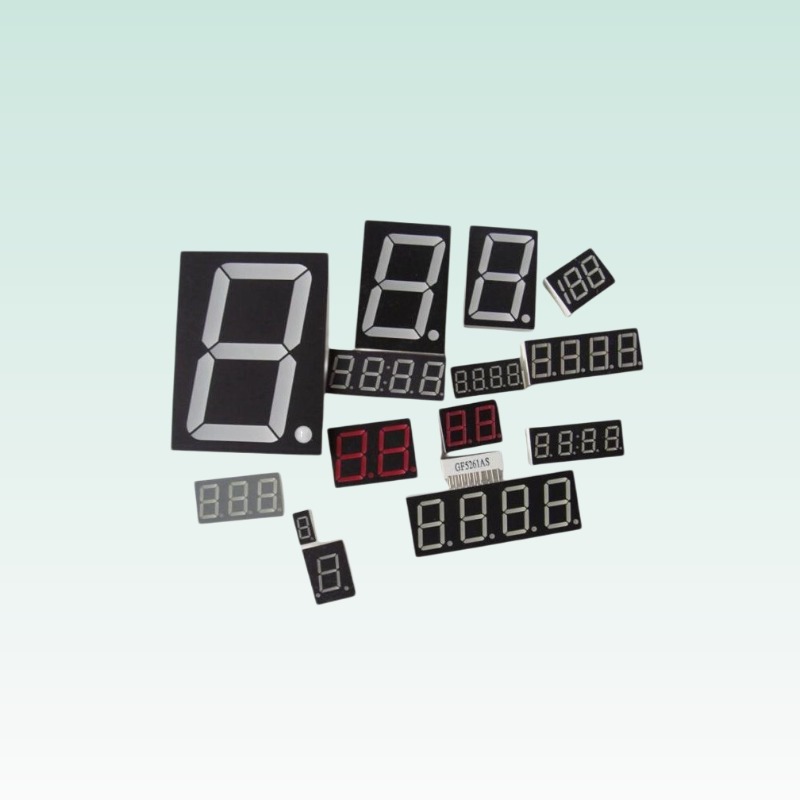
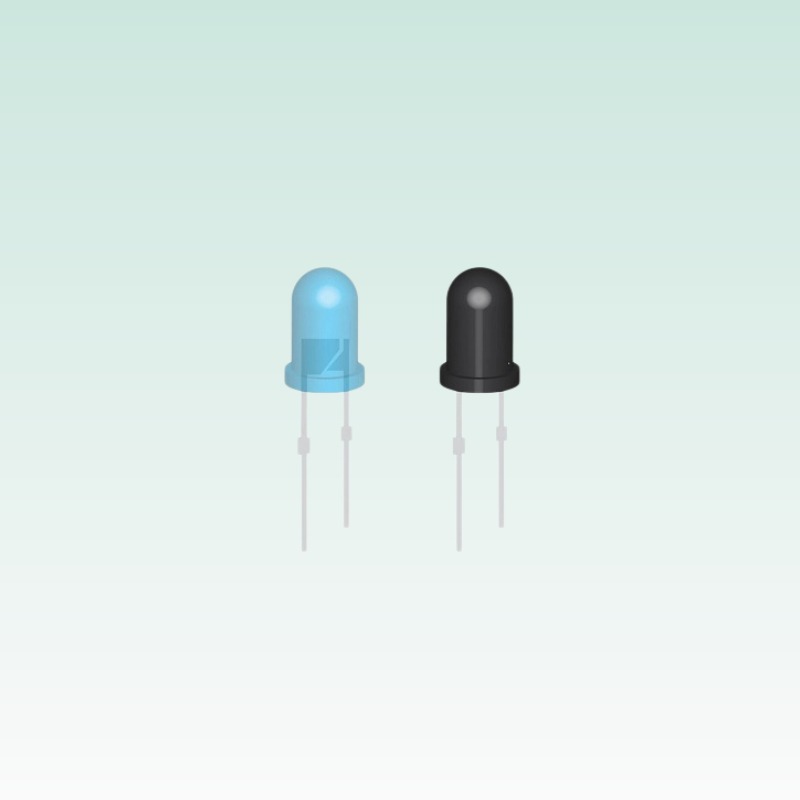
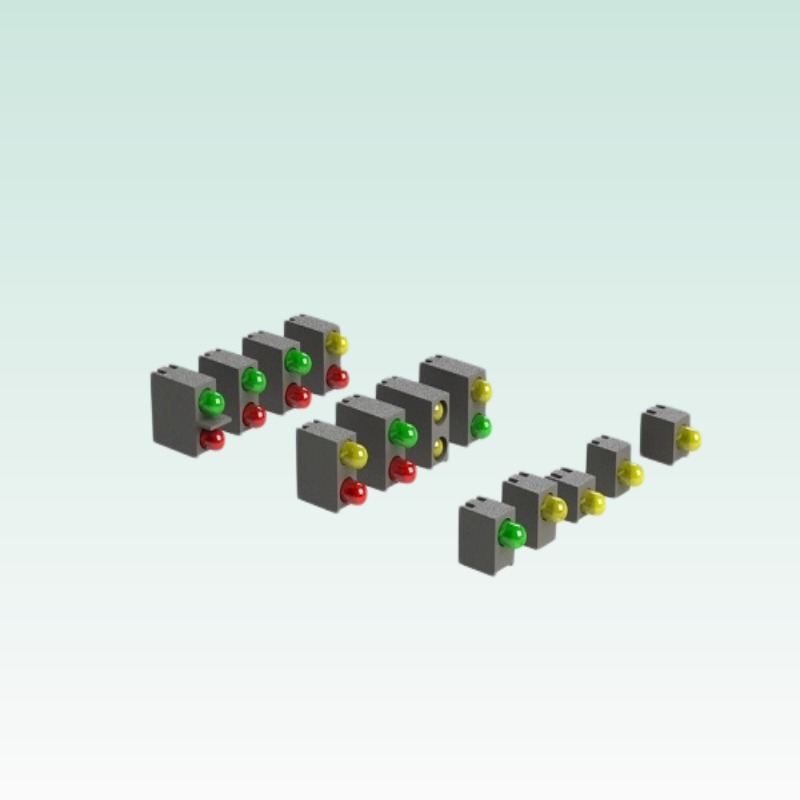



When sourcing SMD LEDs for lighting fixtures, the four-digit model number — 2835, 3528, 5050, 5630 — is not just a part code. It encodes the physical dimensions of the LED chip, which directly determines power handling, luminous output, thermal performance, and the applications each type serves best.
This guide decodes every major SMD LED size, compares their real-world performance, and tells you exactly which chip to specify for your project.
1. How to Read SMD LED Numbers
The four-digit number follows a simple rule: first two digits = length in mm, last two digits = width in mm.
| Model | Length (mm) | Width (mm) | Common Name |
|---|
| **2835** | 2.8 | 3.5 | Compact mid-power |
|---|---|---|---|
| **3528** | 3.5 | 2.8 | Classic small SMD |
| **5050** | 5.0 | 5.0 | Square RGB |
| **5630** | 5.6 | 3.0 | High-lumen mid-power |
| **3014** | 3.0 | 1.4 | Slim backlight |
| **3030** | 3.0 | 3.0 | Ceramic high-power |
Important: 3528 and 2835 look similar on paper (both ~10 mm² area), but the different aspect ratio changes how manufacturers place the LED die inside the package, which affects heat dissipation and lumen density.
2. 2835 LED: The Workhorse of Modern Lighting
Specifications
| Parameter | Typical Value | Notes |
|---|
| Dimensions | 2.8 × 3.5 × 0.8 mm | Slightly rectangular |
|---|---|---|
| Power range | 0.2W – 1.0W | Most common: 0.5W |
| Forward current | 60 mA – 150 mA | 0.5W version at 150 mA |
| Luminous flux (0.5W) | 50 – 75 lm | At 4000K, CRI 80 |
| Efficacy | 130 – 160 lm/W | Premium chips reach 170+ lm/W |
| Beam angle | 120° | Wide, uniform distribution |
| Thermal resistance | 50 – 80 K/W | Moderate, adequate for FR4 PCB |
Why 2835 Dominates the Market
The 2835 package replaced the older 3528 as the default choice for general lighting because:
1. Larger die area — The 2.8×3.5 mm package fits a bigger LED die than 3528, increasing lumen output at the same current
2. Better thermal pad — The bottom-mounted thermal pad connects directly to PCB copper, improving heat flow
3. Higher power ceiling — Can be driven at 0.5W–1W for high-lumen panels and tubes
4. Cost optimization — At volume, 2835 delivers the best lm-per-dollar ratio
Best Applications
Real-World Example
A standard 1200 mm LED tube light uses 96 × 2835 LEDs at 0.5W each:
3. 3528 LED: The Classic Small Format
Specifications
| Parameter | Typical Value | Notes |
|---|
| Dimensions | 3.5 × 2.8 × 1.9 mm | Taller than 2835 |
|---|---|---|
| Power range | 0.06W – 0.1W | Low-power indicator/decor |
| Forward current | 20 mA | Standard operating current |
| Luminous flux | 6 – 10 lm | At 20 mA, 4000K |
| Efficacy | 100 – 130 lm/W | Lower than modern 2835 |
| Beam angle | 120° | Standard wide beam |
| Thermal resistance | 150 – 250 K/W | Poor thermal path |
Key Characteristics
The 3528 was the first widely adopted SMD LED package (introduced in early 2000s). It remains popular for:
Limitations
1. Low power ceiling — Cannot safely exceed 0.1W without overheating
2. No thermal pad — Heat must dissipate through the leads, limiting sustained output
3. Lower efficacy — Older chip technology inside the package
Best Applications
4. 5050 LED: The RGB and Multi-Chip Specialist
Specifications
| Parameter | Typical Value | Notes |
|---|
| Dimensions | 5.0 × 5.0 × 1.6 mm | Square package |
|---|---|---|
| Power range | 0.2W – 0.6W | Three dies inside |
| Forward current | 60 mA per channel | RGB channels individually controlled |
| Luminous flux (white) | 15 – 25 lm | Combined RGB white |
| Efficacy | 80 – 120 lm/W | Lower due to phosphor conversion losses |
| Beam angle | 120° – 160° | Very wide |
| Special feature | 3-in-1 RGB dies | Independently controllable channels |
Unique Architecture
The 5050 package contains three separate LED dies in one housing:
| Die | Wavelength | Color |
|---|
| Die 1 | 620–625 nm | Red |
|---|---|---|
| Die 2 | 520–525 nm | Green |
| Die 3 | 460–465 nm | Blue |
Why this matters:
Best Applications
Important Note on “White” 5050
Some 5050 LEDs use a phosphor coating over a blue die to produce white light (similar to 2835/5630). These are not RGB and cannot change color. Always verify whether a “5050 white” is:
5. 5630 LED: The High-Lumen Powerhouse
Specifications
| Parameter | Typical Value | Notes |
|---|
| Dimensions | 5.6 × 3.0 × 0.8 mm | Elongated rectangular |
|---|---|---|
| Power range | 0.5W – 1.5W | Highest power in mid-power SMD |
| Forward current | 150 mA – 350 mA | Depends on power rating |
| Luminous flux (0.5W) | 60 – 90 lm | At 4000K, CRI 80 |
| Luminous flux (1.0W) | 120 – 180 lm | Requires excellent thermal management |
| Efficacy | 130 – 170 lm/W | Premium chips: 180+ lm/W |
| Beam angle | 120° | Wide distribution |
| Thermal resistance | 40 – 60 K/W | Good thermal pad design |
Why 5630 Delivers More Light
The elongated 5.6×3.0 mm package provides:
1. Larger die space — Fits a bigger LED die or multiple dies for higher output
2. Extended thermal pad — The long dimension allows a larger heat-spreading pad on the PCB
3. Higher current tolerance — Can be driven at 350 mA when properly heat-sinked
Best Applications
Thermal Warning
At 1W+ power levels, 5630 LEDs require:
Without proper thermal design, junction temperature exceeds 85°C, causing:
6. Side-by-Side Comparison
| Specification | 2835 | 3528 | 5050 | 5630 |
|---|
| **Dimensions** | 2.8×3.5 mm | 3.5×2.8 mm | 5.0×5.0 mm | 5.6×3.0 mm |
|---|---|---|---|---|
| **Typical power** | 0.5W | 0.06W | 0.2W | 0.5W–1.0W |
| **Max current** | 150 mA | 20 mA | 60 mA/ch | 350 mA |
| **Lumens (typical)** | 50–75 lm | 6–10 lm | 15–25 lm | 60–180 lm |
| **Efficacy** | 130–170 lm/W | 100–130 lm/W | 80–120 lm/W | 130–180 lm/W |
| **Thermal pad** | Yes (bottom) | No | No | Yes (bottom) |
| **RGB capable** | No | No | Yes | No |
| **Best for** | General lighting | Decorative strips | Color-changing | High-output panels |
| **Cost (per chip)** | $0.02–$0.05 | $0.005–$0.02 | $0.03–$0.08 | $0.03–$0.10 |
| **Thermal risk** | Low | Very low | Low | Moderate–High |
7. Selection Guide: Which LED for Your Application?
Scenario 1: LED Tube Light (T8 Replacement)
Recommended: 2835 at 0.5W, 96 chips per 1200 mm tube
Why: Optimal balance of cost, efficacy, and thermal management for linear fixtures.
Scenario 2: Decorative RGB Strip Light
Recommended: 5050 RGB, 60 chips per meter
Why: Only package offering true color mixing in a single SMD footprint.
Scenario 3: High-Lumen Office Panel (600×600 mm)
Recommended: 5630 at 0.5W–1.0W, 40–60 chips per panel
Why: Maximum lumen density with acceptable thermal load when mounted on aluminum PCB.
Scenario 4: Low-Cost Accent Strip (Under Cabinet)
Recommended: 3528 at 0.06W, 60 chips per meter
Why: Lowest cost per meter, adequate brightness for accent lighting, minimal heat concerns.
Scenario 5: Outdoor Flood Light (Replacing 250W MH)
Recommended: 5630 at 1.0W on aluminum PCB with heat sink
Why: High lumen output per chip reduces total component count; aluminum substrate manages thermal load.
8. Future Trends: Beyond Standard SMD Sizes
The industry is moving toward even more efficient and compact packages:
| New Package | Dimensions | Advantage | Application |
|---|
| **EMC 3030** | 3.0×3.0 mm | Ceramic substrate, 1W+ capability | High-power compact fixtures |
|---|---|---|---|
| **CSP (Chip Scale Package)** | ~1.0×1.0 mm | No package, die-level mounting | Ultra-thin displays, micro-LED |
| **Mini LED** | 100–200 μm | High density, local dimming | Premium TV backlighting |
| **Micro LED** | <50 μm | Self-emissive display pixels | Next-gen displays |
For general lighting manufacturers, 2835 and 5630 will remain the dominant packages through 2025–2027 due to their proven reliability, automated assembly compatibility, and cost structure.
Conclusion
The SMD LED package size you choose directly impacts your fixture’s performance, cost, and reliability:
At Queendom LED, we supply all four SMD LED types with consistent binning, full technical documentation, and customizable CCT/CRI configurations. We offer free samples for qualified fixture manufacturers.
Request 2835 samples | Browse SMD LED catalog | Download datasheets
