
 English
 Afrikaans
 Albanian
 Amharic
 Arabic
 Armenian
 Azerbaijani
 Basque
 Belarusian
 Bengali
 Bosnian
 Bulgarian
 Catalan
 Cebuano
 Chichewa
 Corsican
 Croatian
 Czech
Czech Danish
 Dutch
Dutch Esperanto
 Estonian
 Filipino
 Finnish
 French
 Frisian
 Galician
 Georgian
 German
 Greek
Greek Gujarati
 Haitian Creole
 Hausa
Hausa Hawaiian
 Hebrew
 Hindi
Hindi Hmong
Hmong Hungarian
 Icelandic
 Igbo
Igbo Indonesian
 Irish
Irish Italian
 Japanese
 Javanese
 Kannada
 Kazakh
 Khmer
Khmer Korean
 Kurdish (Kurmanji)
 Kyrgyz
 Lao
Lao Latin
Latin Latvian
 Lithuanian
 Luxembourgish
 Macedonian
 Malagasy
 Malay
Malay Malayalam
 Maltese
 Maori
Maori Marathi
 Mongolian
 Myanmar (Burmese)
 Nepali
 Norwegian
 Pashto
 Persian
 Polish
 Portuguese
 Punjabi
 Romanian
 Russian
 Samoan
 Scottish Gaelic
 Serbian
 Sesotho
 Shona
Shona Sindhi
 Sinhala
 Slovak
 Slovenian
 Somali
 Spanish
 Sudanese
 Swahili
 Swedish
 Tajik
Tajik Tamil
Tamil Telugu
 Thai
Thai Turkish
 Ukrainian
 Urdu
Urdu Uzbek
Uzbek Vietnamese
 Welsh
Welsh Xhosa
Xhosa Yiddish
 Yoruba
 Zulu
Zulu
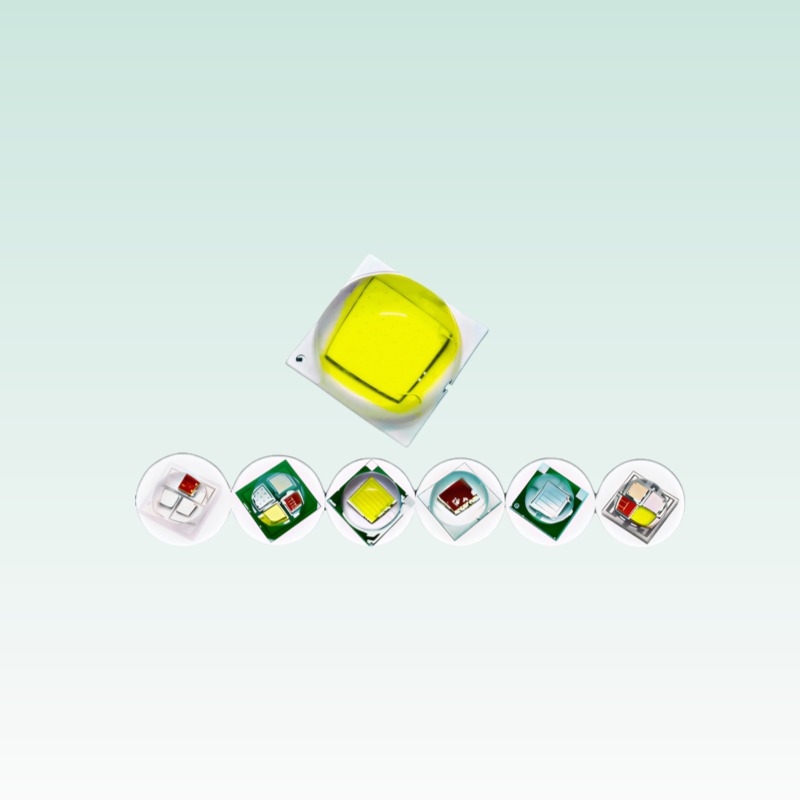

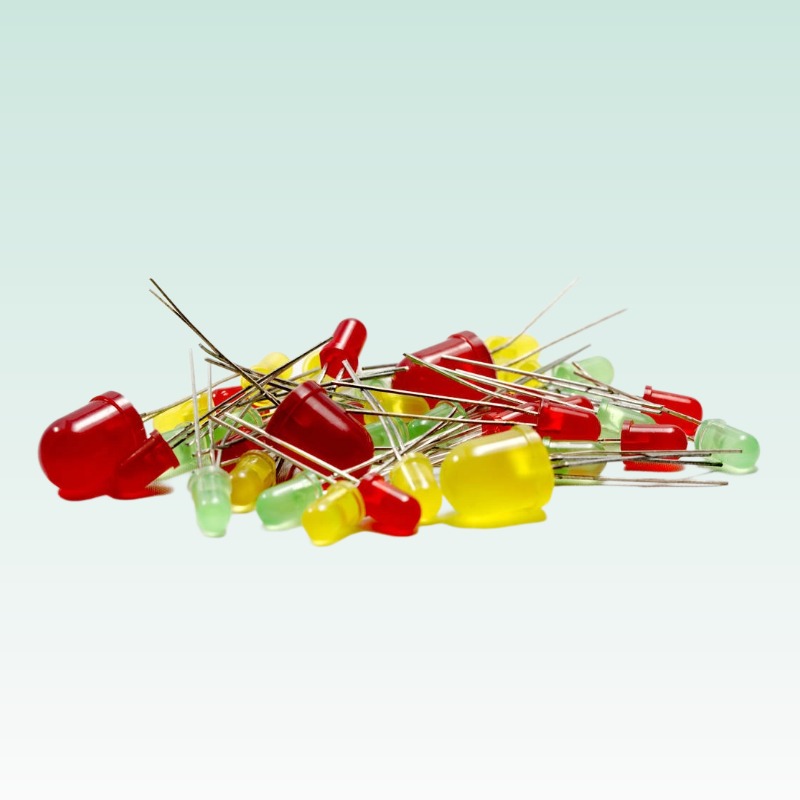
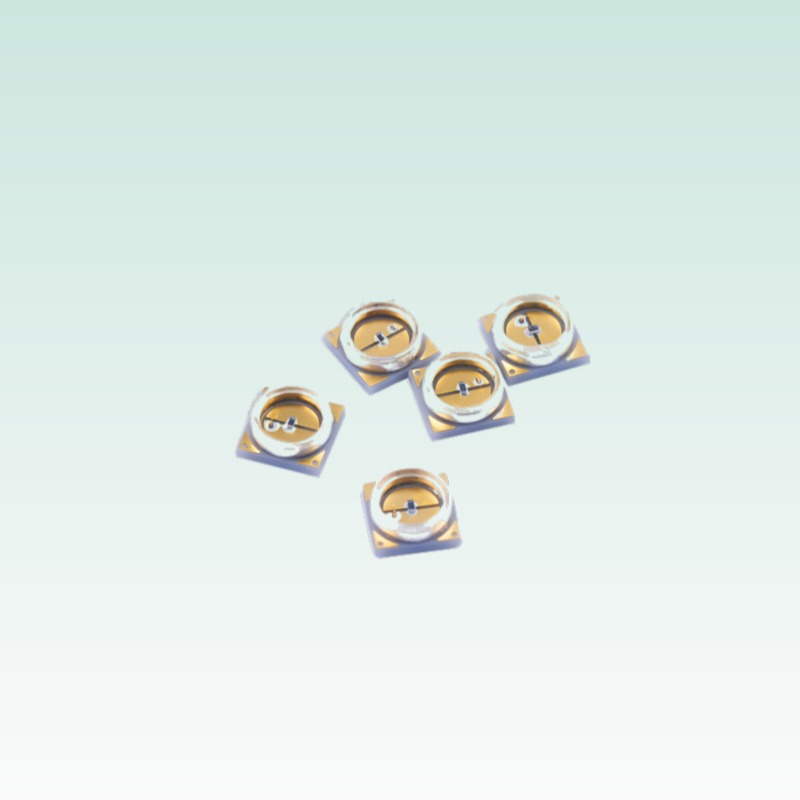
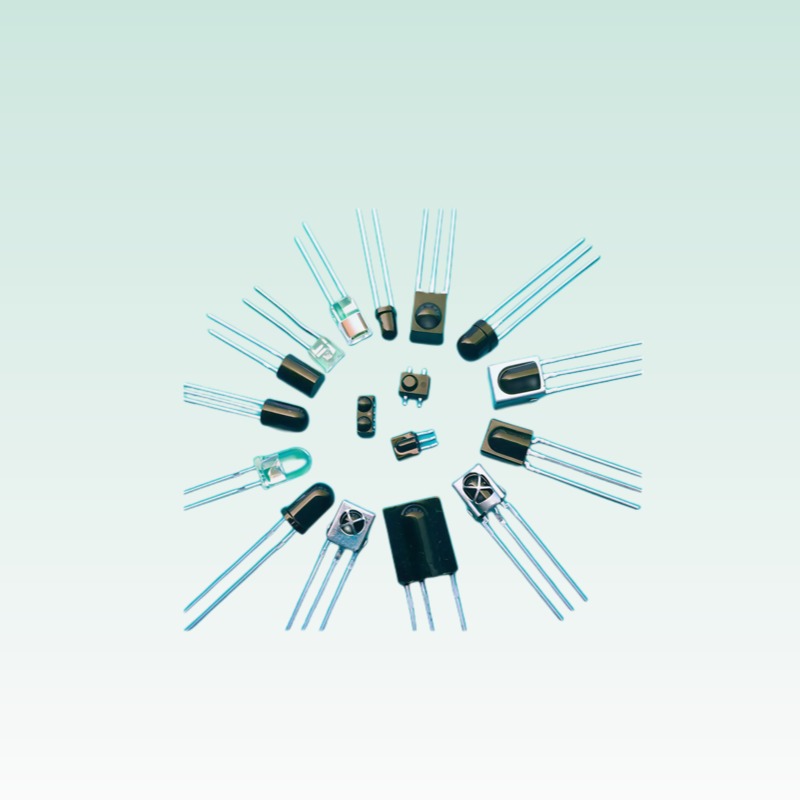








Forward voltage (Vf) is the minimum voltage at which an LED die conducts rated current and emits light. It is the first number a driver designer reads, because it sets compliance voltage, heat dissipation and current sharing across strings. For high-power dies — blue and white InGaN at 2.8-3.6 V, UVA 365 nm chips up to 4.3 V, SWIR emitters lower — Vf moves with current, temperature and manufacturing batch, so it behaves as a system constraint, not a datasheet constant.
Typical Vf Values by Material
Vf follows the bandgap of the semiconductor. InGaN-based UV and blue chips run higher than InGaAsP SWIR emitters of the same power class, and Vf rises with forward current because of series resistance in the die, wire bonds and solder joints. Read the datasheet curve, not a single point. Typical values at rated If:
| Emitter class | Peak wavelength | Typical Vf at rated If |
|---|---|---|
| InGaN blue / white | 440-470 nm | 2.8-3.6 V |
| InGaN UVA | 365-395 nm | 3.4-4.3 V |
| AlGaInP red | 620-640 nm | 1.8-2.6 V |
| InGaAsP SWIR | 970-1700 nm | ~1.0-1.8 V |
Values assume rated current at 25°C case temperature; confirm against the specific die size and package family before committing a design.
Three System Consequences
Driver compliance voltage. A constant-current driver must cover the highest Vf in the string plus wiring and sensing overhead. If the sum of Vf values exceeds the driver’s maximum output voltage, the string never reaches rated current and irradiance drops below spec — a common field complaint when curing heads are retrofitted with higher-Vf bins.
Thermal load. Dissipated heat equals forward current multiplied by the voltage across the diode. At 1 A and 3.2 V, each die releases 3.2 W before optical losses; a blue die with 50% wall plug efficiency still converts half its electrical input to heat. That number, not the wattage printed on the box, sizes the heat sink.
Efficiency. Higher Vf at the same optical output means more power converted to heat, which raises cooling cost in compact curing heads, machine-vision rings and medical light engines.
Temperature Coefficient and Cold Start
Vf falls as junction temperature rises, by roughly -2 to -4 mV per °C for InGaN dies. A system specified at 25°C can misbehave at -20°C cold start: Vf climbs, the driver hits its compliance ceiling, current collapses, and a UV curing line under-cures until the head warms up. The fix is to validate worst-case string voltage at both temperature extremes against the driver’s compliance window, and to prefer constant-current topologies that tolerate Vf drift without the optical output wandering.
Binning and Series Strings
Manufacturers sort chips into Vf bins so that series-connected strings share current evenly. A 100 mV spread across a string produces visible irradiance non-uniformity in machine-vision ring lights and medical light guides, where dies at different forward voltages draw different currents under a shared ballast. Specify Vf as minimum, typical and maximum at the operating current and a stated reference Tj — not at the 20 mA test current of small indicator dies. For procurement, request Vf data at both 25°C and the expected operating Tj, typically 85°C in sealed industrial heads, because the negative temperature coefficient changes the effective driver margin over the mission profile.
FAQ
Q: Why does my LED driver not reach rated current on a cold morning?
Cold junctions raise Vf by 2-4 mV per °C of temperature drop. If string voltage plus overhead exceeds the driver’s compliance limit, current falls until the assembly warms up. Re-check string voltage at the lowest specified ambient temperature.
Q: Can I parallel LED strings without individual ballast?
Only if dies are tightly binned and thermally coupled. A 100-200 mV Vf mismatch lets one string hog current and overheat. Series strings on a constant-current driver remain the reliable default.
Q: Where do I read Vf on a datasheet?
Check the electrical characteristics table, quoted at test current, plus the Vf-vs-If curve. Treat the column value as a bin center, not a guarantee, and request the binning range at your operating current.
