

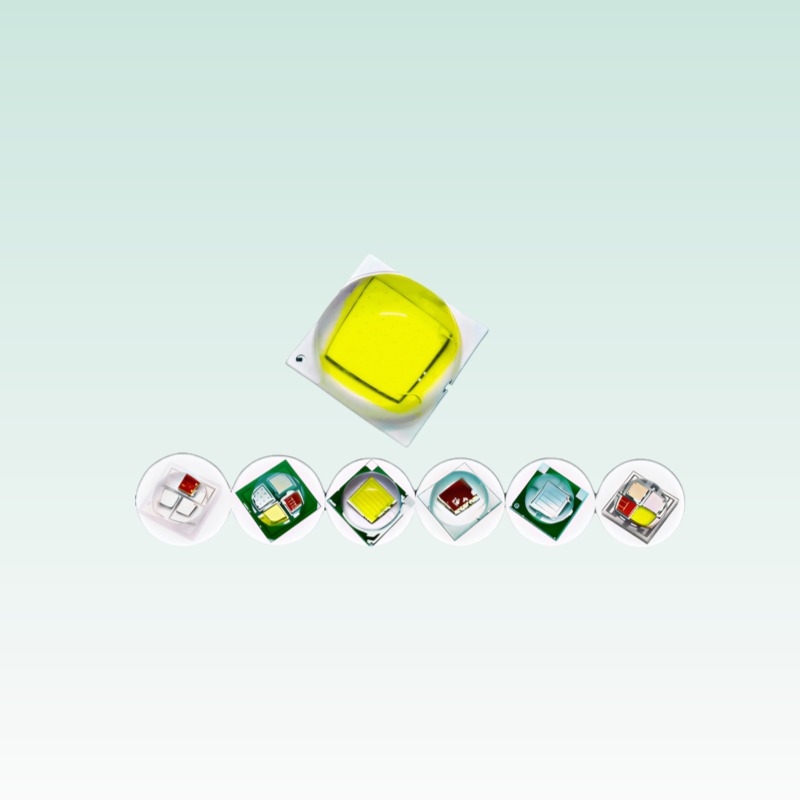

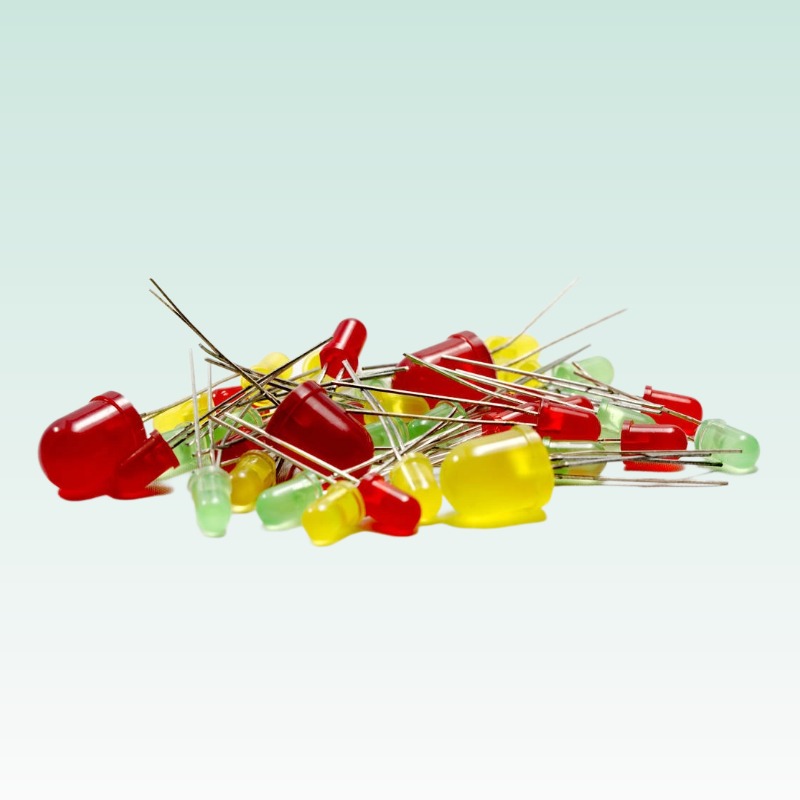
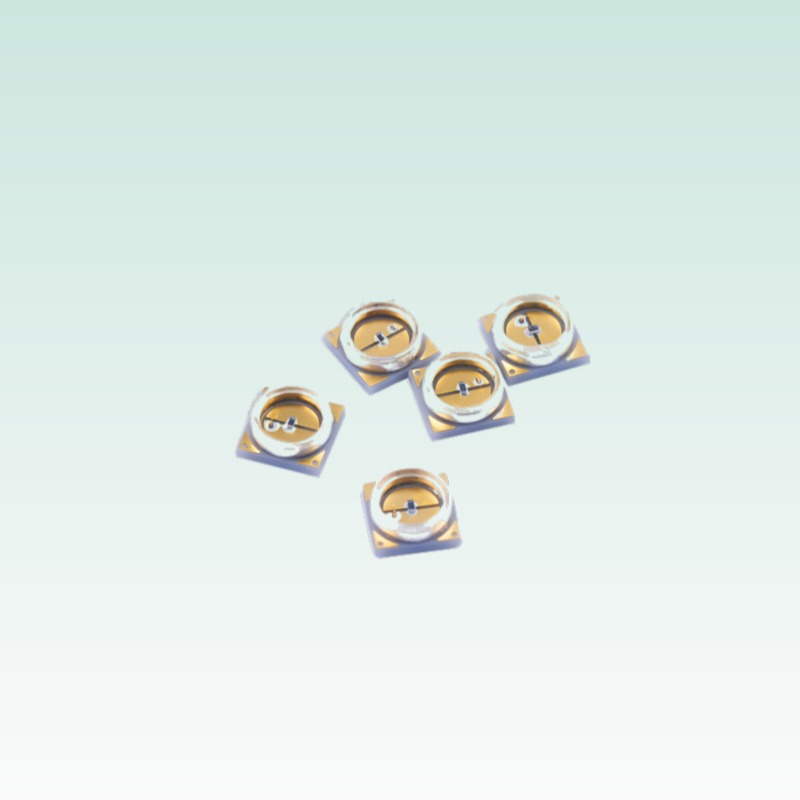
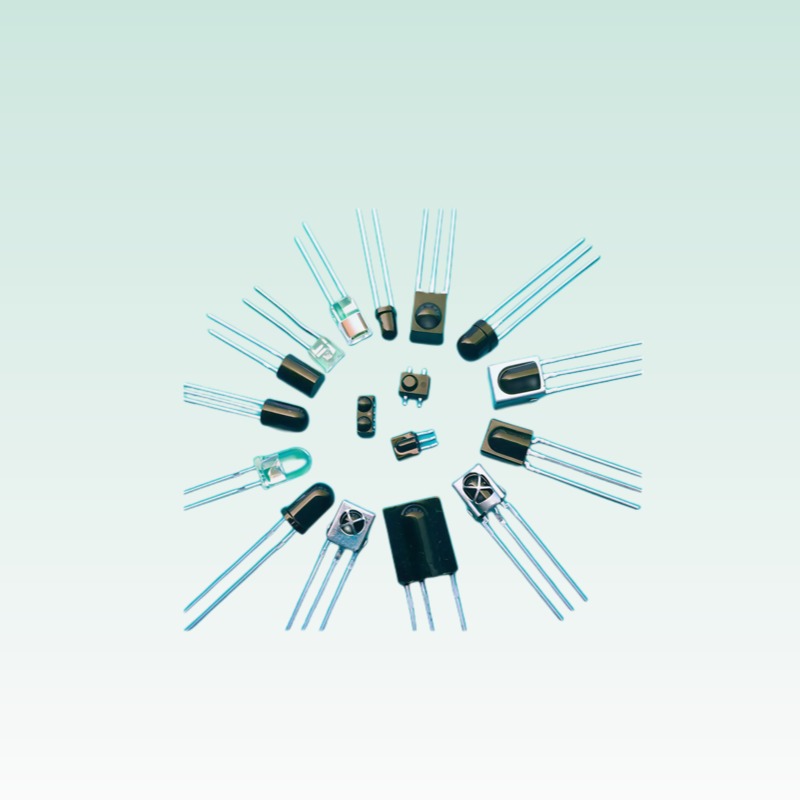
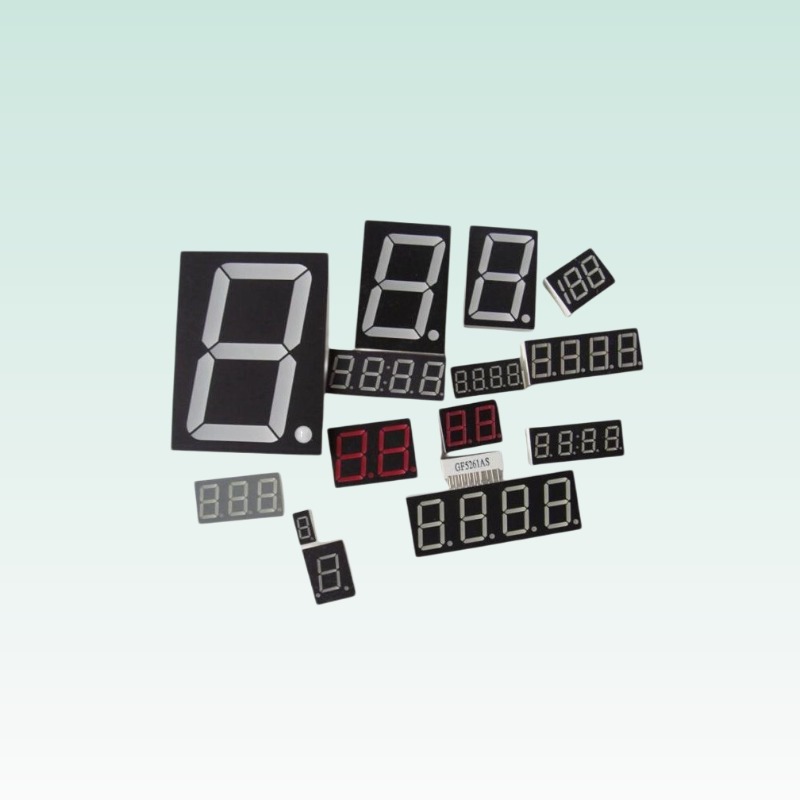
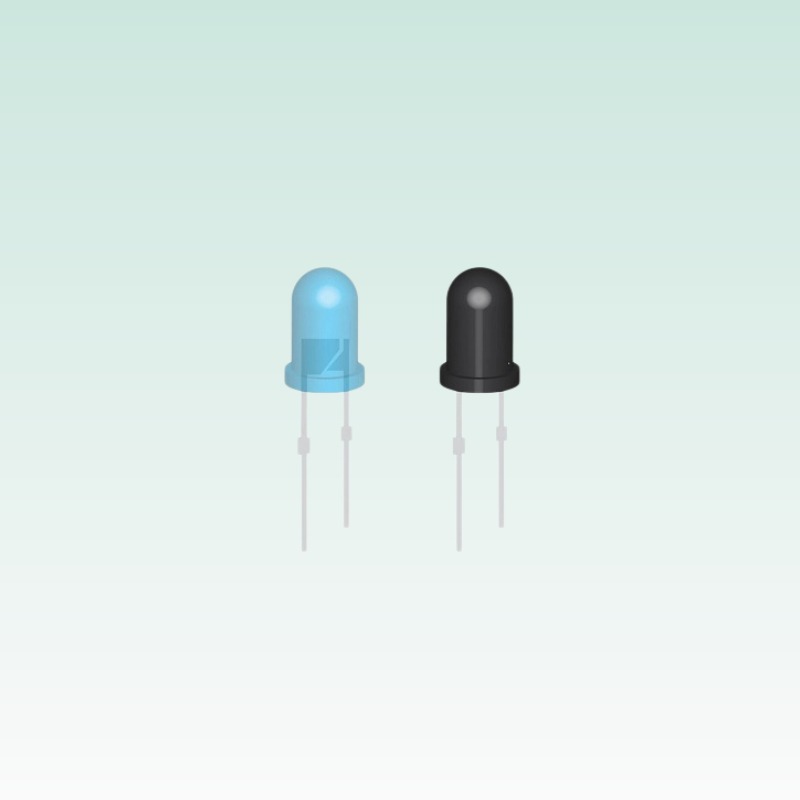
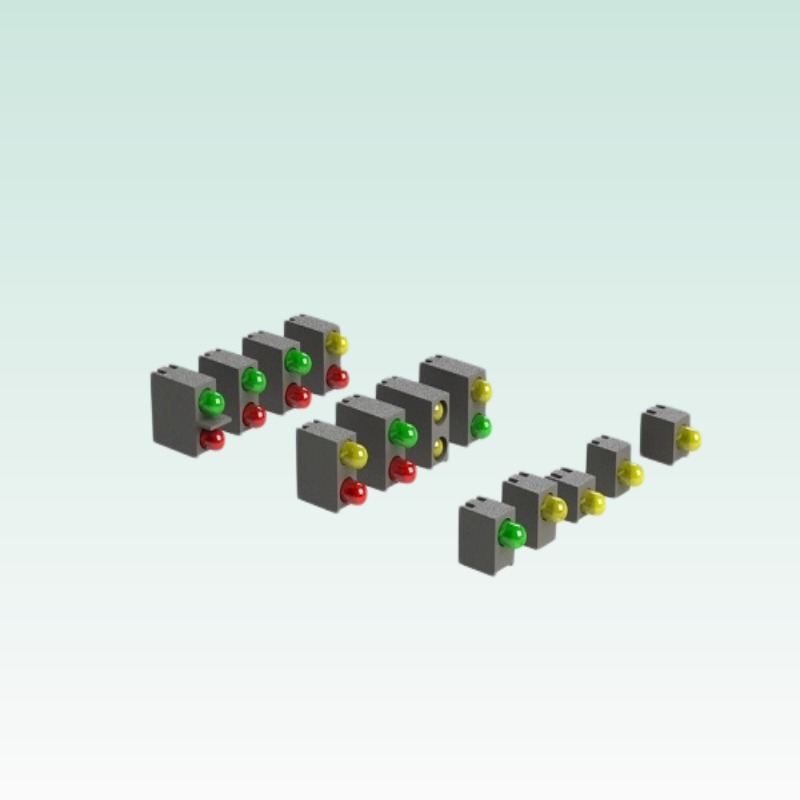





An SMD LED is a plastic package with a silica-filled epoxy or silicone lens, and that plastic absorbs water vapor from room air. During reflow the package reaches 230C or more in seconds; the trapped moisture flashes to steam, the internal pressure tears layers apart, and the part dies or leaves the line with a crack that shows up as a dead pixel months later. The industry answer is the moisture sensitivity level, and MSL 3 is the level most SMD LEDs carry.
What MSL Actually Defines
| Level | Floor life after opening | Equivalent 30C/85% RH hours |
|---|---|---|
| MSL 1 | Unlimited | 168+ |
| MSL 2 | 1 year | 168 |
| MSL 3 | 168 hours | 72 |
| MSL 4 | 72 hours | 48 |
| MSL 5 | 48 hours | 24 |
| MSL 6 | Bake before use | 6 |
MSL is defined by JEDEC J-STD-020 as the time a part can sit outside its moisture-barrier bag at 30C and 60% RH (the floor life) before the reflow risk crosses the acceptance threshold. J-STD-033 is the companion standard that tells the floor what to do about it. An MSL 3 part gets 168 hours, one week, between opening the bag and the last reflow cycle.
The Floor Life Clock
The clock starts when the moisture-barrier bag is opened, not when the reel is used. A reel opened on Monday and placed back on the shelf on Friday has spent four of its seven days whether or not a single LED was placed. Practical rules for the SMT floor:
- Record the opening date and time on the reel. The clock is a floor fact, not a datasheet fact.
- Check the humidity indicator card inside the bag. A 10% spot that has turned pink means the barrier failed and the contents need assessment before the clock even starts.
- One reflow pass consumes part of the budget. A part rated for two reflow cycles at MSL 3 has less remaining life after the first pass; the standard treats each exposure as cumulative.
- Parts left beyond floor life go to the bake oven, not back into the feeder.
Baking Rules That Fit LEDs
J-STD-033 gives two bake paths: a hot bake at 125C for a short time and a low-temperature bake at 40C with low humidity for much longer. Read both against the package, because an LED is not a plain IC:
| Bake path | Temperature | Typical duration | Watch out for |
|---|---|---|---|
| Hot bake | 125C | 4 to 24 hours by thickness | Silicone lenses and tape discoloration |
| Low bake | 40C, under 5% RH | Days | Long oven occupancy |
High baking temperatures age silicone optics and some carrier tapes. Many LED makers publish a preferred bake table that sits below the generic JEDEC values; follow the component maker table where it exists, and treat the generic table as the fallback. Baking restores the moisture budget and restarts the floor life clock, but it does not erase previous thermal damage, so repeated bake-and-reflow loops are not a recovery plan.
FAQ
How long can an MSL 3 LED reel stay open? 168 hours at no more than 30C and 60% RH, counting from bag opening and cumulative across reflow passes.
Does a desiccant cabinet replace baking? A dry cabinet under 5% RH pauses the clock and is the right place for opened reels; baking is for parts that already exceeded floor life or failed the indicator check.
