
 English
 Afrikaans
 Albanian
 Amharic
 Arabic
 Armenian
 Azerbaijani
 Basque
 Belarusian
 Bengali
 Bosnian
 Bulgarian
 Catalan
 Cebuano
 Chichewa
 Corsican
 Croatian
 Czech
Czech Danish
 Dutch
Dutch Esperanto
 Estonian
 Filipino
 Finnish
 French
 Frisian
 Galician
 Georgian
 German
 Greek
Greek Gujarati
 Haitian Creole
 Hausa
Hausa Hawaiian
 Hebrew
 Hindi
Hindi Hmong
Hmong Hungarian
 Icelandic
 Igbo
Igbo Indonesian
 Irish
Irish Italian
 Japanese
 Javanese
 Kannada
 Kazakh
 Khmer
Khmer Korean
 Kurdish (Kurmanji)
 Kyrgyz
 Lao
Lao Latin
Latin Latvian
 Lithuanian
 Luxembourgish
 Macedonian
 Malagasy
 Malay
Malay Malayalam
 Maltese
 Maori
Maori Marathi
 Mongolian
 Myanmar (Burmese)
 Nepali
 Norwegian
 Pashto
 Persian
 Polish
 Portuguese
 Punjabi
 Romanian
 Russian
 Samoan
 Scottish Gaelic
 Serbian
 Sesotho
 Shona
Shona Sindhi
 Sinhala
 Slovak
 Slovenian
 Somali
 Spanish
 Sudanese
 Swahili
 Swedish
 Tajik
Tajik Tamil
Tamil Telugu
 Thai
Thai Turkish
 Ukrainian
 Urdu
Urdu Uzbek
Uzbek Vietnamese
 Welsh
Welsh Xhosa
Xhosa Yiddish
 Yoruba
 Zulu
Zulu
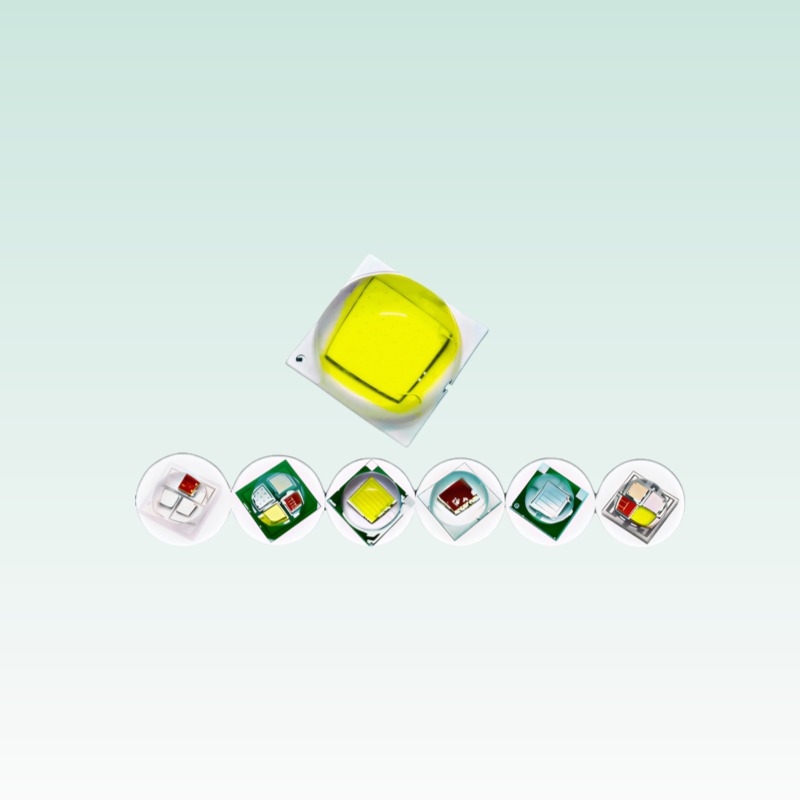

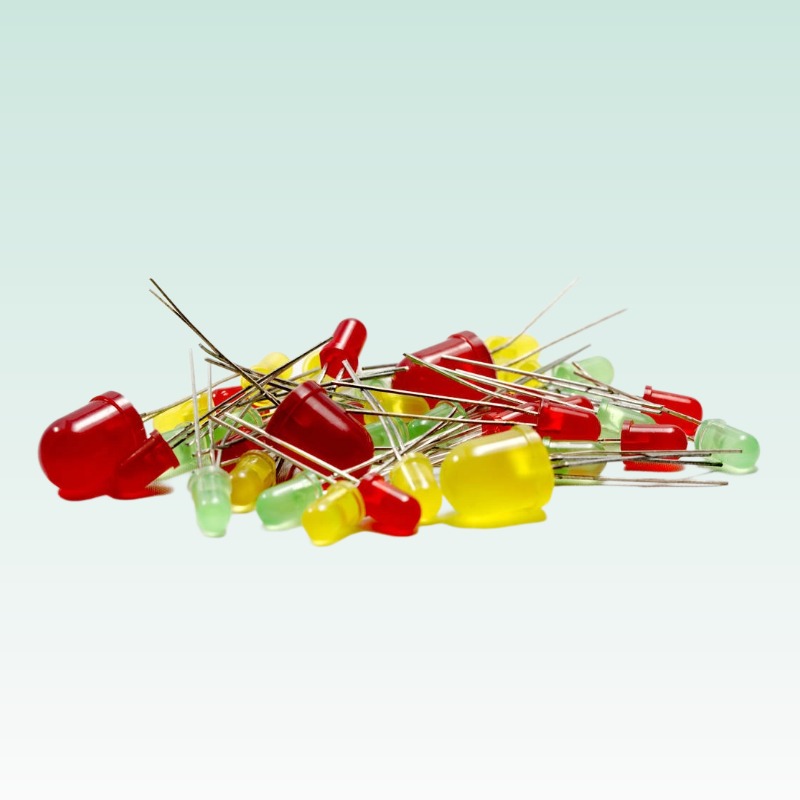
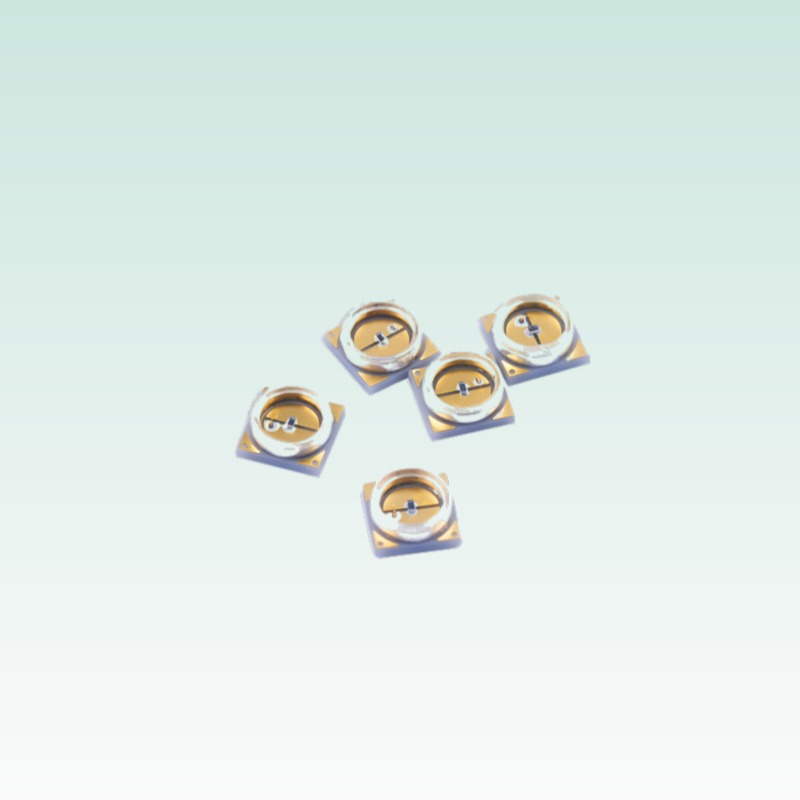
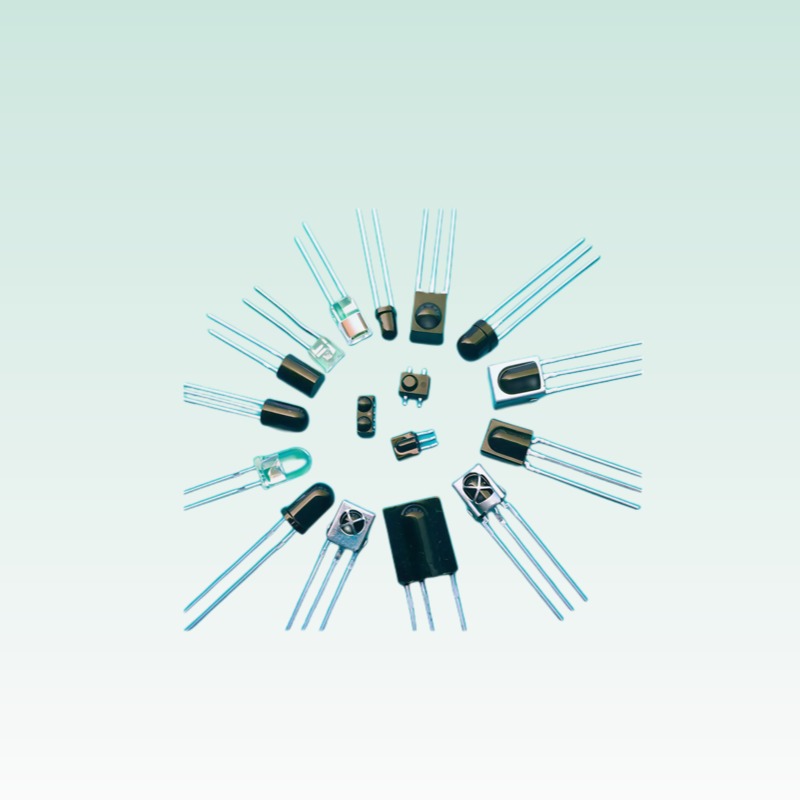

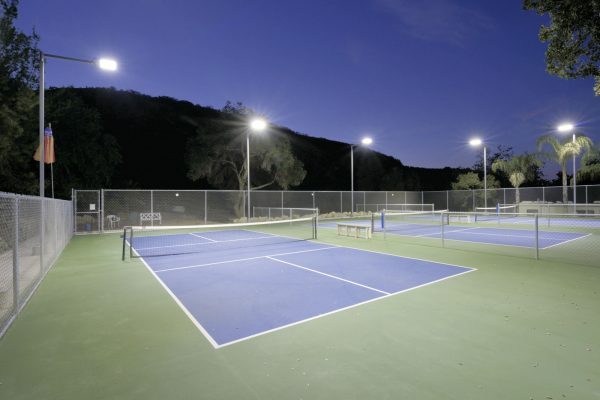
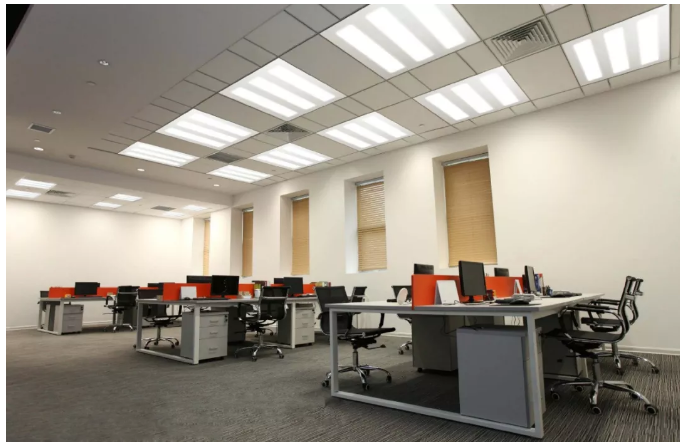
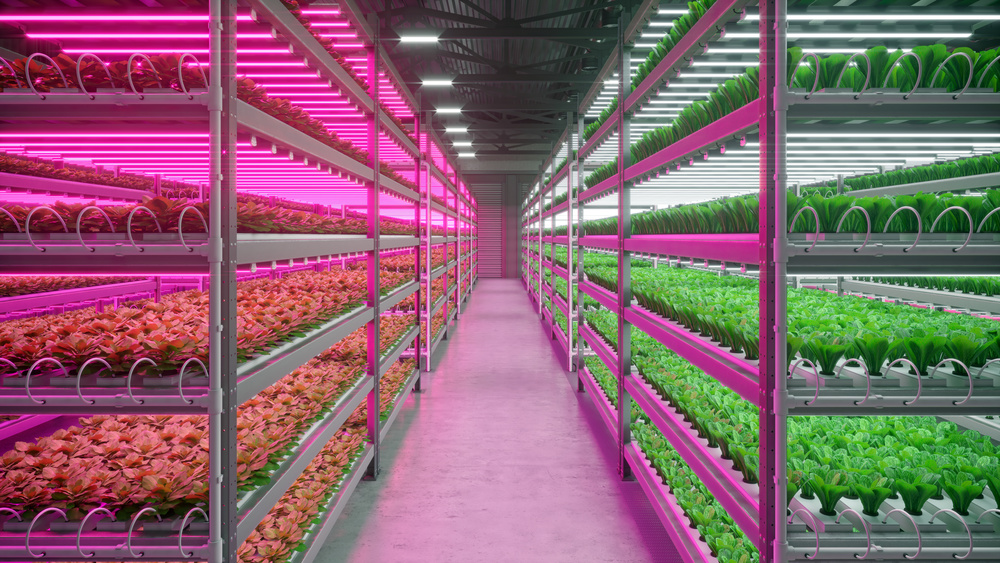

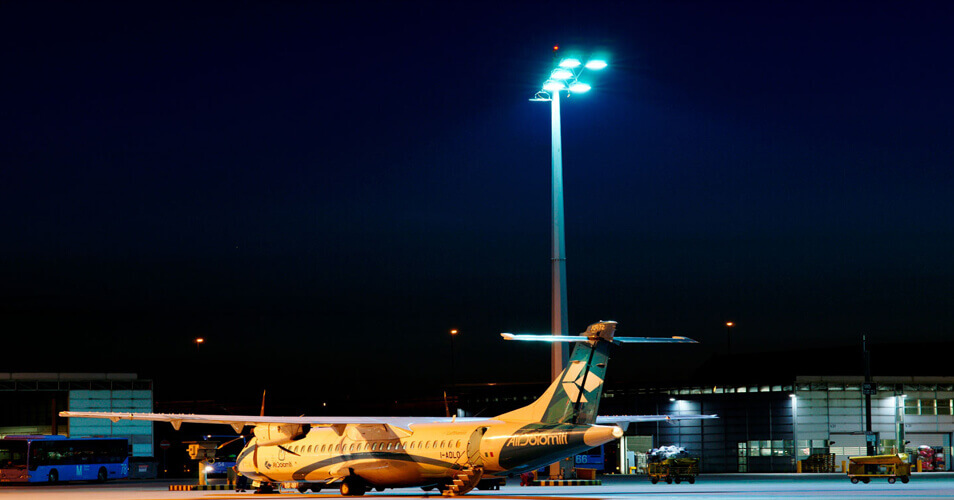


Luminous efficacy expresses how many lumens of visible light an LED produces per watt of electrical power consumed, in units of lm/W. It is the most quoted efficiency figure in LED engineering because it converts directly into electricity cost: for a fixed light output, higher efficacy means lower input power, lower energy bills and a shorter payback period. Modern white LED chips reach roughly 150–200 lm/W at package level, while complete luminaires typically land between 100 and 160 lm/W once driver, optical and thermal losses are counted.
What lm/W Actually Measures
Luminous efficacy is a photometric ratio: luminous flux in lumens divided by electrical input power in watts. The lumen itself is weighted by human eye sensitivity, which peaks at 555 nm, where one watt of optical radiation equals 683 lumens. That weighting means efficacy always depends on the color mix of the light — a 4000 K white LED and a deep-blue 450 nm emitter are never meaningfully compared on the same lm/W scale.
A worked example fixes the scale: a luminaire drawing 100 W and delivering 15,000 lumens runs at 150 lm/W. If the same output is achieved from 80 W, efficacy rises to 187.5 lm/W and the electricity bill drops by a fifth for the same light on the wall.
Where the Chip-to-Luminaire Gap Comes From
A bare chip is measured without a driver, lens or wiring, at a specified junction temperature and drive current. Inside a luminaire, three loss stages subtract from that headline figure.
| Loss Stage | What Happens | Typical Magnitude |
|---|---|---|
| Driver | Converts mains AC to regulated DC | 88–95% efficiency |
| Optics | Lenses and covers absorb or scatter flux | A few percent to over 10% |
| Thermal | A hot junction emits fewer lumens per watt | Output falls as Tj rises |
These stages explain why two luminaires built on the same chip can show very different system efficacy. Driver quality, optical design and thermal management decide how much of the chip’s 150–200 lm/W survives into the finished product’s datasheet.
Efficacy Moves with Operating Conditions
The same LED delivers different lm/W at different drive currents, because driving harder pushes the chip into efficiency droop — each additional ampere returns fewer lumens than the last. Junction temperature matters as well: a hot junction emits less light for the same power. Efficacy values are therefore only comparable when measured under the same conditions.
When reading datasheets, look for the exact test current, the ambient or case temperature during the test, and the standard followed — IES LM-79 for complete luminaires. Without that discipline, numbers from different datasheets cannot be placed on a single scale, and a “200 lm/W” claim measured at a cool, low-current lab condition says little about a hot, high-current installation.
Efficacy Is Not the Whole Story
A highly efficient chip can still fail early if the thermal design is weak, and a 3 lm/W advantage matters little if the fixture cannot maintain its output after 30,000 hours. Evaluate efficacy together with CCT, CRI and certified lifetime, anchored in LM-80 lumen-maintenance projections. For large installations this combination determines both energy cost and total cost of ownership — the number that should drive the final decision.
One boundary matters: lm/W is a photometric metric for human-visible light. For horticultural lighting, the comparable figure is photosynthetic photon efficacy in µmol/J, because plants respond to photons, not to eye-weighted lumens.
Key Takeaways
- Luminous efficacy is output per input: lumens per watt (lm/W). White LED packages reach 150–200 lm/W; complete luminaires 100–160 lm/W.
- Driver, optics and thermal losses create the chip-to-luminaire gap; compare lm/W only at the same drive current, temperature and standard (IES LM-79).
- Judge efficacy alongside CCT, CRI and LM-80 lifetime data — and use µmol/J, not lm/W, for horticultural lighting.
