
 English
 Afrikaans
 Albanian
 Amharic
 Arabic
 Armenian
 Azerbaijani
 Basque
 Belarusian
 Bengali
 Bosnian
 Bulgarian
 Catalan
 Cebuano
 Chichewa
 Corsican
 Croatian
 Czech
Czech Danish
 Dutch
Dutch Esperanto
 Estonian
 Filipino
 Finnish
 French
 Frisian
 Galician
 Georgian
 German
 Greek
Greek Gujarati
 Haitian Creole
 Hausa
Hausa Hawaiian
 Hebrew
 Hindi
Hindi Hmong
Hmong Hungarian
 Icelandic
 Igbo
Igbo Indonesian
 Irish
Irish Italian
 Japanese
 Javanese
 Kannada
 Kazakh
 Khmer
Khmer Korean
 Kurdish (Kurmanji)
 Kyrgyz
 Lao
Lao Latin
Latin Latvian
 Lithuanian
 Luxembourgish
 Macedonian
 Malagasy
 Malay
Malay Malayalam
 Maltese
 Maori
Maori Marathi
 Mongolian
 Myanmar (Burmese)
 Nepali
 Norwegian
 Pashto
 Persian
 Polish
 Portuguese
 Punjabi
 Romanian
 Russian
 Samoan
 Scottish Gaelic
 Serbian
 Sesotho
 Shona
Shona Sindhi
 Sinhala
 Slovak
 Slovenian
 Somali
 Spanish
 Sudanese
 Swahili
 Swedish
 Tajik
Tajik Tamil
Tamil Telugu
 Thai
Thai Turkish
 Ukrainian
 Urdu
Urdu Uzbek
Uzbek Vietnamese
 Welsh
Welsh Xhosa
Xhosa Yiddish
 Yoruba
 Zulu
Zulu
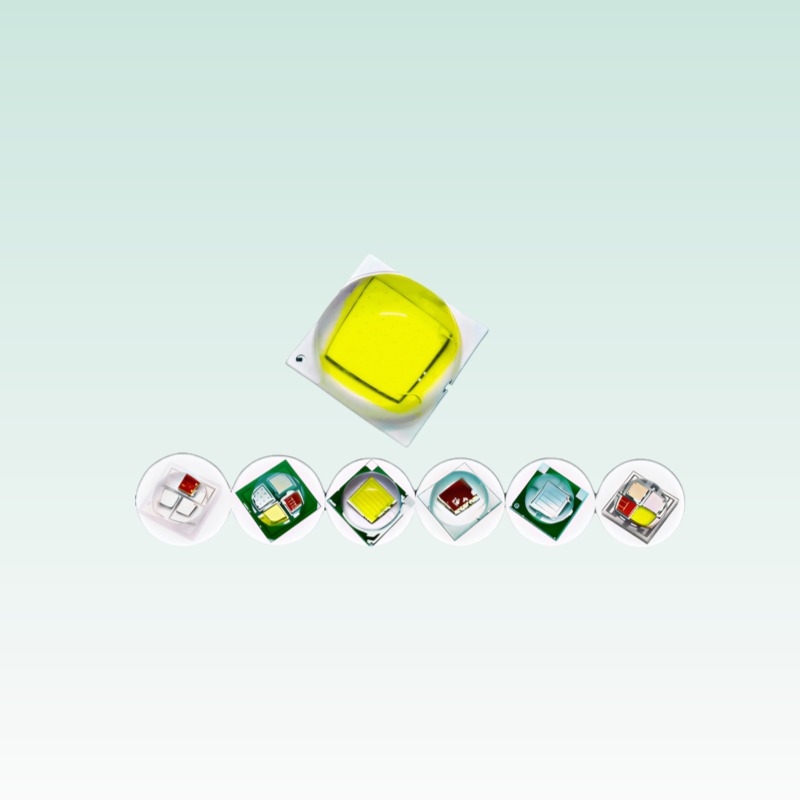
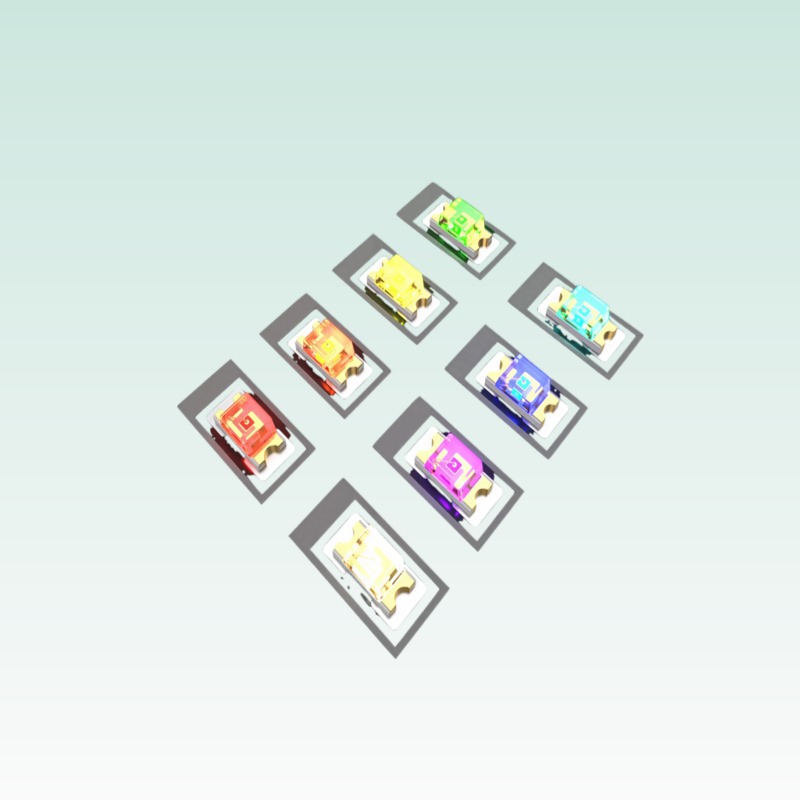
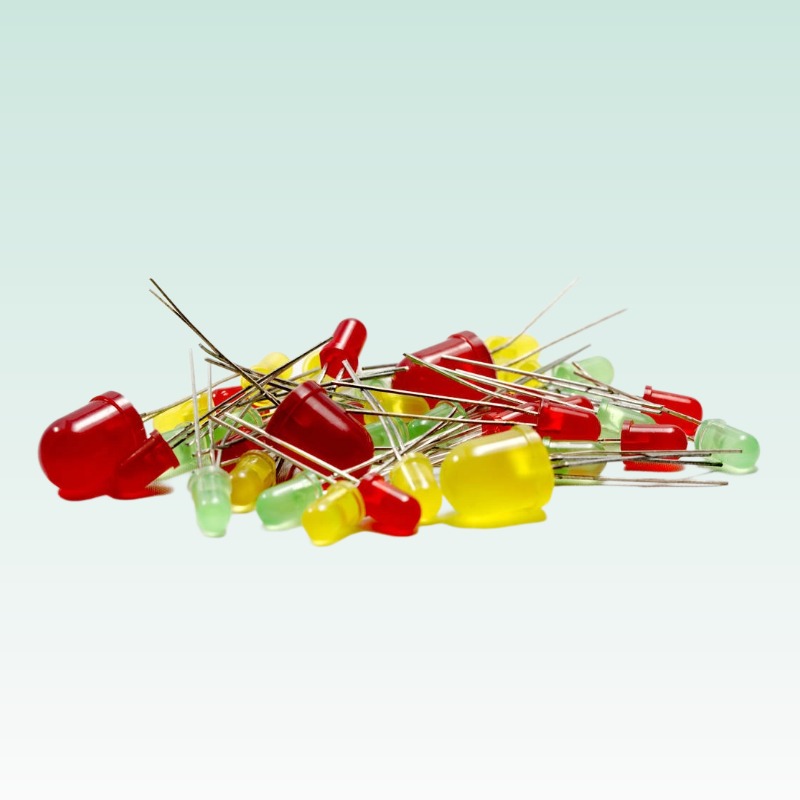
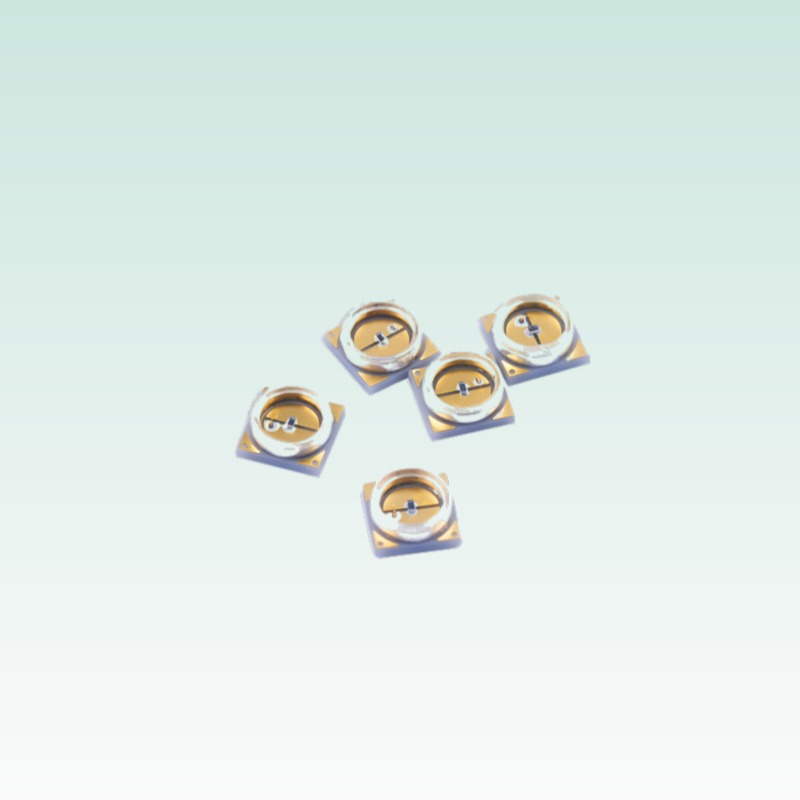
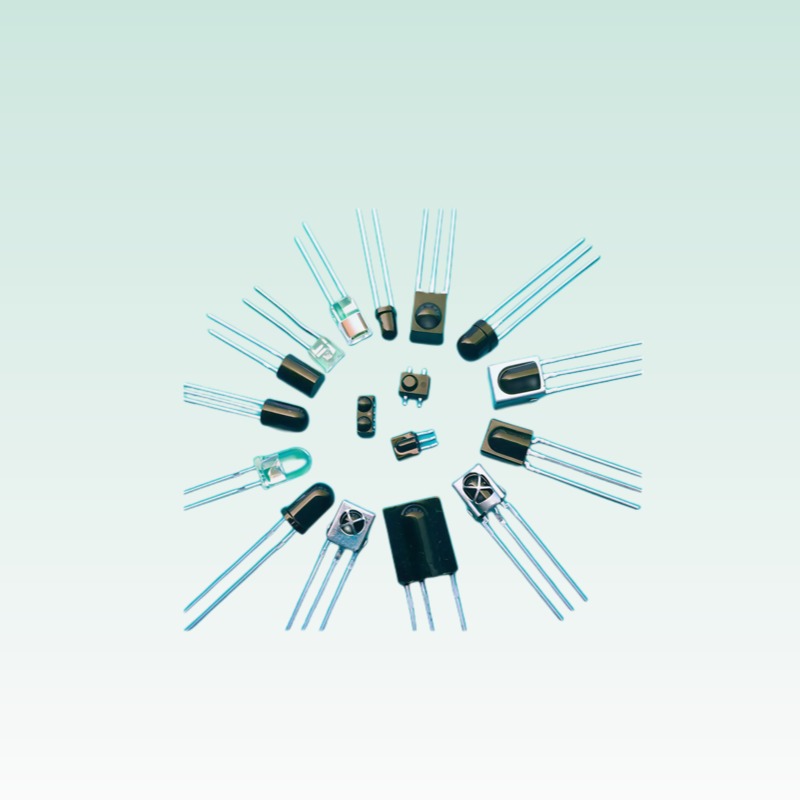
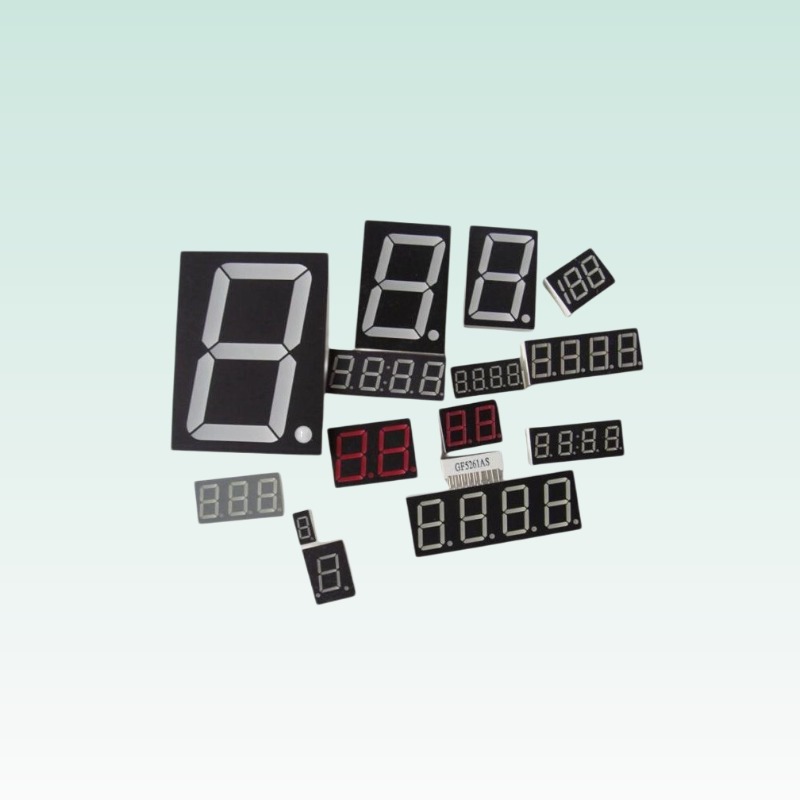
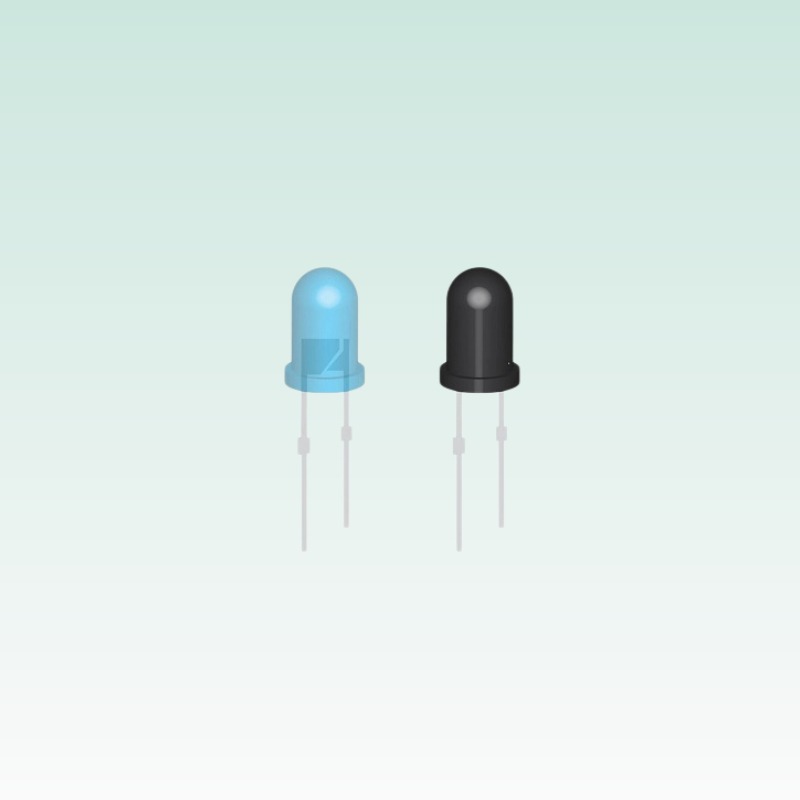
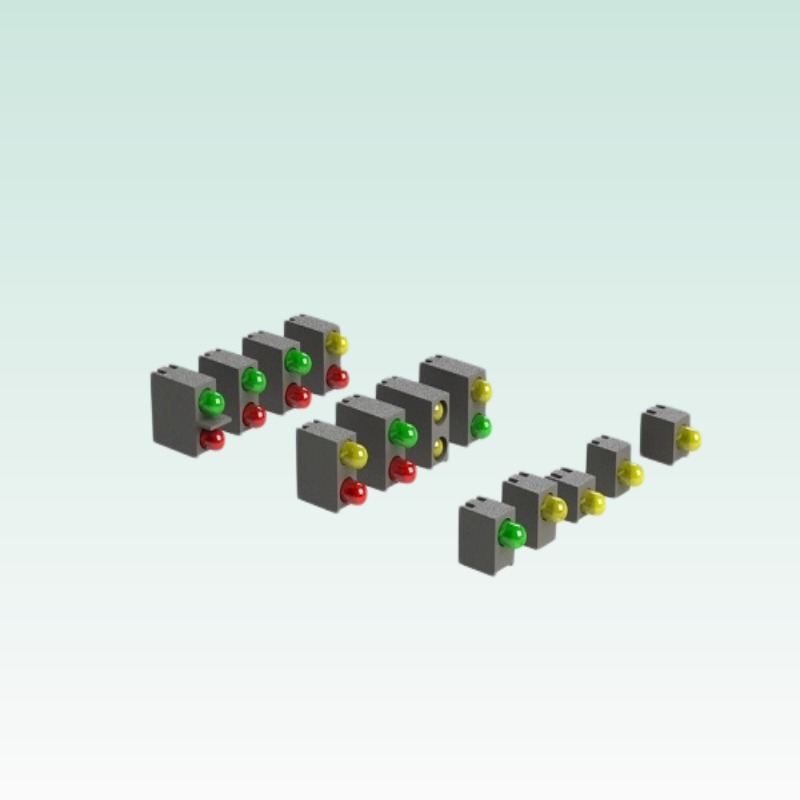



Selecting the right LED chip for industrial, automotive, or specialty lighting applications requires understanding semiconductor materials, package architectures, and optical performance metrics. This FAQ addresses the most common technical questions from lighting engineers and procurement professionals evaluating LED components for mission-critical installations.
Q1. What is the difference between 3535, 5050, and 7070 ceramic LED packages?
3535 packages (3.5mm × 3.5mm) are optimized for mid-power applications (0.5–1.5W) with single-chip or dual-chip configurations, ideal for tight-pitch matrix arrays in ADB headlights and medical endoscopes. 5050 packages (5.0mm × 5.0mm) accommodate larger multi-die arrays (2–5W) with integrated Zener protection and thermistor integration for smart-lighting applications. 7070 packages (7.0mm × 7.0mm) are designed for high-power density (5–15W) with copper-core DBC substrates achieving Rth(j-s) < 2 K/W, suitable for stadium floodlights and high-bay industrial luminaires. All three ceramic packages (Al₂O₃ or AlN substrates) provide CTE matching to InGaN dies, eliminating solder-joint fatigue during thermal cycling that plagues plastic packages in automotive underhood applications. Q2. How do I choose between InGaN blue chips with phosphor conversion vs. native RGB chips? Phosphor-converted white LEDs (PC-LEDs) achieve 150–220 lm/W efficacy with CRI 80–98 depending on phosphor formulation, making them cost-effective for general illumination. However, native RGB chips (separate R/G/B dies) offer instantaneous color mixing without phosphor latency (typically 1–3 ms relaxation time), critical for stage lighting and video-wall applications requiring <1 ms response. For horticultural applications requiring precise spectral control, multi-channel chips with independent R/G/B/UV/Far-Red dies provide programmable spectra that PC-LEDs cannot match, despite 20–30% lower photon efficacy. Automotive ADB systems increasingly use native RGBW chips for dynamic turn-indicator and daytime-running-light color transitions that comply with ECE R148 regulations. Q3. What does AEC-Q102 Grade 0 vs. Grade 1 mean for automotive LEDs? AEC-Q102 Grade 0 qualification (-40°C to +150°C operating range) is required for underhood engine-bay applications where ambient temperatures reach 140°C during summer idle conditions and thermal shock from cold-start coolant circulation creates ΔT > 100°C within 30 seconds. Grade 1 (-40°C to +125°C) is sufficient for cabin lighting, DRLs, and taillights where maximum ambient remains below 110°C even in desert climates. Grade 0 testing requires 1000-hour HTOL at Tj=150°C (vs. 125°C for Grade 1), exposing silicone encapsulant degradation that causes 15–25% lumen depreciation in Grade 1-qualified devices operated at Grade 0 temperatures. The 25°C difference in qualification temperature translates to approximately 3× lifetime difference per Arrhenius acceleration models, making Grade 0 devices essential for 15-year vehicle lifetime targets.
Q4. What is SWIR (Short-Wave Infrared) and when should I specify SWIR LEDs?
SWIR (970–1700nm) LEDs based on InGaAs/InP heterostructures enable applications invisible to silicon imagers and human eyes. Key applications include: semiconductor wafer inspection (1150nm penetrates silicon for subsurface defect detection), plastic sorting (1450nm distinguishes PET from HDPE via C-H overtone absorption), and covert surveillance (1550nm eye-safe illumination for facial recognition at 3× longer range than 850nm NIR). SWIR LEDs cost 8–12× more than visible LEDs due to InP substrate costs but are displacing InGaAs laser diodes in applications where spectral linewidth >80nm is acceptable. When specifying SWIR LEDs, confirm imager compatibility—silicon CMOS cameras cutoff at ~1050nm, requiring InGaAs FPAs ($5,000+ per unit) for wavelengths >1100nm.
Q5. What thermal resistance specifications should I verify for high-power LED applications?
For high-power LEDs (>3W per die), verify three thermal resistance metrics: Rth(j-s) < 3.5 K/W (junction-to-solder-point), Rth(s-b) < 2.0 K/W (solder-to-board, controlled by copper weight and thermal vias), and Rth(b-h) < 1.0 K/W (board-to-heat-sink, dominated by TIM selection). The total Rth(j-a) must satisfy Tj = Ta + (Rth(j-a) × Pd) < 85°C for 50,000-hour L70 targets. For example, a 10W LED at 40°C ambient requires Rth(j-a) < 4.5 K/W: achievable with ceramic package (2.5 K/W) + 2oz copper PCB with vias (1.5 K/W) + thermal grease (0.5 K/W). Request CFD thermal simulation reports from suppliers showing junction-temperature maps across the die surface, not just single-point estimates, to identify hot-spot risks in multi-die arrays. Q6. How do I interpret LM-80 and TM-21 reports for LED lifetime projections? LM-80 (IESNA) requires 6,000-hour testing at three temperatures with lumen output recorded every 1,000 hours. TM-21 applies least-squares regression to extrapolate L70, L80, and L90 lifetimes with the critical '6× rule' limiting projections to 36,000 hours from 6,000-hour data. Key verification points: (1) Sample size ≥20 units per temperature with CV <5%; (2) Test-lab accreditation (NVLAP, A2LA, DAkkS); (3) Raw data tables showing lumen maintenance curves, not just summary certificates. For mission-critical applications (healthcare, aviation), demand L80 projections (not L70) and verify that operating Tj in your application matches the test temperature—using 25°C laboratory data for 60°C ambient installations overestimates lifetime by 60–80%. Q7. What is the significance of CRI, R9, and TM-30 for color-critical applications? CRI (Color Rendering Index, Ra) evaluates fidelity across 8 pastel samples (R1–R8). R9 (saturated red) is critical for skin-tone rendering in retail and medical applications but is not included in Ra—specify CRI > 90 with R9 > 60 separately. TM-30-18 provides more comprehensive color evaluation through Rf (fidelity, 99 color samples) and Rg (gamut, color saturation vs. reference). For museum lighting, specify Rf > 92 and Rg 98–102 (slight gamut expansion enhances artwork vibrancy without distortion). For broadcast studios, R9 > 90 ensures accurate skin-tone rendering under 5600K key lighting, while R12 (blue) > 80 prevents washed-out sky reproduction in chroma-key applications.
— QUEENDOM LED FAQ | Technical Answers for B2B Professionals —
Related Products
Further reading: What Is an LED Chip? · LED Brightness: mcd vs Lumens
