









Germany’s Bundesrat has approved extended producer responsibility (EPR) legislation targeting LED lighting products, with full regulatory implementation scheduled for April 2026. The law makes manufacturers financially and operationally responsible for the collection and recycling of industrial LED fixtures, extending Germany’s circular economy framework to a product category that has historically been treated as general waste and disposed of without material recovery obligations.
What the law requires
The legislation sets specific collection and recycling targets for industrial fixtures reaching end-of-life status, including tri-proof lights, high-bay luminaires, and specialized UVC sterilization equipment. All LED manufacturers must register formal recycling schemes and provide complete material composition data. For suppliers, this means product registration, recyclability documentation, and participation in take-back schemes are no longer optional. Importers must verify that their manufacturing partners can support these obligations across the full sales channel, not just at the point of first sale.
Germany already operates one of the strictest WEEE regimes in Europe, and the new law narrows in on industrial fixtures that previous collection schemes underserved (to be verified). The April 2026 date gives manufacturers a defined window to complete registration, appoint a take-back partner, and assemble material declarations for every product family shipped into the German market.
| Obligation | Who it covers | Deadline | Documentation needed |
|---|---|---|---|
| Register recycling scheme | LED manufacturers and importers | April 2026 | Scheme registration evidence |
| Collection and recycling targets | Tri-proof, high-bay, UVC sterilization fixtures | Phased after April 2026 (to be verified) | Recovery rate reporting |
| Material composition data | All LED lighting products placed on the market | At registration | Full material declarations |
| Take-back participation | Manufacturers, importers, distributors | April 2026 | Scheme membership proof |
Why ceramic packaging and mercury-free UVC matter
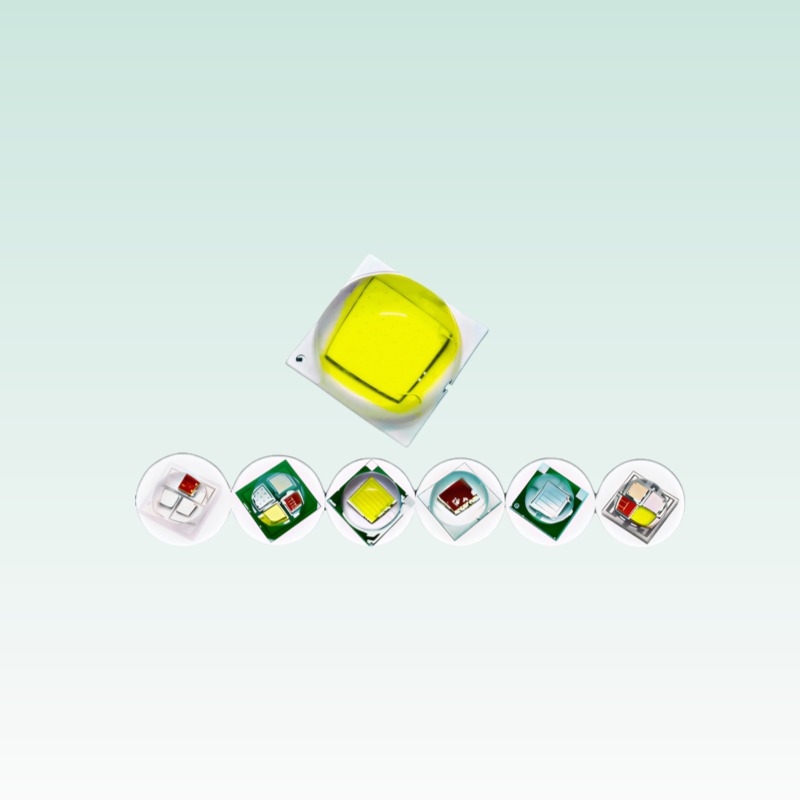
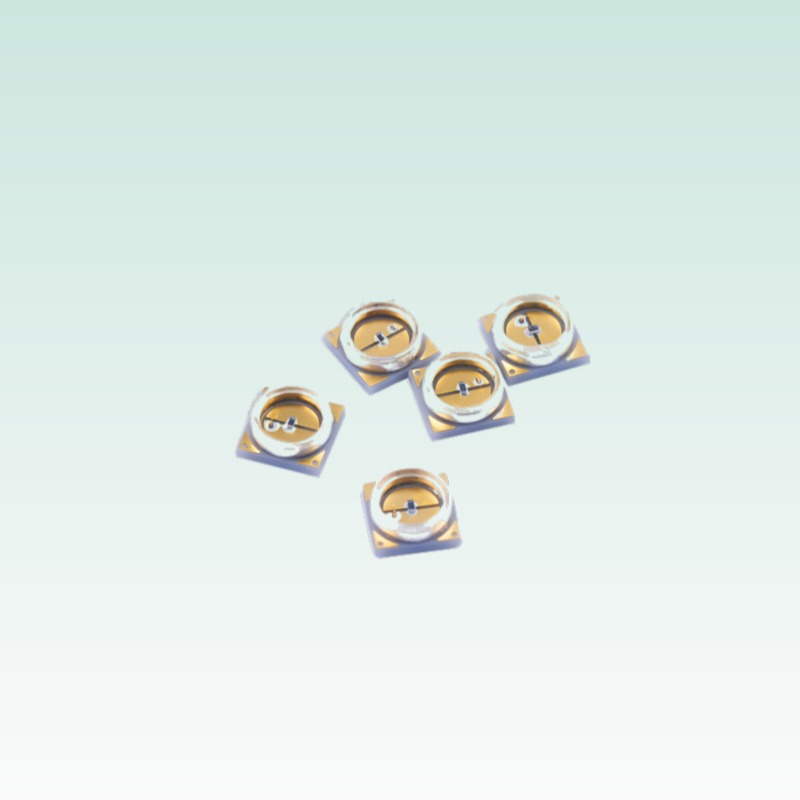
The law’s treatment of ceramic packaging and mercury-free photonics is strategically important. By explicitly recognizing ceramic-packaged LED chips and mercury-free UVC 254nm sources as preferred technologies, the legislation reinforces the shift away from legacy mercury-based UV lamps and conventional organic substrates in the German market. Compliance costs are lower and more predictable for manufacturers whose product platforms already align with ceramic packaging and mercury-free design. Suppliers still offering mercury-containing alternatives face both regulatory friction and rising disposal liability, since each mercury lamp sold under the old technology carries a separate end-of-life handling chain.
For UVC sterilization equipment specifically, the end-of-life difference is concrete: mercury-lamp systems require hazardous-waste channels, while LED-based modules enter standard electronics recycling streams once registered (to be verified). That difference now has a price attached under German law.
What importers and buyers should do before April 2026
The deadline demands earlier planning. Importers and distributors should:
- Confirm LED suppliers can provide registration evidence and material composition documentation.
- Factor recycling scheme participation into supplier qualification, alongside quality and delivery audits.
- Check end-of-life handling for specialized products such as UVC 254nm sterilization modules, where legacy mercury lamps carry separate disposal obligations.
Missing the window carries a direct commercial cost: unregistered products cannot be placed on the German market, and distributors are screening supplier registration status during onboarding (to be verified).
Suppliers with documented material transparency and existing recycling partnerships will convert Germany’s regulatory leadership into a structural advantage across European markets, where similar extended producer responsibility frameworks are under consideration in several member states.
FAQ
When does the German LED recycling law take effect?
Full regulatory implementation is scheduled for April 2026, with registration and documentation duties applying from that date (to be verified).
Which products fall under the law?
Industrial LED fixtures including tri-proof lights, high-bay luminaires, and specialized UVC sterilization equipment reaching end-of-life status.
Do importers share the obligations?
Yes. Importers must verify that manufacturing partners can support registration, material data, and take-back obligations across the sales channel.
Fact-check status: source list pending
