

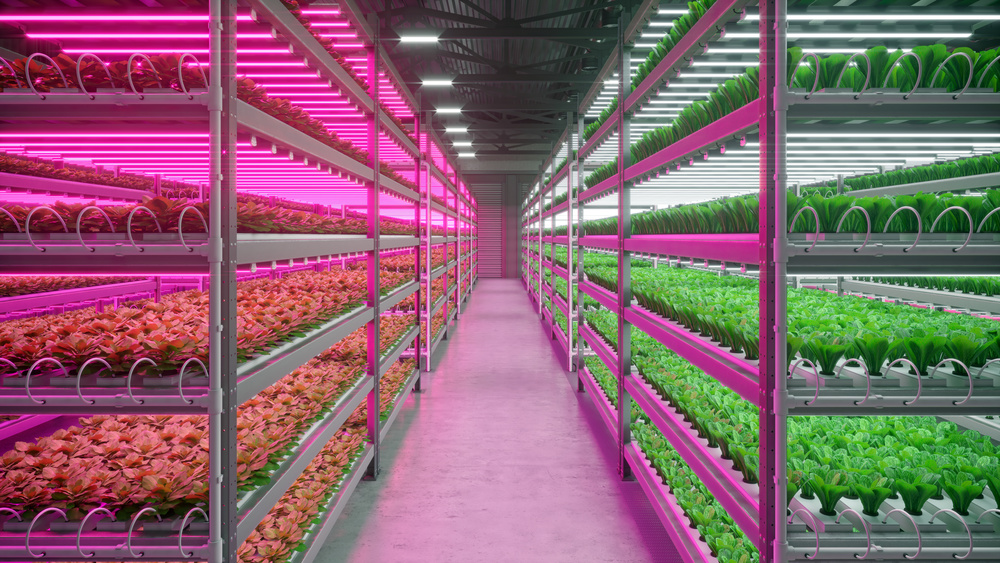
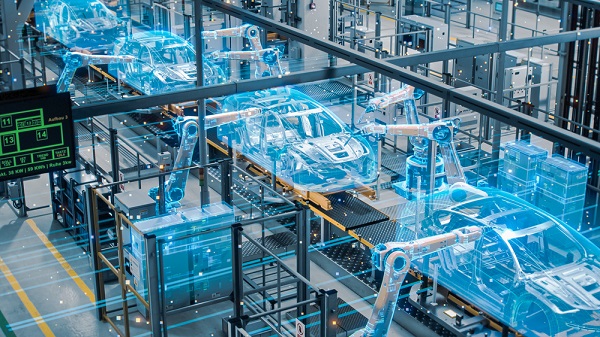
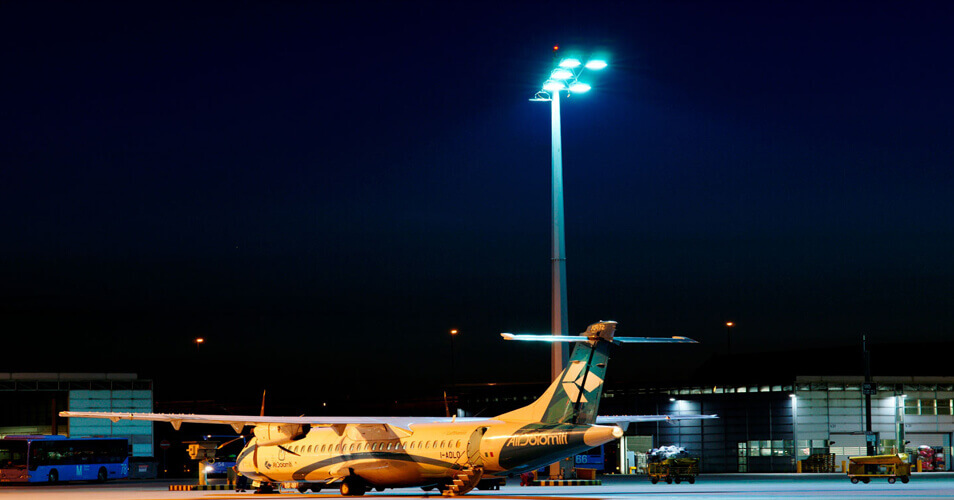


Industrial facilities — warehouses, manufacturing plants, gymnasiums, and retail distribution centers — require lighting that delivers consistent illumination across large vertical and horizontal spaces. Choosing the wrong fixture type results in uneven light distribution, excessive energy costs, and safety compliance issues.
This guide explains the critical differences between high bay and low bay LED lighting, how to calculate requirements for your facility, and what specifications to demand from your LED supplier.
1. What Defines “High Bay” vs. “Low Bay”?
The distinction is based on mounting height — the distance from the light fixture to the working plane (typically the floor).
| Category | Mounting Height | Typical Applications | Beam Angle Requirement |
|---|
| **Low Bay** | 3–6 meters (10–20 ft) | Retail stores, workshops, parking garages, small warehouses | Wide beam (120°–150°) |
|---|---|---|---|
| **High Bay** | 6–15+ meters (20–50 ft) | Warehouses, factories, gymnasiums, hangars, distribution centers | Narrow-to-medium beam (60°–120°) |
| **Very High Bay** | 15+ meters (50+ ft) | Large distribution centers, sports arenas, atriums | Very narrow beam (30°–60°) + high lumen output |
Key principle: The higher the mounting height, the more concentrated the beam needs to be to deliver sufficient illuminance (lux) at the working plane. Wide beams at high mounting heights waste lumens on walls and create uneven floor illumination.
2. Illuminance Requirements by Industrial Application
Different tasks require different light levels. The IES (Illuminating Engineering Society) publishes recommended maintained illuminance values:
| Application | IES Recommended Range (lux) | LED Wattage (High Bay) | LED Wattage (Low Bay) |
|---|
| Storage/warehousing (inactive) | 150–200 | 100W–150W | 50W–80W |
|---|---|---|---|
| Storage/warehousing (active) | 200–300 | 150W–200W | 80W–120W |
| Assembly line (rough work) | 300–500 | 150W–200W | 80W–150W |
| Assembly line (fine work) | 500–750 | 200W–300W | 150W–200W |
| Inspection/quality control | 750–1,000 | 200W–300W + task lighting | 150W–200W + task lighting |
| Loading dock | 200–300 | 100W–150W | 80W–120W |
| Parking garage | 50–100 | N/A (low bay only) | 30W–60W |
| Gymnasium/sports hall | 300–500 | 150W–300W | 100W–200W |
| Cold storage | 200–300 | 150W–200W | 80W–120W |
Note: These values are “maintained” illuminance — the light level after accounting for lumen depreciation over time. LED fixtures depreciate 10–15% over 50,000 hours, compared to 30–40% for metal halide lamps.
3. LED High Bay Fixture Specifications
When specifying LED high bay fixtures, engineers and procurement managers should evaluate these parameters:
3.1 Lumen Output and Efficacy
| Wattage | Typical Lumen Output | Efficacy (lm/W) | Suitable Height |
|---|
| 100W | 13,000–15,000 lm | 130–150 | 6–8 meters |
|---|---|---|---|
| 150W | 19,500–22,500 lm | 130–150 | 8–10 meters |
| 200W | 26,000–30,000 lm | 130–150 | 10–12 meters |
| 240W | 31,200–36,000 lm | 130–150 | 12–15 meters |
| 300W | 39,000–45,000 lm | 130–150 | 15+ meters |
Minimum efficacy threshold: Demand ≥ 130 lm/W. Premium fixtures reach 160+ lm/W.
3.2 Beam Angle and Distribution
| Beam Angle | Application | Optimal Mounting Height | Spacing (Mounting Height × Factor) |
|---|
| 60° | Rack aisles, narrow spaces | 10–15 meters | 0.8–1.0 × height |
|---|---|---|---|
| 90° | General warehouse, manufacturing | 8–12 meters | 1.0–1.2 × height |
| 120° | Open floor plans, gymnasiums | 6–10 meters | 1.2–1.5 × height |
| 150° | Low bay retail, parking | < 6 meters | 1.5–2.0 × height |
Critical: The beam angle determines spacing. Narrow beams (60°) require closer fixture spacing but deliver higher illuminance at the working plane. Wide beams (120°+) allow wider spacing but create lower peak illuminance.
3.3 Color Temperature (CCT)
| CCT | Best For | Why |
|---|
| **4000K (Neutral White)** | General warehousing, manufacturing | Balance of alertness and comfort |
|---|---|---|
| **5000K (Cool White)** | Inspection areas, precision assembly | Maximum visual acuity, reduces eye strain |
| **5700K (Daylight)** | Outdoor loading docks, high-activity areas | Maximum perceived brightness |
| **3000K (Warm White)** | Retail display, hospitality areas | Inviting atmosphere, flattering skin tones |
Recommendation: Standard industrial facilities should default to 4000K–5000K. Use 3000K only in customer-facing zones.
3.4 Color Rendering Index (CRI)
Note: Higher CRI typically reduces luminous efficacy by 5–15%. Specify your priority: color accuracy or energy efficiency.
3.5 Ingress Protection (IP Rating)
| Environment | Required IP Rating | Application |
|---|
| Dry warehouse | IP20–IP40 | Standard storage |
|---|---|---|
| Dusty manufacturing | IP54 | Woodworking, milling |
| Wet/hosedown areas | IP65 | Food processing, car washes |
| Outdoor loading docks | IP65–IP66 | Exposed to rain and dust |
| Chemical processing | IP66 + corrosion-resistant finish | Corrosive vapors |
4. LED Low Bay Fixture Specifications
Low bay applications differ from high bay in three key ways:
4.1 Optical Design
Low bay fixtures use diffuse lenses or reflectors to spread light broadly across horizontal surfaces. Common optical types:
4.2 Mounting Options
| Mounting Type | Best For | Installation Cost |
|---|
| Surface mount | Concrete ceilings, retrofit | Low |
|---|---|---|
| Pendant (chain/cable) | High ceilings where surface mount impractical | Medium |
| Recessed | T-bar ceilings, clean aesthetic | High |
| Wall mount | Perimeter lighting, loading docks | Low |
4.3 Typical Wattage and Output
| Application | Wattage | Lumens | Coverage Area (at 3m height) |
|---|
| Parking garage | 30W–60W | 3,900–9,000 | 15–30 m² |
|---|---|---|---|
| Retail store | 40W–80W | 5,200–12,000 | 20–40 m² |
| Workshop | 60W–100W | 7,800–15,000 | 25–50 m² |
| Office corridor | 20W–40W | 2,600–6,000 | 10–20 m² |
5. Energy Savings: LED vs. Legacy Technologies
Industrial lighting represents 15–25% of total facility energy consumption. LED retrofits deliver dramatic savings:
| Legacy Technology | Wattage (equiv. to 200W LED) | Annual Energy Cost* | LED Annual Cost* | Annual Savings |
|---|
| Metal Halide | 400W + 40W ballast | $220 | $110 | $110 |
|---|---|---|---|---|
| High-Pressure Sodium | 250W + 30W ballast | $155 | $110 | $45 |
| Fluorescent T5HO (6-lamp) | 324W + 20W ballast | $190 | $110 | $80 |
| Fluorescent T8 (8-lamp) | 256W + 20W ballast | $152 | $110 | $42 |
*Based on $0.12/kWh, 4,380 hours/year (12 hours/day), 200W LED output
Additional savings:
Typical payback period: 1.5–3 years for LED retrofit projects.
6. Smart Controls for Industrial LED Lighting
Modern LED fixtures integrate with smart controls for additional 30–50% energy savings:
| Control Type | Function | Savings | Implementation Cost |
|---|
| **Occupancy sensors** | Turn off lights in unoccupied aisles | 20–30% | $20–$40 per sensor |
|---|---|---|---|
| **Daylight harvesting** | Dim lights when natural light is sufficient | 15–25% | $15–$30 per sensor |
| **Time scheduling** | Automated on/off by shift pattern | 10–20% | Software-based |
| **Demand response** | Reduce load during peak utility pricing | 10–15% | Utility program dependent |
| **Zoning** | Control lighting by aisle/zone independently | 15–25% | $5–$15 per zone controller |
Recommended protocol: DALI-2 (Digital Addressable Lighting Interface) or 0–10V dimming for new installations. Wireless mesh (Zigbee, Bluetooth Mesh) for retrofit applications where wiring is impractical.
7. Common Industrial Lighting Design Mistakes
Mistake 1: Using Residential LED Bulbs in Industrial Fixtures
A19 or PAR38 bulbs designed for home use lack the thermal management, lumen output, and optical control needed for 8+ meter mounting heights. They fail prematurely and create uneven illumination.
Mistake 2: Ignoring Glare (UGR)
Uncontrolled LED point sources create direct glare, reducing worker productivity and causing eye strain. Industrial fixtures should achieve UGR < 22 (acceptable) or UGR < 19 (good).
Solutions: Diffuse lenses, indirect lighting designs, or louvered fixtures.
Mistake 3: Inadequate Emergency Lighting
OSHA and NFPA require emergency illumination (minimum 1 foot-candle / 10.8 lux) along egress paths. LED emergency battery packs provide 90-minute backup but must be tested monthly.
Mistake 4: Specifying Fixtures by Wattage, Not Lumens
Two 200W high bay fixtures can deliver vastly different lumen outputs (20,000 lm vs. 30,000 lm) depending on LED chip quality and driver efficiency. Always specify by delivered lumens at the working plane.
8. Procurement Checklist for Industrial LED Lighting
When sourcing LED high bay or low bay fixtures, verify:
| Specification | Minimum Requirement | Preferred |
|---|
| Luminous efficacy | ≥ 130 lm/W | ≥ 150 lm/W |
|---|---|---|
| CRI | ≥ 80 | ≥ 90 |
| CCT | 4000K–5000K | Customer-specified |
| IP rating | Match environment | IP65 for most industrial |
| Lifespan (L70) | 50,000 hours | 100,000 hours |
| Warranty | 3 years | 5 years |
| Certifications | UL/cUL or CE | DLC Premium (for rebates) |
| Driver efficiency | ≥ 90% | ≥ 93% |
| Power factor | ≥ 0.9 | ≥ 0.95 |
| THD (Total Harmonic Distortion) | < 20% | < 15% |
| Operating temperature | -20°C to +45°C | -40°C to +50°C |
Conclusion
Selecting the right LED industrial lighting requires matching fixture specifications to application requirements. High bay fixtures (6–15m mounting) need concentrated beams and high lumen output. Low bay fixtures (<6m) need broad, uniform distribution with glare control.
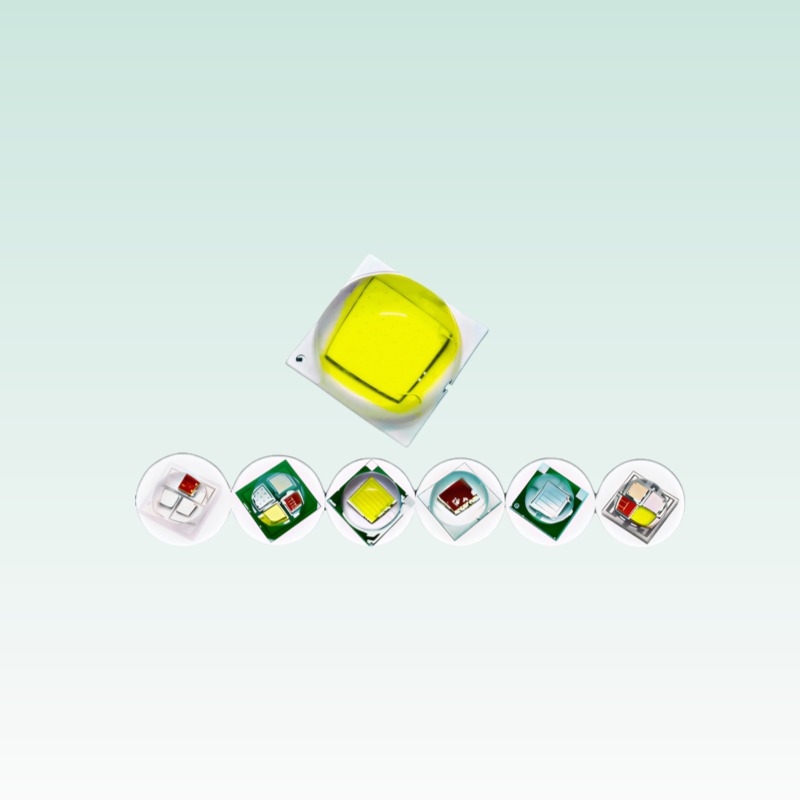
At Queendom LED, we supply LED chips and modules for industrial lighting manufacturers. Our high-power COB and SMD LED chips deliver 130–160 lm/W efficacy, tight color binning (3-step MacAdam), and operating temperatures up to 85°C junction. We support custom CCT, CRI, and spectrum configurations for specialized industrial applications.
Request industrial LED chip specifications or browse our high-power LED products.
