

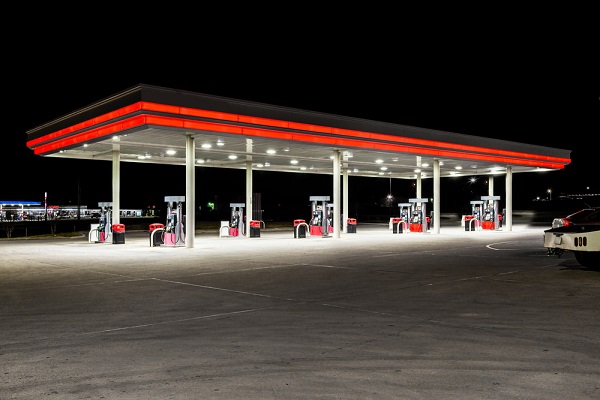

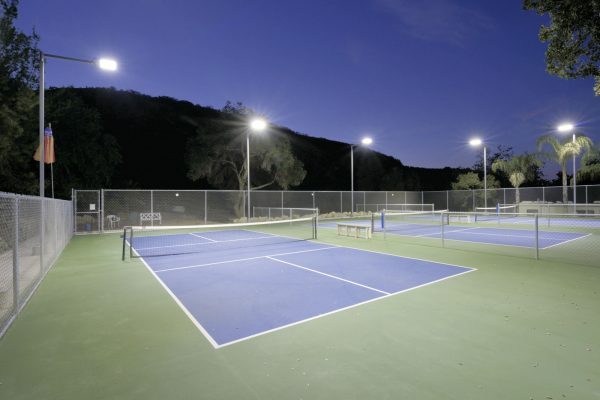
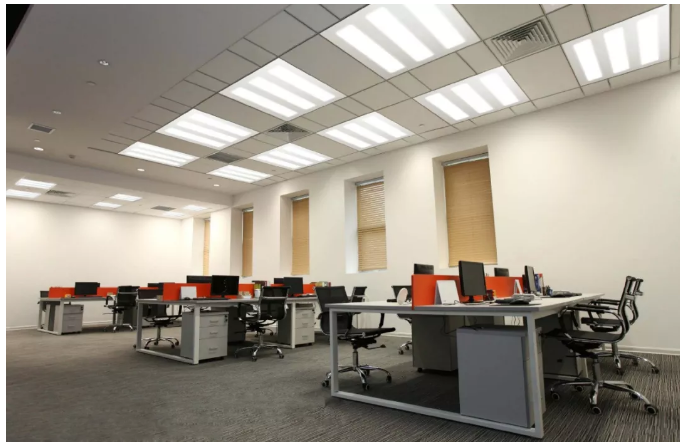
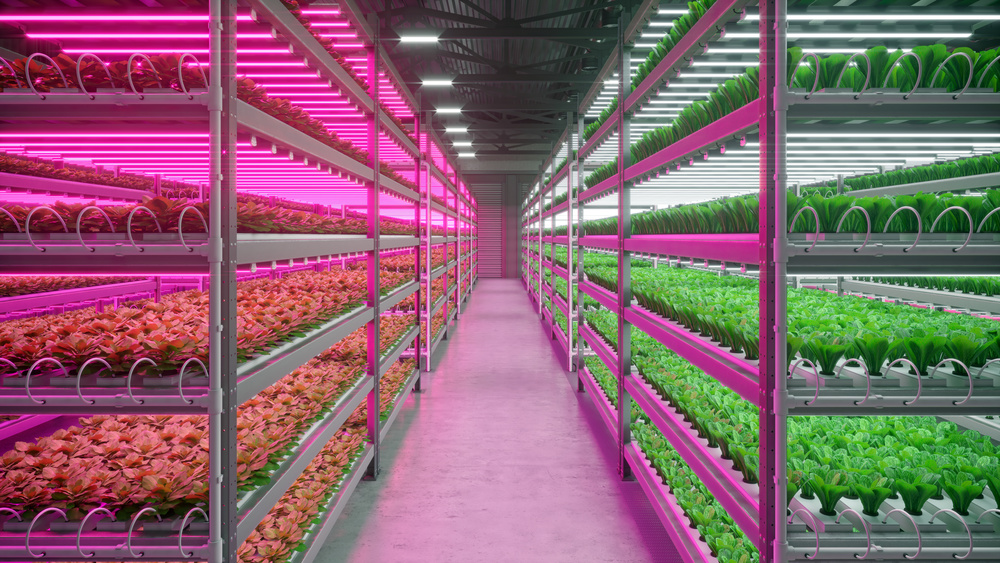




The DesignLights Consortium (DLC) is a non-profit organization that maintains Qualified Products Lists (QPLs) of LED products meeting defined performance criteria for efficacy, reliability and reporting. The lists exist for a practical reason: utilities and energy efficiency programs across North America reference them when deciding which products qualify for rebates and incentives. Understanding what a listing represents — and what it does not — is useful background for anyone reading LED performance claims.
What the QPL Actually Verifies
| Aspect | What Listing Confirms | Typical Evidence |
|---|---|---|
| Efficacy | Meets the performance floor for its product category | Photometric report from an accredited laboratory |
| Reliability and reporting | Performance measured under recognized procedures | Test records such as LM-79 and LM-80 reports |
| Spectral data | Documented output where the category requires it | Spectral distribution data in the submission |
A listing is therefore not a marketing badge. It is third-party verification that claimed efficacy and performance were measured under recognized test procedures. Requirements are category-specific and are periodically raised, so a product that qualified years ago may no longer meet current floors.
How a Product Gets Listed
The qualifying mechanism is measurement. A manufacturer submits photometric reports from accredited laboratories, the DLC evaluates the data against the performance floors for that product category, and listed products remain subject to renewal. Because requirements evolve with each technical requirements version, QPL status is a live credential rather than a permanent attribute. Listings can lapse or be withdrawn, which is why any record should carry a date and be rechecked rather than assumed current.
What the Lists Cover
The main Solid-State Lighting QPL spans product families from indoor office luminaires to outdoor area lights, retrofit kits and replacement lamps, with category-specific floors for lumen efficacy, driver quality and reporting. Horticultural lighting follows its own requirements document, and the DLC also maintains a separate Qualified Products List for networked lighting controls, reflecting how energy programs now evaluate whole systems rather than bare hardware.
Where horticultural products are concerned, the units themselves change. Performance is reported as photosynthetic photon efficacy in µmol/J, alongside photon flux and spectral distribution data — the quantities a cultivation lighting plan is built from, published here in a standard form.
Rebates, Incentives and the Horticultural List
In North America, utility programs commonly require DLC-listed products before granting rebates on lighting upgrades in warehouses, offices and greenhouses. This rebate link explains much of the list’s importance: incentive funding is tied to documented, independently reviewed performance data rather than to manufacturer claims alone.
The horticultural requirements sharpen that point. Because the criteria cover photosynthetic photon efficacy, photon output and spectral reporting, a horticultural listing carries documented PPF, efficacy and spectrum data measured under a common procedure. For growers comparing grow lights, that shared dataset supports cultivation planning and utility audits with numbers that mean the same thing across every listed product.
Reading a Listing Carefully
Several practical checks follow from how the program works. A listing applies to a specific model or product family, so the exact name on the QPL must match the hardware under discussion — a logo on packaging proves nothing by itself. Listing records document the measured values and the requirements version in force, which makes the QPL searchable and auditable by anyone. The database is public: searching by manufacturer or product family returns the listed models, their measured efficacy and the version they were tested under. Where a record looks out of date, current status is confirmed on the DLC website, since the database reflects renewals and removals as they happen.
Frequently Asked Questions
What does DLC stand for?
DesignLights Consortium — a non-profit organization whose member utilities and energy efficiency programs reference its Qualified Products Lists for LED products.
Is DLC listing legally mandatory?
No regulation makes it mandatory. It matters because many utility rebate programs require listed products as a condition of incentive funding.
Can a DLC listing expire or be withdrawn?
Yes. Listings are subject to renewal, requirements are periodically raised, and products that no longer meet current floors can be removed from the list.
