














For years, shipments under 800 dollars entered the United States through the de minimis exemption with no duty and minimal paperwork. That door has closed. An executive action ended the global de minimis exemption for commercial shipments effective August 29, 2025, after a May 2025 order had already eliminated it for goods of Chinese origin. Lighting importers who routed samples, spare parts and small replenishment orders through parcel carriers now face the same entry process as container freight.
What Changed on the Parcel Path
| Item | Before | Now |
|---|---|---|
| Duty under USD 800 | None, no formal entry | Duty applies at the HTS rate or a flat parcel duty (to be verified) |
| Paperwork | Carrier-level manifest | Formal or informal entry with HTS classification |
| Clearance time | Days | Slower, subject to customs queues |
| Cost visibility | Shipping cost only | Duty + brokerage added to every parcel |
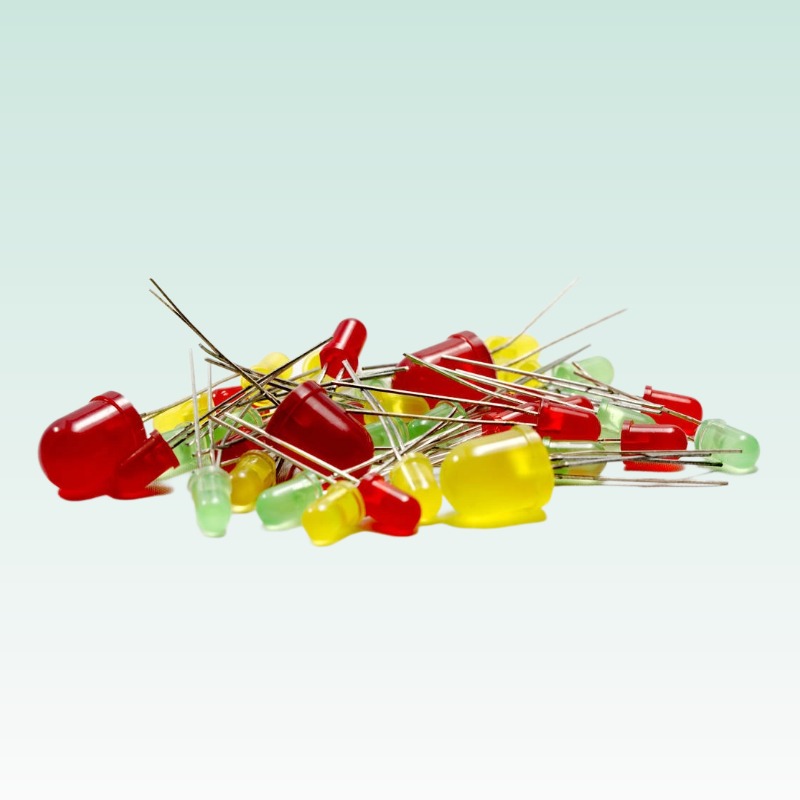
The exemption had grown into the main lane for cross-border e-commerce, and the volume it carried is exactly what the change was meant to redirect. For an LED business the practical effect lands on three flows: replacement parts under warranty, sample kits for project evaluation, and direct-to-buyer spare drivers or panels.
What It Means for LED Suppliers and Buyers
Warranty parts are the sharpest edge. A 40 dollar driver or a 60 dollar panel light that used to fly out as a no-fee parcel now carries duty, brokerage and classification work that can exceed the parts value, so the landed cost of after-sales support rises and the response clock slows by the entry process. Sample kits for distributors face the same math, and quote lead times should absorb it.
Landed-cost models need a rebuild as well. Quotations written when small parcels entered duty-free now understate the true cost of serving a US customer with parts; procurement teams that compared suppliers on free-shipping samples are comparing on a different field.
The Legal State of the Change
The exemption was closed by executive action rather than by statute, and the same period produced court challenges to the tariff powers behind it. A trade court has ruled against part of the emergency tariff authority, with an appeal pending; the de minimis closure itself has so far remained in force through that argument (to be verified). The practical reading for a supplier is that the parcel channel should be treated as permanently closed for planning, while duty rates themselves remain a moving target that a quarterly review can track. Contracts and landed-cost sheets should be written so that a duty rate change is an update, not a renegotiation.
The Compliance Worklist
- Classify the catalog. Every SKU needs an HTS code; LED luminaires and LED diodes carry different rates, and the diode side often sits lower (to be verified).
- Requote the small-order path. Set a minimum order value for parcel shipments or consolidate parts into periodic freight.
- Consider bonded or foreign trade zone options for high-volume replenishment, which defer duty until goods enter commerce.
- Rework Incoterms. Customers who bought DDP relied on the supplier absorbing duty; that number has changed and the term should be renegotiated in writing.
- Track the flat duty schedules on parcel posts, which have been adjusted by country and are not stable policy (to be verified).
Suppliers already running container freight through formal entry see the smallest impact, because the compliance machinery was in place. The importers squeezed hardest are the ones who built a service model on the exemption itself, and that model now needs a redesign rather than a rate update.
Fact-check status: source list pending
