
 English
 Afrikaans
 Albanian
 Amharic
 Arabic
 Armenian
 Azerbaijani
 Basque
 Belarusian
 Bengali
 Bosnian
 Bulgarian
 Catalan
 Cebuano
 Chichewa
 Corsican
 Croatian
 Czech
Czech Danish
 Dutch
Dutch Esperanto
 Estonian
 Filipino
 Finnish
 French
 Frisian
 Galician
 Georgian
 German
 Greek
Greek Gujarati
 Haitian Creole
 Hausa
Hausa Hawaiian
 Hebrew
 Hindi
Hindi Hmong
Hmong Hungarian
 Icelandic
 Igbo
Igbo Indonesian
 Irish
Irish Italian
 Japanese
 Javanese
 Kannada
 Kazakh
 Khmer
Khmer Korean
 Kurdish (Kurmanji)
 Kyrgyz
 Lao
Lao Latin
Latin Latvian
 Lithuanian
 Luxembourgish
 Macedonian
 Malagasy
 Malay
Malay Malayalam
 Maltese
 Maori
Maori Marathi
 Mongolian
 Myanmar (Burmese)
 Nepali
 Norwegian
 Pashto
 Persian
 Polish
 Portuguese
 Punjabi
 Romanian
 Russian
 Samoan
 Scottish Gaelic
 Serbian
 Sesotho
 Shona
Shona Sindhi
 Sinhala
 Slovak
 Slovenian
 Somali
 Spanish
 Sudanese
 Swahili
 Swedish
 Tajik
Tajik Tamil
Tamil Telugu
 Thai
Thai Turkish
 Ukrainian
 Urdu
Urdu Uzbek
Uzbek Vietnamese
 Welsh
Welsh Xhosa
Xhosa Yiddish
 Yoruba
 Zulu
Zulu
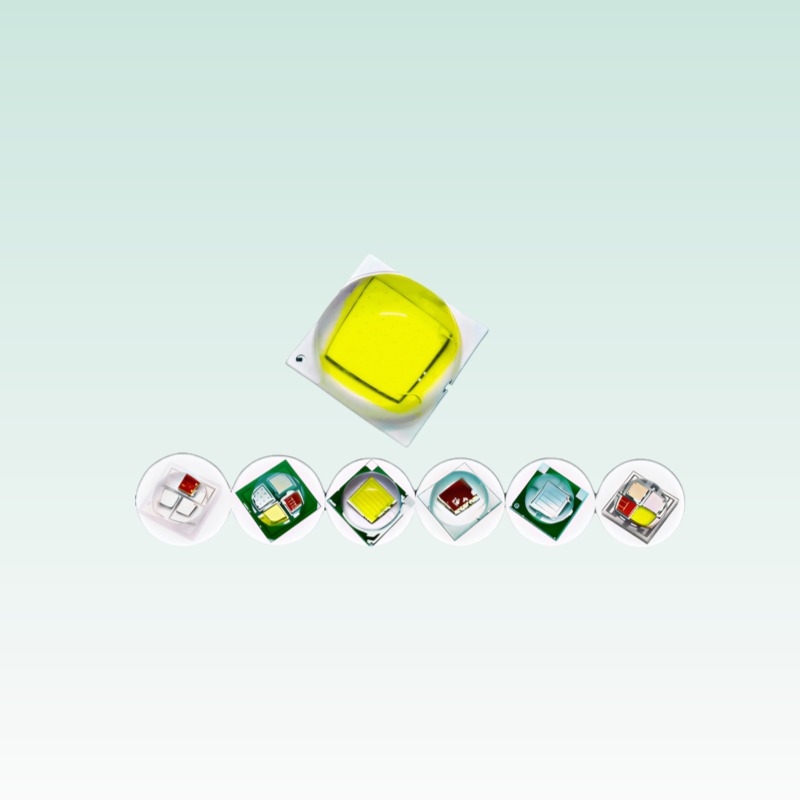

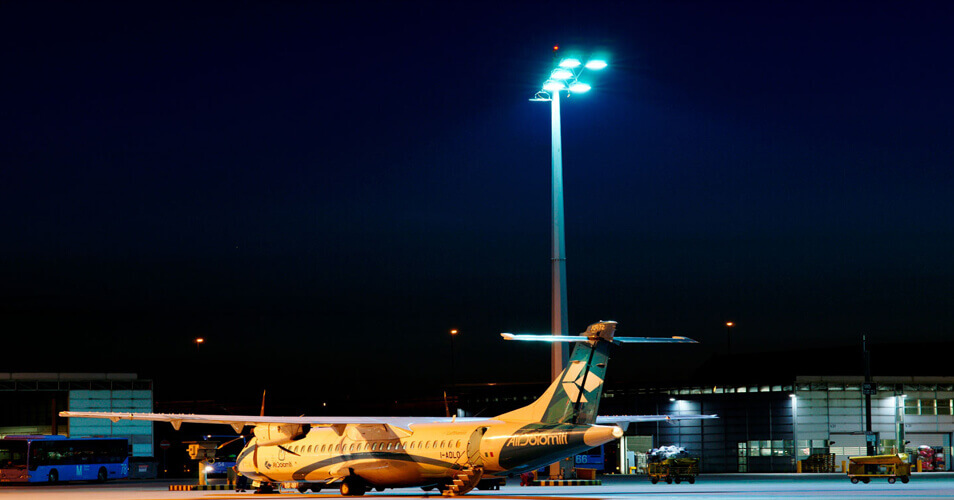


Modern sports venues require broadcast-quality illumination that satisfies FIFA, UEFA, IAAF, and TV-production standards simultaneously. Our stadium LED flood systems deliver high uniformity, minimal spill light, and flicker-free operation for HDTV and slow-motion capture, while providing energy-efficient operation for training and community events. Sports-venue lighting has evolved from simple floodlighting to a broadcast-critical discipline where every photon must satisfy FIFA, UEFA, IAAF, FIBA, and television-production standards simultaneously. High-definition and ultra-high-definition (4K/8K) broadcasts demand flicker-free operation at frame rates up to 240 fps, color temperatures matched to outdoor daylight (5600K ±200K), and uniformity ratios that eliminate shadows on player faces and ball trajectories. Our stadium LED flood systems are engineered around these exacting requirements with high-density COB arrays, broadcast-grade drivers, and precision optic modules computed via non-imaging ray-tracing algorithms. Beyond broadcast compliance, our systems reduce energy consumption by 50–65% compared to metal-halide predecessors, eliminate 15-minute warm-up delays, and extend relamping intervals from 2 years to 10+ years—transforming stadium lighting from a perpetual maintenance burden into a low-touch infrastructure asset.
Football & Multi-Use Stadium
FIFA Quality Pro and UEFA Category 4 compliant with horizontal illuminance 2000+ lux and uniformity U1 > 0.7.
4K/HDTV flicker-free operation (<0.3% at 240 Hz) for super-slow-motion broadcast capture without banding artifacts. Asymmetrical and double-asymmetrical optic distributions minimize spill light into residential neighborhoods. FIFA Quality Pro and UEFA Category 4 compliance requires horizontal illuminance (Eh) ≥ 2000 lux with uniformity U1 > 0.7 and U2 > 0.5 across the full field of play (105 m × 68 m), measured on a 5 m × 5 m grid per FIFA Test Method 01.
Flicker-free operation is validated at broadcast frame rates: Percent Flicker < 0.3% at 240 Hz refresh, eliminating banding artifacts in super-slow-motion replay. Asymmetrical and double-asymmetrical optic distributions (per IESNA RP-6-15) minimize spill light beyond the stadium perimeter, maintaining <1% upward light ratio (ULR) for dark-sky compliance and reducing light-trespass complaints from neighboring residential areas. Glare rating GR < 50 at TV-camera positions (per CIE 112) is achieved through visor shields and baffle arrays that block direct source viewing from elevated broadcast gantries. Athletics & Tennis Courts IAAF Class I (500 lux) and ITF Category 3 (750 lux) tennis court lighting with four-corner or six-pole layouts. Back-glare shields and visors reduce upward light ratio (ULR) to <1% for dark-sky compliance. IAAF Class I athletics lighting delivers 500 lux horizontal illuminance with uniformity U0 > 0.7 for track events, field events (long jump, javelin), and combined stadium use.
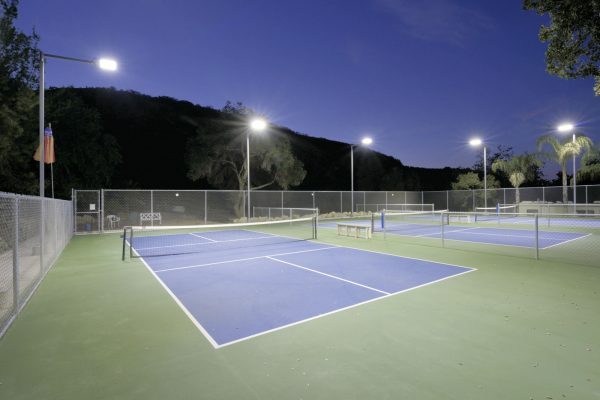
ITF Category 3 tennis-court lighting achieves 750 lux with four-corner or six-pole layouts optimized via DIALux simulations to eliminate ball-shadow confusion during serves and volleys.
Back-glare shields with 20° cutoff angles reduce upward light to <0.5% of total output, supporting International Dark-Sky Association certification for venues located near nature reserves or astronomical observatories. Mounting heights (12–20 m for tennis, 25–45 m for athletics) and pole setbacks are engineered to avoid player ball-vision obstruction while maintaining minimum 75° vertical angle from player eye level to luminaire. Arena & Indoor Sports Halls Indirect-direct luminaire arrays with UGR < 22 for player comfort and broadcast camera uniformity. DALI-2 dimming with match/training/event preset scenes for energy optimization. Indirect-direct luminaire arrays suspended from arena roofs (15–30 m mounting height) deliver 200 lux horizontal with UGR < 22 for player visual comfort during basketball, volleyball, and badminton competitions. DALI-2 dimming enables match (100%), training (70%), concert/event (40% with color wash), and maintenance (20%) preset scenes, optimizing energy consumption against actual usage patterns. Integrated scoreboard and LED-curtain compatibility is ensured through synchronized DMX512 control from the same lighting console, enabling unified dimming curves across all visual elements. Emergency battery backup (90-minute duration at 20% output) satisfies EN 1838 for safe spectator evacuation during power failures. Broadcast & Glare Control Glare rating GR < 50 for TV-camera positions per CIE 112; dedicated broadcast-lighting design calculations provided. Color temperature 5600K ±200K matched to outdoor daylight for seamless camera white-balance consistency. Glare rating GR < 50 is verified at every broadcast-camera position (main camera, reverse angle, touchline, corner flag, goal-line technology) using CIE 112 calculation method with actual luminaire intensity tables (IES files). Color temperature 5600K ±200K is matched to outdoor daylight for seamless white-balance consistency when cameras cut between stadium floodlights and natural sky during twilight kickoffs. CRI > 90 and R9 > 60 ensure accurate skin-tone rendering for player close-ups and coach reactions, critical for broadcast audience engagement.
Pre-installation lighting-design packages include: point-by-point calculations (AGi32 or DIALux), 3D renderings from broadcast-camera viewpoints, and glare-analysis reports formatted for FIFA/UEFA stadium-licensing submissions.
— QUEENDOM LED Lighting Solutions | B2B Industrial & Commercial Lighting —
Related Products
Further reading: Stadium Lighting Solutions · Stadium Lighting Upgrade Case
