




How Many Lumens Do I Need for My Room? Complete Calculator Guide
How Many Lumens Do I Need for My Room? Complete Calculator Guide
Buying LED lights without calculating your lumen requirements is like buying shoes without knowing your size. Too few lumens, and the room feels dark and unwelcoming. Too many, and you waste energy while creating uncomfortable glare.
This guide provides room-by-room lumen recommendations, explains the calculation method, and gives you practical LED wattage equivalents so you can specify the right lighting every time.
1. Understanding Lumens vs. Watts
Lumens (lm) measure the total visible light output from a source. Watts (W) measure electrical power consumption. With LEDs, the old “watts = brightness” rule no longer applies.
| Incandescent | LED Equivalent | Lumens | Efficacy (lm/W) |
|---|
| 40W bulb | 5–6W LED | 450 lm | 75–90 lm/W |
|---|---|---|---|
| 60W bulb | 8–10W LED | 800 lm | 80–100 lm/W |
| 75W bulb | 11–13W LED | 1,100 lm | 85–100 lm/W |
| 100W bulb | 14–17W LED | 1,600 lm | 95–115 lm/W |
| 150W bulb | 20–25W LED | 2,600 lm | 105–130 lm/W |
Key principle: Always specify lighting by lumens, not watts. A 10W LED from a premium manufacturer may deliver 1,000 lumens, while a budget 10W LED might only produce 600 lumens.
2. The Lumen Calculation Formula
The basic formula for calculating lighting needs:
`
Total Lumens = Room Area (sq ft) × Recommended Lux (lm/sq ft) × Light Loss Factor
`
Where:
Example: Living Room Calculation
| Parameter | Value |
|---|
| Room dimensions | 16 ft × 20 ft = 320 sq ft |
|---|---|
| Activity type | General living (relaxation, TV viewing) |
| Recommended lux | 20–30 lm/sq ft |
| Light loss factor | 0.75 (accounting for fixture and depreciation) |
`
Total Lumens = 320 sq ft × 25 lm/sq ft ÷ 0.75 = 10,667 lumens
`
Recommendation: 10,000–12,000 lumens total, distributed across multiple fixtures (ceiling light + floor lamps + task lighting).
3. Room-by-Room Lumen Recommendations
Residential Lighting Standards
| Room | Recommended Lux (lm/sq ft) | Purpose | Color Temperature |
|---|
| Living room | 15–25 | Relaxation, socializing, TV | 2700K–3000K |
|---|---|---|---|
| Kitchen (general) | 30–40 | Food preparation, cleaning | 3000K–4000K |
| Kitchen (task/counter) | 50–75 | Detailed food prep, cooking | 4000K–5000K |
| Dining room | 20–30 | Meals, conversation | 2700K–3000K |
| Bedroom (general) | 10–20 | Rest, dressing | 2700K–3000K |
| Bedroom (reading) | 40–50 | Bedside reading | 3000K–4000K |
| Bathroom (general) | 30–40 | Grooming, hygiene | 3000K–4000K |
| Bathroom (vanity) | 60–80 | Shaving, makeup, detailed grooming | 4000K–5000K |
| Home office | 40–60 | Computer work, reading, writing | 3500K–4500K |
| Hallway/entry | 10–15 | Safe navigation | 2700K–3000K |
| Closet | 20–30 | Clothing selection | 3000K–4000K |
| Garage/workshop | 30–50 | Storage, basic projects | 4000K–5000K |
| Laundry room | 30–40 | Sorting, stain inspection | 4000K–5000K |
Commercial Lighting Standards
| Space | Recommended Lux (lm/sq ft) | Application |
|---|
| Office (general) | 40–50 | Open plan, cubicles |
|---|---|---|
| Office (task/desk) | 50–75 | Computer work, document reading |
| Conference room | 30–50 | Meetings, presentations |
| Retail store | 30–50 | Product display, customer browsing |
| Retail (high-end) | 50–75 | Jewelry, clothing, cosmetics |
| Restaurant (dining) | 15–25 | Ambient, intimate atmosphere |
| Restaurant (kitchen) | 50–75 | Food preparation, safety |
| Classroom | 40–50 | Reading, writing, board viewing |
| Hospital (patient room) | 20–30 | Recovery, rest |
| Hospital (examination) | 75–100 | Diagnosis, treatment |
| Warehouse (storage) | 15–25 | Retrieval, inventory |
| Warehouse (active) | 25–40 | Packing, shipping, forklift operation |
4. Special Considerations
4.1 Ceiling Height Adjustment
The recommended lux values above assume standard 8–9 foot (2.4–2.7 m) ceilings. For higher ceilings, increase total lumens by:
| Ceiling Height | Multiplier | Reason |
|---|
| 8–9 ft (standard) | 1.0× | Baseline |
|---|---|---|
| 10–12 ft | 1.2× | Light spread over larger volume |
| 13–16 ft | 1.4× | Requires higher-output fixtures |
| 17–20 ft | 1.6× | Often requires high-bay or pendant fixtures |
| 20+ ft | 1.8–2.0× | Industrial/commercial high-bay lighting |
4.2 Dark vs. Light Room Colors
Dark walls, ceilings, and floors absorb light. Light surfaces reflect it.
| Surface Reflectance | Lumen Adjustment | Example |
|---|
| Light walls/ceiling (70%+ reflectance) | 0.8× baseline | White, cream, light gray |
|---|---|---|
| Medium walls/ceiling (50–70% reflectance) | 1.0× baseline | Beige, medium gray |
| Dark walls/ceiling (<50% reflectance) | 1.3× baseline | Dark gray, brown, navy |
Practical tip: A room with dark wood paneling needs 30% more lumens than the same room with white walls.
4.3 Age Factor
Older adults need more light for the same visual task:
| Age Group | Recommended Increase |
|---|
| Under 40 | Baseline |
|---|---|
| 40–55 | +25% |
| 55–70 | +50% |
| 70+ | +100% |
5. Layered Lighting: The Professional Approach
Rather than calculating one big number, professional lighting designers use three layers:
Layer 1: Ambient Lighting (General)
Provides overall illumination. Typically 60–70% of total lumens.
Layer 2: Task Lighting (Focused)
Illuminates specific work areas. 20–30% of total lumens.
Layer 3: Accent Lighting (Decorative)
Highlights architectural features or artwork. 10–20% of total lumens.
Example: Kitchen with Layered Lighting
| Layer | Fixture | Lumens | Purpose |
|---|
| Ambient | 6× recessed downlights | 4,800 lm | General room illumination |
|---|---|---|---|
| Task | 4× under-cabinet LED strips | 2,400 lm | Countertop food prep |
| Accent | 2× pendant lights over island | 1,200 lm | Visual interest, island task |
| Total | 8,400 lm |
6. LED Fixture Lumen Output Reference
Use this table to match your calculated lumen needs to real LED fixtures:
Residential Fixtures
| Fixture Type | Typical Wattage | Typical Lumens | Best For |
|---|
| LED bulb (A19) | 9–15W | 800–1,600 lm | Lamps, ceiling fixtures |
|---|---|---|---|
| LED downlight (4″) | 9–12W | 600–900 lm | Recessed lighting |
| LED downlight (6″) | 12–18W | 900–1,400 lm | Recessed lighting |
| LED panel (2×2 ft) | 25–40W | 2,000–3,500 lm | Drop ceiling offices |
| LED panel (2×4 ft) | 40–50W | 4,000–5,500 lm | Drop ceiling offices |
| LED tube (4 ft) | 15–20W | 1,800–2,400 lm | Fluorescent replacement |
| LED strip (per meter) | 10–20W | 1,000–2,000 lm | Under cabinet, cove |
| LED floodlight (outdoor) | 30–100W | 3,000–10,000 lm | Security, landscape |
| LED high-bay | 100–300W | 13,000–45,000 lm | Warehouses, gyms |
7. Common Mistakes When Calculating Lumens
Mistake 1: Ignoring Light Loss Over Time
LEDs depreciate 10–15% over 50,000 hours. If you calculate exactly the lumens needed today, the room will be too dim in 3–5 years.
Solution: Add 15–20% to your calculated lumens as a depreciation buffer.
Mistake 2: Using a Single Overhead Fixture
One bright ceiling light in the center creates harsh shadows and uneven illumination.
Solution: Distribute light across multiple fixtures. Use the 3-layer approach.
Mistake 3: Forgetting About Glare
High-lumen fixtures without diffusers create glare, causing eye strain and headaches.
Solution: Select fixtures with UGR < 19 for task areas, UGR < 22 for general areas.
Mistake 4: Mismatched Color Temperatures
Mixing 2700K warm white with 5000K cool white in the same visual field creates a jarring, unprofessional appearance.
Solution: Maintain consistent CCT within each room. Use 2700K–3000K for relaxation spaces, 4000K–5000K for task spaces.
8. Quick Reference: Lumens Calculator by Room Size
Living Room
| Room Size | Minimum Lumens | Comfortable Lumens | Bright/Reading |
|---|
| 12×12 ft (144 sq ft) | 2,200 | 3,600 | 5,000 |
|---|---|---|---|
| 14×16 ft (224 sq ft) | 3,400 | 5,600 | 7,800 |
| 16×20 ft (320 sq ft) | 4,800 | 8,000 | 11,000 |
| 20×24 ft (480 sq ft) | 7,200 | 12,000 | 16,500 |
Kitchen
| Room Size | General Lighting | Task Lighting (counters) |
|---|
| 8×10 ft (80 sq ft) | 2,400 | 4,000 |
|---|---|---|
| 10×12 ft (120 sq ft) | 3,600 | 6,000 |
| 12×14 ft (168 sq ft) | 5,000 | 8,400 |
| 14×18 ft (252 sq ft) | 7,600 | 12,600 |
Bedroom
| Room Size | Relaxation | Reading/Dressing |
|---|
| 10×10 ft (100 sq ft) | 1,500 | 4,000 |
|---|---|---|
| 12×14 ft (168 sq ft) | 2,500 | 6,700 |
| 14×16 ft (224 sq ft) | 3,400 | 9,000 |
Home Office
| Room Size | General | Task (desk area) |
|---|
| 8×10 ft (80 sq ft) | 3,200 | 4,000 |
|---|---|---|
| 10×12 ft (120 sq ft) | 4,800 | 6,000 |
| 12×14 ft (168 sq ft) | 6,700 | 8,400 |
9. FAQ: Lumens and Room Lighting
Q1: Can I have too many lumens in a room?
Yes. Excessive brightness causes glare, eye strain, and headaches. It also wastes energy. Stay within the recommended ranges and use dimmers for flexibility.
Q2: How do I measure the actual lumens in my room?
Use a light meter (lux meter) or smartphone app. Measure at the working surface height (30 inches for desks, 36 inches for countertops). 1 lux = 1 lumen per square meter.
Q3: Do LED lumens decrease over time?
Yes, all LEDs experience lumen depreciation. Quality LEDs maintain 70% of initial output at 50,000 hours (L70 rating). Budget LEDs may reach L70 in 20,000 hours or less.
Q4: What is the difference between lumens and lux?
A 1,000 lumen bulb produces different lux levels depending on distance and room size.
Q5: Should I use daylight (5000K) or warm white (3000K) for my office?
For prolonged computer work, 4000K–5000K reduces eye strain and maintains alertness. For creative or collaborative spaces, 3500K offers a balance. Use 3000K only if the office also serves as a relaxation area.
Conclusion
Calculating lumens for any room requires three inputs: room size, activity type, and environmental factors (ceiling height, surface colors, occupant age). The formulas and tables in this guide give you precise targets for residential and commercial spaces.
Key takeaways:
1. Always design by lumens, not watts
2. Use layered lighting (ambient + task + accent)
3. Add 15–20% buffer for LED depreciation
4. Match color temperature to the activity
5. Distribute fixtures evenly — avoid single-point sources
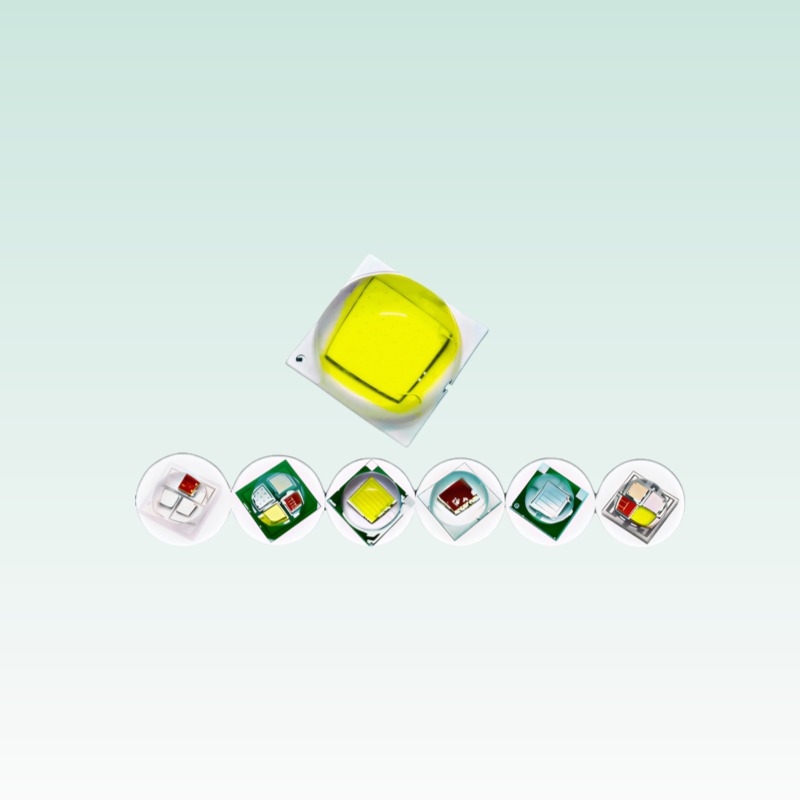
At Queendom LED, we supply LED chips and modules for fixture manufacturers. Our SMD 2835 and 5630 chips deliver 130–170 lm/W efficacy, enabling you to meet any lumen target with minimal power consumption and heat generation.
Browse our high-efficacy LED chips | Request technical specifications
