
 English
 Afrikaans
 Albanian
 Amharic
 Arabic
 Armenian
 Azerbaijani
 Basque
 Belarusian
 Bengali
 Bosnian
 Bulgarian
 Catalan
 Cebuano
 Chichewa
 Corsican
 Croatian
 Czech
Czech Danish
 Dutch
Dutch Esperanto
 Estonian
 Filipino
 Finnish
 French
 Frisian
 Galician
 Georgian
 German
 Greek
Greek Gujarati
 Haitian Creole
 Hausa
Hausa Hawaiian
 Hebrew
 Hindi
Hindi Hmong
Hmong Hungarian
 Icelandic
 Igbo
Igbo Indonesian
 Irish
Irish Italian
 Japanese
 Javanese
 Kannada
 Kazakh
 Khmer
Khmer Korean
 Kurdish (Kurmanji)
 Kyrgyz
 Lao
Lao Latin
Latin Latvian
 Lithuanian
 Luxembourgish
 Macedonian
 Malagasy
 Malay
Malay Malayalam
 Maltese
 Maori
Maori Marathi
 Mongolian
 Myanmar (Burmese)
 Nepali
 Norwegian
 Pashto
 Persian
 Polish
 Portuguese
 Punjabi
 Romanian
 Russian
 Samoan
 Scottish Gaelic
 Serbian
 Sesotho
 Shona
Shona Sindhi
 Sinhala
 Slovak
 Slovenian
 Somali
 Spanish
 Sudanese
 Swahili
 Swedish
 Tajik
Tajik Tamil
Tamil Telugu
 Thai
Thai Turkish
 Ukrainian
 Urdu
Urdu Uzbek
Uzbek Vietnamese
 Welsh
Welsh Xhosa
Xhosa Yiddish
 Yoruba
 Zulu
Zulu
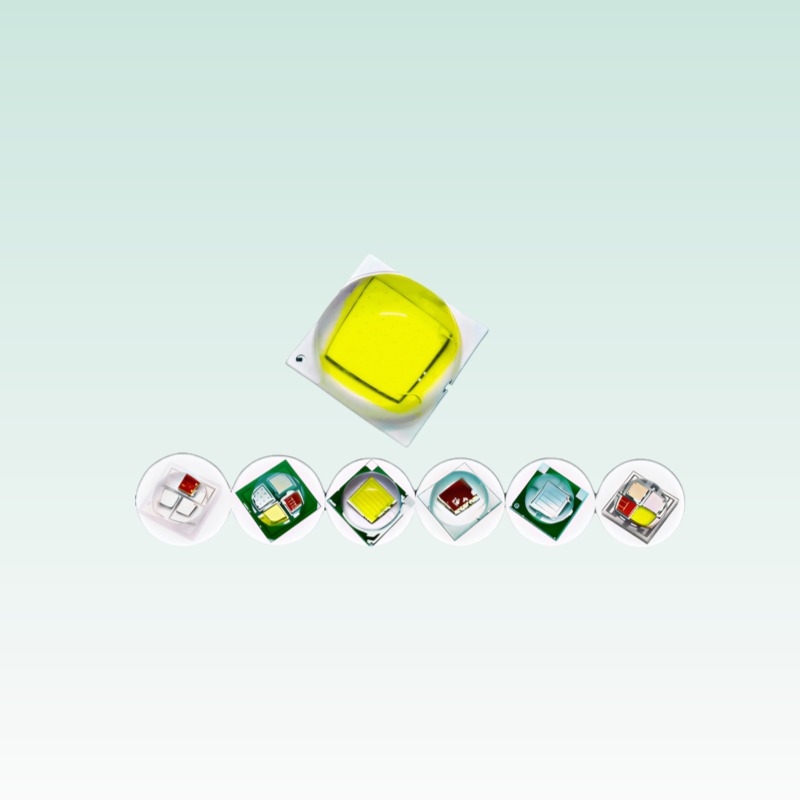
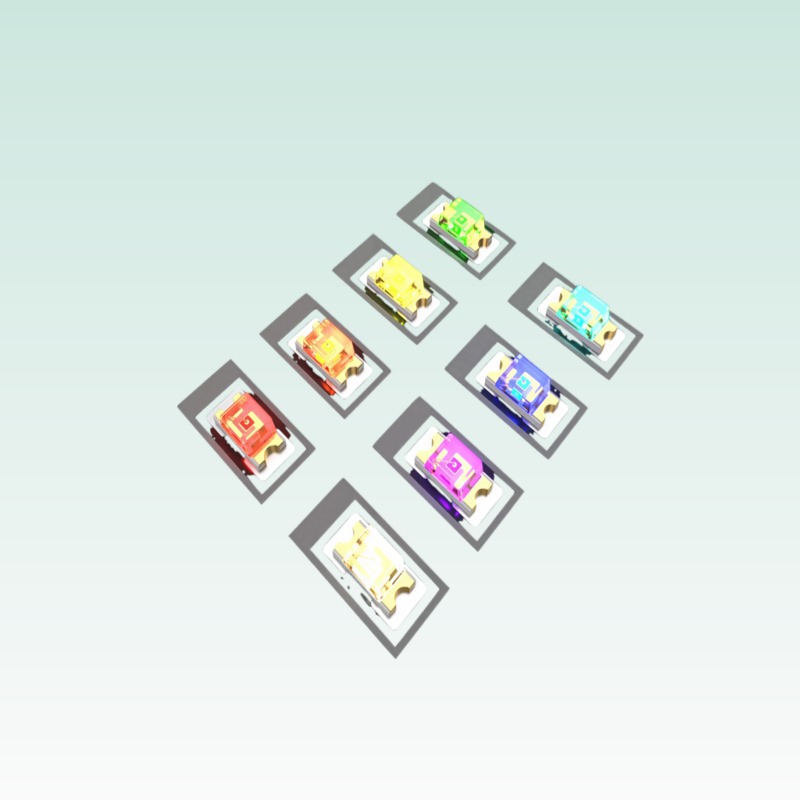
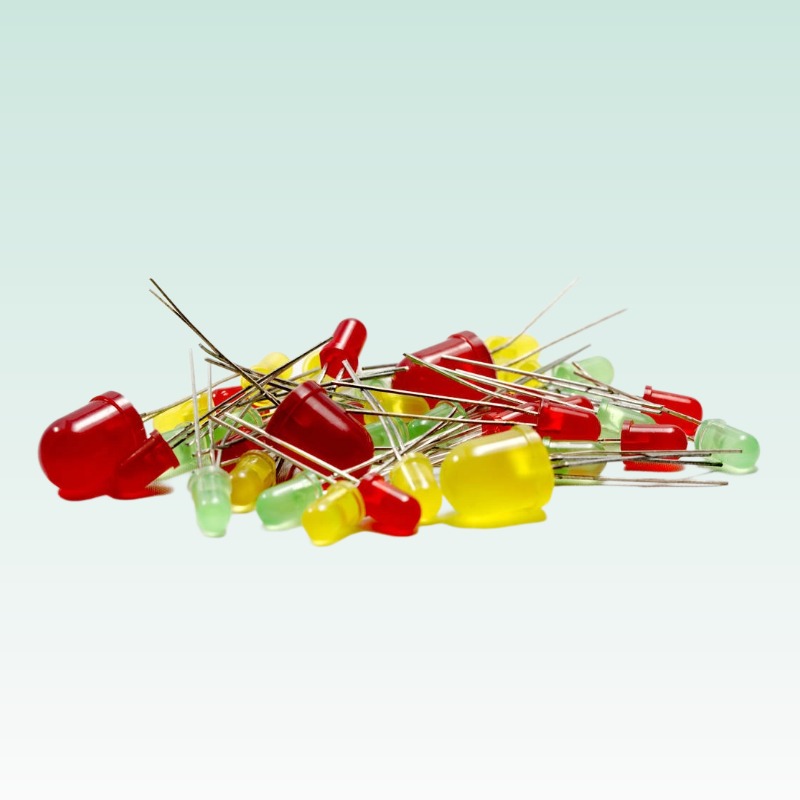
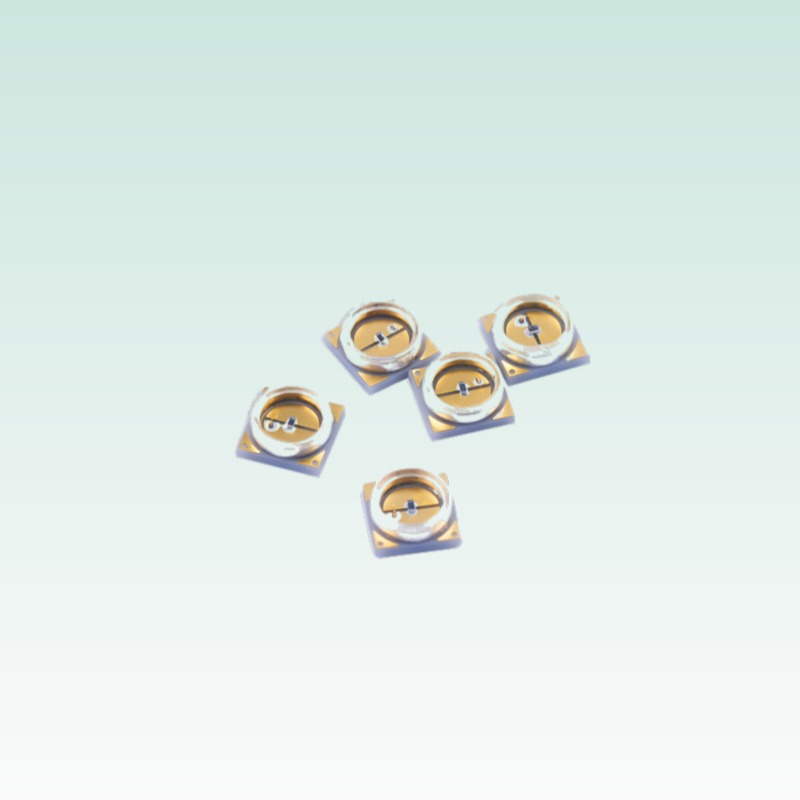
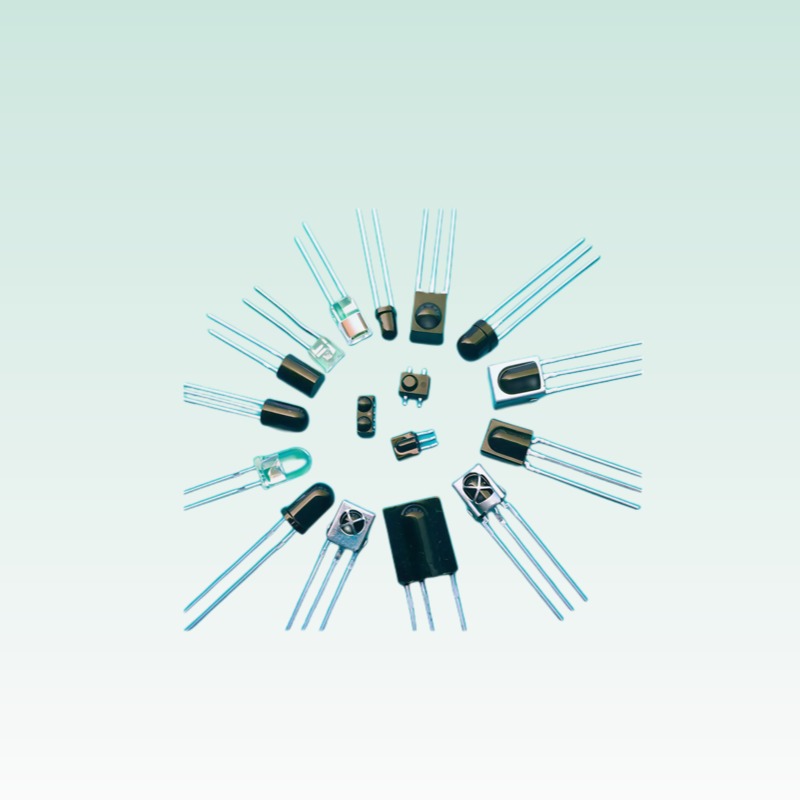
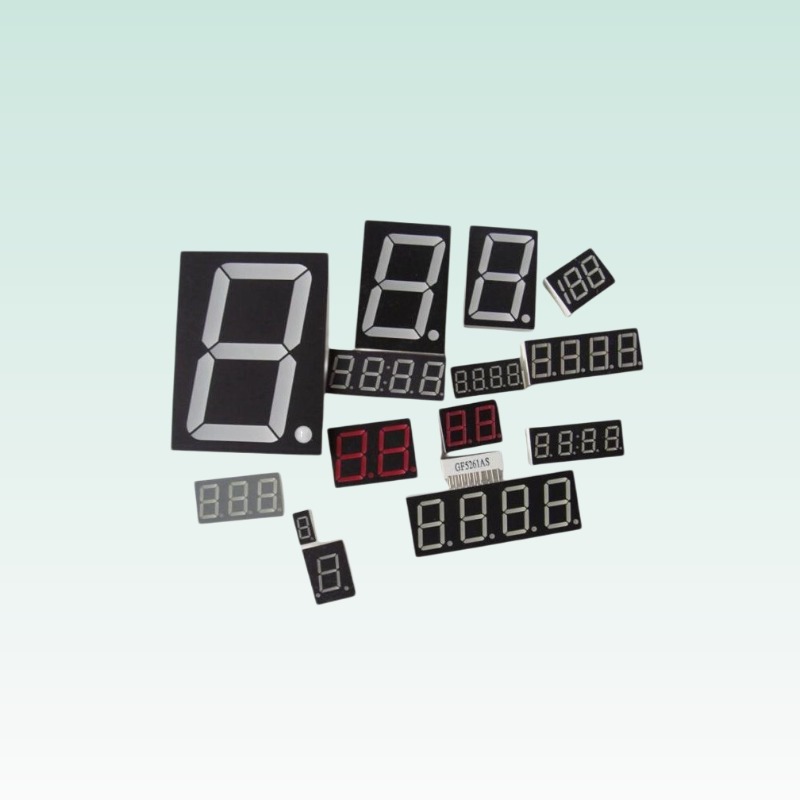
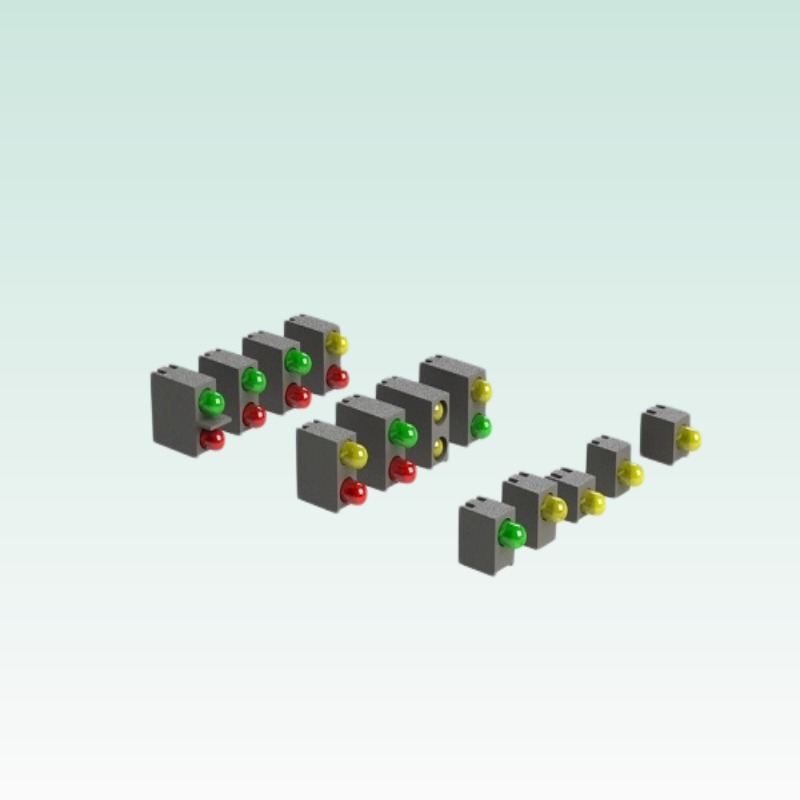






Healthcare lighting must satisfy exacting photometric, hygienic, and electromagnetic compatibility standards. Our medical LED portfolio covers examination rooms, surgical suites, patient wards, and sterilization areas, designed to IEC 60601-1-2 EMC standards and infection-control protocols. Healthcare lighting is among the most regulated and technically demanding segments in the lighting industry. Surgical suites require shadowless illumination with color-rendering indices approaching natural daylight (CRI > 95, R9 > 90) so that surgeons can distinguish tissue perfusion, blood oxygenation, and pathological color variations with absolute confidence. Patient rooms need tunable spectra that support circadian entrainment and sleep-quality recovery, while sterilization areas demand UV-C germicidal irradiation validated against specific pathogen inactivation kinetics. Our medical LED portfolio spans these diverse requirements with unified design principles: IEC 60601-1-2 4th Edition EMC immunity, ISO 13485 quality management, and biocompatibility testing per ISO 10993-5 cytotoxicity and ISO 10993-10 sensitization. Installation support includes lighting-design calculations, on-site commissioning, and staff training to ensure clinical workflows are never disrupted by lighting-system transitions.
Surgical & Examination Luminaires
Shadowless surgical lights with CRI > 95, R9 > 90, and color temperature 4000K–5000K adjustable via sterile handle control.
Illuminance levels: 40,000–160,000 lux at 1 m working distance with ±10% uniformity across the light field per IEC 60601-2-41.
Radiant heat minimized via cold-light LED technology; surface temperature < 40°C at 1 m to prevent tissue desiccation. Arm-mounted, ceiling-suspended, and mobile cart configurations for hybrid OR and emergency triage flexibility. Shadowless performance is validated per IEC 60601-2-41: the deepest cavity (d10) must maintain ≥40% of center illuminance (Ec) at 1 m working distance; our luminaires achieve d10/d50 ratios >0.85.
Color-temperature adjustment (4000K–5000K) is controlled via a sterile central handle with sealed potentiometer, allowing the surgeon to tune warmth without breaking scrub.
Redundant LED arrays with independent drivers ensure that a single-point failure reduces output by <20% rather than creating a dark zone. Ceiling-suspended, wall-mounted, and mobile-cart configurations accommodate hybrid OR layouts where imaging equipment (C-arm, MRI) must share overhead space without shadow conflict. Patient Room & Circadian Lighting Tunable-white patient-room panels (2700K–6500K) synchronized with circadian programs to improve sleep quality and recovery rates. Night-mode operation at <1% output with amber spectrum (2200K) to preserve melatonin secretion and nursing visibility. Antimicrobial powder-coated housings with silver-ion treatment, inhibiting MRSA and E. coli surface colonization >99.9%.
Circadian programs are pre-loaded with evidence-based protocols: 6000K at 300 lux (corneal) from 07:00 to 19:00 to suppress melatonin and promote daytime alertness; 2700K at <50 lux from 19:00 to 07:00 to permit natural melatonin onset. Night mode switches to pure amber spectrum (λp ~590 nm) at <1% output, preserving scotopic vision for nursing tasks while eliminating melanopic stimulation. Antimicrobial powder coatings incorporate silver-ion (Ag⁺) technology that achieves >4-log reduction (99.99%) of MRSA, E. coli, and C. albicans within 24 hours per JIS Z 2801.
Surface-cleaning compatibility is validated with hospital-grade disinfectants (quaternary ammonium, hydrogen peroxide, sodium hypochlorite) without coating degradation.
UV-C Disinfection Systems
UVC 222nm Far-UVC excimer lamps for occupied-space disinfection, validated by Columbia University IRB studies for human-safe pathogen reduction.
Automated occupancy interlocks and PIR safety cutoffs prevent accidental human exposure during UV-C cycles.
Validated against SARS-CoV-2, influenza A, and C. difficile spores with 3-log reduction in <10 minutes at 2 m distance. 222 nm Far-UVC excimer lamps emit within the germicidal action spectrum (200–230 nm) with minimal skin-penetration depth (<3 µm in stratum corneum), making continuous occupied-space disinfection feasible. Dose-response curves are validated against SARS-CoV-2 (3-log reduction at 2 mJ/cm²), influenza A H1N1 (3-log at 1.7 mJ/cm²), and C. difficile spores (2-log at 10 mJ/cm²) in certified BSL-3 laboratory partnerships. Safety interlocks include PIR occupancy sensors with 360° coverage, door-contact switches, and keyed override for maintenance, ensuring zero accidental human exposure. Irradiance mapping is performed post-installation using calibrated UVC radiometers (International Light Technologies), with certification stickers applied at safe-approach distances. Compliance & Certifications IEC 60601-1-2 4th Edition EMC compliance for medical electrical equipment in professional healthcare facilities. ISO 13485 medical-device quality management system; biocompatibility testing per ISO 10993 for patient-contact surfaces. EMC immunity testing per IEC 60601-1-2 4th Edition covers conducted (150 kHz–30 MHz, 10 Vrms) and radiated (80 MHz–2.7 GHz, 10 V/m) disturbances, ensuring no interference with patient-monitoring equipment, infusion pumps, or MRI gradient coils. Biocompatibility testing per ISO 10993-5 (cytotoxicity) and ISO 10993-10 (sensitization) confirms that patient-contact surfaces (armrests, handles) do not elicit adverse biological responses. All production facilities are audited annually under ISO 13485 medical-device QMS with FDA 21 CFR Part 820 alignment for U.S. market access. Clinical evaluation reports (CER) and post-market surveillance (PMS) plans are maintained per MDR 2017/745 for EU CE marking. — QUEENDOM LED Lighting Solutions | B2B Industrial & Commercial Lighting —
Related Products
Further reading: Medical Lighting Solutions · Medical Lighting Case
