
 English
 Afrikaans
 Albanian
 Amharic
 Arabic
 Armenian
 Azerbaijani
 Basque
 Belarusian
 Bengali
 Bosnian
 Bulgarian
 Catalan
 Cebuano
 Chichewa
 Corsican
 Croatian
 Czech
Czech Danish
 Dutch
Dutch Esperanto
 Estonian
 Filipino
 Finnish
 French
 Frisian
 Galician
 Georgian
 German
 Greek
Greek Gujarati
 Haitian Creole
 Hausa
Hausa Hawaiian
 Hebrew
 Hindi
Hindi Hmong
Hmong Hungarian
 Icelandic
 Igbo
Igbo Indonesian
 Irish
Irish Italian
 Japanese
 Javanese
 Kannada
 Kazakh
 Khmer
Khmer Korean
 Kurdish (Kurmanji)
 Kyrgyz
 Lao
Lao Latin
Latin Latvian
 Lithuanian
 Luxembourgish
 Macedonian
 Malagasy
 Malay
Malay Malayalam
 Maltese
 Maori
Maori Marathi
 Mongolian
 Myanmar (Burmese)
 Nepali
 Norwegian
 Pashto
 Persian
 Polish
 Portuguese
 Punjabi
 Romanian
 Russian
 Samoan
 Scottish Gaelic
 Serbian
 Sesotho
 Shona
Shona Sindhi
 Sinhala
 Slovak
 Slovenian
 Somali
 Spanish
 Sudanese
 Swahili
 Swedish
 Tajik
Tajik Tamil
Tamil Telugu
 Thai
Thai Turkish
 Ukrainian
 Urdu
Urdu Uzbek
Uzbek Vietnamese
 Welsh
Welsh Xhosa
Xhosa Yiddish
 Yoruba
 Zulu
Zulu
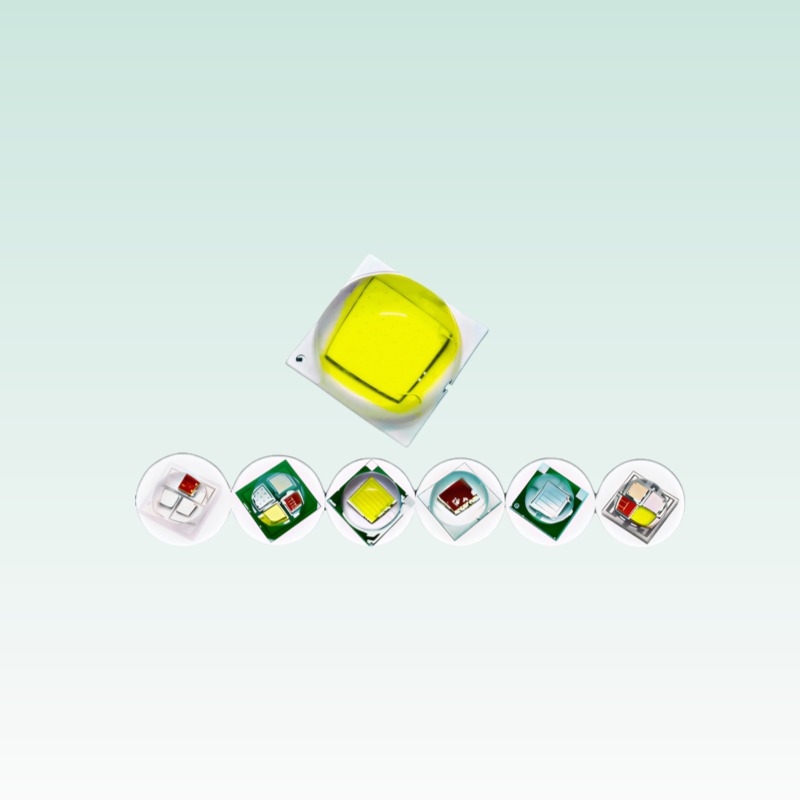

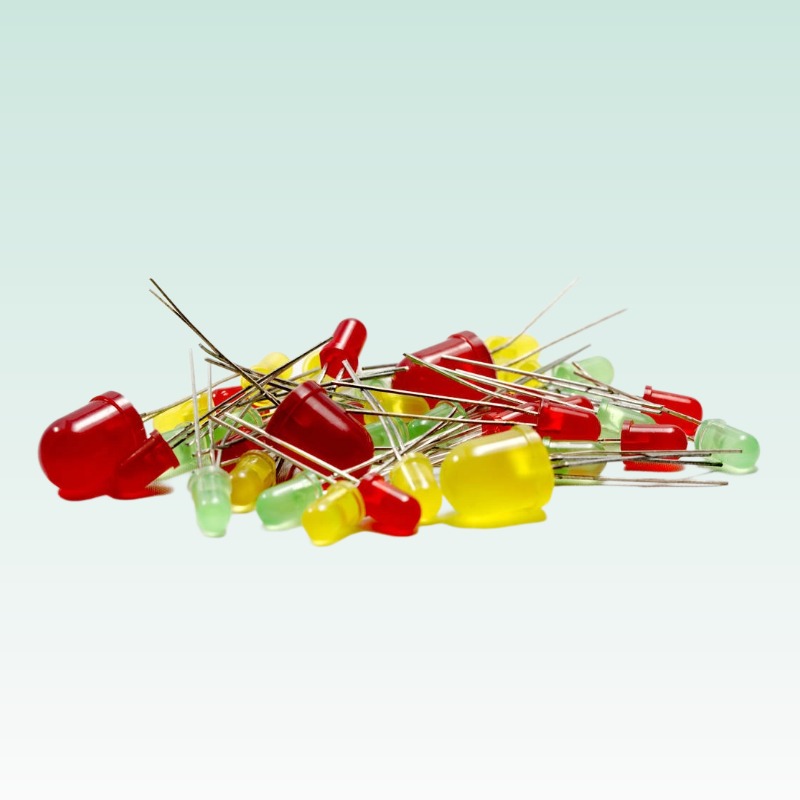
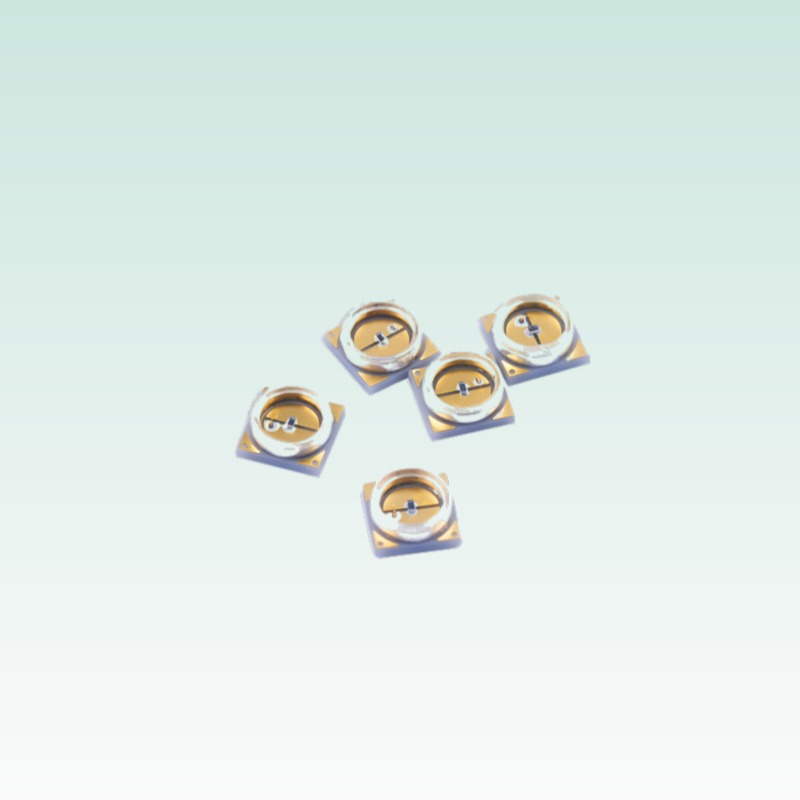
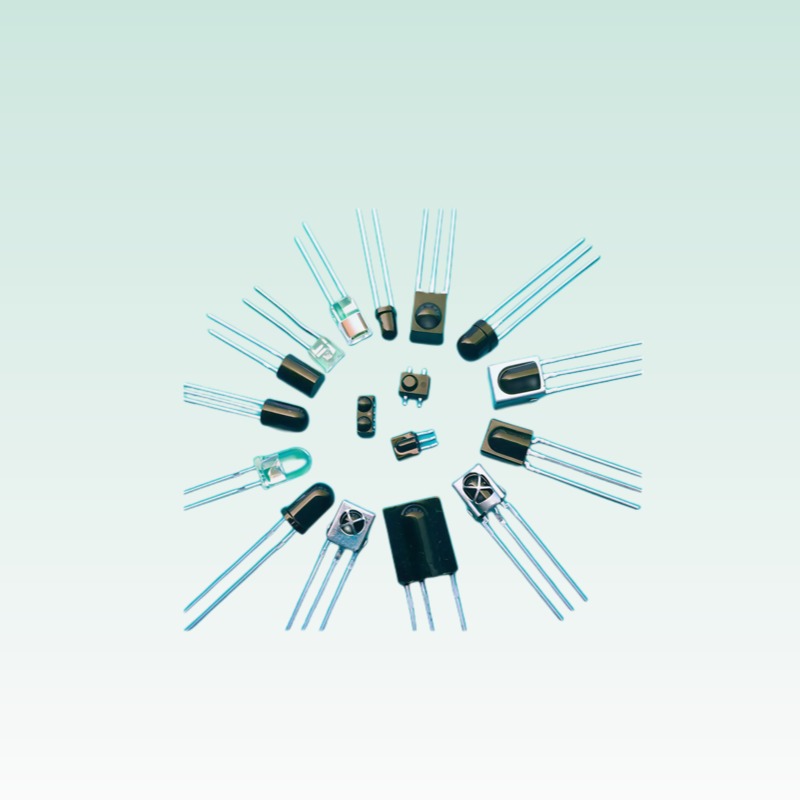








Infrared LED Datasheets
Browse and download technical datasheets for our Infrared LED product line, including standard IR, High-Power IR and Far Infrared series with electrical, optical and thermal specifications in PDF format.
SMD Infrared LEDs
4 models
| Model | Size | Updated | Download |
|---|---|---|---|
| 1608 Infrared LEDs | 1.6×0.8mm | — | |
| 2012 Infrared LEDs | 2.0×1.2mm | — | |
| 3216 Infrared LEDs | 3.2×1.6mm | — | |
| 3535 Infrared LEDs | 3.5×3.5mm | — |
More models are continuously updated.
High-Power Infrared LEDs
1 model
| Model | Size / Power | Updated | Download |
|---|---|---|---|
| High Power IR LEDs | High-Power | — |
More models are continuously updated.
Far Infrared LEDs
2 models
| Model | Size | Updated | Download |
|---|---|---|---|
| 2835 Far Infrared LEDs | 2.8×3.5mm | — | |
| 3535 Far Infrared LEDs | 3.5×3.5mm | — |
More models are continuously updated.
Datasheets are updated periodically. If your required model is not listed or the file appears outdated,
please contact our technical support team at sales@queendomlamp.com.
Series documents: IR LED Product Manual 2024 (PDF)
Choosing Between 850 nm and 940 nm SMD Infrared Emitters
The two workhorse wavelengths in surface-mount infrared are not interchangeable, and picking the wrong one shows up as either a faint red glow on camera or a sensor starved for signal. Silicon photodetectors peak near 850 nm, so an 850 nm emitter delivers roughly 30–40% more usable detector current than an equivalent 940 nm part. The trade-off: 850 nm dies leak a small visible-red component during operation, while 940 nm is essentially invisible to the human eye.
| Wavelength | Relative Output | Visible Glow | Best-Fit Applications |
|---|---|---|---|
| 850 nm | Reference (highest) | Faint deep-red spot at close range | Security camera illumination, machine vision, license-plate capture, iris recognition |
| 940 nm | 60–70% of 850 nm | None | Remote controls, presence sensing, gesture recognition, covert illumination |
Package Footprints and Beam Geometry
SMD IR emitters follow the same metric footprints as visible SMD LEDs — 0603 (1608), 0805 (2012), and 1206 (3216) — so existing placement footprints and pick-and-nozzle programs carry over. Beam geometry is set by the molding lens integrated into the package: narrow ~30° parts concentrate radiant intensity for distance sensing and beam-break counters, while wide 100–140° parts build uniform flood arrays for room-scale presence detection. In dense arrays, overlap the 50% intensity contours at the working distance to avoid sensitivity dead zones.
Drive and Pulsing Practice
- Sensing circuits should pulse at 1:10 to 1:100 duty cycle — peak current can then run 2–5× the DC rating without thermal penalty
- Synchronous detection (pulsing the emitter and gating the receiver together) rejects ambient light and is standard in reflective sensing
- Camera illumination runs DC or low-frequency PWM above the frame rate; verify the camera’s IR-cut filter is removed or bypassed for the illuminator band
- Match the emitter wavelength to the photodiode’s response curve, not just its peak — see our infrared camera application case study for a worked design
Frequently Asked Questions
Why does my 850 nm array show up on smartphone video?
Phone cameras without IR-cut filters resolve the weak visible tail of an 850 nm die. If the installation is photographed or recorded, specify 940 nm and budget for the output reduction by adding emitters or narrowing the beam.
What radiant intensity do I need for a beam-break sensor at 2 meters?
Work backward from the receiver’s minimum irradiance: for a typical phototransistor needing 0.1 mW/cm², a 30 mW/sr narrow-angle emitter aimed directly at the receiver covers 2 m with margin. Wider angles require proportionally more die or closer spacing.
Are SMD IR parts as reliable as DIP for outdoor exposure?
Yes, when the board is conformally coated. SMD packages carry the same moisture-sensitivity handling rules — bake per MSL rating before reflow and avoid reworking a populated IR array with a hot air gun, which delaminates the lens.