 English
 Afrikaans
 Albanian
 Amharic
 Arabic
 Armenian
 Azerbaijani
 Basque
 Belarusian
 Bengali
 Bosnian
 Bulgarian
 Catalan
 Cebuano
 Chichewa
 Corsican
 Croatian
 Czech
Czech Danish
 Dutch
Dutch Esperanto
 Estonian
 Filipino
 Finnish
 French
 Frisian
 Galician
 Georgian
 German
 Greek
Greek Gujarati
 Haitian Creole
 Hausa
Hausa Hawaiian
 Hebrew
 Hindi
Hindi Hmong
Hmong Hungarian
 Icelandic
 Igbo
Igbo Indonesian
 Irish
Irish Italian
 Japanese
 Javanese
 Kannada
 Kazakh
 Khmer
Khmer Korean
 Kurdish (Kurmanji)
 Kyrgyz
 Lao
Lao Latin
Latin Latvian
 Lithuanian
 Luxembourgish
 Macedonian
 Malagasy
 Malay
Malay Malayalam
 Maltese
 Maori
Maori Marathi
 Mongolian
 Myanmar (Burmese)
 Nepali
 Norwegian
 Pashto
 Persian
 Polish
 Portuguese
 Punjabi
 Romanian
 Russian
 Samoan
 Scottish Gaelic
 Serbian
 Sesotho
 Shona
Shona Sindhi
 Sinhala
 Slovak
 Slovenian
 Somali
 Spanish
 Sudanese
 Swahili
 Swedish
 Tajik
Tajik Tamil
Tamil Telugu
 Thai
Thai Turkish
 Ukrainian
 Urdu
Urdu Uzbek
Uzbek Vietnamese
 Welsh
Welsh Xhosa
Xhosa Yiddish
 Yoruba
 Zulu
Zulu
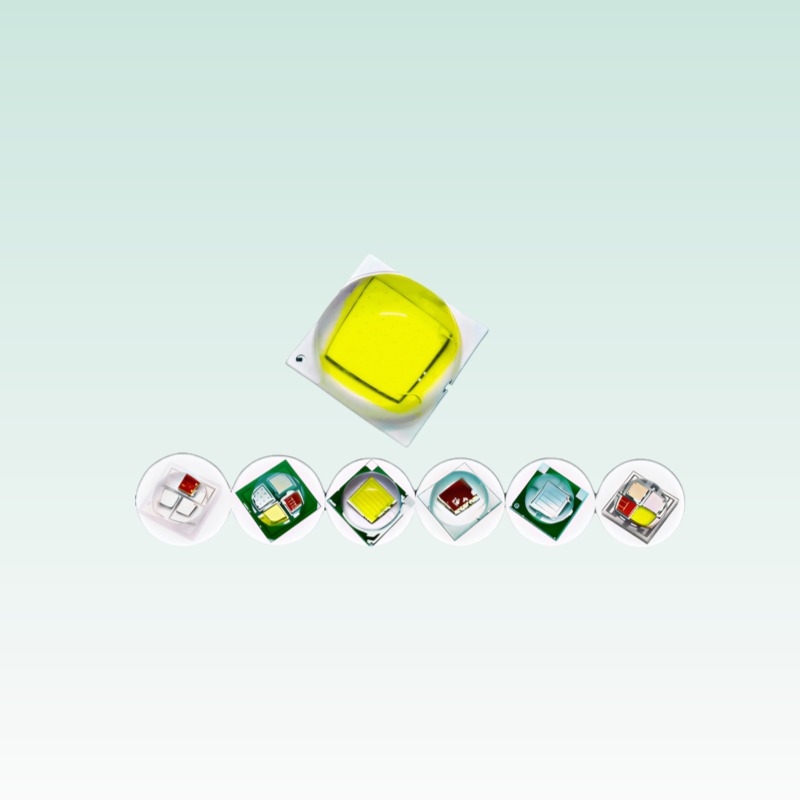
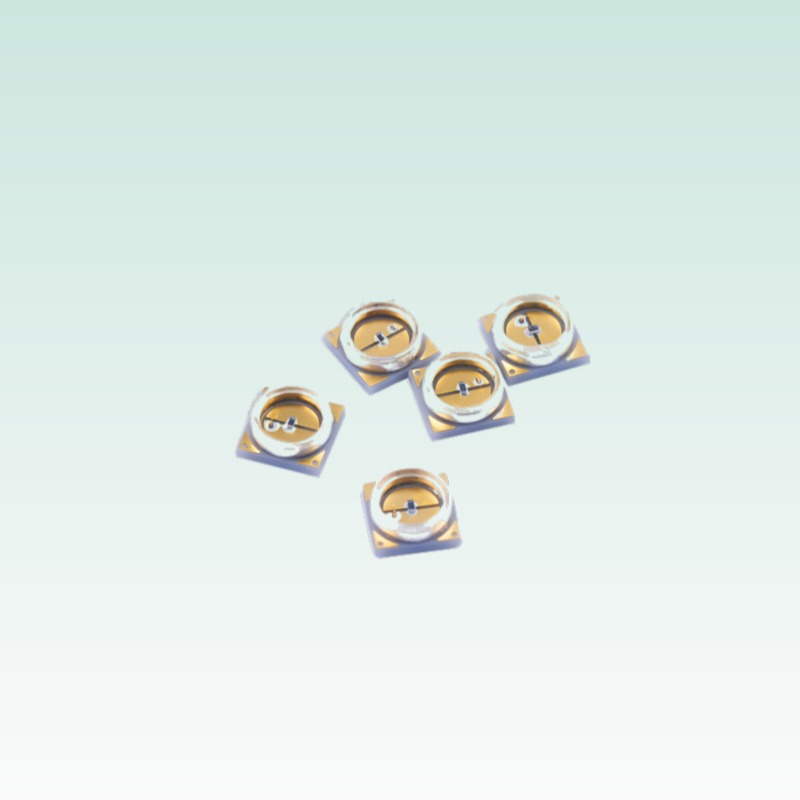
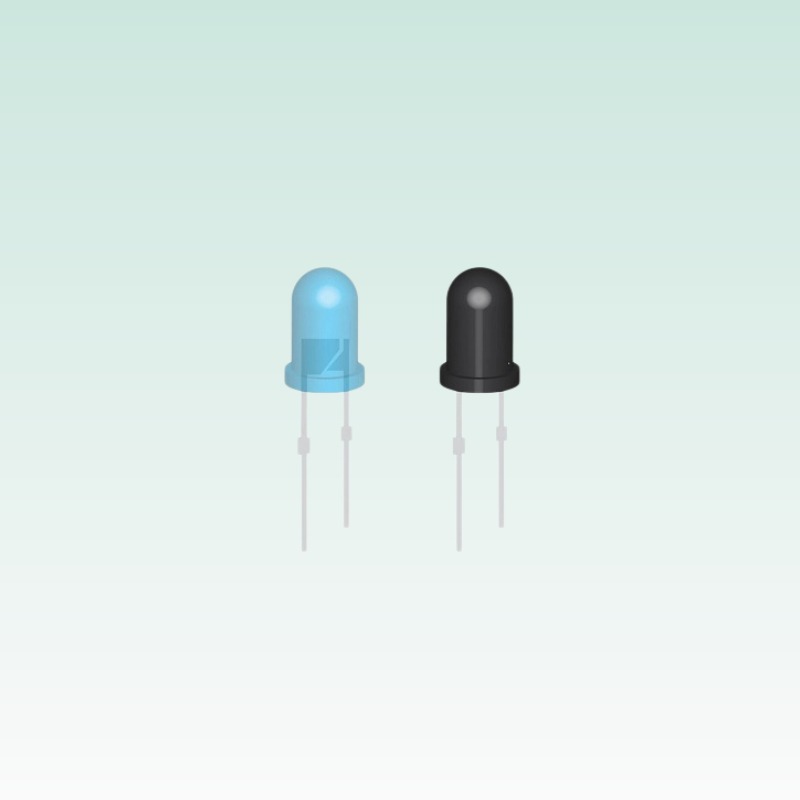
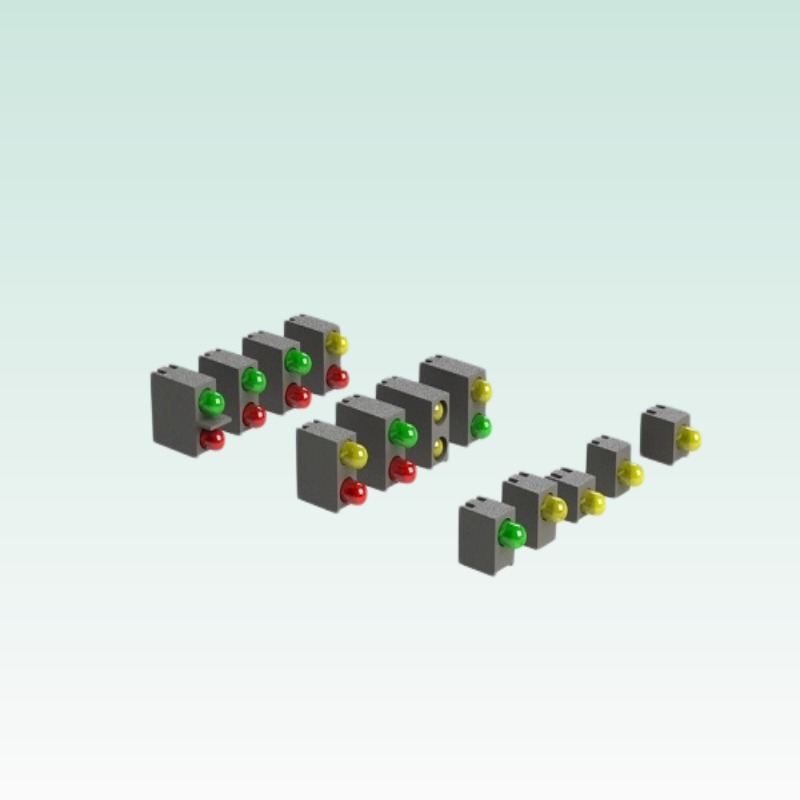


For AEC-Q102 automotive LED chips, ceramic packages are the default choice for exterior and high-current functions: adaptive driving beam (ADB) modules, laser-radar fill lights, daytime running lamps. The reason is not absolute superiority but mission profile — a 15-year service life with hundreds of temperature cycles between -40°C and +125°C, high vibration and moisture exposure. Polymer packages struggle to hold junction temperature, hermeticity and die-attach integrity across that envelope; fired ceramics do it with margin.
Thermal Conductivity: The First Differentiator
Ceramic substrates — alumina (Al2O3), aluminum nitride (AlN) and low-temperature co-fired ceramic (LTCC) — conduct heat at 18-35 W/m·K for alumina and 140-230 W/m·K for AlN. Silicone and epoxy/PPA molded packages instead rely on a lead frame, and reach effective junction-to-board thermal resistance several times higher. In ADB emitters running 2-5 W per package, that difference decides whether Tj stays inside the derating curve at coolant temperatures around 85°C. Form factors such as 3535 ceramic, 5050 and 7070 give the die a large thermal footprint and support high-current operation in compact optical modules.
Hermeticity and Moisture Failure Modes
Fired ceramic is virtually impermeable. Silicone allows moisture ingress; over years it corrodes pad metallization and raises leakage current. AEC-Q102 includes moisture-related stress groups and MSL handling classes precisely because absorbed water plus bias is a documented LED failure path: leakage current, electrochemical migration, bond pad corrosion. Ceramic packages pass these tests with wider margin and do not carry the encapsulant yellowing or cracking risk that plastics face under UV exposure.
CTE Match and Temperature Cycling
| Property | Ceramic (Al2O3 / AlN) | Silicone / epoxy package |
|---|---|---|
| Thermal conductivity | 18-35 / 140-230 W/m·K | lead-frame dependent |
| Hermeticity | near-impermeable | moisture ingress possible |
| CTE vs die and submount | low and matched | high mismatch, fatigue-prone |
| Typical per-emitter power | 2-5 W (ADB class) | below ~1 W |
| Common form factors | 3535, 5050, 7070 | small SMD mid-power |
| AEC-Q102 test margin | wide | narrower |
Silicon dies expand at about 2.6 ppm/K; alumina sits near 6-7 ppm/K, AlN at 4-5 ppm/K. Polymer packages expand several times faster, so every -40°C to +125°C cycle specified by the AEC-Q102 temperature cycling group works the solder joints and die attach. Over hundreds of cycles, CTE mismatch accumulates fatigue: cracked solder joints, delaminated die attach, drifting optical axis.
What AEC-Q102 Actually Requires
AEC-Q102 is the automotive qualification framework for LED discretes. Its stress groups cover temperature cycling, high-temperature operating life (HTOL), temperature-humidity-bias, ESD — Group E specifies HBM 2 kV and CDM 1 kV — plus solderability and UV exposure. The standard is what makes the ceramic-versus-silicone choice measurable: ceramic families pass with better margin at the current ratings automotive lighting demands. When sourcing, verify the supplier’s AEC-Q102 report covers the exact package family and current rating you plan to use, and confirm ESD classification and MSL level with your assembly line.
Where Silicone Still Wins
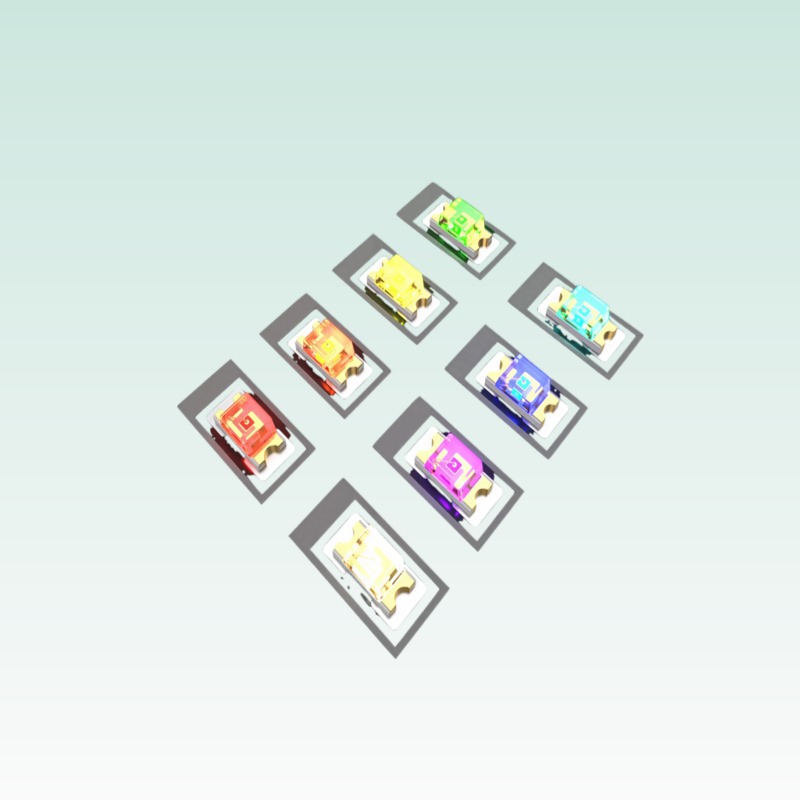
Interior ambient lighting, switch indicators and other low-power-density functions barely stress the package, and silicone or epoxy parts cost less while offering better fracture toughness. The selection rule for B-end buyers: exterior, high-current or safety-critical functions get AEC-Q102-qualified ceramic packages with the qualification report on file; low-power interior applications may accept silicone or epoxy at lower cost.
FAQ
Q: Does AEC-Q102 mandate ceramic packaging?
No. The standard defines stress tests, not materials. In practice, exterior high-current functions pass those tests with more margin in ceramic, which is why the industry converges on it for headlamps and ADB.
Q: Is ceramic worth the cost below 1 W per emitter?
Usually not. Mid-power polymer packages meet interior requirements at lower cost. The ceramic premium pays back where Tj, hermeticity and cycle life bind the design.
Q: What should I check in a supplier’s AEC-Q102 report?
Test group coverage for the exact package and current rating, ESD classification (HBM, CDM), MSL level, and the temperature-cycling profile against your application.
