

South Korea’s National Tax Service has expanded its smart farm investment tax credits to cover DALI-2 and Matter-compatible LED lighting systems. The revision treats networked, tunable lighting as approved agricultural technology rather than general-purpose hardware. Operators of plant factories and agricultural research facilities can now claim credits against systems that meet two conditions: verified building management system (BMS) integration and circadian programming capability.
What the revised credit covers
The updated schedule places DALI-2 and Matter lighting inside the approved agricultural technology categories, extending incentives beyond conventional fixtures to intelligent, networked lighting infrastructure (to be verified for final eligibility wording). DALI-2 is defined by the IEC 62386 standard family: every driver and sensor carries an address on a two-wire control bus, and devices from different vendors must interoperate. Matter, governed by the Connectivity Standards Alliance, adds IP-based interoperability between lighting, sensors, and controllers. A dual-protocol system can sit on the same control layer that already runs HVAC, CO2 dosing, and irrigation.
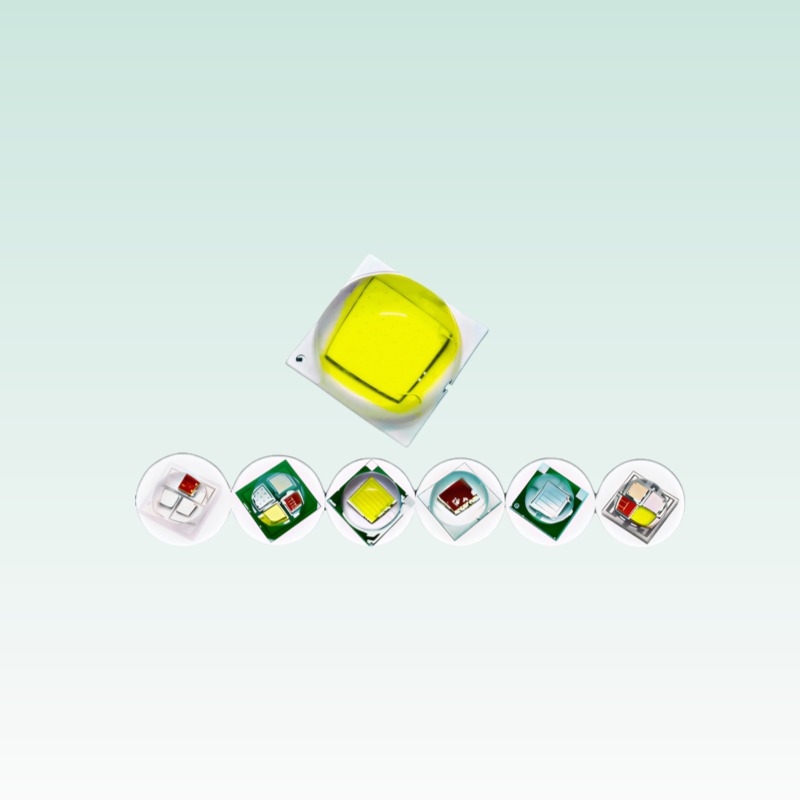
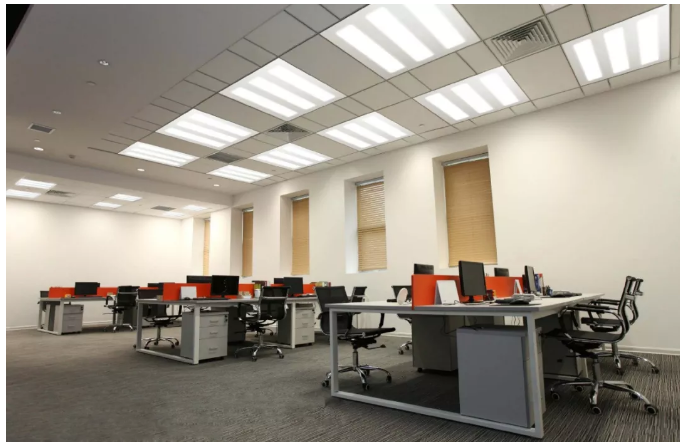
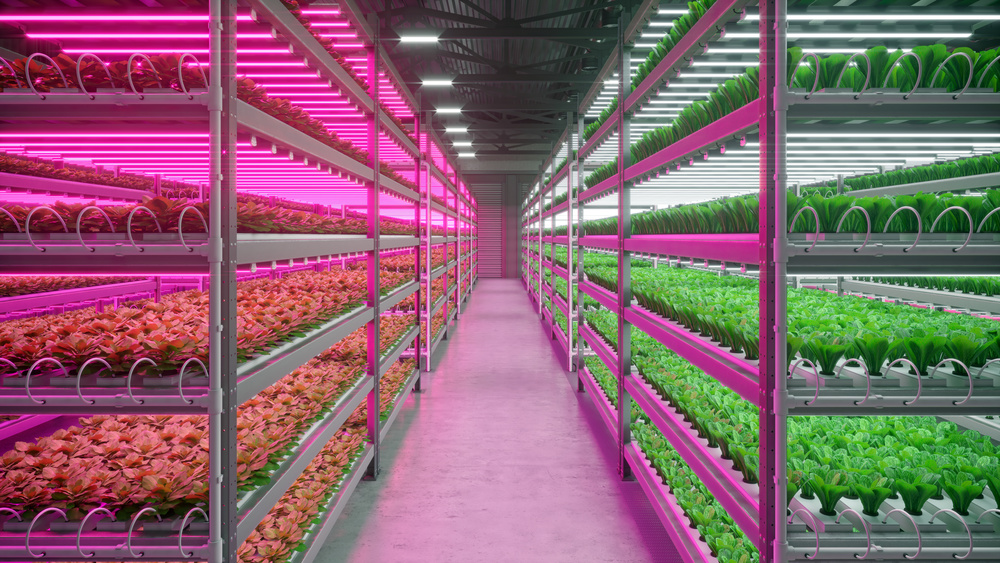
Tunable white fixtures spanning roughly 2700-6500K are the workhorse hardware. Human-centric lighting practice carries over directly: the same tunable-white engines used in offices now run crop schedules. In a leafy-green plant factory operating a 16 h photoperiod, spectrum and intensity shift between propagation, growth, and harvest stages. Programmable lighting turns those shifts into logged, repeatable setpoints instead of manual timer changes, which is what crop research reproducibility requires.
The two qualification conditions
Eligible systems must demonstrate verified integration with the facility’s building management system and provide circadian rhythm programming for crop research in controlled environment agriculture. The verb matters: “demonstrate” points to test records and certification, not datasheet claims.
| Requirement | What it means on site | Documentation to keep |
|---|---|---|
| BMS integration | DALI-2 (IEC 62386) or Matter devices report into the building management system | Integration test records, protocol certificates |
| Circadian programming | Control system schedules tunable-white or spectral changes for crop research | Commissioning report, programming logs |
| Verified capability | Qualification checked against certification rather than marketing claims | Third-party test reports (to be verified) |
The BMS clause aligns agricultural lighting with the control infrastructure already standard in commercial buildings. One data set then serves energy reporting, fault detection, and experiment records across the facility.
Why the conditions favor control-ready suppliers
Because eligibility requires integration and programming capability, procurement shifts toward manufacturers that deliver complete control ecosystems rather than standalone fixtures. Researchers gain reproducible photoperiod experiments, since schedules live in the BMS with time-stamped logs. Commercial operators gain labor and energy efficiency from unified environmental control: one platform dims walkways during harvest, staggers photoperiods across rooms, and records energy use per production cycle. The financial upside is concrete. Lighting is a major share of plant factory energy load, and DALI-2 reporting exposes per-fixture consumption, so operators can attribute kWh to each crop batch — data that feeds both audit files and tax filings. Public support for controlled environment agriculture is long-standing in Korea, and the credit now reaches into operational technology such as lighting controls (to be verified).
What buyers and suppliers should prepare
- Confirm protocol certification: request DALI-2 test reports under IEC 62386 and Matter certification identifiers, not vendor assertions.
- Ask suppliers to demonstrate circadian programming and BMS integration in a documented, repeatable format before purchase.
- Verify that tax credit eligibility conditions stay satisfied across the equipment life cycle, including control software updates.
- International suppliers entering Korea face a quality-driven market with clear technical entry requirements; documentation readiness decides tender outcomes (to be verified).
- For tenders, require a written statement of which components — drivers, sensors, gateways — fall within the credit-eligible package, so invoices map cleanly onto the approved categories.
Key Takeaways
- South Korea’s smart farm tax credits now recognize DALI-2 and Matter-compatible LED systems as approved agricultural technology.
- Qualification requires verified BMS integration plus circadian programming capability for crop research.
- Buyers should collect protocol certificates and integration records before committing to multi-year plant factory installations.
Fact-check status: source list pending
