

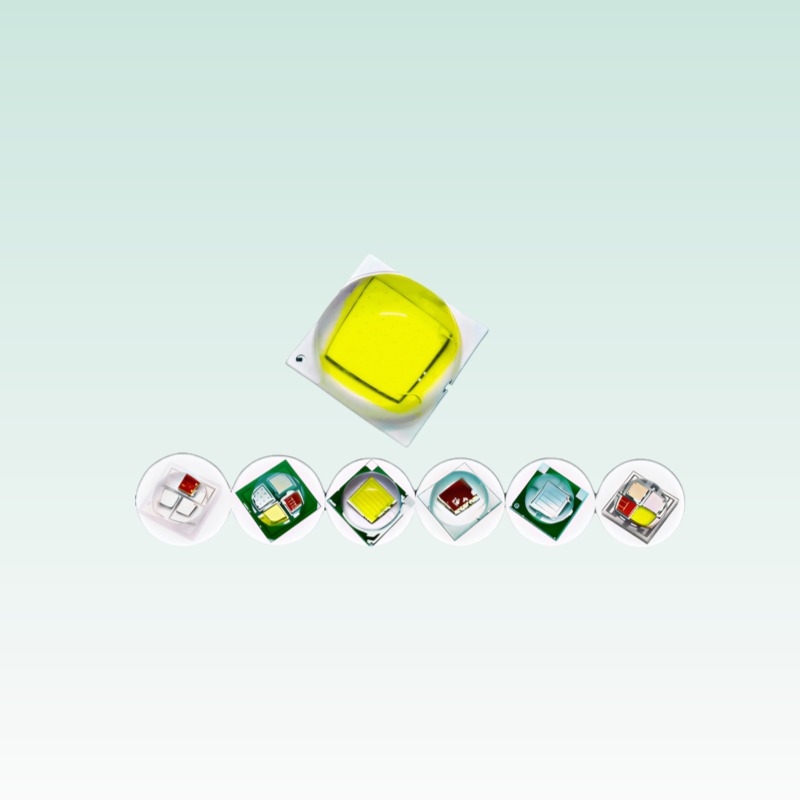








India has extended its Production Linked Incentive (PLI) scheme to include LED chip packaging operations and horticultural fixture assembly within approved manufacturing categories. The policy reads as deliberate, not opportunistic: output-linked payments now target specialty LED manufacturing — SWIR chips, UVA 365nm curing systems, ceramic-substrate packaging — rather than commodity volume assembly. The intent is to attract investment that might otherwise flow to established hubs elsewhere in Asia.
What the extended coverage includes
The revised PLI coverage lists four segments that matter to LED buyers:
| Approved segment | Product focus | Why it made the list |
|---|---|---|
| Chip packaging | SWIR LED chips for food sorting | Wavelength specialization beats lumen volume |
| UVA systems | 365nm industrial curing | High-margin industrial processing demand |
| Substrates | Ceramic LED packaging lines | Builds depth beyond assembly-only work |
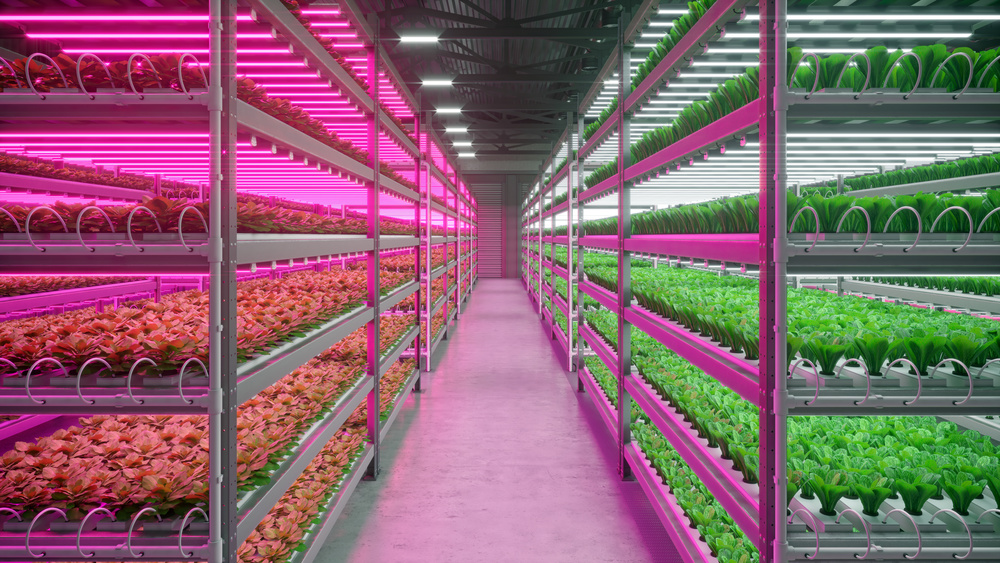
| Fixtures | Horticultural grow lights | Ties into domestic greenhouse policy |
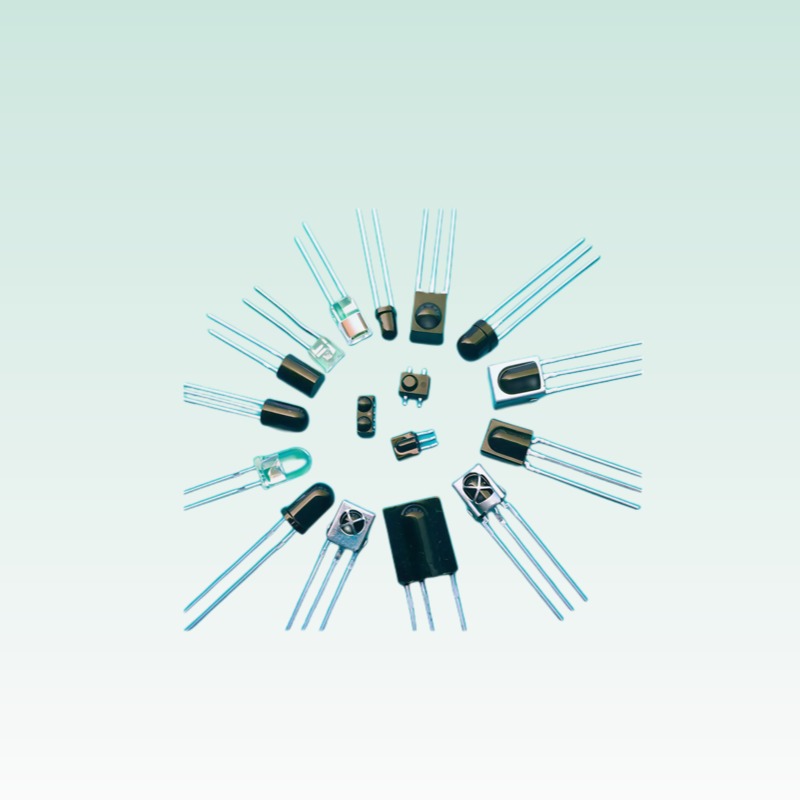
SWIR — short-wave infrared — sits roughly between 1000 and 1700 nm and reveals moisture, bruising, and foreign objects that visible-light cameras miss, which is why food sorting lines pay a premium for it. UVA 365nm systems cure adhesives, coatings, and inks across printing and electronics production. Both segments compete on wavelength precision and reliability rather than raw lumens, so packaging quality — die attach, phosphor or filter application, thermal design — decides who wins orders.
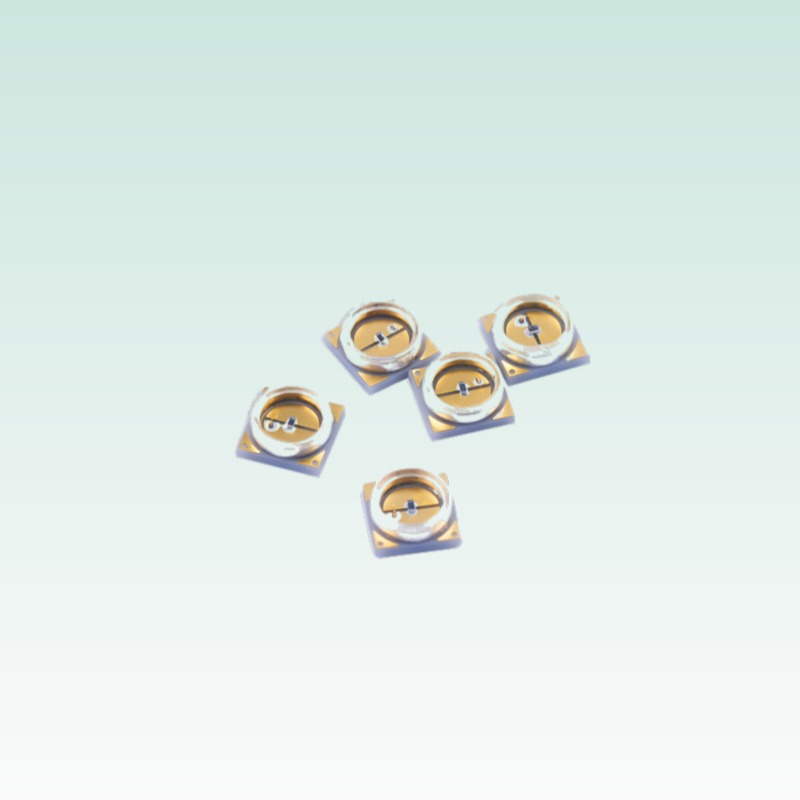
Ceramic packaging earns its place for a practical reason: ceramic substrates dissipate heat better than plastic composites, which protects photon output and operating life in SWIR and UVA devices that run hot. Packaging lines able to handle ceramic — the ovens, die attach, and wire or flip-chip bonding that implies — are exactly the assets the policy wants on Indian soil. For comparison, commodity SMD packaging lines compete on fractions of a cent per unit; the scheme steers capital away from that fight.
How the incentive structure works
Companies establishing approved packaging lines for ceramic LED substrates and grow light facilities receive tiered payments tied to incremental sales performance and demonstrated local value addition. Three mechanics stand out for planning:
- Payments follow incremental sales over a defined base year rather than upfront capital grants (to be verified for final figures).
- Local value addition thresholds reward facilities that process substrates, attach die, apply phosphor or filters, and run finished-product testing in India.
- Assembly-only operations that import components and screw fixtures together will struggle to clear the bar.
- Tiered design means larger incremental sales unlock higher payment rates, so capacity planning deserves early modeling against the scheme schedule (to be verified).
Approved manufacturers therefore need genuinely functional production infrastructure. That raises the entry cost, and it also raises the credibility of anyone who qualifies.
What changes for buyers and Indian industry
As PLI-supported capacity comes online, global buyers gain an additional qualified sourcing region for ceramic-packaged LEDs and horticultural fixtures. Indian system integrators gain component availability and local technical support for food processing, industrial curing, and greenhouse projects. Buyers in food processing get a second qualification path for SWIR sorters; pharma and electronics plants get a regional option for 365nm UV curing equipment. For Indian operators, the scheme also shortens the service loop: a domestic packaging line means shorter lead times on replacement chips and fixtures (to be verified). Domestic greenhouse development, backed by parallel agricultural policy, provides a natural demand base for certified grow lighting produced under the scheme.
The realistic timeline is slower than the headline: qualification and ramp-up take time, and approved-status announcements are still working through the pipeline. Incentive-linked pricing pressure should build as approved capacity scales through 2026 and beyond (to be verified).
What procurement teams should do now
- Track which manufacturers reach approved status and start supplier qualification early, ahead of the crowd.
- Audit candidate lines for the capability signals the scheme rewards: substrate processing, die attach, in-house testing labs.
- Treat India as a sourcing diversification play, not a replacement — run dual sourcing while new capacity matures.
Key Takeaways
- India’s PLI extension adds LED chip packaging, ceramic substrates, UVA 365nm curing, and horticultural fixture assembly to approved categories.
- Tiered payments follow incremental sales and local value addition, favoring real production depth over assembly-only plants.
- Procurement teams should track approved-status announcements and begin early supplier qualification for 2026 sourcing rounds.
Fact-check status: source list pending
Related reading
- how Brazil’s ANVISA recognises UVC 254nm sterilisation systems
- more trade policy coverage in Industry News
