










Optical imaging is the process of converting optical information on an object into an image through an optical system. An optical system is composed of multiple optical devices, such as lenses, prisms, reflectors, etc., the most basic of which is a lens. The imaging principle of LED Optical Systems is based on the basic laws of light propagation, refraction, and reflection, und die imaging of objects is achieved through the combination of lenses and optical devices.

Das Abbildungsprinzip optischer LED-Systeme kann in zwei Situationen unterteilt werden: das Abbildungsprinzip mit konvexen Linsen und das Abbildungsprinzip mit konkaven Linsen.
Das Prinzip der konkav-konvexen Linsenabbildung
The principle of convex lens imaging mainly involves the direction of the image. When the object is located on the left side of the lens focus, the image formed by the refraction of light through the lens is located on the right side of the lens; When the object is located on the right side of the lens focus, the image formed by the refraction of light through the lens is located on the left side of the lens. If the object is located at the focal point of the lens, the light rays after imaging will be parallel und diere will be no deviation in the light path.
Auch das Prinzip der konkaven Linsenabbildung ist ähnlich. Aufgrund der sphärischen Aberration von Konkavlinsen werden sie in der Praxis jedoch selten eingesetzt.
Ausbreitung des Lichtweges
The basis of imaging principle is the propagation of incident light along a traceable optical path. The factors that affect the optical path in LED Optical Systems include the refractive index of imaging optical devices, the possible scattering of light when passing through optical devices, and so on. We can predict the propagation and imaging of light in optical devices through classical geometrical optics or radiation metrology.
The imaging principle of LED Optical Systems is based on the basic laws of light propagation, refraction, and reflection, und die combination of optical devices such as lenses is used to achieve the imaging of objects. Understanding and mastering the imaging principles of LED Optical Systems is of great significance for the design and application of LED Optical Systems.
Prinzipien der optischen LED-Bildgebung
LED-Optiksysteme wandeln elektrische Signale in präzise kontrollierte Lichtmuster um Hochleistungs-LED-Chips, Linsen und Reflektoren. Unser Ingenieurteam entwickelt maßgeschneiderte optische Lösungen für industrielle Inspektions- und medizinische Bildgebungsanwendungen.
Linsen- und Reflektordesign
Wir bieten LED-Komponenten mit maßgeschneiderter Sekundäroptik einschließlich TIR-Linsen, Reflektorbechern und Diffusoren. Diese optischen Elemente steuern Strahlwinkel von 8° Spot bis 120° Flood für präzise Beleuchtungsmuster.
Industrielle und medizinische Anwendungen
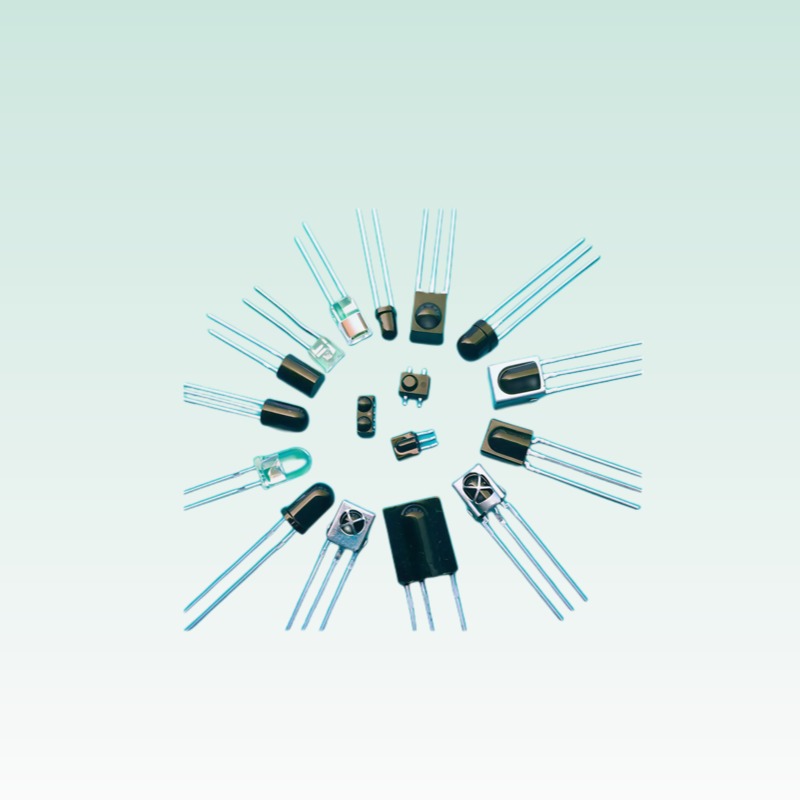
Our LED-Optiksysteme leistungsstarke Bildverarbeitungskameras, medizinische Endoskope und Fluoreszenzmikroskope. Der UV-LED-Module and IR-Strahler Unterstützung spezieller Bildgebungsanforderungen.
Optische Systemprodukte
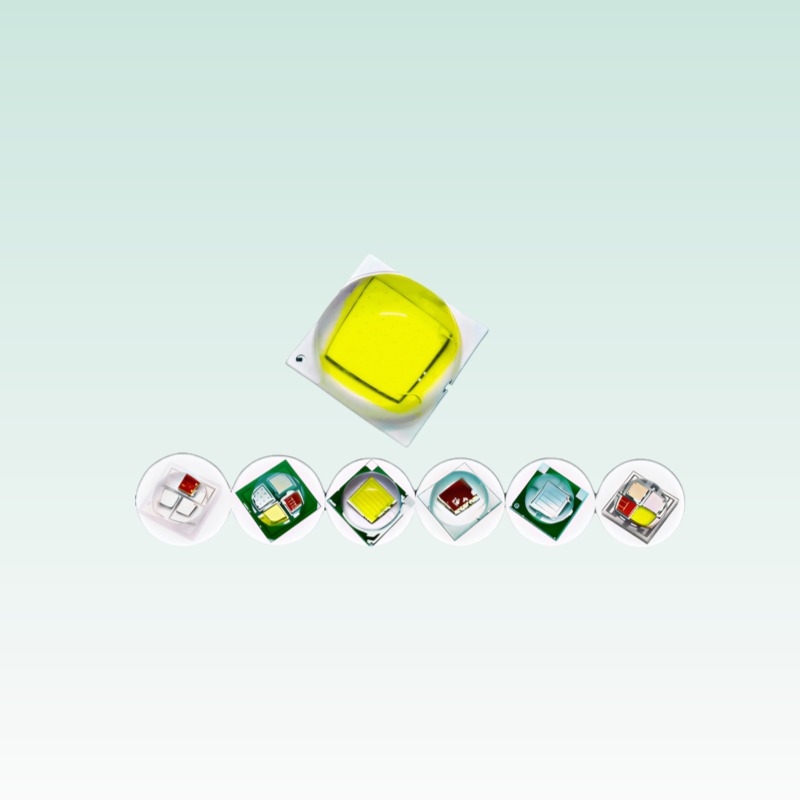
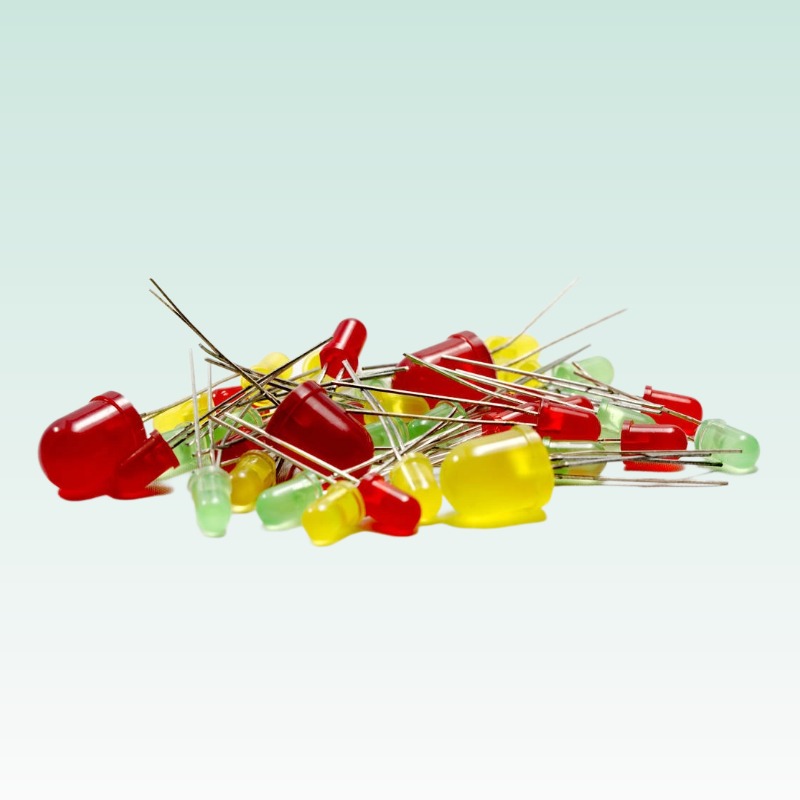
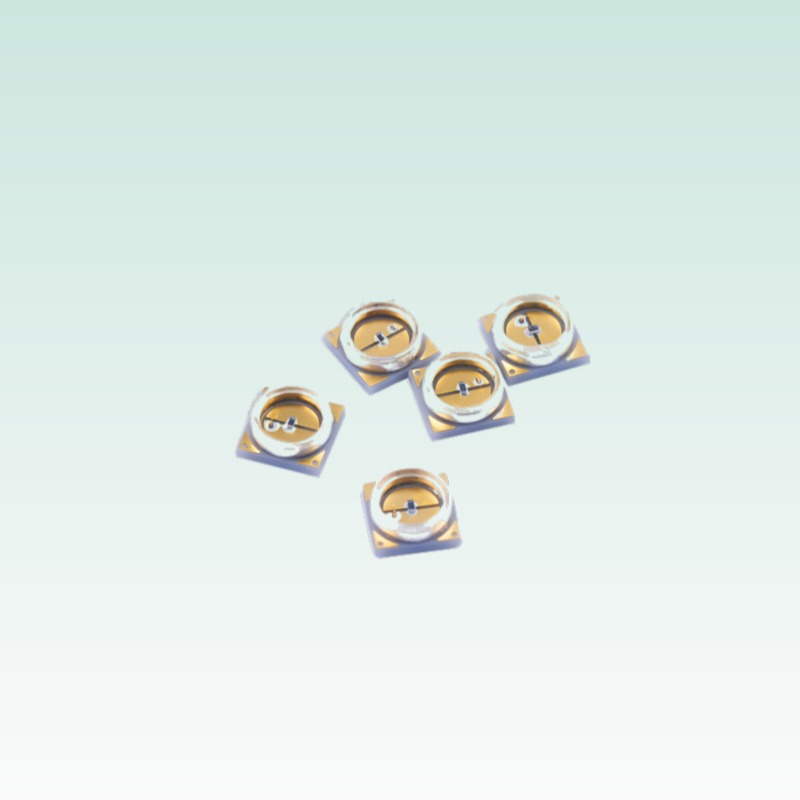
Stöbern Sie in unserem LED-Chip-Katalog mit Komponenten in optischer Qualität. Aus SMD-LEDs mit integrierten Linsen dazu Hochleistungs-ArraysWir unterstützen Sie bei der Gestaltung optischer Systeme.
Prinzipien des Reflektordesigns
Parabolische und elliptische Reflektorgeometrien für kollimierte LED-Strahlen.
Linsenarray-Konfigurationen
Sekundäroptik einschließlich TIR-Linsen und Mikrolinsenarrays.
Strahlwinkelsteuerung
Einstellbare LED-Optiksysteme mit Abstrahlwinkeln von 15° bis 120°.