







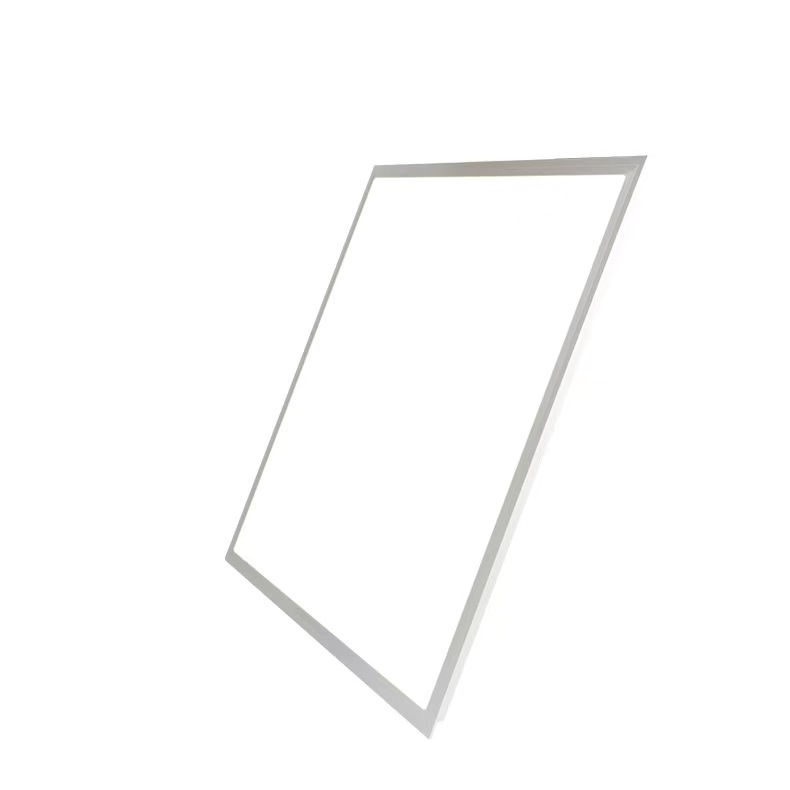
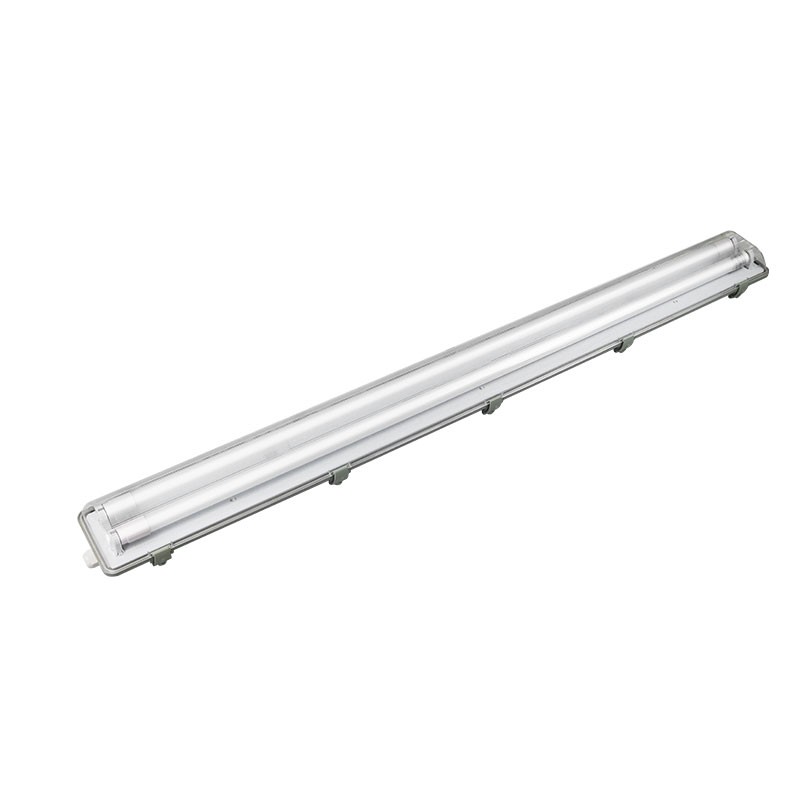
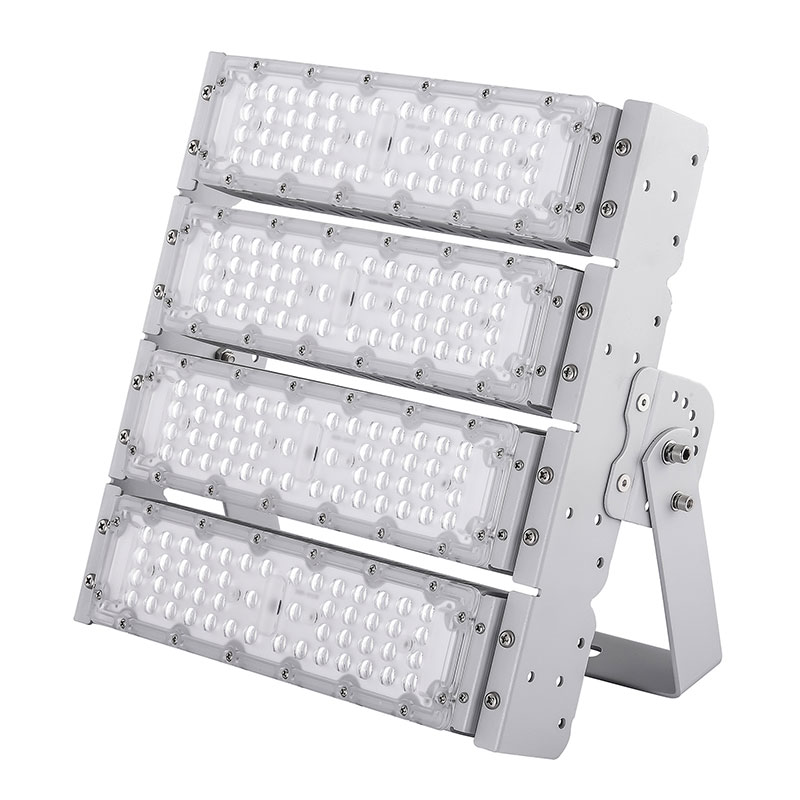


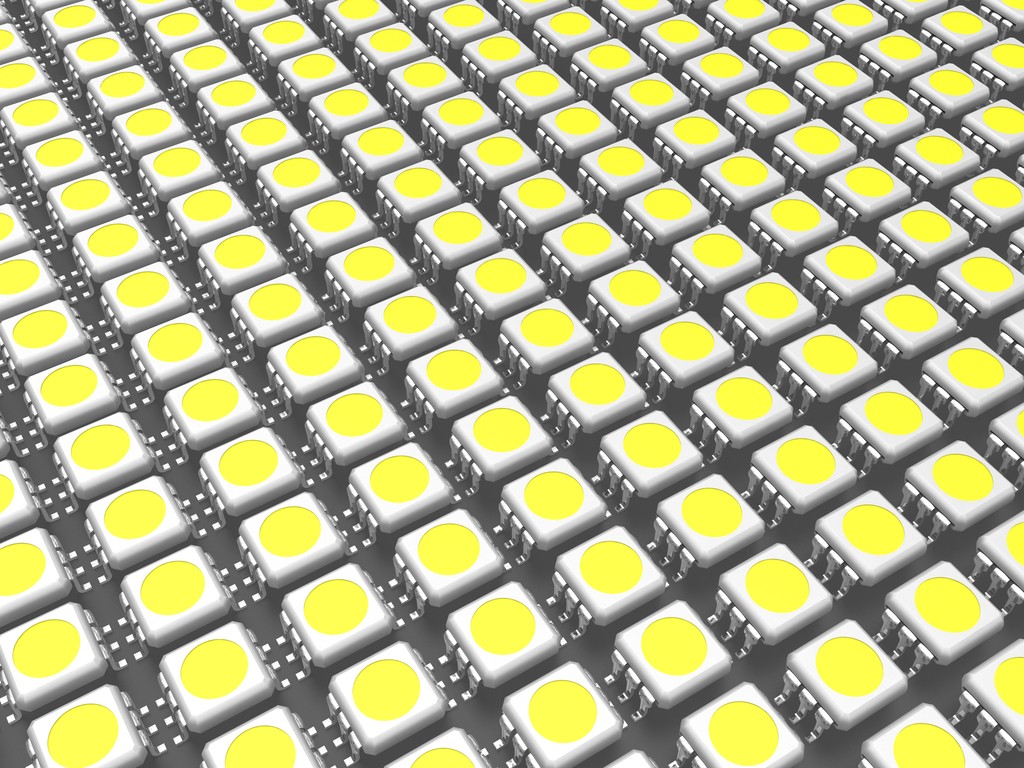
SMD LED is a surface mounted lamp bead suitable for various electronic circuit applications such as indicator lights, lighting, and displays. In daily use, its wavelength, brightness, appearance, and other parameters have certain classifications.
Category Archives: News
Queendom is a product information exchange website for you to recommend and exchange LED news, LED products, LED technology, LED manufacturing, LED market, and LED applications. welcome to communicate
LED Diode Q&A
Does UV LEDs have a disinfection effect? What should I pay attention to when using UV LEDs?
17
Apr
Apr
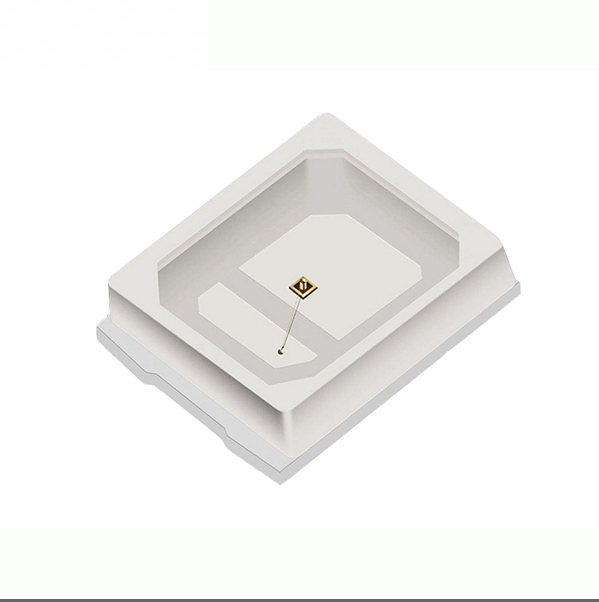
UV LED is a device that uses UV radiation for sterilization and disinfection. After a certain period of exposure, it can kill bacteria and viruses, and has a good disinfection effect. So what is its disinfection effect? What should I pay attention to when using? Let’s take a look together. The disinfection principle of UV LEDs Firstly, the disinfection principle of UV LEDs is based on the bactericidal effect of UV radiation. UV radiation is a high-energy electromagnetic wave with short wavelengths and strong penetration, which can damage the DNA structure of bacteria and viruses, making them unable to replicate and grow, achieving the effect of sterilization and disinfection. Pay attention to these when using UV LEDs Secondly, there are several points to pay attention to when using UV LEDs. Before use, the surface of the lamp should be cleaned and free from dust and dirt; When using, glasses should be worn to avoid direct exposure of the eyes to UV radiation; Before use, all indoor light sources should be turned off and the indoor color should be kept dark; The irradiation time needs to be determined based on the object and environment, generally ranging from 15 to 30 minutes or even longer; Do not let pets enter during the irradiation process to avoid adverse effects. In addition, UV LEDs are also divided into three wavelengths: UVA, UVB, and UVC. Among them, UV LEDs with UVC wavelength can kill most viruses and bacteria and are the most commonly used disinfection tool. However, it should be noted that UVC UV LEDs can cause damage to the skin and eyes if the exposure time is too long or the exposure distance is not appropriate. In summary, UV LEDs have excellent disinfection effects. When using them, it is necessary to pay attention to disinfecting objects, irradiation time, and not excessively exposing skin to UV LEDs. At the same time, when choosing and purchasing UV LEDs, products with good quality and high safety should be chosen.
15
Apr
Apr
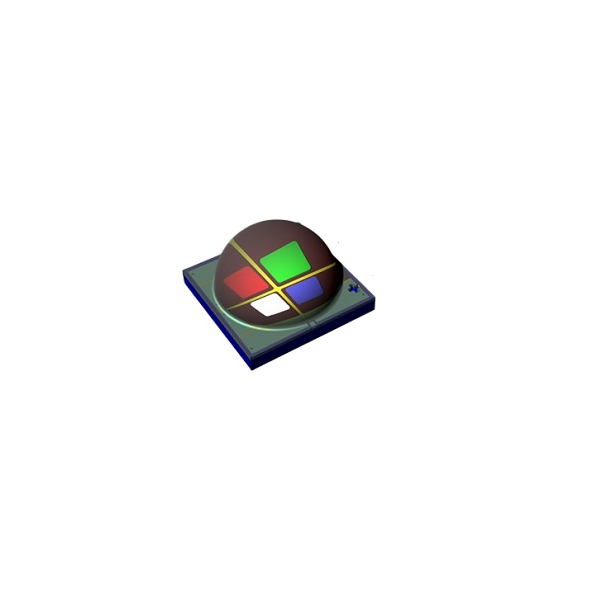
With people’s pursuit of green environmental protection and efficient energy conservation, high power LEDs has become a development trend in the lighting industry. What are the characteristics and principles of high power LEDs? Let’s take a look together. Compared to ordinary LED lamps, high power LEDs A high power LED is a semiconductor device that has higher power and light output compared to ordinary LEDs, typically above 1 watt. This also makes it widely used in fields such as lighting, car lights, and signal lights. The working principle of high power LEDs The working principle of high power LEDs are similar to that of ordinary LEDs. When a voltage is applied forward through its two electrodes, a p-n junction is formed in the area where they come into contact. In the p-n junction, electrons and holes recombine, releasing energy and producing photons. The energy and wavelength of such photons depend on the properties of the semiconductor material. The semiconductor materials used in high power LEDs are usually III-V semiconductor materials with a wide bandgap of gallium phosphide and a direct transition to the bandgap. So, what are the differences between high power LEDs and ordinary LEDs? There are two main differences here. Firstly, high power LEDs can withstand higher currents and power, thus generating stronger optical output. Secondly, high-power LEDs typically use multiple light-emitting chips and lenses to achieve higher light output and a wider illumination range. This design can also effectively reduce light attenuation and improve service life. So high power LEDs have the advantages of high efficiency, energy conservation, long lifespan, and environmental protection, and play a significant role in the lighting and electronics industries in daily life.

14
Apr
Apr
PCR Optics LED Lens Tube is an optical component used in PCR fluorescence analyzers, medical PCR Optics systems, etc. Queendom launches pcr optics led
17
Mar
Mar
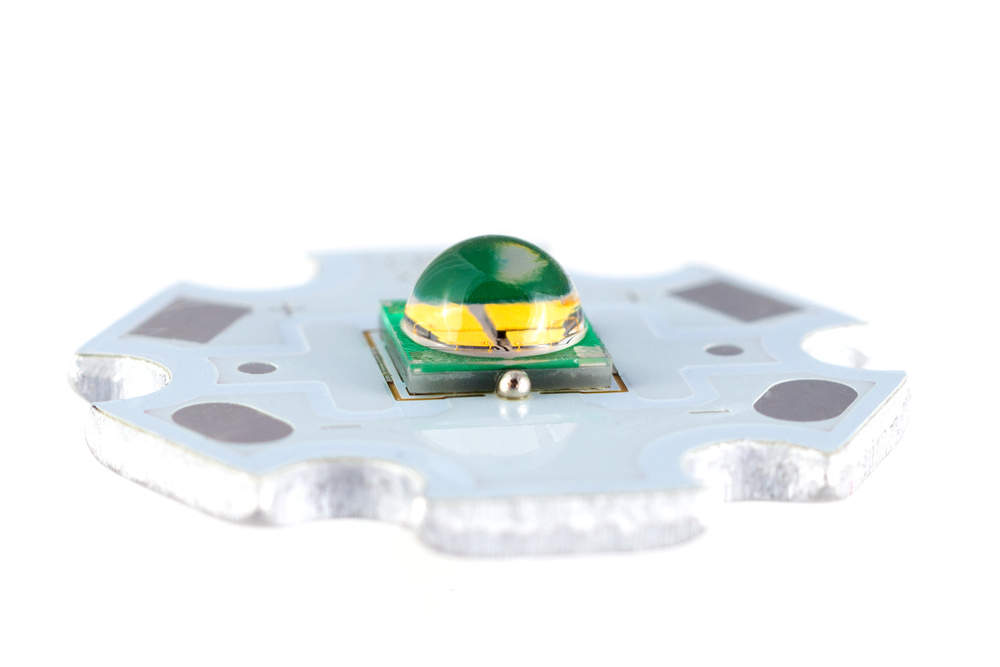
Package size of 7070 SMD high-power ceramic LED: 7mm*7mm*1.0mm, 3.0-12V, current 350mA-1500MA. The special heat dissipation design makes the heat of the chip be exported instantly, effectively prolonging the service life of the product. The heat conduction speed of this product is 10 times that of imitation lumen.
09
Mar
Mar
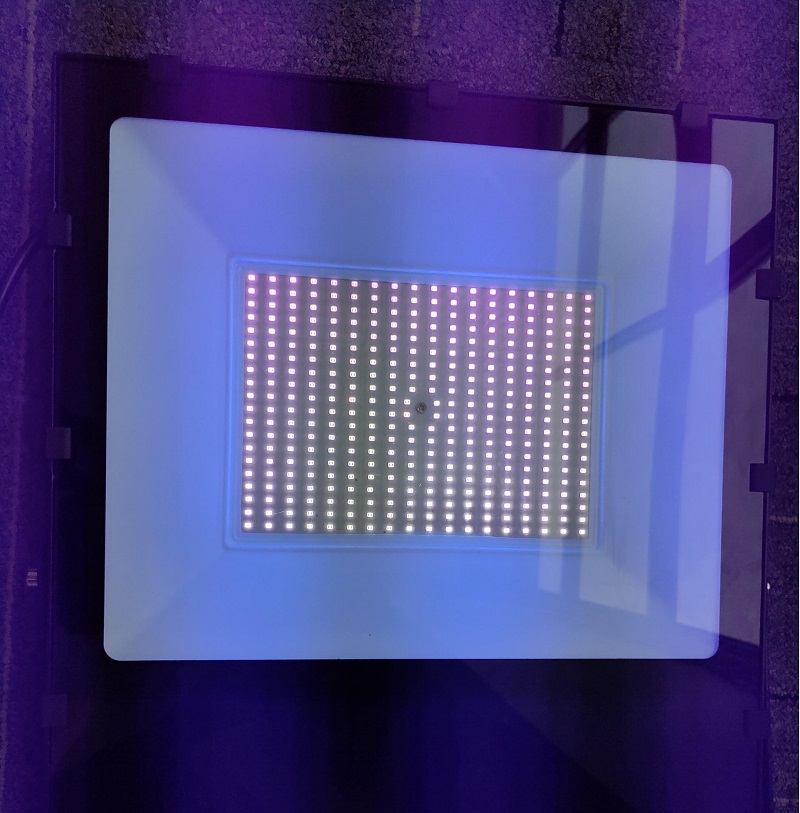
Also known as a curing lamp or an ultraviolet lamp, and a lamp that emits ultraviolet rays is called a UV curing lamp because ultraviolet rays (ultraviolet rays) have a curing effect. The curing here refers to UV curing of UV resin, and ultraviolet rays can cure UV resin (ink, UV coating, UV glue, UV varnish, etc.).
22
Feb
Feb
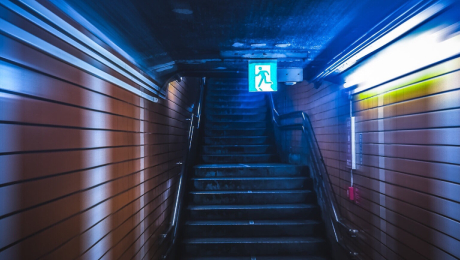
Introduction LED emergency light is a type of lighting that uses light-emitting diodes (LEDs) to provide illumination in the event of a power outage. LED emergency lights are typically used in commercial and industrial settings, as they are more energy-efficient and have a longer lifespan than traditional incandescent bulbs. What is an LED emergency light? An LED emergency light is a lighting system that utilizes LED technology to provide illumination in the event of a power outage. LED emergency lights are typically used in commercial and industrial settings, as they have the potential to last longer and use less energy than traditional incandescent bulbs. With this in mind, LED emergency lights are ideal for any situation where immediate lighting is needed. They typically come in a variety of sizes and styles, making them suitable for any environment. LED emergency lights are also known for their reliability and durability, making them a viable option for a variety of applications. How does an LED emergency light work? An LED emergency light is designed to detect when power is cut off from the main source. Upon detecting a power outage, the LED emergency light will turn on, providing illumination for a predetermined amount of time. The amount of time the LED emergency light will remain on after detecting a power outage can be customized based on the size of the battery and other components in the system. Typically, LED emergency lights will be able to provide illumination for up to 24 hours, depending on the size of the battery and the setup of the system. Beyond that, LED emergency lights are also designed to remain off until they sense a power failure. This allows the lights to remain off during the day or night, conserving power until they’re needed most. The benefits of LED emergency lights LED emergency lights are known for their energy efficiency and long lifespan. These lights typically require less energy to power than traditional incandescent bulbs, while also being able to last up to 24 times longer. Furthermore, LED emergency lights are known for their superior illumination and brightness. Meanwhile, LED emergency lights are also known for their reliability, as they are less likely to fail or malfunction during high-pressure situations. This makes them an ideal option for commercial and industrial settings, where consistent lighting is essential. The disadvantages of LED emergency lights The main disadvantage of LED emergency lights is their high upfront cost. LED lights typically require a higher-than-average initial investment, due to the advanced design and components needed to produce the emergency illumination. Additionally, LED emergency lights require high levels of battery power in order to provide consistent illumination, making them potentially less efficient than other types of lighting systems. How to choose the right LED emergency light When choosing an LED emergency light, it’s important to consider the size and style of the light, as well as the amount of power and illumination it can provide. Additionally, you should also factor in the reliability of the system, and how long the emergency light is designed to last. You should also consider the setup of the system, as some models require the installation of additional components. In this case, it’s important to make sure that the additional components are compatible with the system and the environment where the light will be used. Conclusion LED emergency lights are an excellent choice for commercial and industrial settings, due to their energy efficiency, long lifespan, and superior illumination. However, they do tend to require a higher upfront investment than traditional incandescent bulbs. With this in mind, it’s essential to consider all of the factors involved when choosing an LED emergency light, in order to ensure that you’re getting the best system for your needs.
22
Feb
Feb
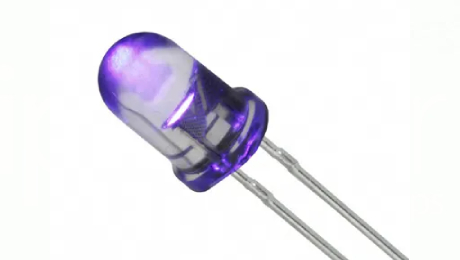
Introduction UV LEDs are light-emitting diodes that emit ultraviolet light. These devices have a wide range of applications, from disinfecting surfaces to curing UV-sensitive materials. UV LEDs are becoming increasingly popular due to their many benefits, including low power consumption, long lifetime, and compact size. What are UV LEDs used for? UV LEDs are widely used in various applications that involve the generation, detection, and measurement of ultraviolet light. This can range from medical diagnosis to plant health monitoring. UV LEDs are also used for electronic document authentication, and in security and forensic applications. They can be used for disinfection and purification of water, air, and surfaces, as well as for curing of UV-sensitive materials such as adhesives and coatings. UV LEDs also have applications in general lighting, such as for curing nail polish and for blacklight entertainment lighting. UV LEDs are also increasingly being used in UV-C lighting, which is used for disinfection of surfaces, air, and water. These UV-C LEDs emit light at wavelengths of between 200 nm and 280 nm, which is ideal for germicidal irradiation and other such applications. What are the benefits of UV LEDs? UV LEDs have a number of significant benefits over traditional UV light sources. The most notable of these benefits is the low power consumption, which makes them ideal for battery-powered applications. The low power requirements also reduce the thermal load and associated power losses. UV LEDs have a long lifetime and are highly reliable, making them suitable for both commercial and industrial applications. Additionally, UV LEDs are also very compact, making them suitable for use in space-constrained applications. The small size allows for easier integration into existing systems and aids in thermal management, as the small size produces less heat. Another major benefit of UV LEDs is the decreased chance of accidental exposure to the UV light, due to their small size and the lower intensity of the emitted light than traditional UV light sources. What are the challenges of working with UV LEDs? Despite the many benefits, working with UV LEDs can be a challenge due to potential health risks. The UV light emitted from UV LEDs can cause skin and eye damage if not handled properly. Special safety procedures and precautions must be taken when working with UV LEDs, such as the use of UV-protective eyewear and other protective equipment. UV LEDs can also be more susceptible to damage due to the low voltage and current requirements. To minimize the risk of damage, it is important to use a suitable driver circuit that is specifically designed for UV LEDs. Another challenge with UV LEDs is the frequent need for cooling, as the small size of the LEDs generates more heat than traditional UV light sources. How to get started with UV LEDs Due to the potential safety and maintenance risks associated with UV LEDs, it is important to follow best practices and use the right products for the required application. First, the UV wavelength should be selected according to the specific application and the desired power output. It is also important to select a driver circuit that is suitable for the UV LED, as the wrong driver can cause premature failure. For maintaining a safe environment while using UV LEDs, it is important to always follow the safety guidelines and use the necessary protective equipment, such as UV-protective eyewear. It is also important to ensure adequate cooling of the LED to prevent damage and reduce the risk of fire. Conclusion UV LEDs are increasingly popular due to their many benefits, such as low power consumption, long lifetime, and compact size. However, it is important to understand the potential risks when working with them and to use the appropriate protective equipment and driver circuits. By following these tips, it is possible to safely and reliably use UV LEDs in a wide range of applications.
22
Feb
Feb
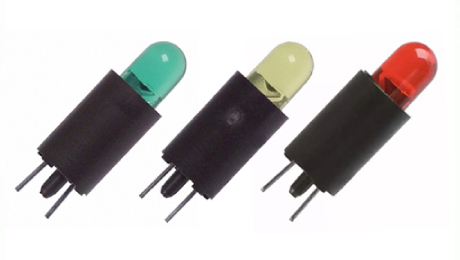
Introduction Circuit board indicator LEDs are an economical and straightforward solution for providing onboard power, control, or activity indications in many different types of electronic systems. These lighting components are used to indicate power status, device on/off conditions, and to show when a particular feature is activated. What are circuit board indicator LEDs? Circuit board indicator LEDs are small, low-power devices typically used to provide visual feedback in electronic devices. They can be used to alert a user that power is present, inform the user when a device is turned on, indicate the operation of certain functions, or even provide light for a display. They come in various colors and sizes, but they typically consist of a base, a light-emitting diode, and a lens. The lens can be clear, diffused, color-tinted, or even reflective, depending on the application. The base can be either soldered directly to the circuit board or mounted on a bracket to produce a remote indicator. How do they work? Circuit board indicator LEDs are typically used in pulsed application, meaning that they turn on and off quickly. This is because the LEDs require current flowing through them in order to produce light, and current dissipates over time unless regularly refreshed. So when a circuit board indicator LED is turned on, it typically draws a certain amount of current, and then automatically shuts off after a certain amount of time. This process can repeat over and over, depending on the application. What are the benefits of using them? The primary benefit of using circuit board indicator LEDs is their low cost, simple design, and ease of use. They are extremely low-power and reliable, and can be used to indicate the status of a device or a function of a device. They also provide a visual display that can provide feedback to users and alert them to changes in the system. How to choose the right one for your project? When choosing the right circuit board indicator LED for your project, there are a few things to consider. First, you need to think about what type of light output you need. Depending on the application, you may need a bright, diffuse light, or a more subtle, dim light. You also need to consider the size, shape and voltage rating. Choose the LED with the correct voltage and current rating for your application. Finally, you need to think about the color you need. Different colors have different meaning and indicate certain functions. Conclusion Using circuit board indicator LEDs is an effective, reliable, and cost effective solution to many situations. They provide visual cues that information can help guide users and show the current status of a device. But when choosing the right LED for your project, you need to consider the size, voltage, color, and brightness of the LED, in order to ensure that it meets your needs.
22
Feb
Feb
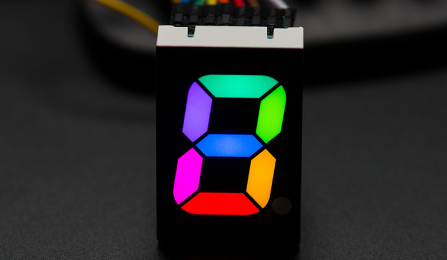
A 7-segment display is an electronic device that can be used to display numbers and some letters. Different letters/numbers can be represented by connecting different pins on the display to batteries that turn on the LED in parallel. A 7-segment display is an older optoelectronic display device primarily used to display letters and numbers. As the name suggests, these displays consist of seven sections that can be switched on and off to display the desired number or letter. Each part of the display is usually a single LED or liquid crystal. These displays are widely used in electronic counters, digital clocks, home appliance displays, simple calculators, automobiles, and various electronic devices that display digital data. Why are 7-segment displays important? So it’s all about seven-segment displays, types of seven-segment displays, and how to control the position of a seven-segment display, but seven-segment displays are still a great place to start learning about display technology. For this reason, common-anode seven-segment displays are very popular because many logic circuits draw more current than they can source. These displays are not a direct circuit replacement for common anode displays as this is the same as connecting the LEDs in reverse so no light emission will occur. According to the displayed decimal number, the corresponding LED group is forward biased. For example, to display the number 0, we need to light up the segments corresponding to the remaining a, b, c, d, e, f. The numbers 0 to 9 can then be displayed with a seven-segment display. How do 7-segment displays work? Seven segment display interfaced with Arduino is used to easily display 0 to 9 digits. Therefore, these indicators are mostly used in larger electronic projects such as alarm clocks, object counters, timer circuits, digital clocks, etc. A 7-segment display with 7 LEDs arranged to display the numbers 0-9. The 7-segment display is connected to the microcontroller like an LED (ie in series with a current limiting resistor). The only difference is that they have 8 pins instead of 2, since each of the 7 LEDs has its own pin as well as a common cathode or anode pin.
21
Feb
Feb
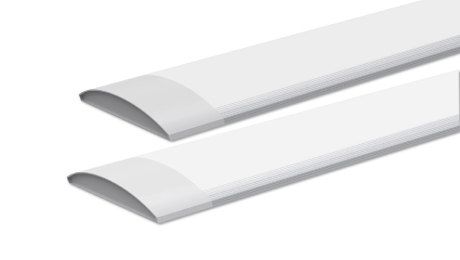
LED purification lights can continuously generate negative ions to make the air fresh and clean. It can effectively eliminate smoke and odor in the air, and kill germs and viruses. LED purification lamp is a perfect combination of miniaturized complex equipment that generates negative ions and high-efficiency energy-saving lamps. When the light is irradiated, it can generate a large number of negative ions to spread in the space, so as to eliminate smoke, dust, odor, disinfection, sterilization and pollution, etc. It is widely used in hotels, hotels, offices, conference rooms, families and teahouses, It is an excellent product for improving air quality and eliminating harmful gases such as formaldehyde and benzene in karaoke halls and Internet cafes. Principle The working principle of the LED purification lamp is that it stimulates a large number of negative ions, which can quickly purify the smoke and particle pollutants suspended in the air, and at the same time can sterilize, thereby purifying the air and preventing pollution. Make the whole space have a fresh and healthy natural air. People spend 3/4 of their life indoors. According to expert research, indoor air pollution is many times that of outdoor air. Therefore, for human health, it is imperative to purify indoor air, prevent pollution, and create an indoor ecological environment! LED purification lamp adopts low-temperature plasma technology. When the lamp is illuminated, the miniature negative ion emitter in the middle of the energy-saving lamp instantly releases high-concentration negative ions. Under the lighting, it spreads evenly to every corner of the space. After combining with the pathogen cells, the internal energy transfer structure of the cells is changed, resulting in their death. And make benzene, toluene, formaldehyde, smoke, dust, pollen, etc. floating in the air attract particles to gather and settle naturally, so as to achieve the purpose of purifying the air. At the same time, this product can generate about 0.05PPM ozone, which can completely remove the smell of smoke, fishy smell, and odor in the air. It can also kill more than 85% of harmful bacteria such as E. coli and mold in the air, and can also decompose Oxidative odor, chemical volatiles (benzene, formaldehyde, etc.). Effect Sterilization: kill harmful bacteria in the air Purification: removal of various toxic chemicals (benzene, ammonia, etc.) Deodorization: remove all kinds of odors in life Smoke Elimination: Quickly eliminate smoke in the air Energy saving: 96% energy saving than ordinary incandescent lamps Health and environmental protection: fresh air, promote healthy life
20
Feb
Feb
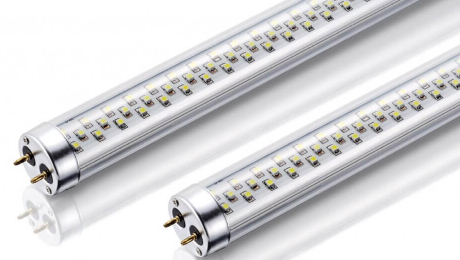
LED light tube uses light-emitting diodes as light sources, which have higher luminous efficiency, more energy-saving, longer service life, and are more environmentally friendly. Become the most ideal product to replace fluorescent tubes at the present stage. The traditional fluorescent tube is also called a fluorescent lamp. There is a filament at each end of the lamp. The tube is filled with a small amount of argon and thin mercury vapor. The inner wall of the tube is coated with fluorescent powder. The gas between the two filaments emits ultraviolet rays when conducting electricity. Make phosphors emit visible light. Due to the heavy metal pollutant “mercury”, the scrapped fluorescent tubes pollute the environment very seriously. Introduction LED fluorescent tubes are the same as traditional fluorescent tubes in terms of size and diameter. There are three types of lengths: 60cm, 120cm, and 150cm. 10W LED fluorescent lamps are brighter than traditional 40W fluorescent lamps, 16W LED fluorescent lamps are brighter than traditional 64W fluorescent lamps, and the brightness of LED fluorescent lamps is especially softer Make it easier for people to learn. The service life is between 50,000 and 80,000 hours, and the power supply voltage is AC85V-260V (AC), without starter and ballast, fast start, low power, no flicker, and not easy to eye fatigue. Service Life Because the LED light tube adopts the light-emitting mode of solid light source, the life span mainly depends on the solid LED light source and the driving heat dissipation part. At present, the life span of LED light source has reached more than 100,000 hours. The heat dissipation has basically reached a relatively ideal state. The life of high-quality LED light tubes available in the market basically reaches 10,000-50,000 hours, which is almost 10-50 times that of fluorescent tubes. LED fluorescent tubes save more than 80% of electricity and are almost maintenance-free. There is no problem of frequent replacement of lamp tubes, ballasts, and starters. The cost saved in about half a year can be exchanged for the cost. The green and environment-friendly semiconductor electric light source has soft light and pure spectrum, which is beneficial to the eyesight protection and physical health of workers. The 6000K cold light source gives people a visually cool feeling, which helps to concentrate and improve efficiency. Advantages Do not use mercury and do not contain lead. Traditional fluorescent lamps contain a large amount of mercury vapor. Once such lamps are broken, mercury vapor will volatilize into the atmosphere and pollute the environment. LED fluorescent lamps can It is one of the recognized green light sources to protect the environment. Are cold light sources and do not emit a lot of heat like traditional tubes. It can basically convert all electrical energy into light energy, which will not cause energy waste and is very economical. Is a very quiet energy-saving tube, which will not produce noise like traditional fluorescent tubes, and is very suitable for environments that require quiet, such as libraries, offices and other places. It can also protect the eyes very well, and it starts up very quickly without flickering, which is very beneficial to our health. Is a green and environmentally friendly tube, it does not produce ultraviolet light, infrared light and other radiation, does not contain harmful substances such as mercury, and has less heat generation, which well avoids the situation where mosquitoes surround the light source. , which creates a relatively clean environment indoors. Have a long service life, and their power consumption is less than one-third of that of traditional fluorescent tubes, but their brightness is consistent with traditional fluorescent tubes. Generally speaking, the lifespan of normal use is more than 30,000 hours. Long-term use does not need to be replaced, which invisibly reduces labor costs. It is very suitable for some occasions where it is inconvenient to replace tubes. Of course, the colors of LED fluorescent tubes are very rich, and lights of various luminous colors can be made to meet the needs of different occasions. Disadvantage The only disadvantage of LED fluorescent tubes is the high price. However, although the current price of LED fluorescent tubes is about ten times that of fluorescent tubes, it is still cost-effective in terms of its lifespan, power saving and pollution-free. Because if compared with a fluorescent lamp with a lifespan of 5,000 hours, an LED fluorescent tube with a lifespan of 50,000 hours is already worth 10 times the price to buy, and the energy saved during the process is completely pure income.
18
Feb
Feb
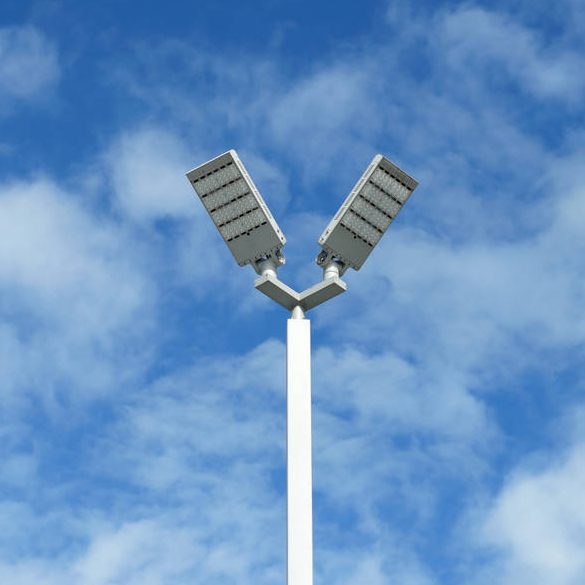
High power LED street lighting application ,Driven by various emerging application fields, the scale of the LED market has been rapidly improved in recent years. Its application fields have evolved from simple electrical indications and LED-based displays to LCD green light sources, landscape lighting, Interior lighting, automotive lighting and other fields. As LED has the characteristics of long life, pollution-free and low power consumption, in the future, LED will gradually replace fluorescent lamps and incandescent lamps for the next generation of green lighting sources.
18
Feb
Feb
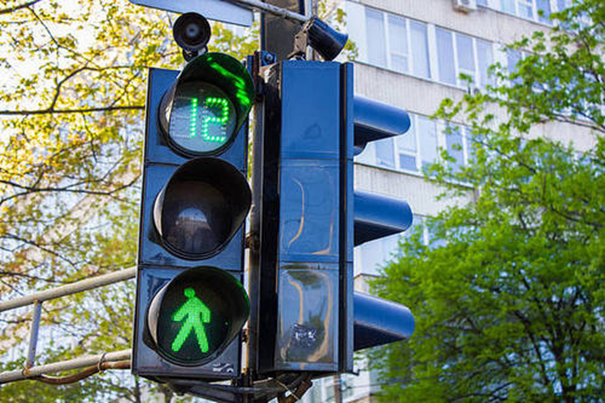
Because LED has the advantages of high brightness, power saving and long life, it has been widely used in traffic signal lights. According to statistics, there are about 20 million traffic lights in the world. In 2000, there were about 400,000 traffic lights in Pingtian LED around the world. In 2001, it reached 1 million, and the growth rate reached 150%. It is estimated that 2 million new LED traffic lights are added globally every year. Based on an update cost of about US$500 per seat, there will be a US$1 billion market for LED consumption in urban LED traffic lights in the world every year in the future.
18
Feb
Feb
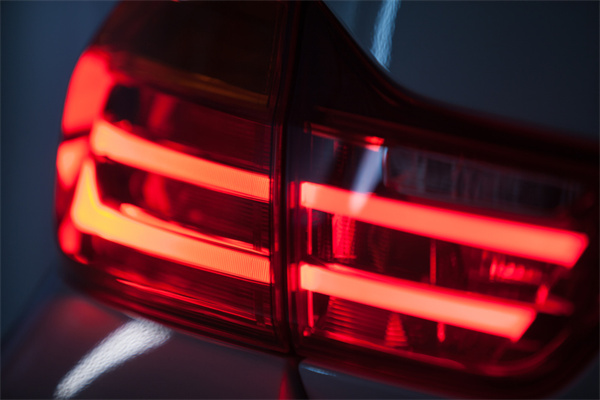
led car light,LEDs car light source application,led car light source application,Many countries have invested a lot of manpower here to study the application of LEDs car light in automobiles
17
Feb
Feb
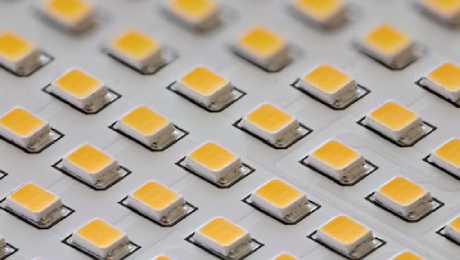
SMD LED (Surface-mounted devices) is a led chip mounted on the surface of a PCB (printed circuit board). Its light-emitting principle is to pass current through compound semiconductors, and through the combination of electrons and holes, the excess energy will be released in the form of light to achieve the effect of light.They are produced using Surface Mount Technology (SMT).
17
Feb
Feb
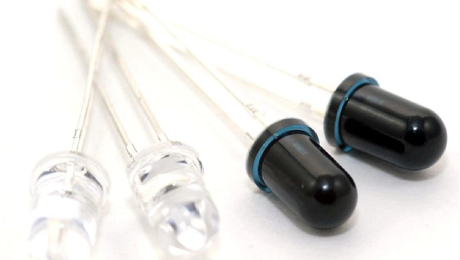
Infrared light-emitting diode is a diode that emits infrared rays, and is usually used in remote controls and other occasions. Commonly used infrared light-emitting diodes are similar in shape to light-emitting diodes (LEDs) and emit infrared light. Directional Properties The emission intensity of infrared LEDs varies depending on the emission direction. When the direction angle is zero, its radiation intensity is defined as 100%. When the direction angle is larger, its radiation intensity is relatively reduced. If the emission intensity is half of its direction angle from the optical axis, its value is half of the peak value. This angle is called the direction half-value angle, and the smaller the angle is, the more sensitive the directivity of the device is. Generally, infrared light-emitting diodes are equipped with lenses to make their directivity more sensitive Distance Characteristic The radiation intensity of infrared light-emitting diodes varies with the distance on the optical axis and also with the different light-receiving elements. It is the change of the incident light amount of the light-receiving element and the distance from the infrared light-emitting tube that have certain characteristics. Basically, the amount of light is inversely proportional to the square of the distance, and it is related to the different characteristics of the light receiving element. When emitting infrared rays to control the corresponding controlled device, the controlled distance is proportional to the emission power. In order to increase the control distance of infrared rays, infrared light-emitting diodes work in a pulsed state, because the effective transmission distance of pulsating light (modulated light) is proportional to the peak current of the pulse, and the emission distance of infrared light can be increased by increasing the peak Ip as much as possible. The way to improve Ip is to reduce the pulse duty cycle, that is, to compress the pulse width T. Generally its use frequency is below 300KHz. Receiving Method There are two ways to emit and receive infrared rays, one is direct and the other is reflective. The direct type means that the luminous tube and the receiving tube are relatively placed at the two ends of the transmitter and the controlled object, with a certain distance between them; the reflective type means that the luminous tube and the receiving tube are placed side by side, and the receiving tube is always without light at ordinary times, only in the infrared light emitted by the luminous tube. When the light meets the reflector, the receiving tube will only work when it receives the reflected infrared light.
16
Feb
Feb
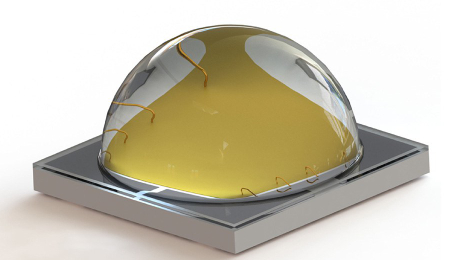
High-power LEDs refer to light-emitting diodes with high rated working power. The power of ordinary LEDs is generally 0.05W, and the working current is 20mA, while high-power LEDs can reach 1W, 2W, or even tens of watts, and the working current can range from tens of milliamperes to hundreds of milliamperes. Working Principle Light-emitting diode (LED) is a solid-state device that can convert electrical energy into light energy. Its structure is mainly composed of PN junction chips, electrodes and optical systems. The basic working principle of LED is a process of electro-optic conversion. When a forward bias voltage is applied to both ends of the PN junction, due to the reduction of the PN junction potential barrier, the positive charges in the P region will diffuse to the N region, and the electrons in the N region will also flow to the N region. The P region diffuses, forming a non-equilibrium charge accumulation in the two regions at the same time. Since the minority carriers generated by current injection are relatively unstable, for the PN junction system, the non-equilibrium holes injected into the valence band will recombine with the electrons in the conduction band, and the excess energy will radiate outward in the form of light. The greater the energy difference between electrons and holes, the higher the energy of the resulting photon. If the energy level difference is different, the frequency and wavelength of the light produced will be different, and the color of the corresponding light will be different. Comparison of high power and standard power LED products Simplify the design process The design process required for standard LED arrays is much simpler than that required for high-power technologies due to considerations that greatly simplify thermal management. In our theoretical example, driving a 1W LED requires 350mA, while a standard array of six LEDs requires only 120mA. High power technology requires the use of heat sinks and metal core PCB boards to ensure that high junction temperatures are avoided resulting in loss of efficiency, reduced lifetime or discoloration. Because standard LEDs do not require the use of heat sinks, metal core printed circuit boards (MCPCBs), capacitors or resistors, these LEDs are easier to design, test and manufacture. This simplified process not only saves time and money in the production process, but also speeds up time to market. Cost saving High-power LEDs require thermal management, which greatly increases the cost of the LED. During the design process, the most expensive addition is the heat sink. Heat sinks can be made from a variety of metal materials, from relatively inexpensive aluminum to more expensive materials that conduct electricity better, such as copper and silver. These expensive materials can lead to an increase in the cost of high-power products by US$1 to US$10, which can be avoided by standard LED devices. Likewise, high-power LEDs also require the use of MCPCBs as another passive cooling technique to control junction temperature. Because the MCPCB material has better thermal conductivity, these boards dissipate heat more efficiently than the cheaper FR4 PCBs used by standard LEDs. However, its cost can be as high as 5 times the cost of FR4 PCB. Cost savings of up to 60% can be achieved by using cheaper FR4 PCBs, eliminating the need for expensive heat sinks, and simplifying design considerations. Save space Standard LEDs are often the best choice when the interior space constraints of a device are very large. As mentioned above, high power LEDs require the additional use of heat sinks and overall space-intensive cooling techniques. Its first task is to create more surface area for cooling by convection and radiation. Larger surface area can help reduce heat more effectively, but it also increases the volume of high-power LEDs. This adds design hurdles for smaller spaces and smaller products. Standard LED arrays typically do not require the space-consuming drivers, capacitors, and resistors required for high-power LEDs, resulting in space savings of up to 50%. For space-constrained applications, standard LED arrays can provide the same brightness as high-power LEDs while saving space.
13
Feb
Feb
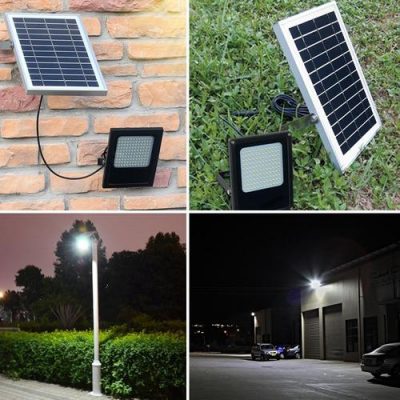
Solar LED Floodlight :Remote control – easy to operate, easy to switch between different working modes. Wireless application – integrated solar panel, LED, lithium battery, microcontroller in one;
Microcomputer control motion sensor system, light control system and time control system perfect
13
Feb
Feb
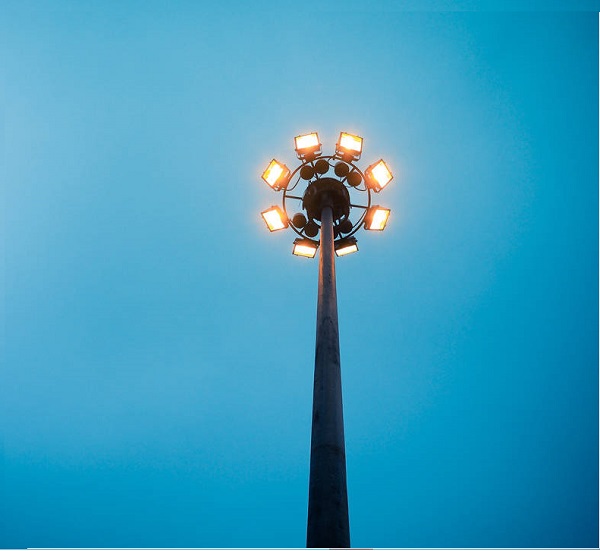
What is a floodlight? Floodlight is a point light source that can illuminate evenly in all directions. Its irradiation range can be adjusted arbitrarily, and it appears as a regular octahedron icon in the scene.
 English
 Afrikaans
 Albanian
 Amharic
 Arabic
 Armenian
 Azerbaijani
 Basque
 Belarusian
 Bengali
 Bosnian
 Bulgarian
 Catalan
 Cebuano
 Chichewa
 Corsican
 Croatian
 Czech
Czech Danish
 Dutch
Dutch Esperanto
 Estonian
 Filipino
 Finnish
 French
 Frisian
 Galician
 Georgian
 German
 Greek
Greek Gujarati
 Haitian Creole
 Hausa
Hausa Hawaiian
 Hebrew
 Hindi
Hindi Hmong
Hmong Hungarian
 Icelandic
 Igbo
Igbo Indonesian
 Irish
Irish Italian
 Japanese
 Javanese
 Kannada
 Kazakh
 Khmer
Khmer Korean
 Kurdish (Kurmanji)
 Kyrgyz
 Lao
Lao Latin
Latin Latvian
 Lithuanian
 Luxembourgish
 Macedonian
 Malagasy
 Malay
Malay Malayalam
 Maltese
 Maori
Maori Marathi
 Mongolian
 Myanmar (Burmese)
 Nepali
 Norwegian
 Pashto
 Persian
 Polish
 Portuguese
 Punjabi
 Romanian
 Russian
 Samoan
 Scottish Gaelic
 Serbian
 Sesotho
 Shona
Shona Sindhi
 Sinhala
 Slovak
 Slovenian
 Somali
 Spanish
 Sudanese
 Swahili
 Swedish
 Tajik
Tajik Tamil
Tamil Telugu
 Thai
Thai Turkish
 Ukrainian
 Urdu
Urdu Uzbek
Uzbek Vietnamese
 Welsh
Welsh Xhosa
Xhosa Yiddish
 Yoruba
 Zulu
Zulu