












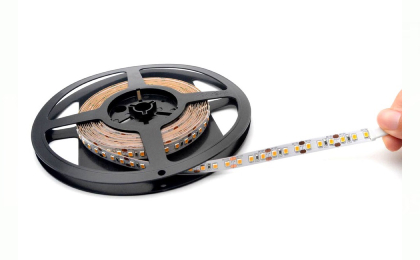
What is LED strip lights?LED strip lights, also known as an LED tape or ribbon light is a flexible circuit board populated by surface mounted various sizes of LED chips and other components that usually comes with an adhesive backing.
18
Jan
Jan
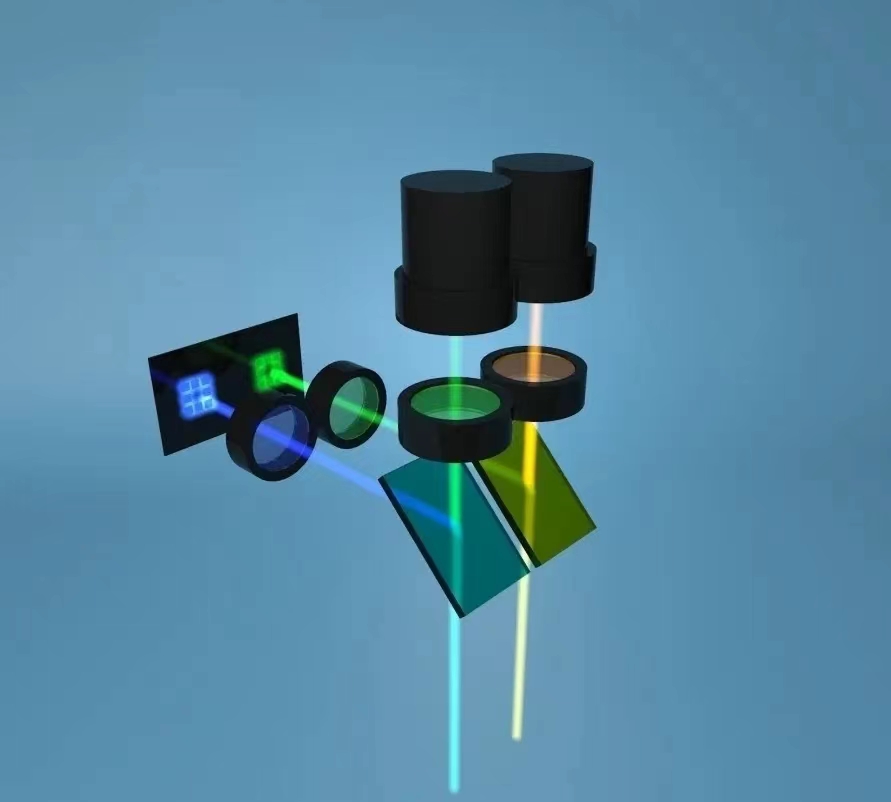
pcr led,For the irradiation end of the fast PCR instrument, if a Through hole Round LED with a diameter of 5/8/10mm is used, the optimized optical path is shown in Figure
18
Jan
Jan
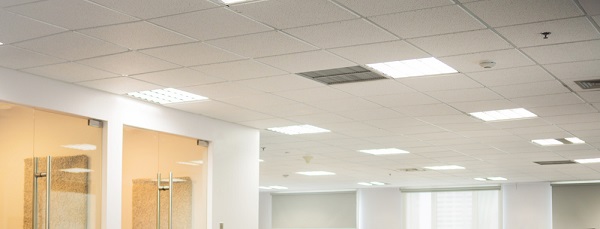
LED panel light is a high-end indoor lighting fixture. Its outer frame is made of aluminum alloy through anodic oxidation. The light source is LED. The feeling of beauty.
The LED panel light has a unique design. The light passes through the light guide plate with high light transmittance to form a uniform plane luminous effect. The illumination uniformity is good, the light is soft, comfortable and bright, which can effectively relieve eye fatigue. LED panel lights can also prevent radiation and will not irritate the skin of pregnant women, the elderly, and children.
17
Jan
Jan
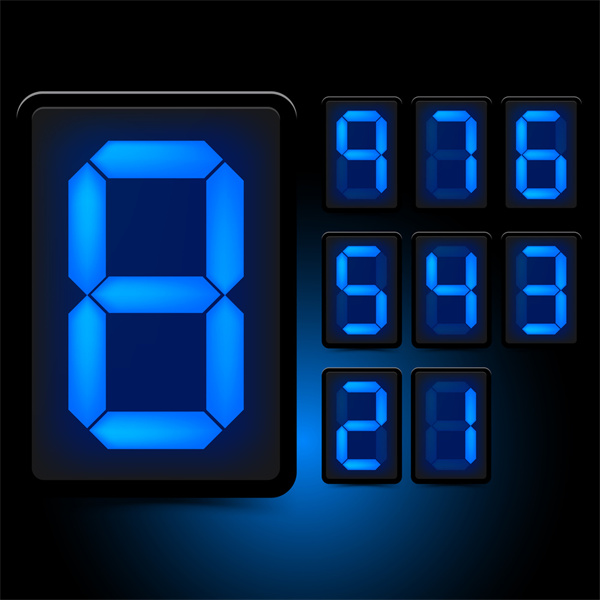
What do you mean by LED display?Displays, also known as Nixie tubes, are electronic devices that display numbers and other information. The glass tube contains an anode made of wire mesh and multiple cathodes. Most nixie tube cathodes are in the shape of numbers.
16
Jan
Jan
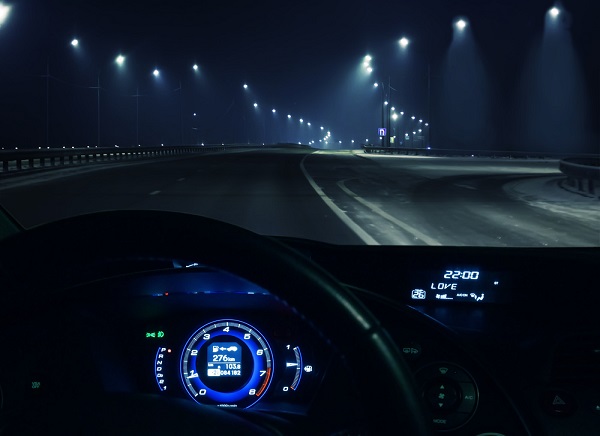
Traffic lighting refers to the lighting set for vehicles, roads their affiliated traffic LED facilities. LED Traffic Lights are used to improve the safety at night. Reasonable settings can improve traffic conditions, reduce driving fatigue, increase road capacity, and effectively reduce traffic accidents.
16
Jan
Jan
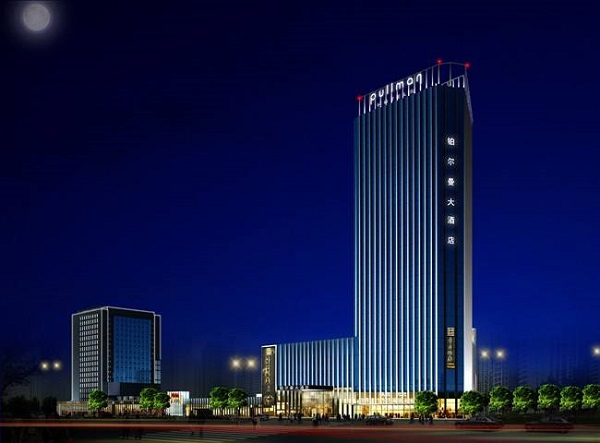
Outdoor lighting refers to lighting other than indoor lighting. outdoor led lights requirements meet the needs of outdoor visual work and achieve decorative effects;Outdoor lighting fixtures are lamps used outdoors, such as parks, squares, roadsides and outdoor advertising lights。

16
Jan
Jan
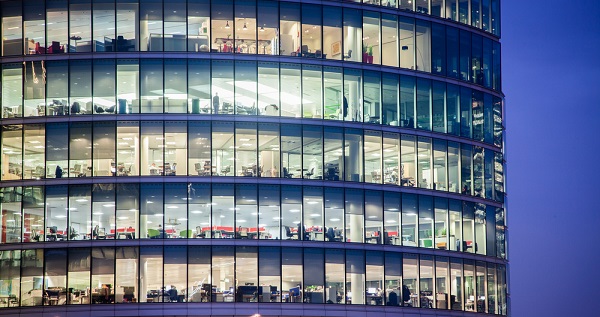
Industrial lighting,The scope Industrial LED of factory lighting design includes indoor lighting, outdoor device lighting, Queendom made Fine chemical industry lighting fixtures;Industrial lighting: station and field lighting, underground lighting, road lighting, guard lighting, obstacle lighting, etc
16
Jan
Jan
lighting system for commercial occasions produced to serve the needs of commercial venue lighting,commercial led The emergence of commercial lighting originated from the birth of public commercial places commercial lamp
15
Jan
Jan
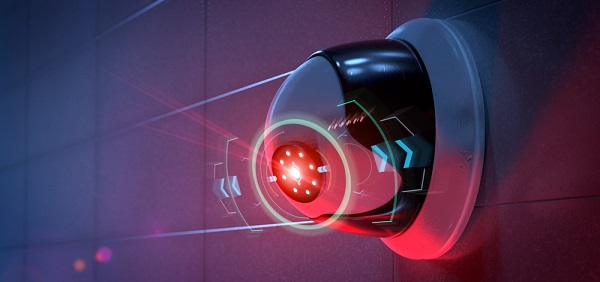
Application of Infrared IR LED in Infrared Camera With the increasing demand for night vision monitoring in security video surveillance system engineering, infrared cameras have entered the mainstream market of cameras, and sales are increasing day by day. Problems in the application of infrared night vision technology are gradually exposed. In fact, night vision technology is a photoelectric technology that realizes night observation by means of photoelectric imaging devices. It includes two types of low-light night vision and infrared night vision: low-light night vision technology is a night vision technology with an image intensifier tube, which actually enhances the faint target image illuminated by night skylight for observation photoelectric imaging technology. Here we mainly talk about active infrared night vision technology, which is a night vision technology that implements observation by actively illuminating and using the infrared light reflected by the target to reflect the infrared source. The corresponding equipment is an active infrared night vision device, and the actual core is an infrared camera. The infrared light source, the camera composed of the non-direct-view photoelectric imaging device CCD or CMOS image sensor as the core, and the lens required for the imaging screen are the three major factors that dominate the night surveillance effect of the infrared camera. Selection of infrared light source Infrared light is an invisible light with a wavelength greater than 780nm. Generally, there are the following three methods for generating such invisible light. ①. Directly use the infrared light emitted by incandescent lamp or xenon lamp. That is, install visible light filters on these two lamps to filter out visible light and only let invisible infrared rays emit; ②. Use infrared light-emitting diodes (LEDs) or LED arrays to generate infrared light. This device generates infrared light through the recombination of electrons and holes in a gallium arsenide (GaAs) semiconductor; ③. Using infrared laser diode LED can also be used as infrared light source. However, it needs to excite or pump electrons in a lower energy state to a higher energy state, and maintain stimulated emission of infrared light through a large number of particle distribution reversals and resonance. The first type of light source is a thermal infrared light source. Its biggest advantage is that it can be made into a relatively large power and a large irradiation angle, so the irradiation distance is long. Its biggest disadvantage is that it contains visible light components, that is, there is a red burst, and its service life is short. If it works 10 hours a day, it can only be used for 5000 hours for more than a year. If the heat dissipation is not enough, the service life is even shorter. In order to improve the service life of the thermal radiation infrared lamp, it is necessary to use a light control switch circuit to reduce its working time. In addition, a delay switch circuit is added to prevent the interference of ambient light. The second is an infrared lamp composed of a semiconductor gallium arsenide light-emitting diode array, especially the array-type integrated light-emitting chip LEDArray that is now developed and produced using new technology. The optical output of one LED-Array has reached 800mw-1000mw, and it has become a replacement product of ordinary LEDs. The half-power angle of the LED-Array is 10-120° (variable angle). Since the LED-Array is a highly integrated LED, and its volume is only the size of a penny, it can evenly illuminate the entire space indoors, and its lifespan is 50,000 hours. It was originally used on aviation aircraft. In recent years, due to the development of the civilian night surveillance market, LED-Array has gradually entered the civilian market and has become an ideal choice for high-quality night surveillance. Although infrared LED and LED-Array have eliminated thermal infrared light sources, for the monitoring of ultra-long-distance scenes over 1km, infrared LED light sources should still be selected. Because semiconductor lasers have the characteristics of higher brightness and stronger directionality than LEDs. Generally, the following points should be paid attention to when choosing an infrared light source. There should be a margin in the distance selection of infrared lamps When choosing an infrared lamp, pay special attention to the gap between the nominal distance and the actual irradiation distance. Because the nominal viewing distance of some manufacturers is often too large, it is necessary to conduct actual tests when selecting the irradiation distance of infrared lamps, and to leave sufficient margin to make the illuminance of the observed scene reliable. A light source driven by a steady current source should be selected Because LED is a current-driven device, its luminous brightness and power are proportional to the driving current, not the voltage. Therefore, in order to keep the luminous intensity constant, a light source driven by a steady current source must be selected. Choose a light source with good heat dissipation Because luminous tubes have heat and heat dissipation problems, especially light sources with high power and long distances generate a lot of heat, so it is necessary to choose a light source with good heat dissipation to ensure stable and reliable work. It is necessary to choose an infrared light source with a power supply circuit with a light-controlled switch automatic control circuit and separated from the light board Because the power supply circuit of the infrared lamp is not separated from the lamp board, the heat generated by the light-emitting tube will affect the performance of the components of the power supply circuit, resulting in unstable light emission of the light-emitting tube. With this light-controlled switch circuit, the infrared The lights are off during the day and on at night. Infrared lamps should be selected according to the monitoring distance Because the infrared light-emitting diode LED can be installed on the lens, it can be used with a sensitive infrared camera, or directly installed on the casing around the interface between the camera and the lens. Obviously, these two types of devices have fewer infrared LEDs, and their irradiation distance is definitely not as far as that of a single infrared LED lamp. Generally, if it is more than 50m, it is better to choose a separate infrared lamp. In addition, LED is mostly used for night vision lighting of monitoring scenes with a distance of more than 1km, but the beam of LED is thin and strong. In order to make the infrared beam illuminate a certain range of scenes, use Sometimes it is necessary to expand the beam through a beam expander lens. Second, the choice of camera At present, there are two types of photosensitive devices in cameras: CMOS and CCD. Like the CCD, the CMOS image sensor chip also responds to infrared light waves, but its sensitivity in the range of 890-980nm is much higher than that of the CCD image sensor chip, and the attenuation gradient is slower as the wavelength increases. With the rapid development of CMOS image chips, their noise signals have been further reduced, and star-level CMOS cameras have also appeared on the market. Therefore, it is not necessarily limited to the choice of CCD cameras, but can be selected by making full use of their respective advantages. In general, the selection points of infrared cameras are as follows. A low-illuminance camera should be selected, and its illumination requirements are generally ≤0.02Lux Some camera manufacturers or sellers falsely report the minimum illuminance, which greatly reduces the effective distance of night vision, so it is best to test it in detail. Intensified cameras such as moonlight level and starlight level can work in very dark conditions, but some places with small reflective coefficients still cannot meet the requirements, such as deserts, green lands, forest areas, etc. In this case, it is necessary to use a low-light night vision camera that is directly coupled by a high-performance image intensifier and a CCIR black and white CCD through a fiber panel and a light cone. In short, the lower the illuminance, the better. Since it is not yet standardized, the minimum illuminance claimed by the manufacturer cannot be trusted. It is better to test it under practical conditions. Usually, the illuminance requirement is generally ≤0.02Lux. The larger the size of the selected infrared camera image sensor, the better Because 1/4CCD cannot be used for the effective distance of infrared night vision above 15m, because the luminous flux of 1/4CCD is only 50% of 1/3CCD. The larger the size of the CCD, the larger the received luminous flux; the smaller the size of the CCD, the less the received luminous flux. Therefore, choose 1/2 of the CCD for the night vision camera, and 1/3 of the CCD can be tested if it is feasible, but you must not choose 1/4 of it. Infrared cameras must have automatic electronic shutter and automatic gain control (AGC) functions Because of these functions, the signal can be adjusted to a better state to meet the observation effect. Choose a CMOS ultra-miniature camera for concealed occasions Because low power consumption, high integration, and small size can only be achieved by CMOS image sensors, it can be made into a CMOS camera with the size of a shirt button or a suit button. Coupled with the miniaturization of the corresponding infrared light source and the introduction of high-efficiency batteries, the third eye will be ubiquitous. In this way, with a pair of night vision glasses and a hat equipped with an infrared light source and a CMOS ultra-miniature camera, the night will be like the day. Clearly, this will change the face of our entire social life. Choose the supporting small power supply for the camera The selection of the power supply of the camera should pay attention to the following two points Select a regulated power supply. Because the mains AC220V is unstable, if only one AC-to-DC 12V transformer is selected and the voltage is not stabilized, the circuit in the camera will work unstable, so that the camera will not work stably, and the required performance will not meet the requirements; It is better to choose a small power supply that is more than twice the current of the camera. If the current of the camera is 200mA or 250mA, generally 500mA is sufficient. If it is too large, such as 1A for 1 camera, the volume will be too large and the price will be too expensive; if it is too small, such as equal to the current of the camera, it may generate heat (due to long continuous working time) and affect reliability and working life. Third, the choice of lens, etc. The camera lens is the key equipment of the infrared camera. Its quality (indicator) directly affects the imaging effect of the system. Therefore, the selection of the lens is not only related to the quality of the system, but also related to the project cost. Therefore, pay attention to the following points when choosing a lens: It is best to choose an infrared lens Because of the ordinary optical lens, the infrared light reflected by the object back to the lens cannot be effectively focused on the CCD target surface. At this time, the infrared night vision effect will be greatly reduced, so it is best to use an infrared lens. Especially for color-to-black cameras, if the infrared lens is not used, the focal plane of the day and night monitoring cannot be consistent, so that the day and night images cannot be kept clear. The imaging size of the selected lens should preferably be consistent with the size of the image sensor in the camera The imaging size of the selected lens should be consistent with the size of the image sensor in the camera. If the size of the image sensor is 1/2″, the imaging size of the lens must be 1/2″. When the imaging size of the lens is larger than the size of the photosensitive surface of the camera, the imaging will not be affected, but the actual imaging field of view

03
Jan
Jan
Hand in hand with Siemens to formally enter into a partnership In November 2022, our company will be formally included in Siemens [Siemens], a Fortune 500 company, as an officially qualified supplier
25
Dec
Dec
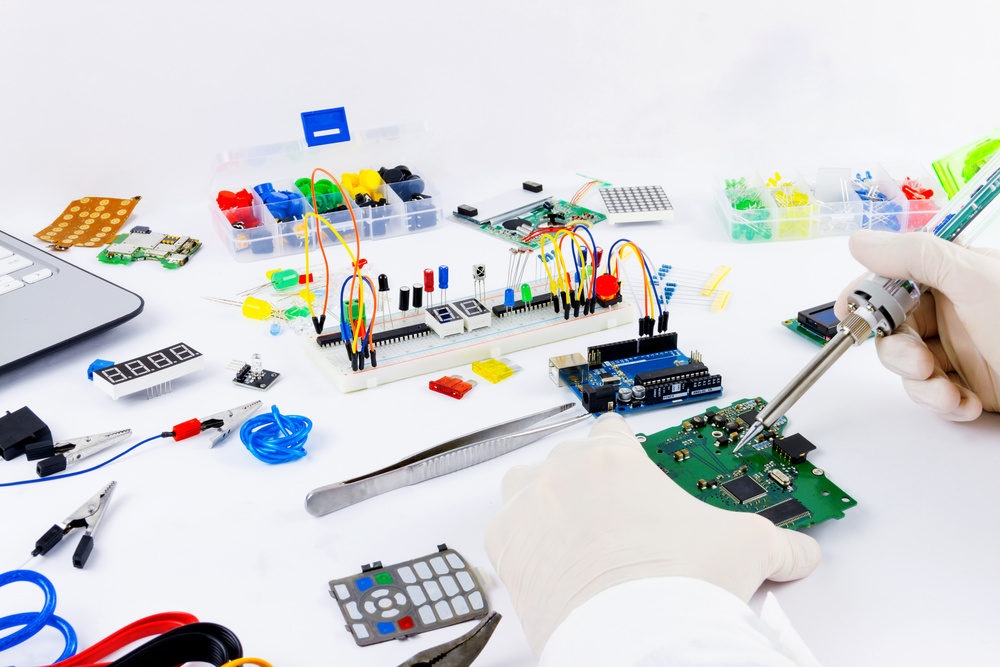
pcba led assembly is LED application PCBA control board electrical digital application technology,SMD LED,DIP LED is also widely used in PCBA control board industry.Queendom’s LED diode is durable, High temperature resistance, anti-vibration, low light attenuation, high brightness and other advantages are very popular among users. All products are strictly inspected in accordance with the national system safety certification, from chips, brackets, gold wires, etc. are all high-quality materials.
25
Dec
Dec
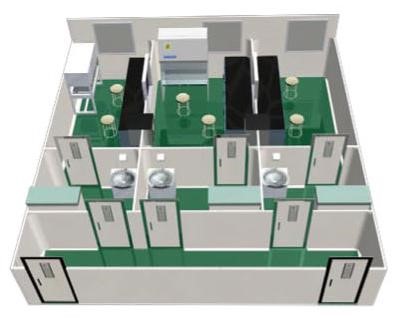
In medical PCR lighting, purification lamps are commonly used in medical lighting in special PCR laboratory lighting;Clean rooms generally implement two-level isolation, which is achieved through biological safety cabinets, negative pressure isolators, positive pressure protective clothing, gloves, goggles, etc.; second-level isolation is achieved through laboratory buildings, air-conditioning purification and electrical control systems.

25
Dec
Dec
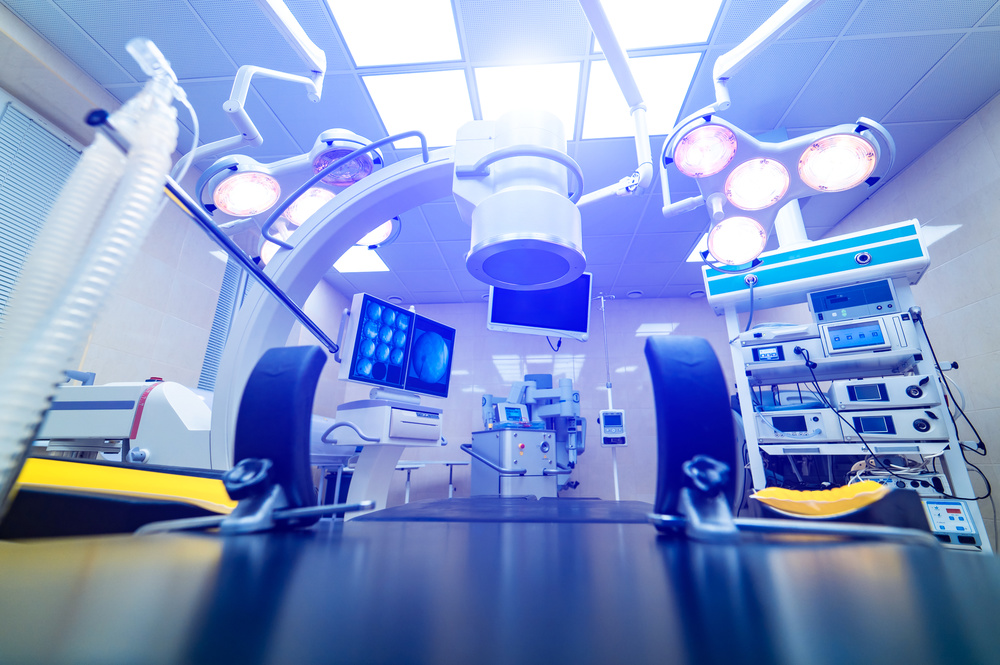
Medical lighting is mainly divided into six major components: operating room/examination room lighting, ward/outpatient/office lighting, hall/corridor/meeting room lighting, and laboratory testing room lighting. Among them, the products used in ward/outpatient/office lighting,
22
Dec
Dec
led application in medical industry,This article summarizes the research and application of light-emitting diodes (LED) in animal models and clinical medicine in recent years, including the research of LED application in animal cells and human tissue cells, the research of LED application in animal models, and the experiment of LED in clinical treatment Research. Look forward to the prospect of LED application in clinical treatment. LED Phototherapy Cell Animal Clinical Light Emitting Diode (1ight emitting diode, LED) drive circuit is easy to control, has a long service life and is low in price. With the continuous development of semiconductor technology, LED has greatly improved the performance of parameters such as luminous intensity, peak wavelength, and half-wave bandwidth. At present, the light effect of a single LED has exceeded 1001mW; the peak wavelength is becoming more and more stable, the half-wave bandwidth is narrower,

19
Dec
Dec
2023 New Year Holiday Notice Dear partners and users: CC: Distributors and offices in each district Please note that due to the celebration of the Spring Festival, we will be on holiday from January 18, 2023 to January 28, 2023 (the beginning and end of the holiday), and we will start work on January 29, 2023 (the first day of work). All orders placed during the Spring Festival will be re-produced (start time). To avoid unnecessary delays, please place your order in advance, the delivery deadline is January 19, 2023. Sorry for the inconvenience caused by the holiday. For any sales inquiries and support please email us and we will respond to your messages as soon as we get back to work. If you have urgent questions during the holiday, please contact the relevant departments through the following contact information: Old user email: as@china66.net New user email: sales@china66.net Complaint supervision email: gm@china66.net hope: The sources of funding are extensive and plentiful. May a river of gold flow into your pocket. Bring wealth and wealth. Thank you for your understanding.
12
Dec
Dec
The official website of China QUEENDOM Technology Co., Ltd. enterprise group is being revised and upgraded. Please pay attention to all new and old customers and partners. The official website will be updated in all aspects. . . .
 English
 Afrikaans
 Albanian
 Amharic
 Arabic
 Armenian
 Azerbaijani
 Basque
 Belarusian
 Bengali
 Bosnian
 Bulgarian
 Catalan
 Cebuano
 Chichewa
 Corsican
 Croatian
 Czech
Czech Danish
 Dutch
Dutch Esperanto
 Estonian
 Filipino
 Finnish
 French
 Frisian
 Galician
 Georgian
 German
 Greek
Greek Gujarati
 Haitian Creole
 Hausa
Hausa Hawaiian
 Hebrew
 Hindi
Hindi Hmong
Hmong Hungarian
 Icelandic
 Igbo
Igbo Indonesian
 Irish
Irish Italian
 Japanese
 Javanese
 Kannada
 Kazakh
 Khmer
Khmer Korean
 Kurdish (Kurmanji)
 Kyrgyz
 Lao
Lao Latin
Latin Latvian
 Lithuanian
 Luxembourgish
 Macedonian
 Malagasy
 Malay
Malay Malayalam
 Maltese
 Maori
Maori Marathi
 Mongolian
 Myanmar (Burmese)
 Nepali
 Norwegian
 Pashto
 Persian
 Polish
 Portuguese
 Punjabi
 Romanian
 Russian
 Samoan
 Scottish Gaelic
 Serbian
 Sesotho
 Shona
Shona Sindhi
 Sinhala
 Slovak
 Slovenian
 Somali
 Spanish
 Sudanese
 Swahili
 Swedish
 Tajik
Tajik Tamil
Tamil Telugu
 Thai
Thai Turkish
 Ukrainian
 Urdu
Urdu Uzbek
Uzbek Vietnamese
 Welsh
Welsh Xhosa
Xhosa Yiddish
 Yoruba
 Zulu
Zulu