





LED عالي الطاقة Datasheets
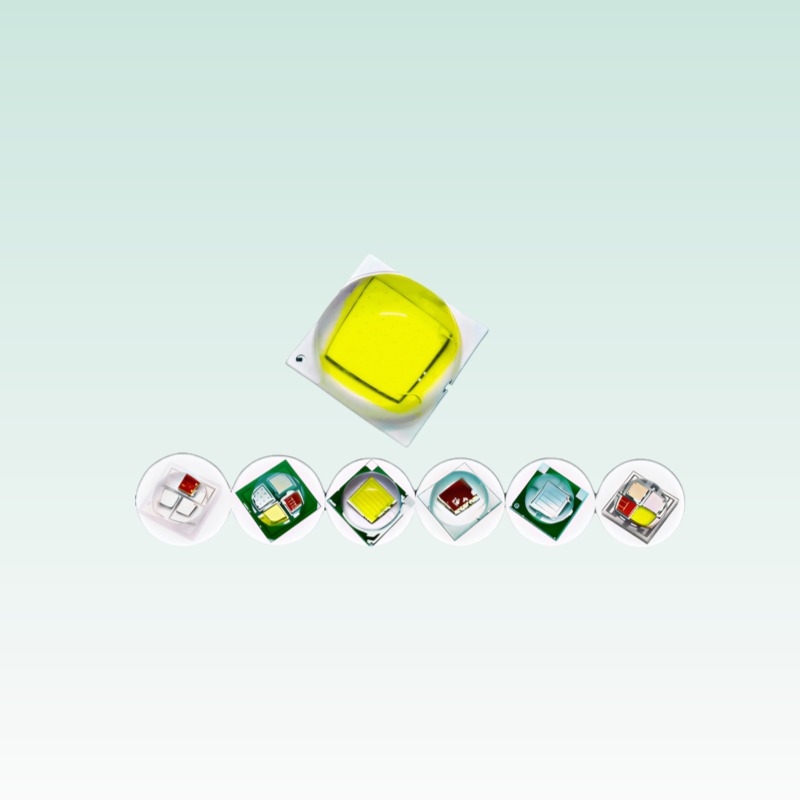
Browse and download technical datasheets for our LED عالي الطاقة product line. Covering 3535, 5050, 7070 packages and COB series, including White, Color, RGB and RGBW specifications in PDF format.
High-Power White LEDs
7 models
| Model | Size | تم تحديث البيانات | تحميل |
|---|---|---|---|
| 3535 White LEDs | 3.5×3.5mm | 2026-03-19 | |
| 5050 White LEDs | 5.0×5.0mm | 2026-03-19 | |
| 7070 White LEDs | 7.0×7.0mm | 2026-03-19 | |
| 1860 White LEDs | 1.8×6.0mm | 2026-03-19 | |
| 2016 White LEDs | 2.0×1.6mm | 2026-03-19 | |
| 3020 White LEDs | 3.0×2.0mm | 2026-03-19 | |
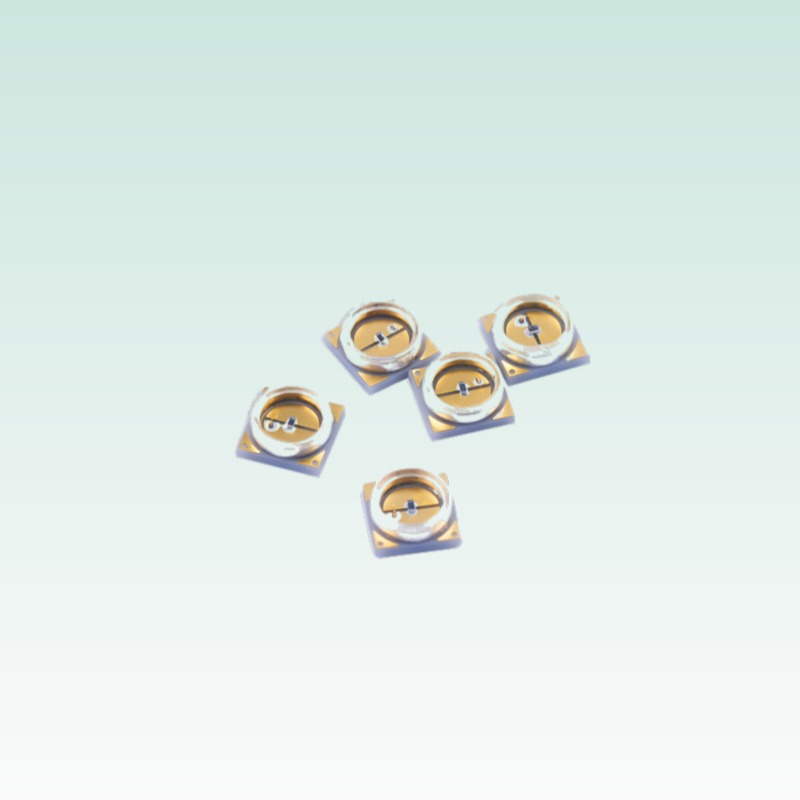
| 8mm LED عالي الطاقةs | 8.0mm | 2026-03-29 |
COB White LEDs
1 model
| Model | Size | تم تحديث البيانات | تحميل |
|---|---|---|---|
| 1919 COB LEDs | 19×19mm | 2026-03-19 |
More models are continuously updated.
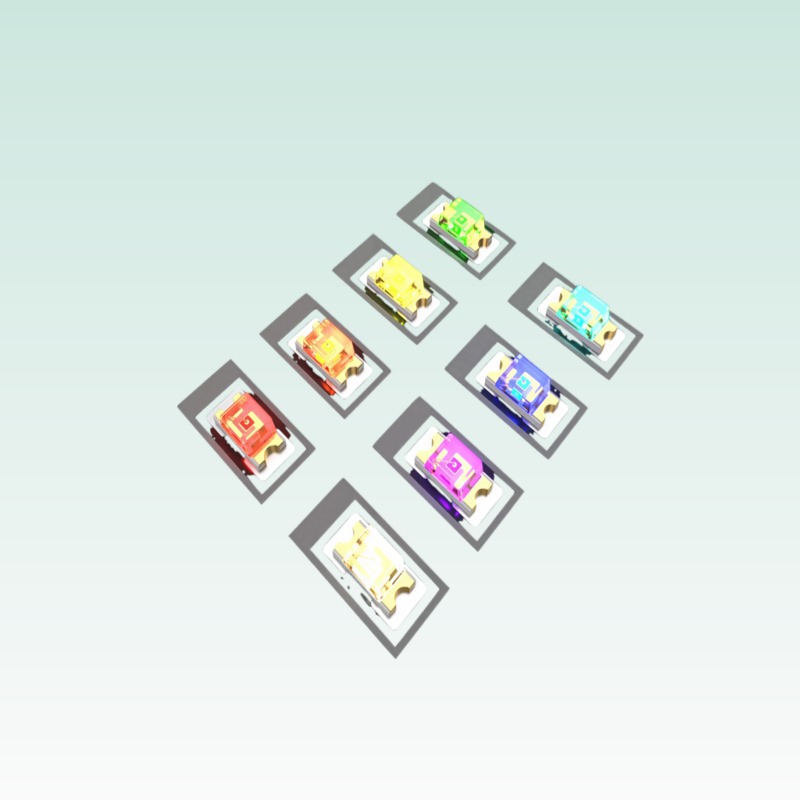
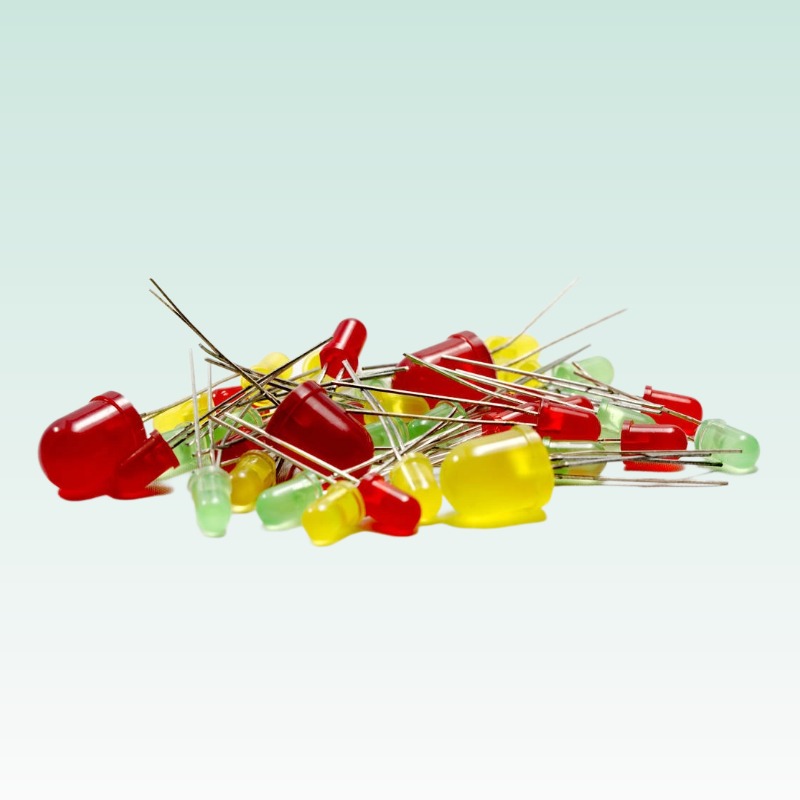
High-Power Color LEDs
4 models
| Model | Size | تم تحديث البيانات | تحميل |
|---|---|---|---|
| 3535 Color LEDs | 3.5×3.5mm | 2026-03-19 | |
| 5050 Color LEDs | 5.0×5.0mm | 2026-09-21 | |
| 7070 Color LEDs | 7.0×7.0mm | 2026-03-19 | |
| 8mm LED عالي الطاقةs | 8.0mm | 2026-03-29 |
RGB / RGBW LEDs
10 models
| Model | Chips | تم تحديث البيانات | تحميل |
|---|---|---|---|
| 3535 RGB LEDs | 3-in-1 | 2026-03-19 | |
| 3535 RGBY LEDs | 4-in-1 | 2026-03-19 | |
| 3535 RGBW LEDs | 4-in-1 | 2026-03-19 | |
| 5050 RGB LEDs | 3-in-1 | 2026-03-19 | |
| 5050 RGBY LEDs | 4-in-1 | 2026-09-21 | |
| 5050 RGBW LEDs | 4-in-1 | 2026-03-19 | |
| 5050 RGBI LEDs | 4-in-1 | 2026-03-19 | |
| High Power RGB LEDs | 3-in-1 | 2026-03-19 | |
| High Power RGBW LEDs | 4-in-1 | 2026-03-19 | |
| 5050 RYUI LEDs | 4-in-1 | 2026-09-21 |
More models are continuously updated.
Datasheets are updated periodically. If your required model is not listed or the file appears outdated,
please contact our technical support team at sales@queendomlamp.com.
The Five Numbers That Decide a LED عالي الطاقة Design
A high-power datasheet carries dozens of parameters, but five of them determine whether your luminaire hits its photometric target at 50,000 hours. Read them in this order:
- Thermal resistance, junction-to-case (Rθ J-C) — typically 4–8 °C/W for 1–3 W packages. This number, multiplied by dissipated power, tells you the temperature rise the heatsink must absorb.
- Maximum junction temperature — 110–125 °C rated, but design to hold Tj at or below 85 °C for the L90 life target; every 10 °C reduction roughly doubles time-to-70%-output.
- Flux bin at the stated test current — luminous flux is always binned (e.g., 100–110 lm at 350 mA). Design to the bin floor, never the typical value.
- Forward voltage range — the min/max window at test current, typically 2.8–3.6 V. Driver selection and series-string arithmetic use the max for current headroom and the min for open-circuit protection.
- Test current versus rated maximum — a part tested at 350 mA but rated to 1 A is telling you the photometric tables are not the ceiling; derate to 70–80% of maximum for long-life products.
Thermal Design Quick Reference
| Path Element | Typical Value | Design Note |
|---|---|---|
| Junction-to-case | 4–8 °C/W | Fixed by the package; compare across vendors at equal die size |
| MCPCB, thermal pad to plate | 1–2 °C/W | Use 2–3 oz copper and filled vias under the pad |
| Tim / gap pad | 0.5–2 °C/W | Thermal grease outperforms pads but complicates field service |
| Heatsink to ambient | Project-specific | Natural convection needs roughly 50–80 cm² of fin area per watt dissipated |
From Datasheet to Luminaire
Two of our deployment write-ups trace this exact chain: the municipal solar street light case shows bin-floor budgeting against battery constraints, and the UFO high-bay factory case documents a 5 W-class multi-die design held at L90 over 50,000 hours. For component-level reliability methodology, see the LM-80 lifetime estimation guide.
Frequently Asked Questions
Can I parallel two high-power dies on one driver?
Not directly. Forward-voltage mismatch makes current hog one die. Use separate constant-current channels, or a purpose-built multi-die package where the manufacturer has matched the dies internally.
What surge rating should the driver carry for street applications?
10 kV common-mode / 6 kV differential (IEC 61000-4-5) for pole-mounted luminaires on buried distribution, with line-to-neutral MOVs on the AC side of the driver.
How do I convert luminous flux to illuminance at the ground?
Illuminance (lux) = luminous flux (lm) × utilization factor ÷ area (m²). Outdoor pole installations typically realize a 0.35–0.55 utilization factor after optics, dirt depreciation (0.9), and lumen maintenance (0.9 at L90) are applied.