







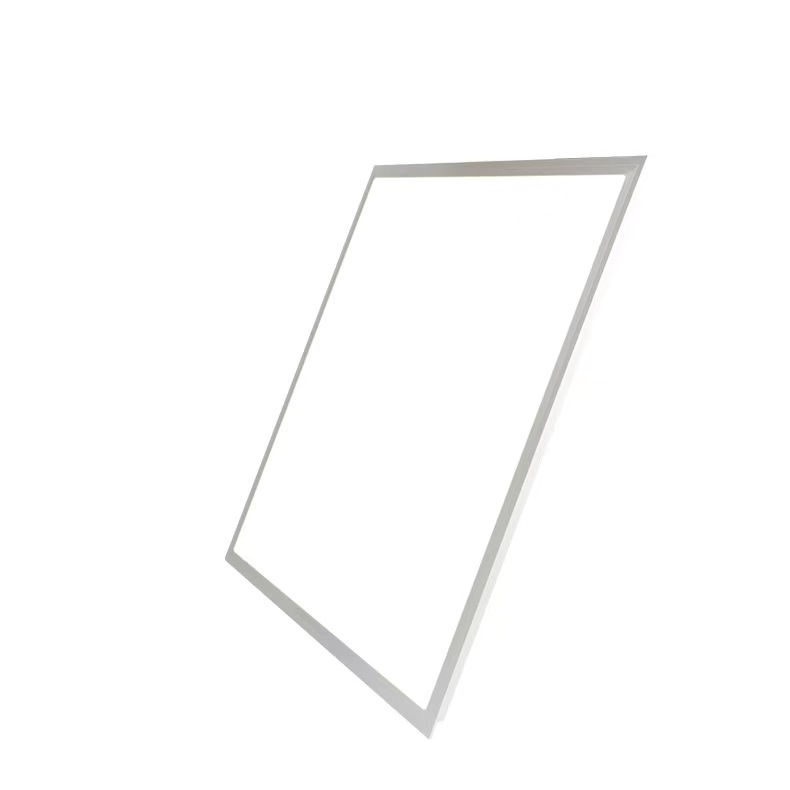
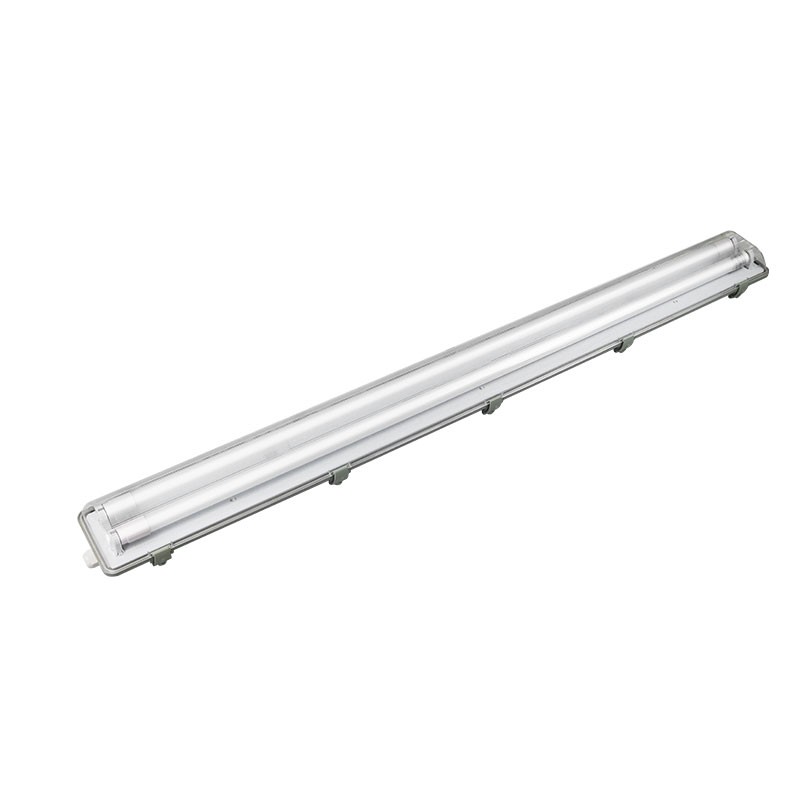
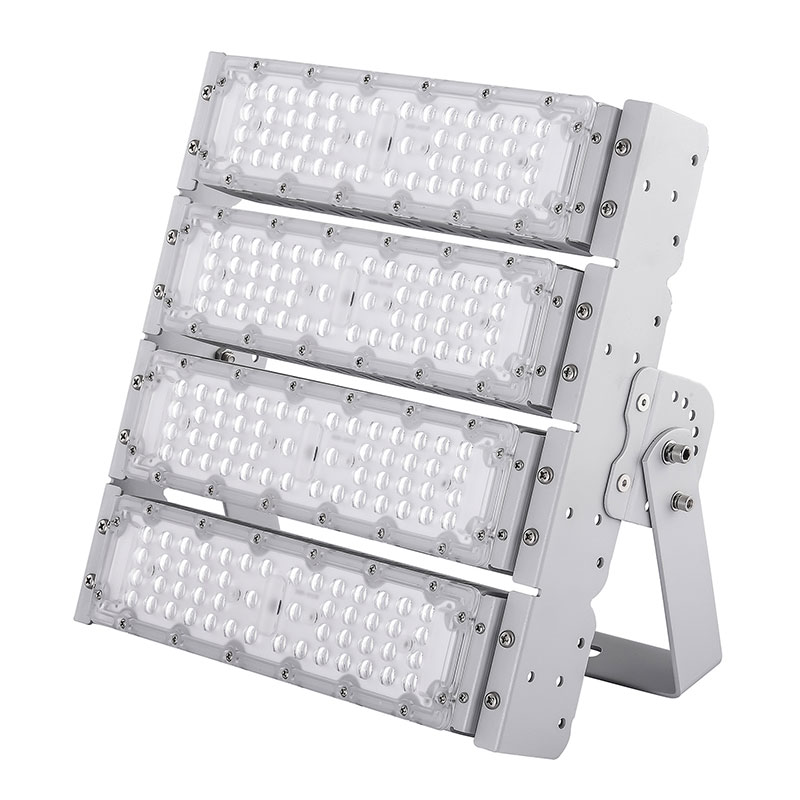


Greenhouse LED lights have revolutionized the agricultural industry by providing a highly efficient and cost-effective solution for plant growth. These specialized lighting systems offer a range of benefits that have made them a popular choice for both hobbyists and commercial farmers. In this comprehensive guide, we will delve into the world of greenhouse LED lights, exploring their technology, advantages, and how they are transforming the way we grow plants indoors.
Introduction to Greenhouse LED Lights
Greenhouse LED lights are a type of lighting system designed specifically for use in greenhouses. Unlike traditional lighting methods, such as fluorescent or HID (high-intensity discharge) lamps, LED lights offer several advantages that make them ideal for controlled environment agriculture. LED stands for Light Emitting Diode, a semiconductor device that emits light when an electric current passes through it. This technology has been widely adopted in various industries, and its application in horticulture has proven to be highly beneficial.
How Greenhouse LED Lights Work
The functioning of greenhouse LED lights is based on the principles of photosynthesis, which is the process by which plants convert light energy into chemical energy. These lights emit a specific spectrum of light that is most effective for plant growth, including red, blue, and green wavelengths. The combination of these wavelengths ensures that plants receive the optimal light spectrum for photosynthesis, leading to healthier and more productive growth.
Greenhouse LED lights are designed to be energy-efficient, consuming significantly less electricity than traditional lighting systems. They also have a longer lifespan, often lasting up to 50,000 hours, which reduces maintenance costs and the need for frequent replacements. Additionally, LED lights produce very little heat, making them suitable for use in enclosed spaces like greenhouses without the risk of overheating.
Advantages of Greenhouse LED Lights
There are several advantages to using greenhouse LED lights that have made them a preferred choice among growers:
– Energy Efficiency: LED lights consume up to 70% less energy than traditional lighting systems, resulting in significant cost savings over time.
– Longevity: With a lifespan of up to 50,000 hours, LED lights reduce maintenance and replacement costs.
– Customizable Spectrum: Growers can adjust the light spectrum to meet the specific needs of different plants and growth stages.
– Heat Output: LED lights produce very little heat, reducing the risk of overheating in greenhouses and allowing for better temperature control.
– Directional Lighting: LED lights can be directed precisely where they are needed, optimizing light distribution and reducing wasted energy.
– Environmental Impact: LED lights are more environmentally friendly, as they consume less energy and have a lower carbon footprint.
Types of Greenhouse LED Lights
There are various types of greenhouse LED lights available, each designed to cater to specific plant needs:
– Full-Spectrum LED Lights: These lights emit a broad spectrum of light, similar to natural sunlight, and are ideal for all stages of plant growth.
– Red LED Lights: Red light is essential for flowering and fruiting in plants, making it a crucial component of greenhouse LED lighting systems.
– Blue LED Lights: Blue light promotes leafy growth and is beneficial for the early stages of plant development.
– White LED Lights: White LED lights provide a balanced spectrum of light, suitable for general plant growth.
Installation and Maintenance of Greenhouse LED Lights
Installing greenhouse LED lights is a straightforward process that can be done by anyone with basic DIY skills. The following steps can be followed:
1. Plan the Layout: Determine the optimal placement of the lights in your greenhouse to ensure even distribution of light.
2. Choose the Right Lights: Select the appropriate type of LED lights based on your plant’s needs and the growth stage you are targeting.
3. Install the Lights: Mount the lights securely in the greenhouse, ensuring they are positioned correctly for optimal coverage.
4. Connect the Lights: Follow the manufacturer’s instructions to connect the lights to a power source.
5. Monitor and Adjust: Regularly check the light distribution and make adjustments as needed to maintain optimal conditions for plant growth.
Maintenance of greenhouse LED lights is minimal, primarily involving regular cleaning of the light fixtures to remove dust and debris that can block light output.
Conclusion
Greenhouse LED lights have become an indispensable tool for modern agriculture, offering numerous benefits that enhance plant growth and productivity. With their energy efficiency, long lifespan, and customizable spectrum, these lights are transforming the way we grow plants indoors. As technology continues to advance, we can expect even more innovative solutions to emerge, further revolutionizing the agricultural industry.
 English
 Afrikaans
 Albanian
 Amharic
 Arabic
 Armenian
 Azerbaijani
 Basque
 Belarusian
 Bengali
 Bosnian
 Bulgarian
 Catalan
 Cebuano
 Chichewa
 Corsican
 Croatian
 Czech
Czech Danish
 Dutch
Dutch Esperanto
 Estonian
 Filipino
 Finnish
 French
 Frisian
 Galician
 Georgian
 German
 Greek
Greek Gujarati
 Haitian Creole
 Hausa
Hausa Hawaiian
 Hebrew
 Hindi
Hindi Hmong
Hmong Hungarian
 Icelandic
 Igbo
Igbo Indonesian
 Irish
Irish Italian
 Japanese
 Javanese
 Kannada
 Kazakh
 Khmer
Khmer Korean
 Kurdish (Kurmanji)
 Kyrgyz
 Lao
Lao Latin
Latin Latvian
 Lithuanian
 Luxembourgish
 Macedonian
 Malagasy
 Malay
Malay Malayalam
 Maltese
 Maori
Maori Marathi
 Mongolian
 Myanmar (Burmese)
 Nepali
 Norwegian
 Pashto
 Persian
 Polish
 Portuguese
 Punjabi
 Romanian
 Russian
 Samoan
 Scottish Gaelic
 Serbian
 Sesotho
 Shona
Shona Sindhi
 Sinhala
 Slovak
 Slovenian
 Somali
 Spanish
 Sudanese
 Swahili
 Swedish
 Tajik
Tajik Tamil
Tamil Telugu
 Thai
Thai Turkish
 Ukrainian
 Urdu
Urdu Uzbek
Uzbek Vietnamese
 Welsh
Welsh Xhosa
Xhosa Yiddish
 Yoruba
 Zulu
Zulu
Explore More from Queendom Lamp
Stay updated with the latest LED technology, lighting solutions, and industry insights.
Request a Quote About Queendom