

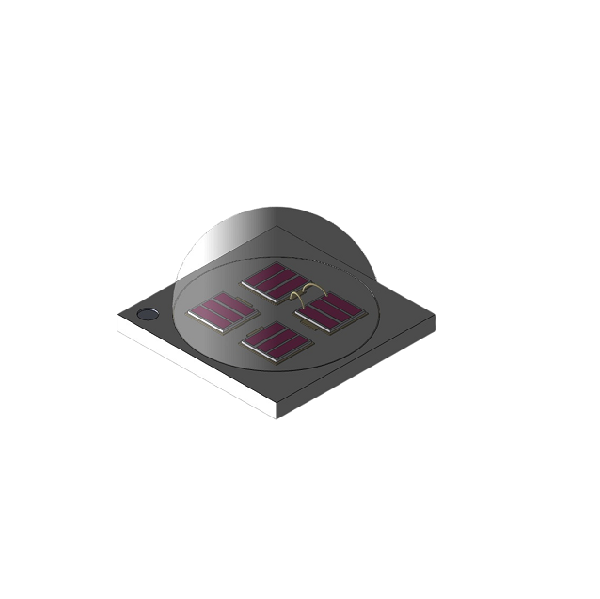
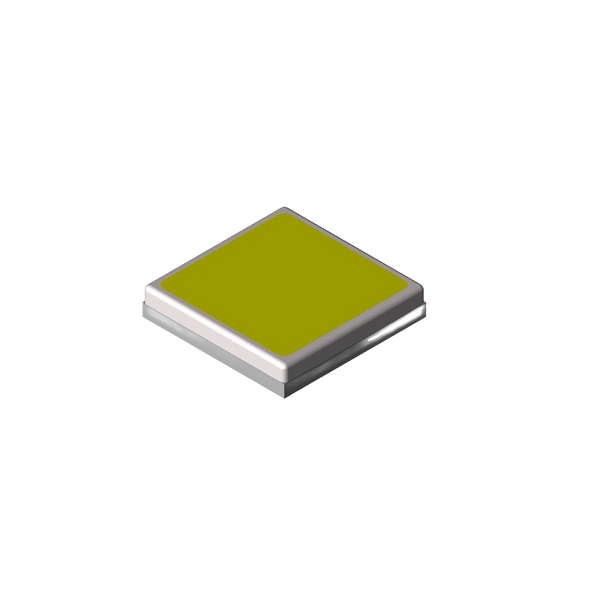

UV-C 275nm LED technology has emerged as a revolutionary solution in the field of sterilization and disinfection. With its ability to emit high-intensity ultraviolet-C (UVC) light at a wavelength of 275nm, these LEDs are gaining significant attention for their effectiveness in eliminating harmful pathogens and ensuring a safer environment. This article delves into the intricacies of UV-C 275nm LED technology, exploring its applications, benefits, and the future of this innovative technology.
Introduction to UV-C 275nm LED Technology
UV-C 275nm LED technology refers to the use of light-emitting diodes (LEDs) that emit UVC light at a wavelength of 275nm. UVC light is a type of electromagnetic radiation that falls between visible light and X-rays on the electromagnetic spectrum. This specific wavelength is known for its germicidal properties, making it highly effective in destroying the DNA and RNA of microorganisms, including bacteria, viruses, and fungi.
How UV-C 275nm LED Works
The germicidal properties of UV-C 275nm LED technology are attributed to its ability to damage the genetic material of microorganisms. When UVC light is absorbed by the DNA or RNA of these organisms, it causes the formation of pyrimidine dimers, which interfere with the replication and transcription processes. This ultimately leads to the inactivation or death of the microorganism.
The 275nm wavelength is particularly effective because it has a high energy level, allowing it to penetrate the outer layers of microorganisms and reach their genetic material. This makes UV-C 275nm LED technology highly efficient in sterilizing surfaces, air, and water.
Applications of UV-C 275nm LED Technology
The versatility of UV-C 275nm LED technology has led to its widespread application in various industries. Some of the key areas where this technology is making a significant impact include:
1. Healthcare: UV-C 275nm LEDs are used to sterilize medical equipment, surgical instruments, and hospital rooms, reducing the risk of infection and contamination.
2. Water Treatment: These LEDs are employed in water purification systems to eliminate harmful pathogens, ensuring the safety of drinking water.
3. Air Purification: UV-C 275nm LEDs are used in air purifiers to kill airborne bacteria and viruses, improving indoor air quality.
4. Food Industry: UV-C 275nm LEDs are used to sanitize food processing equipment, packaging materials, and surfaces, ensuring food safety.
5. Industrial Applications: The technology is also used in industrial settings to sterilize equipment, prevent biofilm formation, and control microbial growth.
Benefits of UV-C 275nm LED Technology
Several benefits make UV-C 275nm LED technology a preferred choice for sterilization and disinfection:
1. Energy Efficiency: UV-C 275nm LEDs are highly energy-efficient, consuming significantly less power compared to traditional UV lamps.
2. Longevity: These LEDs have a long lifespan, often exceeding 20,000 hours, reducing maintenance and replacement costs.
3. Safety: UV-C 275nm LEDs emit light at a wavelength that is not harmful to humans or animals, making them safer to use in occupied spaces.
4. Targeted Sterilization: The specific wavelength of 275nm ensures that only the targeted microorganisms are affected, minimizing the risk of damaging non-pathogenic organisms.
5. Ease of Integration: UV-C 275nm LEDs can be easily integrated into existing systems and devices, making them adaptable to various applications.
Challenges and Future Prospects
Despite its numerous benefits, UV-C 275nm LED technology faces certain challenges:
1. Cost: The initial cost of UV-C 275nm LED systems can be higher compared to traditional methods, although this is expected to decrease as the technology becomes more widespread.
2. Regulatory Approval: Some applications may require regulatory approval, which can be a time-consuming process.
3. Public Perception: There is a need to educate the public about the safety and effectiveness of UV-C 275nm LED technology to overcome any misconceptions.
Looking ahead, the future of UV-C 275nm LED technology appears promising. Advances in LED manufacturing and materials science are expected to further improve the efficiency and cost-effectiveness of these devices. Additionally, ongoing research is exploring new applications and integration strategies, paving the way for a wider adoption of this innovative technology.
Conclusion
UV-C 275nm LED technology has the potential to revolutionize the way we approach sterilization and disinfection. With its efficiency, safety, and versatility, this technology is poised to play a crucial role in maintaining a clean and healthy environment. As the industry continues to evolve, UV-C 275nm LED technology is likely to become an integral part of our daily lives, contributing to the global fight against infectious diseases and contamination.
 English
 Afrikaans
 Albanian
 Amharic
 Arabic
 Armenian
 Azerbaijani
 Basque
 Belarusian
 Bengali
 Bosnian
 Bulgarian
 Catalan
 Cebuano
 Chichewa
 Corsican
 Croatian
 Czech
Czech Danish
 Dutch
Dutch Esperanto
 Estonian
 Filipino
 Finnish
 French
 Frisian
 Galician
 Georgian
 German
 Greek
Greek Gujarati
 Haitian Creole
 Hausa
Hausa Hawaiian
 Hebrew
 Hindi
Hindi Hmong
Hmong Hungarian
 Icelandic
 Igbo
Igbo Indonesian
 Irish
Irish Italian
 Japanese
 Javanese
 Kannada
 Kazakh
 Khmer
Khmer Korean
 Kurdish (Kurmanji)
 Kyrgyz
 Lao
Lao Latin
Latin Latvian
 Lithuanian
 Luxembourgish
 Macedonian
 Malagasy
 Malay
Malay Malayalam
 Maltese
 Maori
Maori Marathi
 Mongolian
 Myanmar (Burmese)
 Nepali
 Norwegian
 Pashto
 Persian
 Polish
 Portuguese
 Punjabi
 Romanian
 Russian
 Samoan
 Scottish Gaelic
 Serbian
 Sesotho
 Shona
Shona Sindhi
 Sinhala
 Slovak
 Slovenian
 Somali
 Spanish
 Sudanese
 Swahili
 Swedish
 Tajik
Tajik Tamil
Tamil Telugu
 Thai
Thai Turkish
 Ukrainian
 Urdu
Urdu Uzbek
Uzbek Vietnamese
 Welsh
Welsh Xhosa
Xhosa Yiddish
 Yoruba
 Zulu
Zulu