

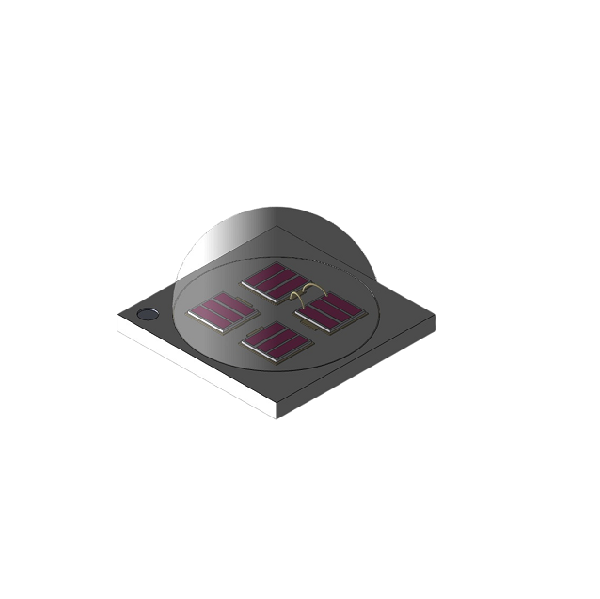
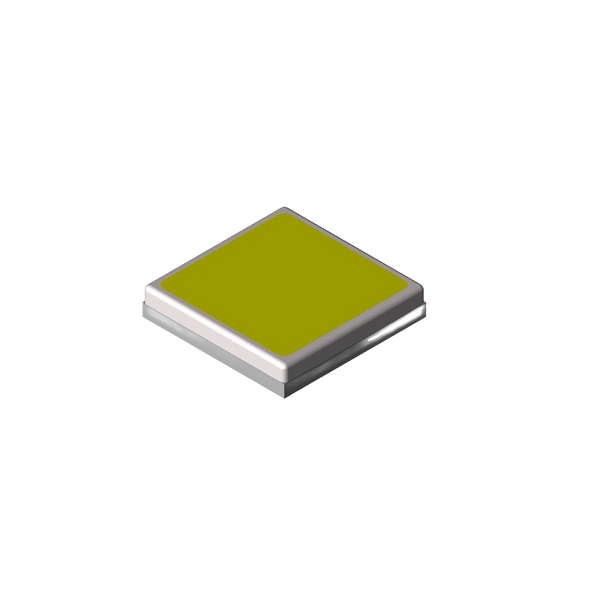

UV ultraviolet LED lamp manufacturer plays a crucial role in the global lighting industry, specializing in the production of LED lamps that emit ultraviolet (UV) light. These lamps have found applications in various fields, including healthcare, sanitation, industrial processes, and consumer electronics. This article aims to provide an in-depth introduction to the UV ultraviolet LED lamp manufacturing industry, covering its history, market trends, technology advancements, and future prospects.
History of UV Ultraviolet LED Lamps
The history of UV ultraviolet LED lamps dates back to the early 20th century when UV lamps were first developed using mercury vapor lamps. However, these lamps were inefficient and required high voltage to operate. It was not until the late 1990s that the development of UV LED technology began to gain momentum, primarily due to the advancements in semiconductor materials and manufacturing processes.
The first UV LED lamps were produced using gallium nitride (GaN) as the semiconductor material. These early lamps were relatively inefficient and had a limited lifespan. Nevertheless, they marked the beginning of a new era in UV lighting technology. Over the years, significant progress has been made in the efficiency, lifespan, and cost-effectiveness of UV LED lamps.
Market Trends
The UV ultraviolet LED lamp market has been witnessing rapid growth due to the increasing demand for energy-efficient and environmentally friendly lighting solutions. According to a report by MarketsandMarkets, the global UV LED market is expected to reach USD 1.9 billion by 2025, growing at a CAGR of 21.3% from 2020 to 2025.
Several factors are driving the market growth, including:
1. Rising awareness about the benefits of UV light in various applications, such as sterilization and disinfection.
2. Growing concern over environmental sustainability and the need for energy-efficient lighting solutions.
3. Advancements in UV LED technology, which have made these lamps more cost-effective and versatile.
The market is also segmented based on application, such as healthcare, sanitation, industrial processes, and consumer electronics. Among these, the healthcare sector is expected to grow at the highest rate due to the increasing demand for UV-based sterilization and disinfection solutions.
Technology Advancements
The UV ultraviolet LED lamp manufacturing industry has witnessed significant technological advancements over the years. Some of the key advancements include:
1. Semiconductor Materials: The development of GaN, Aluminum Gallium Nitride (AlGaN), and other semiconductor materials has enabled the production of more efficient and durable UV LED lamps.
2. Phosphor Coating: The use of phosphor coatings has allowed UV LED lamps to emit a broader spectrum of UV light, making them more suitable for various applications.
3. Cooling Techniques: Efficient cooling techniques, such as heat sinks and thermal management systems, have been developed to ensure the longevity and reliability of UV LED lamps.
4. Optical Design: The optimization of optical design has improved the efficiency and uniformity of UV light output, enhancing the performance of UV LED lamps.
Manufacturing Process
The manufacturing process of UV ultraviolet LED lamps involves several steps, including:
1. Material Preparation: The semiconductor materials, such as GaN or AlGaN, are prepared and then patterned into a wafer.
2. Growth of Epitaxial Layers: The wafer is then subjected to epitaxial growth, where a thin layer of semiconductor material is deposited on the wafer.
3. Device Fabrication: The wafer is processed to create the LED structure, which includes the active region, the p-type and n-type regions, and the contact layers.
4. Mounting and Packaging: The LED is mounted onto a substrate and then packaged with encapsulants and optics to protect and direct the UV light.
5. Quality Control: The final product undergoes rigorous quality control checks to ensure that it meets the required specifications.
Challenges and Opportunities
Despite the rapid growth and technological advancements, the UV ultraviolet LED lamp manufacturing industry faces several challenges, including:
1. High Initial Costs: The initial investment for setting up a UV LED manufacturing facility can be quite high, which may deter some potential entrants.
2. Technological Barriers: The development of advanced UV LED technology requires significant research and development efforts, which can be costly and time-consuming.
3. Market Penetration: Convincing customers to switch from traditional UV lamps to UV LED lamps can be challenging due to the higher upfront costs.
However, there are also several opportunities in the industry, such as:
1. Expanding Applications: The growing awareness of UV light benefits in various sectors presents new opportunities for UV LED lamp manufacturers.
2. Global Market Expansion: There is a significant potential for market expansion in emerging economies, where the demand for energy-efficient lighting solutions is high.
3. Partnerships and Collaborations: Collaborations with research institutions and other industry players can accelerate the development of new technologies and products.
Conclusion
UV ultraviolet LED lamp manufacturers are at the forefront of the global lighting industry, driving innovation and efficiency in UV lighting solutions. With the increasing demand for energy-efficient and environmentally friendly lighting, the industry is expected to continue its growth trajectory. As technology advancements and market trends evolve, UV LED lamps are poised to play a crucial role in shaping the future of lighting and various applications that rely on UV light.
 English
 Afrikaans
 Albanian
 Amharic
 Arabic
 Armenian
 Azerbaijani
 Basque
 Belarusian
 Bengali
 Bosnian
 Bulgarian
 Catalan
 Cebuano
 Chichewa
 Corsican
 Croatian
 Czech
Czech Danish
 Dutch
Dutch Esperanto
 Estonian
 Filipino
 Finnish
 French
 Frisian
 Galician
 Georgian
 German
 Greek
Greek Gujarati
 Haitian Creole
 Hausa
Hausa Hawaiian
 Hebrew
 Hindi
Hindi Hmong
Hmong Hungarian
 Icelandic
 Igbo
Igbo Indonesian
 Irish
Irish Italian
 Japanese
 Javanese
 Kannada
 Kazakh
 Khmer
Khmer Korean
 Kurdish (Kurmanji)
 Kyrgyz
 Lao
Lao Latin
Latin Latvian
 Lithuanian
 Luxembourgish
 Macedonian
 Malagasy
 Malay
Malay Malayalam
 Maltese
 Maori
Maori Marathi
 Mongolian
 Myanmar (Burmese)
 Nepali
 Norwegian
 Pashto
 Persian
 Polish
 Portuguese
 Punjabi
 Romanian
 Russian
 Samoan
 Scottish Gaelic
 Serbian
 Sesotho
 Shona
Shona Sindhi
 Sinhala
 Slovak
 Slovenian
 Somali
 Spanish
 Sudanese
 Swahili
 Swedish
 Tajik
Tajik Tamil
Tamil Telugu
 Thai
Thai Turkish
 Ukrainian
 Urdu
Urdu Uzbek
Uzbek Vietnamese
 Welsh
Welsh Xhosa
Xhosa Yiddish
 Yoruba
 Zulu
Zulu