



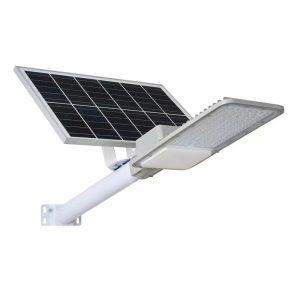
LED 265nm: A Cutting-Edge Technology in the Lighting Industry
Introduction to LED 265nm
LED technology has revolutionized the lighting industry, offering energy-efficient and versatile lighting solutions. Among the various wavelengths of light emitted by LEDs, 265nm stands out as a cutting-edge technology with unique applications. This article delves into the world of LED 265nm, exploring its characteristics, applications, and the potential it holds for the future of lighting.
Understanding LED 265nm
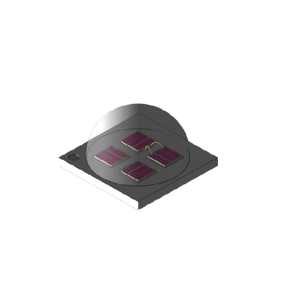
LEDs are light-emitting diodes that convert electrical energy into light. The color and intensity of the light emitted by an LED are determined by its semiconductor material and the wavelength of light it produces. LED 265nm refers to an LED that emits light at a wavelength of 265 nanometers, which falls within the ultraviolet (UV) spectrum.
The 265nm wavelength is particularly interesting due to its high energy content. UV light has a shorter wavelength than visible light, which means it carries more energy per photon. This high energy level makes LED 265nm suitable for various applications, including sterilization, water purification, and advanced manufacturing processes.
Characteristics of LED 265nm
LED 265nm possesses several distinct characteristics that set it apart from other LED technologies:
1. High Energy Content: As mentioned earlier, the 265nm wavelength carries a high energy content, which is ideal for applications that require intense light.
2. Ultraviolet Spectrum: LED 265nm emits light in the UV spectrum, which is not visible to the human eye. This makes it suitable for applications where the visibility of light is not a concern.
3. Longevity: LED 265nm can have a longer lifespan compared to other UV LEDs due to its efficient design and high-quality materials.
4. Cost-Effectiveness: Despite its advanced technology, LED 265nm can be cost-effective, especially when considering its long-term performance and low maintenance requirements.
Applications of LED 265nm
The unique properties of LED 265nm make it suitable for a wide range of applications:
1. Sterilization: LED 265nm is highly effective in sterilizing surfaces and air, making it an ideal solution for medical facilities, food processing plants, and laboratories.
2. Water Purification: The high energy content of UV light at 265nm can break down harmful bacteria and viruses in water, providing a safe and effective purification method.
3. Disinfection of Air and Surfaces: LED 265nm can be used to disinfect air and surfaces in indoor environments, such as hospitals, schools, and offices.
4. Advanced Manufacturing: The intense light emitted by LED 265nm can be used in various manufacturing processes, such as curing adhesives, sterilizing equipment, and surface treatment.
Advancements in LED 265nm Technology
The development of LED 265nm technology has seen significant advancements in recent years. Some of the key developments include:
1. Improved Efficiency: Researchers have been able to enhance the efficiency of LED 265nm by optimizing the semiconductor materials and improving the design of the LED.
2. Lower Cost: As the technology matures, the cost of LED 265nm has been steadily decreasing, making it more accessible for a wider range of applications.
3. Wider Range of Applications: With ongoing research and development, new applications for LED 265nm are being discovered, further expanding its potential.
Challenges and Future Prospects
Despite its numerous advantages, LED 265nm technology faces certain challenges:
1. Safety Concerns: UV light can be harmful to human skin and eyes, so proper safety measures must be in place when using LED 265nm in applications where people are present.
2. Regulatory Hurdles: The use of UV light in certain applications may be subject to regulatory restrictions, which can limit the adoption of LED 265nm technology.
3. Market Awareness: There is a need to raise awareness about the benefits of LED 265nm among potential users and customers.
Looking to the future, the prospects for LED 265nm are promising. As the technology continues to evolve, it is expected to become even more efficient, cost-effective, and widely adopted. With ongoing research and development, LED 265nm could play a crucial role in addressing some of the world’s most pressing challenges, such as water scarcity, disease control, and environmental sustainability.
Conclusion
LED 265nm represents a significant advancement in the lighting industry, offering unique solutions for a variety of applications. With its high energy content, UV spectrum, and potential for cost-effectiveness, LED 265nm is poised to become an integral part of the future of lighting. As challenges are addressed and advancements continue, LED 265nm technology will undoubtedly play a crucial role in shaping the way we light our world.
 English
 Afrikaans
 Albanian
 Amharic
 Arabic
 Armenian
 Azerbaijani
 Basque
 Belarusian
 Bengali
 Bosnian
 Bulgarian
 Catalan
 Cebuano
 Chichewa
 Corsican
 Croatian
 Czech
Czech Danish
 Dutch
Dutch Esperanto
 Estonian
 Filipino
 Finnish
 French
 Frisian
 Galician
 Georgian
 German
 Greek
Greek Gujarati
 Haitian Creole
 Hausa
Hausa Hawaiian
 Hebrew
 Hindi
Hindi Hmong
Hmong Hungarian
 Icelandic
 Igbo
Igbo Indonesian
 Irish
Irish Italian
 Japanese
 Javanese
 Kannada
 Kazakh
 Khmer
Khmer Korean
 Kurdish (Kurmanji)
 Kyrgyz
 Lao
Lao Latin
Latin Latvian
 Lithuanian
 Luxembourgish
 Macedonian
 Malagasy
 Malay
Malay Malayalam
 Maltese
 Maori
Maori Marathi
 Mongolian
 Myanmar (Burmese)
 Nepali
 Norwegian
 Pashto
 Persian
 Polish
 Portuguese
 Punjabi
 Romanian
 Russian
 Samoan
 Scottish Gaelic
 Serbian
 Sesotho
 Shona
Shona Sindhi
 Sinhala
 Slovak
 Slovenian
 Somali
 Spanish
 Sudanese
 Swahili
 Swedish
 Tajik
Tajik Tamil
Tamil Telugu
 Thai
Thai Turkish
 Ukrainian
 Urdu
Urdu Uzbek
Uzbek Vietnamese
 Welsh
Welsh Xhosa
Xhosa Yiddish
 Yoruba
 Zulu
Zulu
Explore More from Queendom Lamp
Stay updated with the latest LED technology, lighting solutions, and industry insights.
Request a Quote About Queendom