










Plant special light, also known as horticultural lighting, plays a crucial role in the modern agricultural industry. These specialized lights are designed to mimic the natural sunlight, providing plants with the necessary light spectrum to grow healthily and efficiently. This article delves into the world of plant special light, exploring its importance, types, applications, and future trends in the industry.
Importance of Plant Special Light
Plant special light is essential for the growth and development of plants, especially in controlled environments such as greenhouses, vertical farms, and indoor gardens. Natural sunlight is not always available or sufficient, especially in regions with limited daylight hours or during harsh weather conditions. In such cases, plant special light becomes a vital tool for farmers and gardeners to ensure optimal plant growth.
Types of Plant Special Light
There are several types of plant special light available in the market, each designed to cater to specific plant needs. Here are some of the most common types:
1. Fluorescent Lights: These lights are energy-efficient and emit a broad spectrum of light, making them suitable for seedlings and young plants.
2. High-Intensity Discharge (HID) Lights: HID lights, such as metal halide (MH) and high-pressure sodium (HPS) lights, provide intense light and are ideal for flowering and fruiting stages of plants.
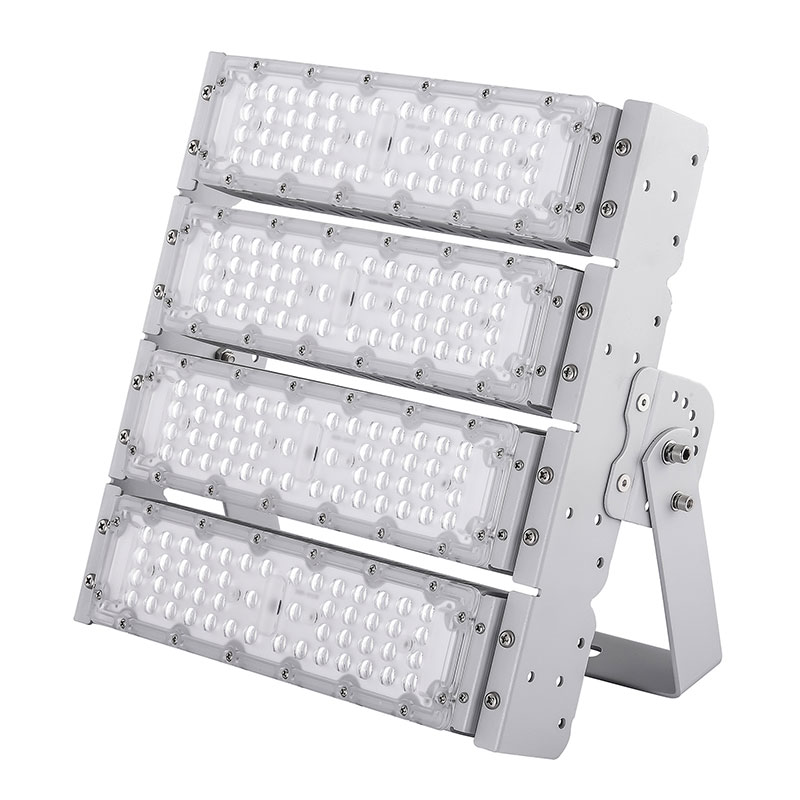
3. LED Lights: LED lights are the latest innovation in plant special light technology. They are highly efficient, durable, and offer a wide range of color spectrums, making them versatile for all stages of plant growth.
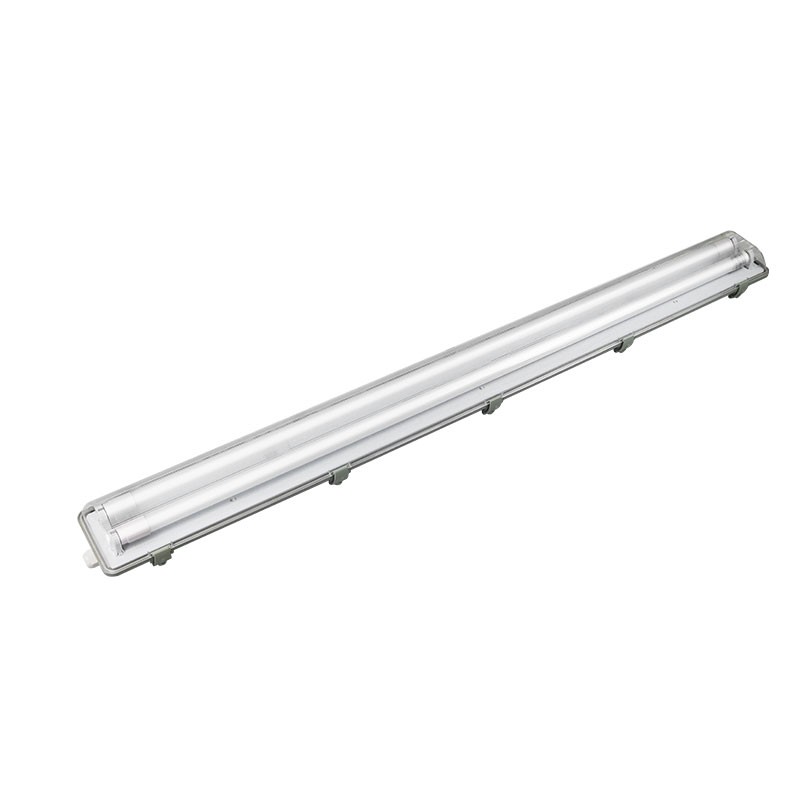
4. T5 Fluorescent Lights: T5 fluorescent lights are a type of fluorescent light that is known for its high efficiency and compact size, making it suitable for small spaces and vertical farming setups.
Applications of Plant Special Light
Plant special light finds applications in various sectors of the agricultural industry:
1. Greenhouses: Greenhouses use plant special light to extend growing seasons, increase crop yields, and improve the quality of produce.
2. Vertical Farming: Vertical farming, which involves growing plants in vertically stacked layers, relies heavily on plant special light to ensure optimal growth in confined spaces.
3. Indoor Gardening: Indoor gardeners use plant special light to grow a wide variety of plants, including those that are not naturally suited to indoor environments.
4. Hydroponics: Hydroponic systems, which grow plants without soil, use plant special light to provide the necessary light for photosynthesis and plant growth.
Benefits of Plant Special Light
The use of plant special light offers several benefits to the agricultural industry:
1. Increased Yields: By providing plants with the right amount of light, plant special light can significantly increase crop yields.
2. Improved Quality: The specific light spectrum emitted by plant special light can enhance the quality of produce, making it more appealing to consumers.
3. Energy Efficiency: LED lights, in particular, are highly energy-efficient, reducing operational costs for farmers and gardeners.
4. Flexibility: Plant special light allows for controlled growing environments, enabling farmers to grow a wider variety of plants and extend growing seasons.
Challenges and Solutions
Despite the numerous benefits, the use of plant special light also comes with challenges:
1. Cost: The initial cost of setting up a plant special light system can be high, especially for large-scale operations.
2. Heat: HID lights, in particular, generate a significant amount of heat, which can be detrimental to plants and require additional cooling systems.
3. Lighting Control: Achieving the right balance of light intensity and spectrum can be complex, requiring specialized knowledge and equipment.
To address these challenges, manufacturers are continuously innovating:
1. Cost-Effective Solutions: Newer technologies and economies of scale are making plant special light more affordable for small-scale farmers and gardeners.
2. Cooling Systems: Advanced cooling systems are being developed to manage the heat generated by HID lights.
3. Smart Lighting Control: Smart lighting systems are being integrated with IoT technology to provide precise control over light intensity and spectrum, optimizing plant growth.
Future Trends
The future of plant special light looks promising, with several trends emerging:
1. Integration with AI: Artificial Intelligence (AI) is being used to optimize plant growth by analyzing light data and adjusting lighting systems accordingly.
2. Customizable Light Spectrums: New technologies are allowing for more customizable light spectrums, catering to the specific needs of different plant species.
3. Sustainability: As environmental concerns grow, the industry is focusing on developing more sustainable and energy-efficient lighting solutions.
In conclusion, plant special light is a vital component of the modern agricultural industry, providing the necessary light for plants to grow healthily and efficiently. With ongoing technological advancements and increasing environmental awareness, the future of plant special light looks bright, offering new opportunities for farmers, gardeners, and consumers alike.
 English
 Afrikaans
 Albanian
 Amharic
 Arabic
 Armenian
 Azerbaijani
 Basque
 Belarusian
 Bengali
 Bosnian
 Bulgarian
 Catalan
 Cebuano
 Chichewa
 Corsican
 Croatian
 Czech
Czech Danish
 Dutch
Dutch Esperanto
 Estonian
 Filipino
 Finnish
 French
 Frisian
 Galician
 Georgian
 German
 Greek
Greek Gujarati
 Haitian Creole
 Hausa
Hausa Hawaiian
 Hebrew
 Hindi
Hindi Hmong
Hmong Hungarian
 Icelandic
 Igbo
Igbo Indonesian
 Irish
Irish Italian
 Japanese
 Javanese
 Kannada
 Kazakh
 Khmer
Khmer Korean
 Kurdish (Kurmanji)
 Kyrgyz
 Lao
Lao Latin
Latin Latvian
 Lithuanian
 Luxembourgish
 Macedonian
 Malagasy
 Malay
Malay Malayalam
 Maltese
 Maori
Maori Marathi
 Mongolian
 Myanmar (Burmese)
 Nepali
 Norwegian
 Pashto
 Persian
 Polish
 Portuguese
 Punjabi
 Romanian
 Russian
 Samoan
 Scottish Gaelic
 Serbian
 Sesotho
 Shona
Shona Sindhi
 Sinhala
 Slovak
 Slovenian
 Somali
 Spanish
 Sudanese
 Swahili
 Swedish
 Tajik
Tajik Tamil
Tamil Telugu
 Thai
Thai Turkish
 Ukrainian
 Urdu
Urdu Uzbek
Uzbek Vietnamese
 Welsh
Welsh Xhosa
Xhosa Yiddish
 Yoruba
 Zulu
Zulu
Explore More from Queendom Lamp
Stay updated with the latest LED technology, lighting solutions, and industry insights.
Request a Quote About Queendom